Elevate Your Baking Game: Why Butterscotch Banana Bread is Becoming the Ultimate Comfort Food Trend

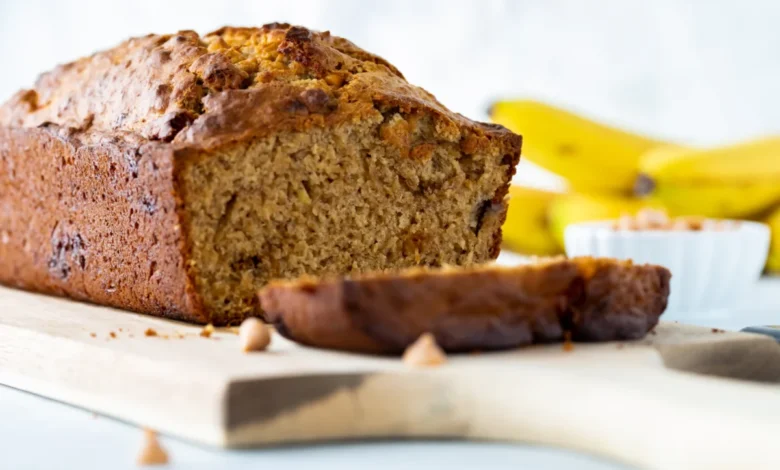
The culinary landscape of home baking has witnessed a quiet yet profound revolution, shifting away from overly complex pastries toward elevated comfort foods that utilize accessible, everyday pantry staples. Among the frontrunners of this baking renaissance is Butterscotch Banana Bread, a modern twist on a timeless American classic that has recently captured the attention of culinary enthusiasts and busy households alike. Combining the natural sweetness and dense moisture of overripe bananas with the rich, caramel-like notes of melted butterscotch chips, this artisanal loaf represents a broader cultural trend toward accessible indulgence. As home bakers increasingly seek out recipes that balance nostalgia with a touch of novelty, understanding the mechanics, history, and widespread appeal of this decadent variation provides valuable insight into contemporary home economics and food culture.
The Evolution of Banana Bread in Modern Culture
Banana bread holds a unique, enduring place in Western culinary history. Originally gaining widespread popularity in the United States during the 1930s—bolstered by the advent of commercial baking powder and the economic necessity of utilizing overripe, discarded fruit during the Great Depression—the loaf became a permanent fixture of domestic baking. Over the decades, standard recipes have undergone countless iterations, incorporating ingredients ranging from walnuts and cream cheese to dark chocolate chunks and espresso powder.
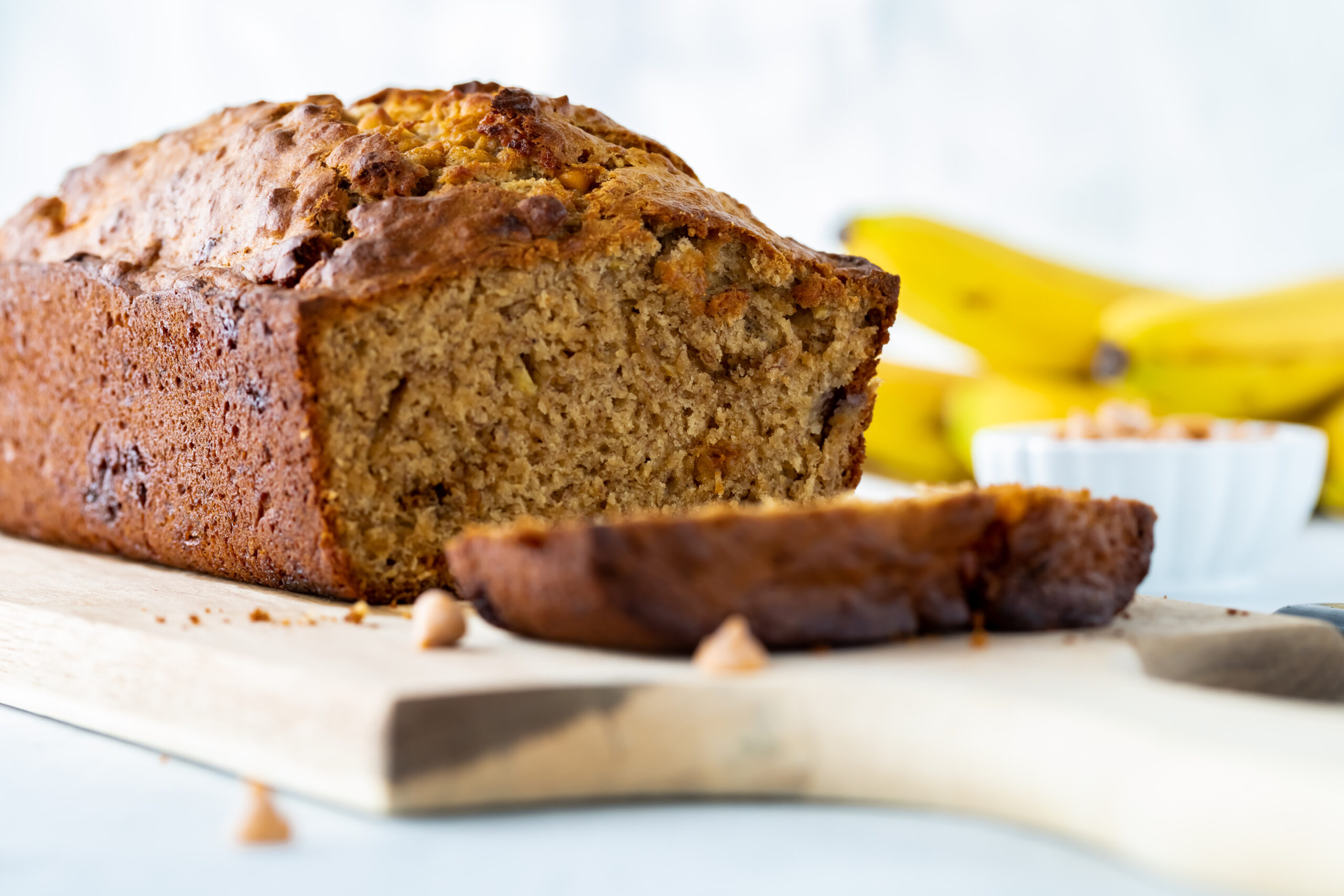
The integration of butterscotch chips into banana bread marks a calculated evolution in flavor profiling. Culinary experts note that the bitterness of dark brown sugar and the robust, earthy profile of heavily spotted bananas create a sophisticated flavor canvas that readily absorbs the sweet, buttery complexity of butterscotch. Unlike traditional white sugar, which provides purely one-dimensional sweetness, butterscotch introduces cooked dairy notes and caramelized sugars that elevate the standard breakfast loaf into a versatile hybrid suitable for breakfast tables, school lunchboxes, and late-night desserts alike.
The Science of Moisture: Maximizing Texture and Flavor
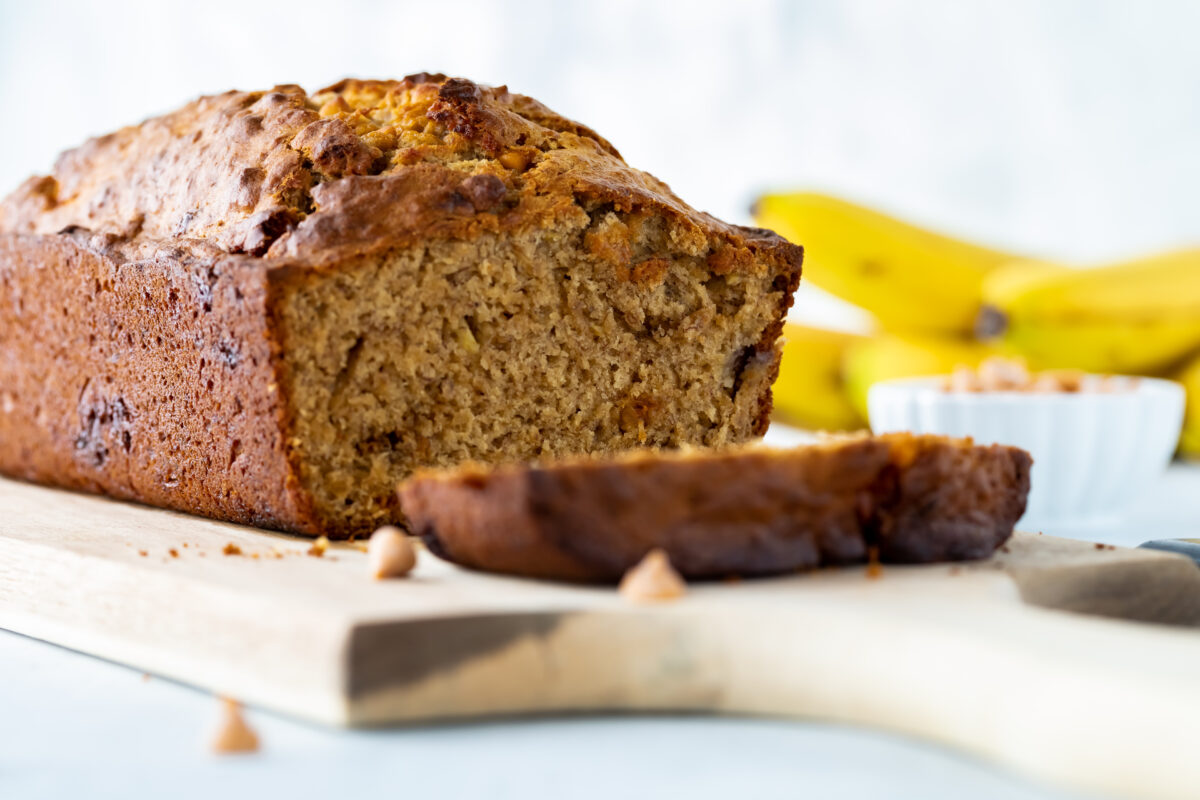
Achieving the ideal crumb structure in banana bread relies heavily on precise chemical interactions and ingredient selection. According to professional bakers and food scientists, the foundation of any superior loaf begins with the level of fruit ripeness. As bananas transition from firm yellow to heavily speckled brown and black, starches rapidly convert into simple sugars. This enzymatic breakdown not only amplifies the natural sweetness of the fruit but also softens the cellular walls, releasing free moisture essential for a tender, non-crumbly texture.
Furthermore, contemporary recipes frequently incorporate acidic dairy components such as Greek yogurt or sour cream. The inclusion of these ingredients serves a dual purpose: the acid reacts with standard leavening agents like baking soda to generate carbon dioxide gas, producing a higher, lighter rise, while the fat content coats the flour proteins. This protein coating inhibits excessive gluten formation, ensuring that the finished bread remains exceptionally moist and tender rather than dense or rubbery.
Culinary Analysis: Best Practices for Execution
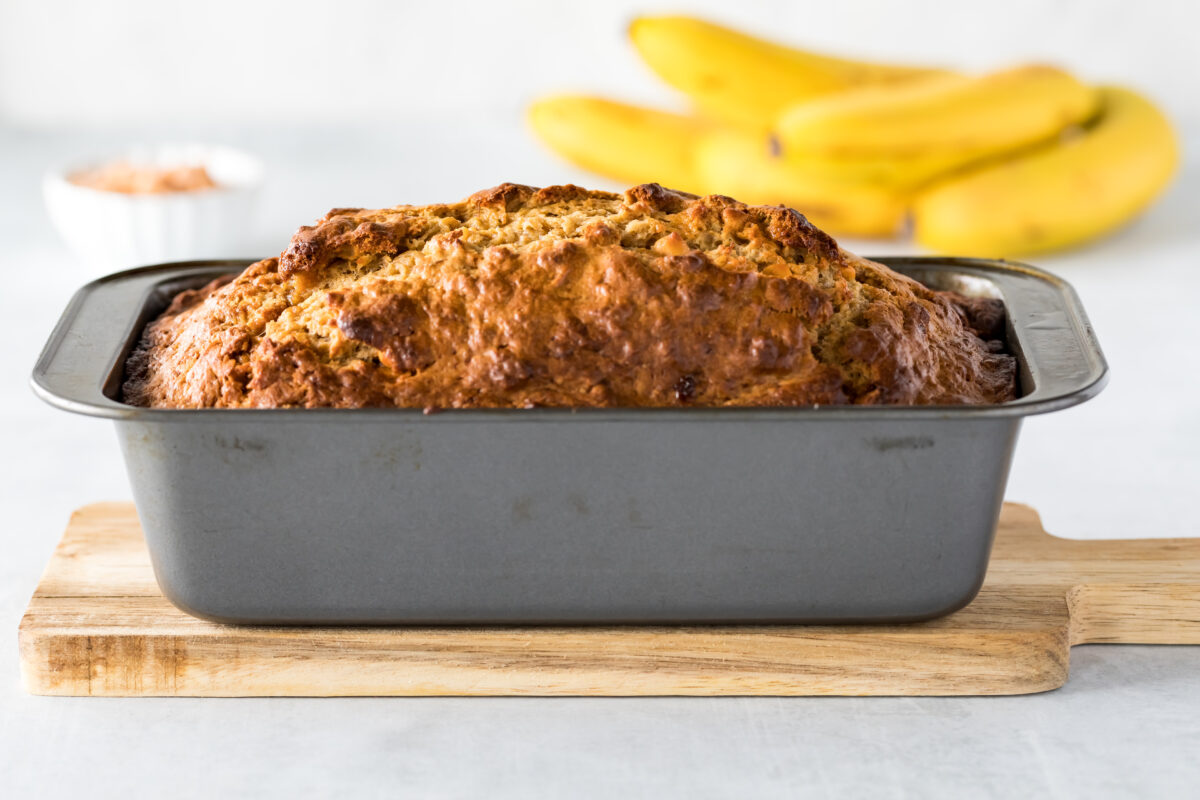
While the ingredient list for butterscotch banana bread remains remarkably simple, professional bakers emphasize that technique dictates the final quality of the product. Common pitfalls, such as dry crumbs or underbaked centers, can be systematically avoided through adherence to standardized culinary methodologies.
Measurement Precision: The most frequent cause of dry banana bread is the inaccurate measurement of dry goods. Scooping flour directly from a storage bag packs the material tightly, resulting in an overly high flour-to-liquid ratio. Culinary professionals recommend the "spoon and level" technique—gently aerating the flour with a spoon, pouring it into a measuring vessel, and leveling the excess with a flat edge.
Mixing Dynamics: Overworking the batter after the incorporation of flour activates excess gluten, leading to a tough, elastic texture. Standard procedure dictates folding the dry ingredients into the wet mixture only until no visible streaks of flour remain, preserving the delicate air pockets created during the creaming stage.
Thermal Management and Ripening Techniques: For bakers eager to produce the loaf without waiting days for fruit to mature naturally, accelerated ripening methods have become standard kitchen hacks. Placing firm bananas in a paper bag with an ethylene-producing fruit, such as an apple, expedites the ripening process within twenty-four hours. Alternatively, roasting unpeeled bananas on a parchment-lined baking sheet at 300 degrees Fahrenheit breaks down the starches rapidly, though purists note that natural enzymatic ripening yields a more nuanced flavor profile.
Broader Industry Impact and Market Trends
The surge in popularity of specialty quick breads mirrors broader shifts in consumer behavior within the food and beverage sector. Market analysts tracking consumer packaged goods and home-cooking trends indicate a sustained post-pandemic interest in comfort baking. As economic pressures encourage consumers to dine out less frequently, investments in high-yield, low-cost homemade treats have increased.
Furthermore, the adaptability of the butterscotch banana bread template aligns with the growing consumer demand for customizable meal preparation. Home cooks frequently modify the foundational recipe to accommodate dietary preferences or pantry availability, integrating inclusions such as chopped pecans, walnuts, toffee bits, or dark chocolate chunks, or scaling the batter into individual muffin formats for portion-controlled snacking.
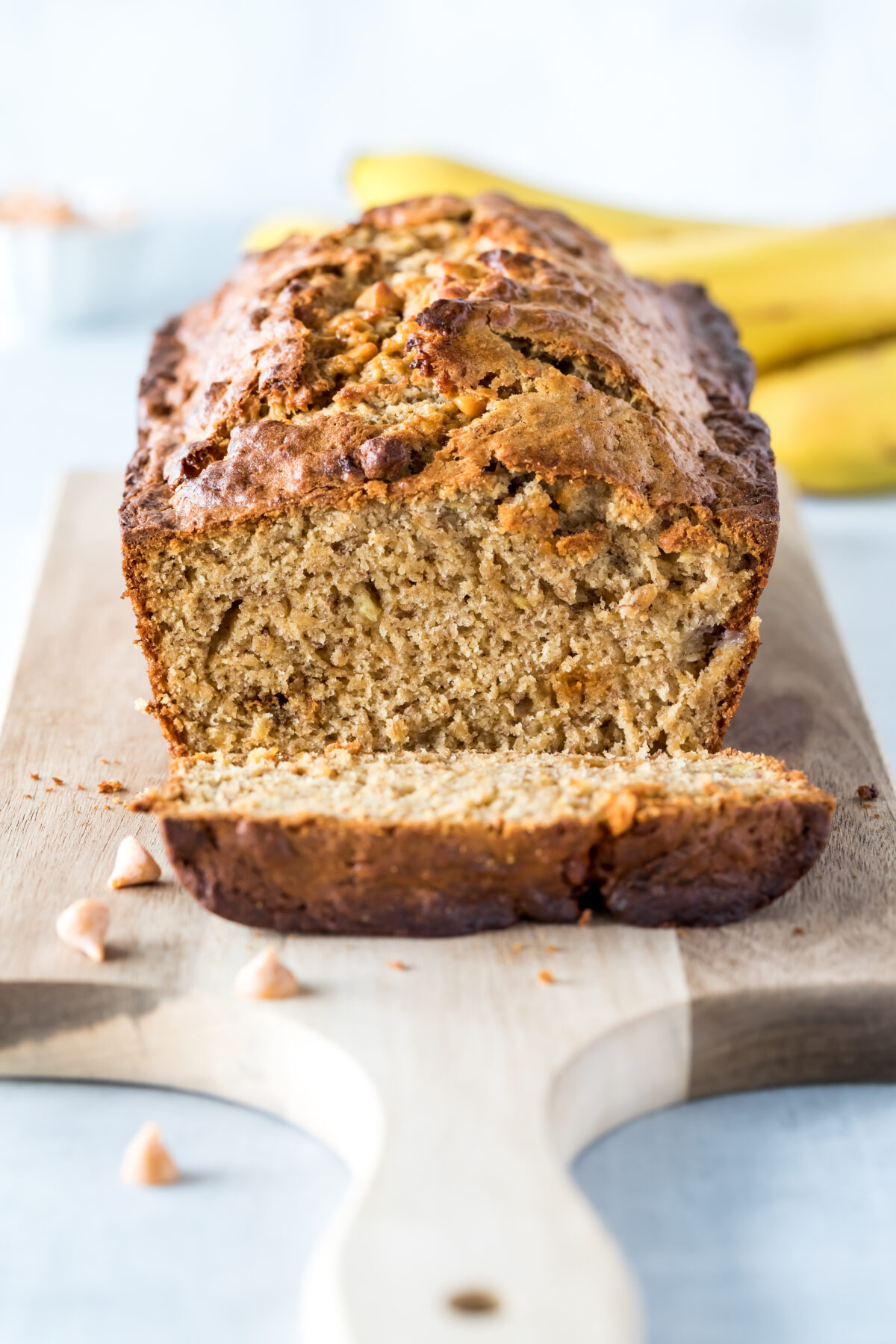
Industry experts project that recipe variations featuring nostalgic flavor pairings will continue to dominate food media platforms throughout the upcoming fiscal quarters. By bridging the gap between familiar comfort and elevated indulgence, butterscotch banana bread exemplifies how traditional baking concepts remain vibrant, adaptable, and deeply relevant to modern domestic life.