Fourth Trimester Podcast Episode 181: Becoming a Mom of Two Without Doing It All Yourself


The transition from parenting one child to managing two is frequently characterized by seasoned mothers and family specialists as a profound and often underestimated evolutionary leap in family dynamics. While societal narratives often romanticize the arrival of a second child as a seamless expansion of an already established household, the reality on the ground frequently involves a complex balancing act of competing demands, emotional restructuring, and physical exhaustion. Addressing this pivotal life transition, the latest installment of the Fourth Trimester Podcast, Episode 181, tackles the multifaceted challenges of expanding a family, offering actionable insights for mothers navigating the labyrinth of postpartum life with multiple children.
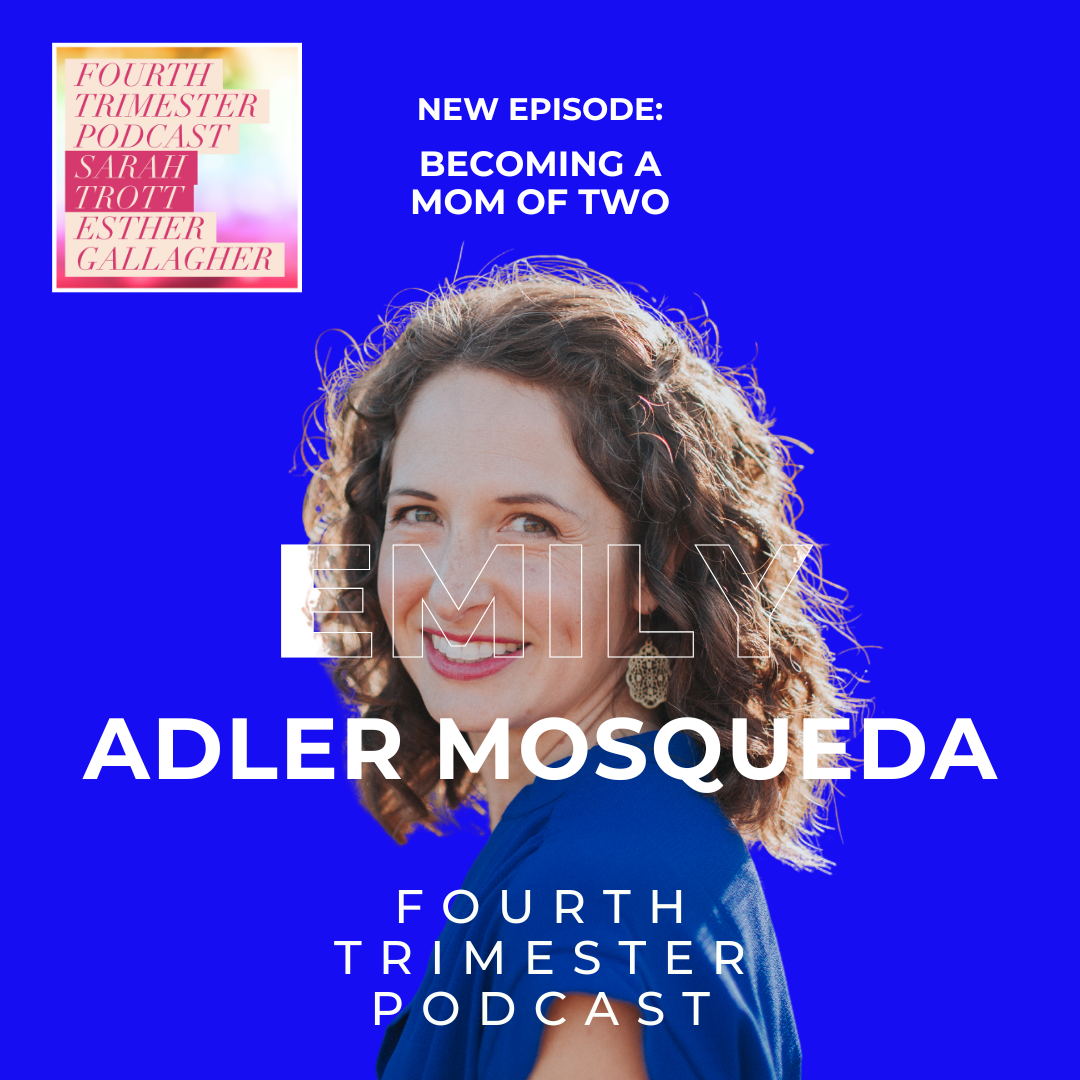
Hosted by Sarah Trott and Esther Gallagher, the episode features guest expert Emily Adler Mosqueda, a pediatric speech-language pathologist and author of the candid memoir Unexpected: A Postpartum Memoir. Together, the panel explores why the second postpartum period can frequently feel more demanding than the first, dissecting the psychological, logistical, and social shifts that accompany the birth of a second child. By centering the conversation on realistic expectations, targeted delegation of labor, and the conscious preservation of personal well-being, the episode serves as a comprehensive guide for modern mothers striving to shed the unrealistic burden of trying to do it all independently.
Background Context and the Reality of the Second Postpartum Period
The birth of a first child introduces adults to parenthood, fundamentally altering their identities, daily schedules, and relationship dynamics. This initial phase, commonly referred to in developmental and maternal health circles as the "fourth trimester," requires intensive adaptation to the round-the-clock needs of a newborn. However, researchers and family counselors note that the introduction of a second child presents an entirely distinct set of structural challenges. Unlike the first time—when parents can theoretically rest, sleep, and adapt solely around the rhythms of a single infant—a second-time mother must simultaneously manage the active developmental needs, emotional vulnerabilities, and daily routines of an older sibling.
This dual demand often precipitates what pediatric and maternal health experts identify as compound fatigue. The older child, regardless of how well-prepared they are for a sibling’s arrival, experiences a major disruption in their family dynamic, frequently resulting in regression, behavioral testing, or heightened demands for parental attention precisely when the mother’s physical and emotional reserves are at their lowest.
Furthermore, societal expectations placed upon mothers to effortlessly pivot into managing a multi-child household without missing a beat contribute significantly to postpartum anxiety and burnout. Many second-time mothers report feeling a false sense of security based on their prior experience, only to find that their previous coping strategies are inadequate for the dynamic, multi-tiered responsibilities of a growing family. It is within this context of high pressure and complex logistics that Mosqueda, Trott, and Gallagher frame their discussion, advocating for a fundamental shift in how society prepares women for the realities of expanding their families.
Redefining the Postpartum Plan for Long-Term Sustainability
A central thesis of Episode 181 centers on the inadequacy of traditional postpartum planning. Historically, postpartum preparation has focused heavily on the immediate medical recovery of the mother and the basic survival needs of the newborn during the first six weeks. Mosqueda emphasizes that this short-sighted approach is particularly detrimental for families welcoming a second child.
Drawing from her personal experiences documented in her memoir and her professional background, Mosqueda advocates for a comprehensive, year-long postpartum blueprint. This extended planning model looks far beyond the immediate newborn haze, incorporating the evolving developmental milestones of the older child, the health of adult friendships, the intentional carving out of personal time for the mother, and the active maintenance of the partnership with the co-parent.
According to family dynamics specialists, a robust extended postpartum plan must be proactive rather than reactive. This involves identifying specific friction points within the daily household routine—such as the late-afternoon witching hour, the morning school or daycare rush, or bedtime routines—long before the baby arrives. By isolating these high-stress windows, parents can design concrete, actionable strategies and assign specific responsibilities to support networks, reducing the cognitive load on the primary caregiver.
The Art of Accepting Help and Overcoming Perfectionism
A recurring obstacle highlighted in the podcast is the psychological barrier many mothers face when it comes to accepting help from external sources. Cultural conditioning frequently encourages mothers to internalize the myth of the supermom—an individual capable of managing domestic labor, professional responsibilities, infant care, and older child enrichment entirely on her own.
Mosqueda and the podcast hosts discuss the critical necessity of dismantling this perfectionist mindset. Accepting help, however, is rarely as simple as an open-ended offer. The episode delves into the mechanics of asking for specific, tangible assistance. Vague requests such as "let me know if you need anything" often place the burden of delegation back onto the exhausted mother. In contrast, assigning specific tasks—such as grocery procurement, meal preparation, older sibling school transport, or nighttime soothing shifts—enables family members, friends, and hired professionals to step in effectively.
Moreover, the discussion confronts the discomfort that arises when helpers execute tasks differently than the mother would. Letting go of control and accepting that "done is better than perfect" is framed as an essential survival skill during the second postpartum phase. Whether it involves laundry folded in an unconventional manner or meals prepared with a different culinary approach, prioritizing the mother’s mental health and physical rest over domestic micromanagement is vital for long-term family stability.
Preserving the Older Child Relationship and Maternal Identity
Balancing the demands of a newborn with the emotional needs of an older sibling is one of the most delicate challenges explored in Episode 181. Older children often grapple with complex feelings of displacement, jealousy, and grief as they share their parents with a new family member. The episode offers strategies for carving out dedicated, intentional one-on-one time between the mother and the older child, reinforcing their unique bond and reassuring them of their secure place within the family unit.
Simultaneously, the discussion addresses the preservation of maternal identity. The expansion of a family can easily swallow the individual identity of the mother, reducing her entirely to a functional caregiver. By advocating for scheduled breaks, personal time, and nurturing adult friendships, the podcast underscores that a mother’s well-being is not secondary to family needs, but rather forms the foundational pillar upon which a healthy, resilient household is built.
Broader Implications and Practical Resources
The insights shared in Fourth Trimester Podcast Episode 181 reflect a broader, much-needed cultural shift within maternal health advocacy. Moving away from the isolated, unsupported postpartum model toward community-oriented, structured care is increasingly recognized by pediatricians, doulas, and family therapists as a critical public health necessity. Adequate postpartum support directly correlates with lower rates of postpartum depression, stronger marital satisfaction, and healthier emotional development for children.
For mothers preparing for this monumental transition, the episode provides actionable tools, including guidance on utilizing structured postpartum frameworks such as the Fourth Trimester Plan. By encouraging open dialogues between partners, realistic expectation-setting, and the strategic mobilization of support networks, the conversation empowers women to approach the expansion of their families with confidence, resilience, and a realistic understanding that asking for help is a sign of strength rather than limitation.
Related posts: