Bone Broth Hot Chocolate: A Nutritional Evolution of a Winter Classic

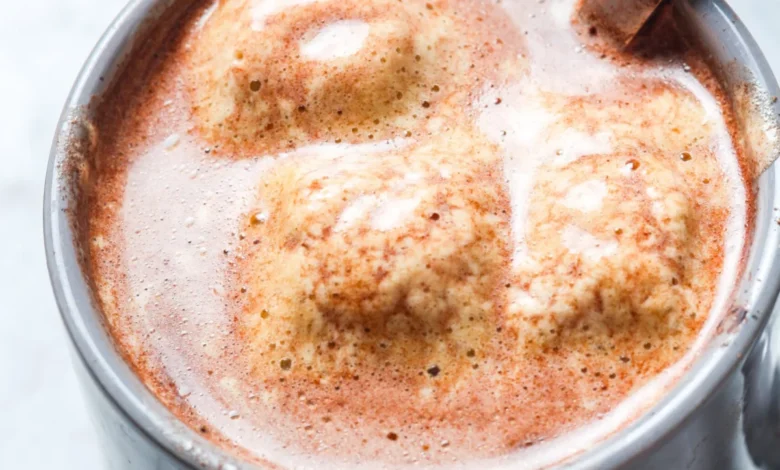
The intersection of traditional wellness practices and modern culinary innovation has yielded a surprising new beverage trend: bone broth hot chocolate. While hot cocoa has served as a global staple for centuries, the recent integration of collagen-rich, savory bone broths into sweet, dessert-style drinks represents a significant shift in dietary habits, reflecting a growing consumer preference for functional foods that offer both indulgence and physiological benefits.
This hybrid beverage, which combines the deep, aromatic profile of cocoa with the nutrient-dense qualities of bone broth, has moved from niche health forums into mainstream household kitchens. The trend aligns with broader shifts in the health and wellness sector, specifically the rising popularity of high-protein, low-sugar alternatives to traditional comfort foods.
The Historical and Nutritional Context
Bone broth—a liquid derived from simmering animal bones and connective tissue—has been a cornerstone of various cultural diets for millennia. Historically, it served as a primary source of minerals and gelatin. In the contemporary market, its resurgence has been fueled by a focus on "gut health" and the anti-inflammatory properties of collagen, glucosamine, and chondroitin.

When integrated into hot chocolate, the bone broth does not function as a flavor profile but rather as a structural enhancer. The amino acids present in the broth provide a velvety, viscous mouthfeel, often described by culinary experts as a "creamy" texture that mimics the richness of heavy cream or full-fat milk without the associated saturated fat content of dairy-based thickeners.
According to nutritional data, a standard cup of bone broth provides approximately 9 to 12 grams of protein. When combined with high-quality cocoa powder—which is rich in polyphenols and flavonoids—and naturally sourced sweeteners like honey or maple syrup, the beverage transforms from a simple treat into a macro-nutrient-focused snack. This aligns with modern metabolic health trends that prioritize steady blood sugar levels and satiety.
Evolution of the Recipe: A Chronology of Integration
The transition of bone broth from the soup pot to the mug was a gradual process. Initially, health enthusiasts experimented with savory additions to morning coffee or tea. By early 2023, independent food bloggers and nutritionists began testing the compatibility of collagen powders and liquid bone broths with cacao.
The critical breakthrough for the recipe’s popularity occurred when chefs discovered that using unflavored, pasture-raised chicken or beef bone broth—devoid of added vegetables like onions, garlic, or celery—allowed the chocolate to remain the dominant sensory experience. By the winter of 2024, the trend saw a notable surge in social media engagement, with "functional hot cocoa" hashtags garnering millions of impressions. This period marked the shift from experimental home-cooking to the publication of standardized recipes for professional and amateur use.
Culinary Composition and Scientific Interaction
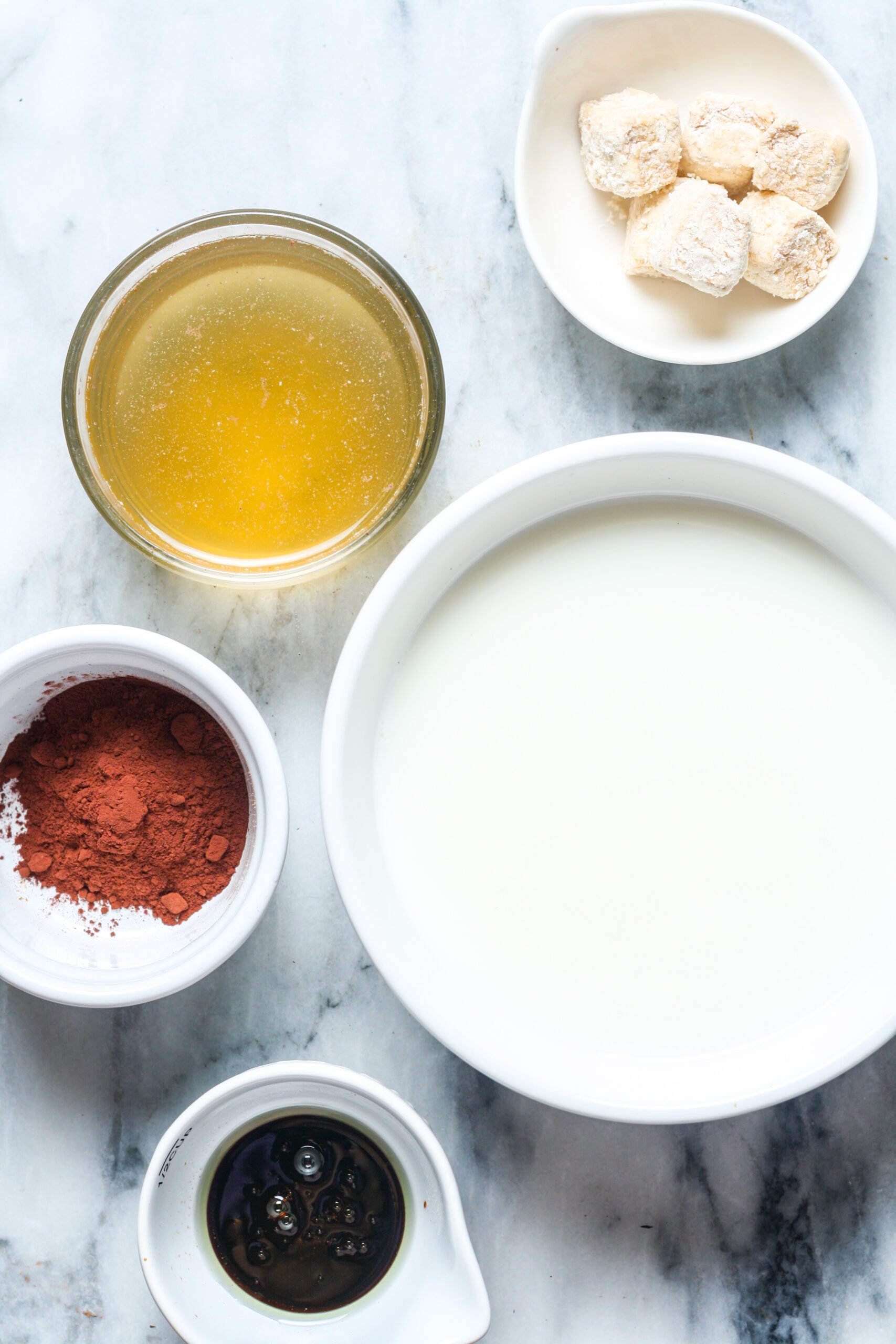
The success of bone broth hot chocolate relies on the precise balance of ingredients. The primary challenge in this preparation is avoiding the "savory threshold," where the salinity of the broth becomes perceptible.
- The Base: The use of clean, neutral-flavored bone broth is essential. Products labeled as "sipping broths" or those lacking added aromatic vegetables are preferred.
- The Chocolate Component: High-quality, unsweetened cocoa powder is required to provide the base flavor. The natural bitterness of the cocoa acts as a bridge, masking the slight saltiness of the broth.
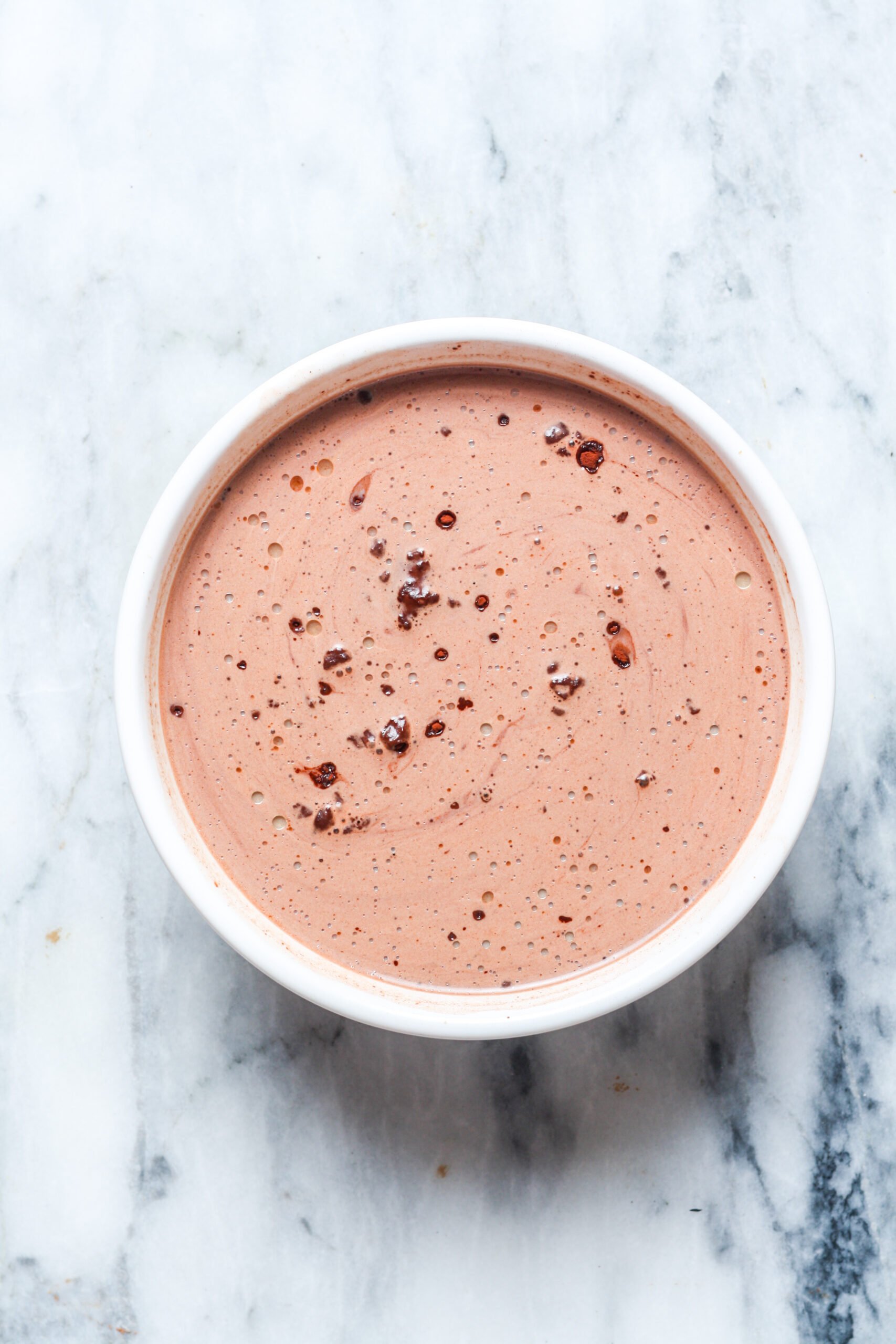
- The Emulsification: The heat-activated collagen in the broth serves as a natural emulsifier. When combined with milk (either dairy or plant-based) and whisked over low heat, the result is a stable, homogeneous mixture that does not separate upon cooling.
- Sweeteners: Natural sweeteners such as honey or pure maple syrup are favored over refined sugars. These ingredients provide a complex flavor profile that complements the earthiness of the cocoa and the depth of the bone broth.
Nutritional Implications and Market Impact
The emergence of this beverage highlights a broader trend: the "protein-ification" of common snacks. With consumers increasingly aware of the health consequences of high-sugar diets, the addition of protein-dense ingredients to comfort foods is a strategy used to justify consumption.
Market analysts observe that this trend is particularly resonant among the "wellness-conscious" demographic, which includes individuals tracking their protein intake for athletic recovery or metabolic support. Furthermore, the rise of the "bone broth as a beverage" category in grocery retail, led by brands such as Kettle & Fire, has lowered the barrier to entry for home consumers.
From a clinical perspective, the inclusion of bone broth offers a way to increase mineral intake without the consumption of solid food. For individuals with sensitive digestive systems, the glycine and proline found in bone broth are often cited in holistic nutrition circles as aids for gut lining repair, though large-scale clinical trials specifically examining "bone broth hot chocolate" remain limited.
Practical Preparation and Industry Standards
To achieve the desired results, professional food preparation guidelines suggest a strict adherence to temperature control. Over-boiling the mixture can lead to the denaturing of proteins and a potential change in the structural integrity of the cocoa solids. A gentle simmer is recommended to marry the flavors without compromising the nutritional density.
Industry standards for these ingredients have also evolved. Consumers are increasingly demanding transparency in sourcing. Labels now emphasize "pasture-raised," "grass-fed," and "no antibiotics" as key indicators of quality. This reflects the broader industry trend toward "clean label" products where the number of ingredients is minimized, and the source of each component is traceable.
Challenges and Future Outlook
Despite its popularity, the concept of a savory-adjacent drink remains polarizing. Critics argue that the flavor profile of a meat-based stock, regardless of how neutral, is fundamentally incompatible with the sweetness of chocolate. However, proponents argue that the "umami" quality of the broth provides a depth that makes the drink more satisfying and less prone to causing the "sugar crash" associated with traditional hot cocoa.
Looking forward, the success of bone broth hot chocolate may pave the way for other savory-sweet hybrids. We are already seeing the early stages of this with mushroom-infused coffees (chaga and lion’s mane) and herbal-infused chocolate bars. As consumer tastes continue to evolve, the integration of functional, nutrient-dense ingredients into everyday dietary habits is likely to remain a dominant theme in the food and beverage industry.
Broader Implications for Consumer Health
The movement toward "functional comfort" is not merely a passing fad; it represents a fundamental change in how the average consumer views food. Where the 20th-century food landscape focused on convenience and mass production, the 21st-century landscape is increasingly focused on the intersection of nutrition and pleasure.
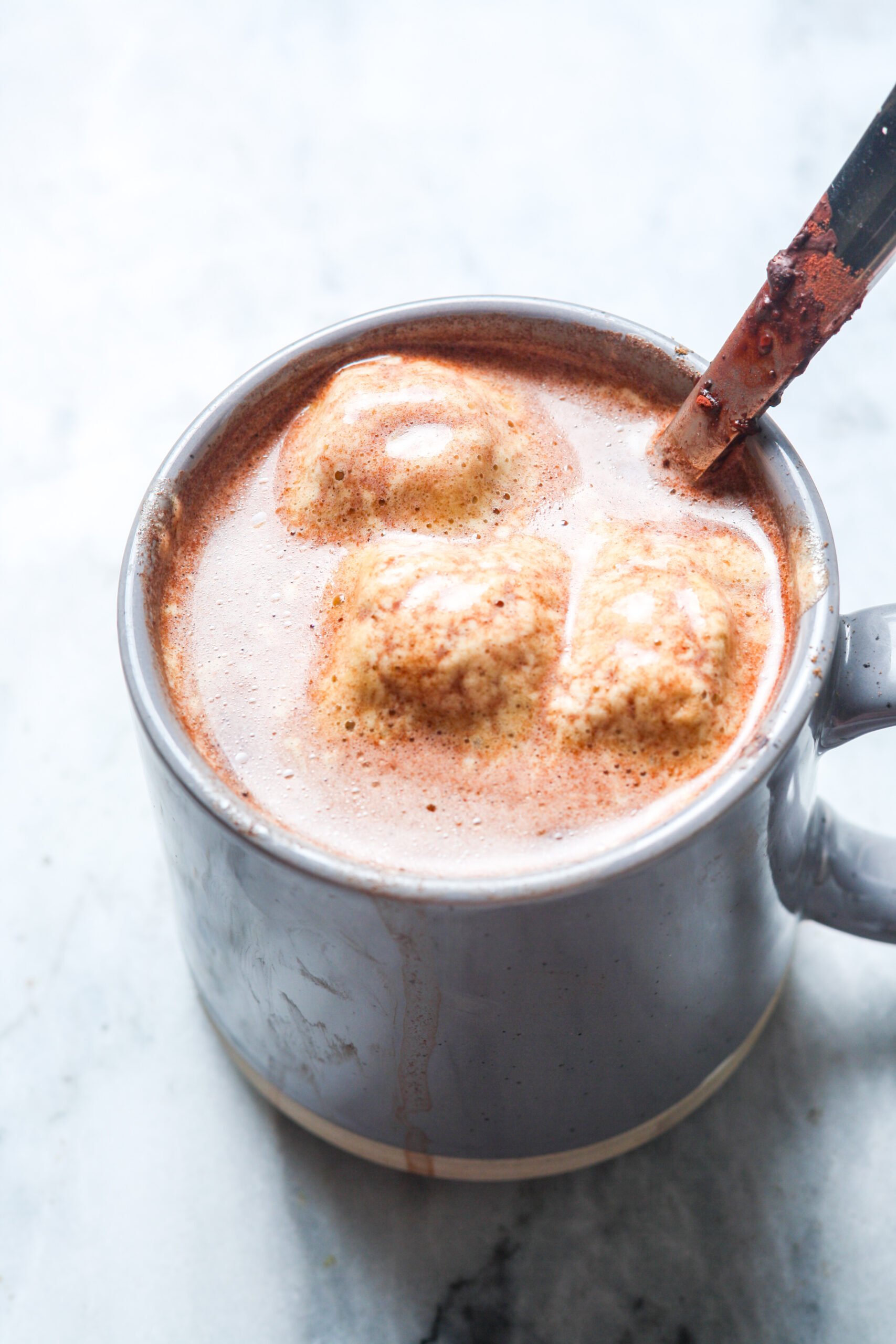
By incorporating bone broth into a beverage that is historically associated with childhood comfort, consumers are reclaiming their dietary health. The implication is that if one can derive therapeutic benefits from a daily ritual—such as a morning or evening cup of cocoa—the likelihood of maintaining long-term health improvements increases significantly.
In conclusion, the rise of bone broth hot chocolate is a testament to the versatility of traditional ingredients in the modern age. It serves as a bridge between the ancient wisdom of slow-cooked, nutrient-dense stocks and the modern craving for rich, satisfying flavors. As research into the benefits of collagen and amino acids continues to grow, it is highly probable that we will see further innovations that blur the lines between nourishment and indulgence, making the "hug in a mug" not just a comfort, but a deliberate health choice.
Related posts: