The Ultimate Twice Baked Potato Casserole Simplifies Family Dinners and Holiday Feasts

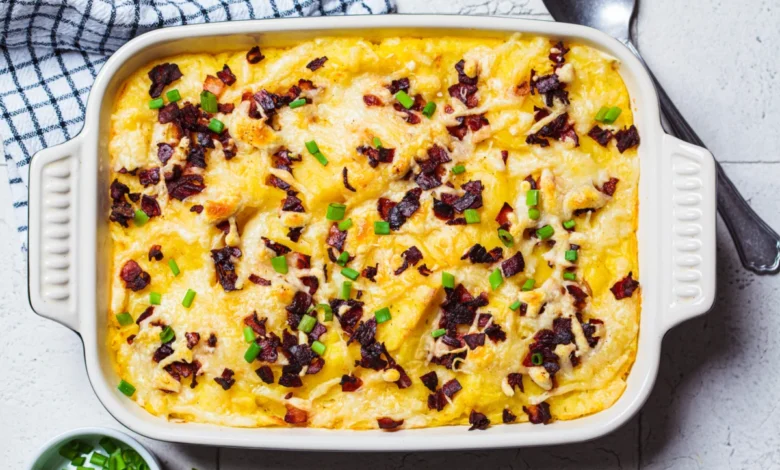
The evolution of modern home cooking has long been defined by the delicate balance between culinary indulgence and kitchen efficiency. For generations, the loaded baked potato has reigned supreme as a comforting staple of American dining, prized for its contrasting textures of fluffy interior starch, crisp bacon, melting cheese, and sharp green onions. However, the traditional method of preparing individual potatoes—baking, cooling, meticulously scooping out the flesh, whipping it with dairy and seasonings, stuffing the fragile skins, and baking a second time—presents a significant logistical hurdle for home cooks. Preparing these individual portions for a large family dinner or holiday gathering often demands an hour of meticulous assembly just before serving. In response to this culinary challenge, home economists and recipe developers have popularized the twice-baked potato casserole, a streamlined innovation that condenses the multi-step preparation of individual spuds into a single, cohesive baking dish. This adaptation retains every textural and flavor component of the classic recipe while slashing preparation time and offering unprecedented make-ahead convenience for busy households.
Culinary Mechanics and Recipe Adaptation
At its core, the twice-baked potato casserole relies on the same chemical and structural principles as its predecessor, albeit scaled for communal serving. Culinary experts note that the success of the dish hinges on moisture management and starch manipulation. Russet potatoes, prized for their high starch content and low moisture levels, remain the gold standard for this application. When baked, their cell walls break down easily, yielding a dry, mealy texture that readily absorbs fats and liquids without becoming dense.
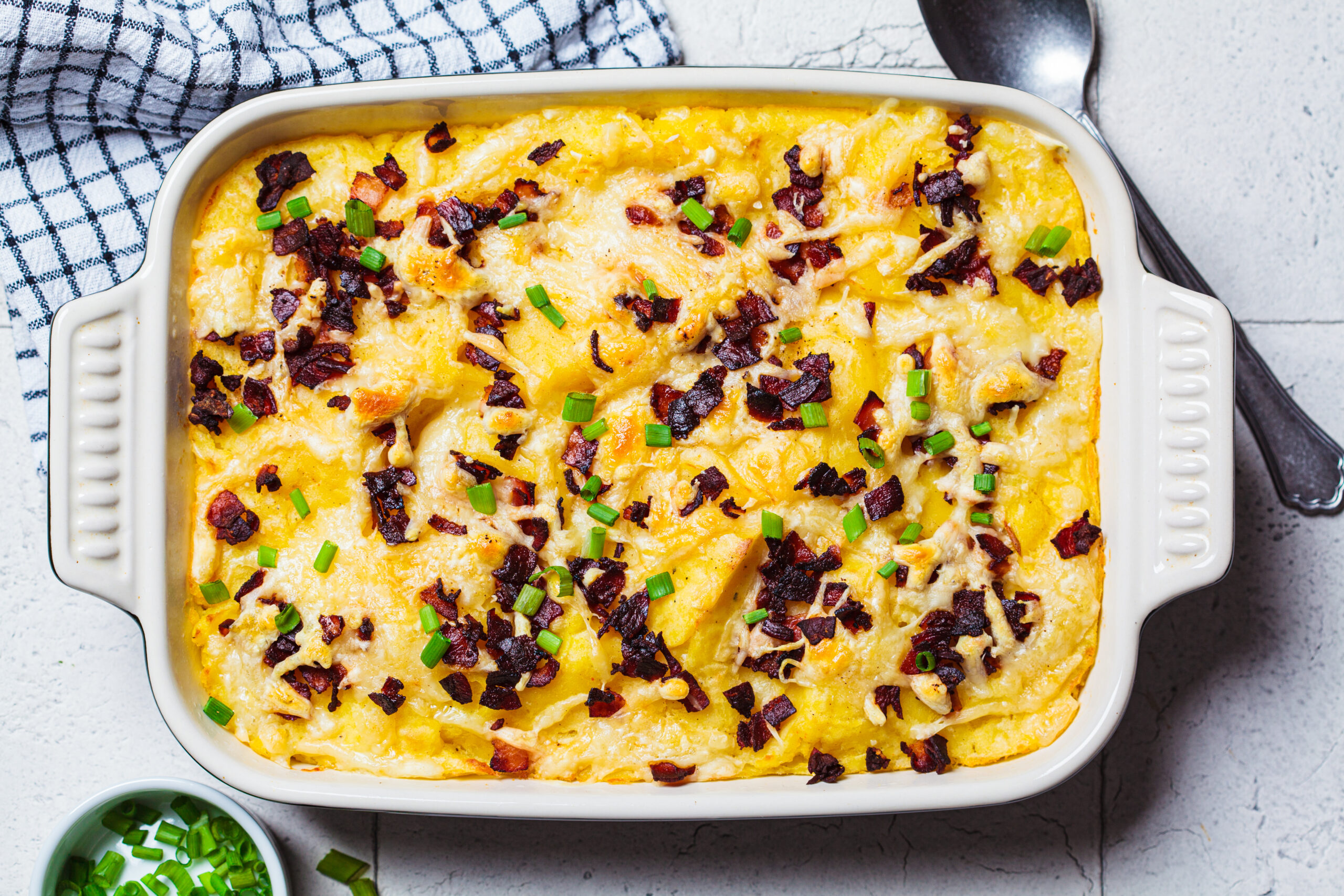
In a departure from traditional heavy-cream-and-butter formulas, contemporary iterations of the casserole frequently incorporate Greek yogurt into the dairy blend. According to culinary nutritionists, substituting a portion of the traditional sour cream or heavy cream with plain Greek yogurt introduces a significant boost in dietary protein while maintaining the rich, tangy profile expected from a loaded potato. Furthermore, the thick consistency of Greek yogurt prevents the potato mixture from becoming watery when baked in large quantities. Butter, whole milk, and sharp cheddar cheese are folded into the whipped potatoes to reintroduce necessary lipids, ensuring a velvety mouthfeel.
Professional chefs emphasize precise technique during the mixing phase. Overworking the potatoes by utilizing electric mixers, food processors, or blenders ruptures the starch cells, releasing excessive free starch and resulting in a gummy, gluey texture akin to wallpaper paste. Culinary guidelines mandate the use of a traditional hand potato masher or ricer, combined with gentle folding motions using a spatula, to preserve a light, fluffy consistency. Additionally, incorporating freshly grated cheese rather than pre-packaged, pre-shredded alternatives prevents the inclusion of anti-caking agents like cellulose, which can inhibit smooth melting and alter the final sauce emulsion.
Chronology of the Casserole in American Cuisine
The concept of the casserole traces its roots deep into American culinary history, evolving from communal potluck dishes of the mid-20th century into sophisticated expressions of comfort food. While the traditional twice-baked potato emerged as a steakhouse favorite during the mid-century dining boom—symbolizing luxury and careful kitchen craftsmanship—its translation into a casserole format gained significant momentum with the rise of modern time-saving appliances and the demand for efficient meal-prep solutions.
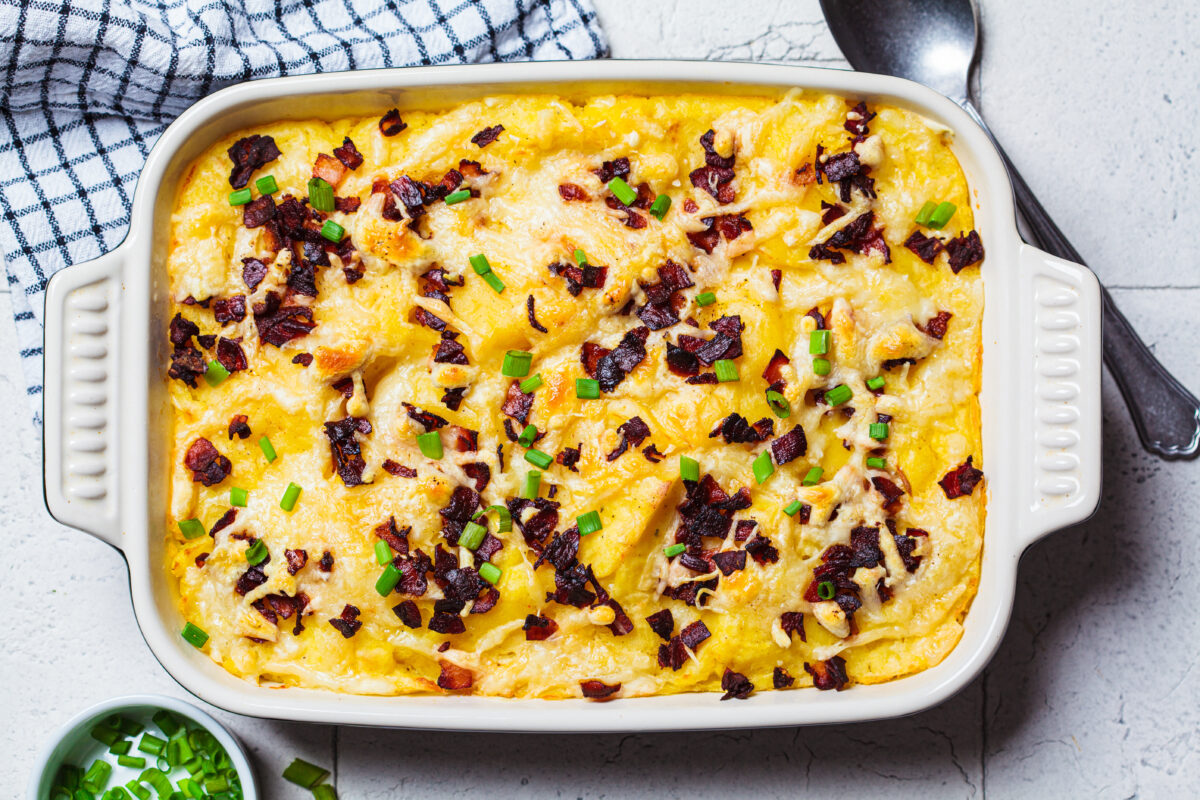
During the 1970s and 1980s, convenience foods dominated the American kitchen, leading to a temporary decline in scratch-cooking techniques. However, the subsequent farm-to-table movement of the late 1990s and early 2000s renewed interest in wholesome, home-prepared meals. Home cooks sought ways to reconcile scratch-cooking values with demanding work schedules. The potato casserole format bridged this gap. By the 2010s, food blogs and culinary media platforms began heavily featuring casserole-style adaptations of classic side dishes, recognizing that holiday hosting—particularly around Thanksgiving, Christmas, and Easter—required menu items that could be prepared hours or even days in advance.
The contemporary timeline for preparing a standard twice-baked potato casserole reflects this emphasis on advanced planning. Standard preparation generally requires approximately twenty minutes of active time to peel, boil or bake, and mash the potatoes, followed by an hour to an hour and fifteen minutes of baking time to achieve a bubbling interior and a golden, melted cheese crust. Crucially, the timeline allows the unbaked casserole to be refrigerated for up to twenty-four hours or frozen for up to two months, fundamentally altering how holiday kitchens operate by removing time-sensitive assembly steps from the day of the event.
Nutritional Profile and Dietary Flexibility
While comfort foods are traditionally viewed through the lens of indulgence, modern culinary adaptations increasingly incorporate nutritional adjustments to accommodate diverse dietary needs. A standard serving of twice-baked potato casserole provides a substantial source of complex carbohydrates, potassium, and calcium, largely derived from the potato base and dairy components.
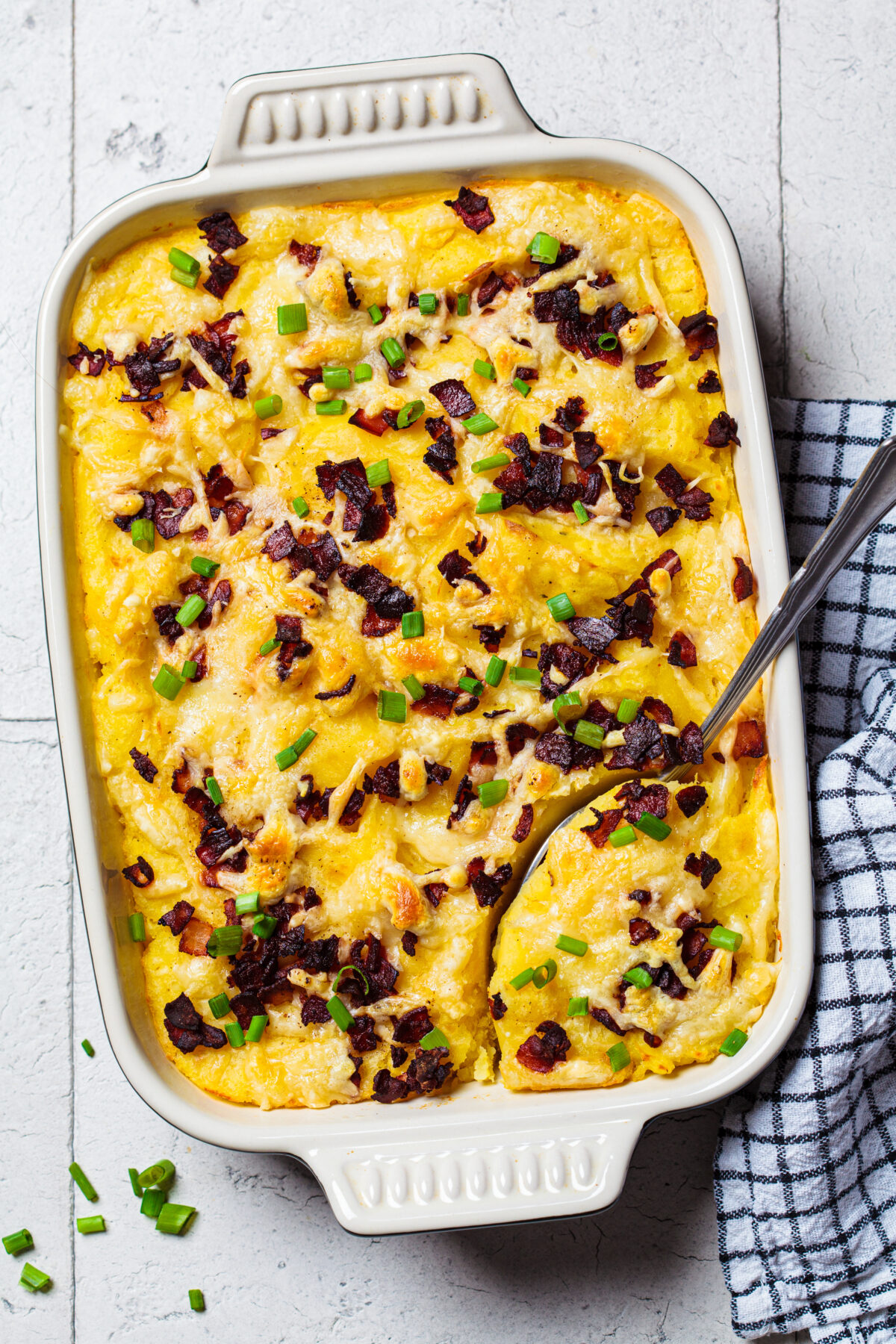
The strategic integration of Greek yogurt alters the nutritional landscape of the dish by elevating its protein content without sacrificing the characteristic tang associated with sour cream. Potatoes themselves are naturally fat-free, cholesterol-free, and rich in vitamin C and B-complex vitamins, though the addition of whole milk, butter, cheddar cheese, and bacon introduces significant fats and sodium.
To cater to health-conscious consumers and those with dietary restrictions, the recipe framework accommodates numerous structural variations without compromising structural integrity or flavor profiles. Common adaptations include:
- Broccoli Cheddar Variation: Incorporating finely chopped, steamed broccoli florets directly into the potato mash, providing added fiber, vitamins A and K, and a vibrant color contrast.
- Protein-Enhanced Variations: Integrating diced, cooked chicken breast or lean turkey bacon to transform the side dish into a primary entrée suitable for weeknight family dinners.
- Vegetable Enrichment: Folding in roasted cauliflower, sautéed spinach, or sweet corn to diversify the nutritional profile and increase micronutrient density.
- Alternative Dairy and Cheeses: Utilizing lactose-free dairy products, plant-based butter alternatives, or bold-flavored cheeses such as Gruyère, Monterey Jack, or sharp aged cheddar to adjust flavor intensity and accommodate dietary sensitivities.
Storage, Preservation, and Food Safety Protocols
Managing leftovers and make-ahead preparations for potato-based casseroles requires strict adherence to food safety guidelines established by agricultural and public health authorities. Because potatoes possess a neutral pH and high moisture content, improper cooling and storage can foster the growth of opportunistic pathogens.
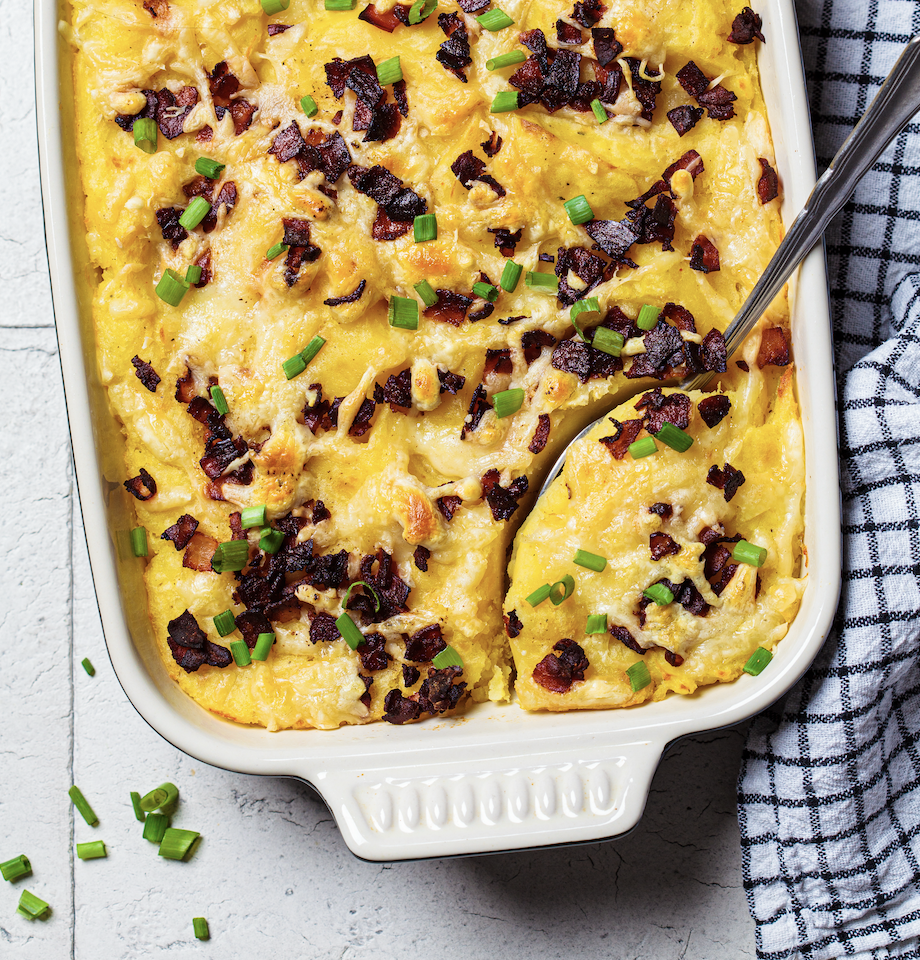
Food safety protocols dictate that freshly baked casseroles must be cooled to room temperature within two hours of removal from the oven before being transferred to airtight containers. When properly sealed, the casserole maintains optimal quality in a refrigerator set at or below 40 degrees Fahrenheit for up to four days. Reheating must be executed thoroughly, ensuring that the internal temperature of the dish reaches 165 degrees Fahrenheit to eliminate potential microbial contamination. For frozen storage, wrapping the casserole tightly in multiple layers of plastic wrap and aluminum foil prevents freezer burn and moisture loss, preserving texture for up to two months. When reheating from a frozen state, culinary technicians recommend an overnight thaw in the refrigerator followed by a slow bake at 350 degrees Fahrenheit, occasionally covering the dish with foil to prevent the cheese topping from over-browning before the center is fully heated.
Broader Economic and Cultural Implications
The enduring popularity of the twice-baked potato casserole underscores broader socio-economic trends surrounding home economics, food inflation, and family dining culture. Potatoes remain one of the most economically efficient agricultural staples globally, offering high caloric yield and dense nutritional value per acre compared to alternative grain or protein crops. In periods of economic fluctuation, consumer demand for potato-based dishes traditionally rises as households seek budget-friendly, satiating meal foundations that can stretch expensive proteins like bacon and cheese across multiple servings.
Furthermore, the cultural significance of the casserole format lies in its association with communal gathering and shared meals. Sociologists note that comfort foods function as emotional anchors during periods of social stress, fostering a sense of nostalgia and familial security. By transforming an intricate restaurant-style dish into an accessible, scalable casserole, home cooks are able to maintain culinary traditions of hospitality and abundance without the prohibitive labor costs traditionally associated with holiday hosting. As culinary innovation continues to prioritize efficiency alongside flavor, the twice-baked potato casserole remains a testament to the enduring adaptability of classic American comfort food.