The culinary landscape for families has seen a significant shift toward nutrient-dense, easily prepared snacks that cater to both health-conscious parents and children with specific dietary needs. Among the most popular iterations of this trend are banana-based oat bars, a staple in home kitchens that has gained renewed attention as food prices rise and the demand for wholesome, homemade alternatives to processed snacks increases. Originally developed as a simple solution for utilizing overripe fruit, these bars have become a foundational recipe for teaching basic culinary skills to younger generations.
The Evolution of a Household Staple
The concept of combining oats, bananas, and a binding agent—such as nut butter—dates back to the early 2000s when the "clean eating" movement began emphasizing the reduction of refined sugars in children’s diets. The recipe for banana oat bars gained mainstream traction around 2017, when Registered Dietitians and food bloggers began documenting the versatility of the combination.
By September 2026, the recipe had undergone several iterations to accommodate evolving dietary trends, including the rise of gluten-free and vegan lifestyles. The current standard version of the recipe reflects a move toward accessibility, utilizing common pantry staples to ensure that home cooks can produce high-quality snacks without specialized ingredients.
Nutritional Profile and Dietary Flexibility
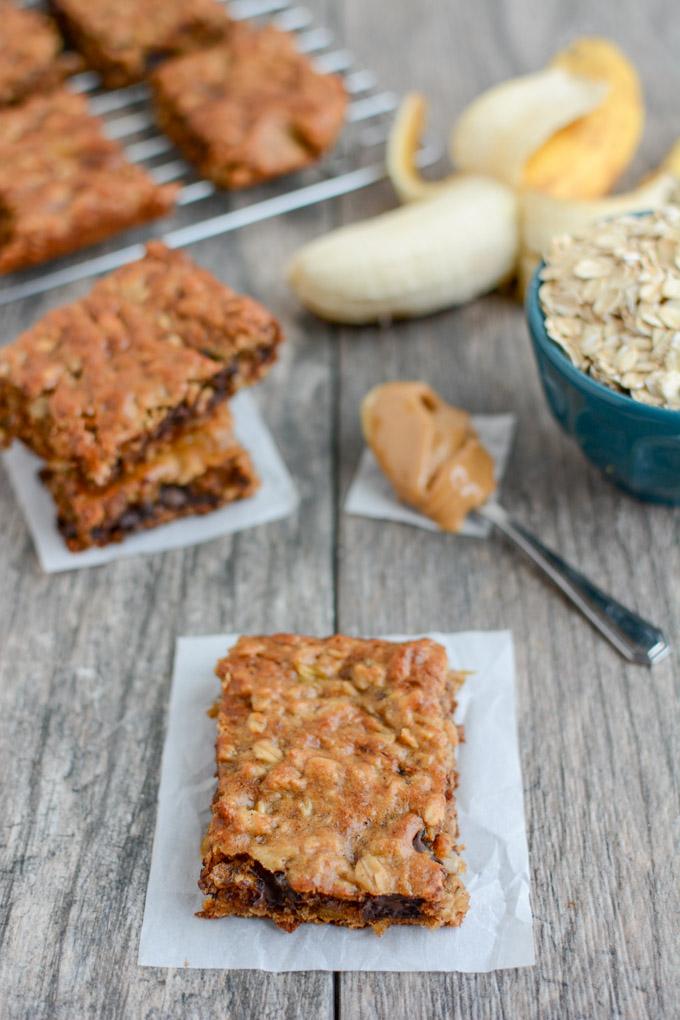
From a nutritional perspective, the banana oat bar offers a balanced profile of complex carbohydrates, fiber, and healthy fats. Oats provide beta-glucan, a type of soluble fiber known for supporting heart health and stabilizing blood glucose levels, while bananas serve as a source of potassium and quick-release energy.
Recent data from nutritionists suggests that these bars serve as an effective "bridge" snack between meals, particularly for school-aged children. When prepared with peanut butter or almond butter, the bars gain an additional protein boost, which helps prolong satiety. The flexibility of the ingredients allows for significant customization:
- Gluten-Free Requirements: By sourcing certified gluten-free oats and using alternative binding agents, the recipe complies with standards for those with Celiac disease or non-celiac gluten sensitivity.
- Vegan Adjustments: The substitution of eggs with flax seeds or applesauce enables a plant-based version without compromising the structural integrity of the bar.
- Flavor Variations: The incorporation of cocoa powder or shredded carrots has been analyzed by home economists as a strategy for increasing vegetable and antioxidant intake in children who might otherwise be selective eaters.
Culinary Education and Skill Development
Beyond the nutritional value, the process of preparing these bars is widely recognized by early childhood development experts as a pedagogical tool. In a report regarding domestic life skills, child development specialists noted that kitchen environments provide a practical setting for children to develop fine motor skills, mathematical literacy—through measuring ingredients—and an understanding of food chemistry.
The "Easy Banana Oat Bar" is frequently cited in educational curricula for "kids-in-the-kitchen" programs. By breaking down the preparation into manageable tasks—such as mashing fruit or stirring dry ingredients—parents can foster a sense of autonomy in children. This approach is consistent with broader trends in family-centric lifestyle management, which prioritize shared domestic labor as a means of strengthening family bonds and building practical life competencies.
Economic and Practical Implications
The economic climate of 2026 has played a significant role in the resurgence of such "pantry-friendly" recipes. With food inflation impacting the cost of pre-packaged snacks, the ability to produce large quantities of shelf-stable or freezer-friendly bars at home offers a tangible cost-saving benefit.
A cost-analysis of the ingredients—bananas, oats, peanut butter, and simple seasonings—indicates that the price-per-serving of homemade bars is approximately 40% lower than comparable store-bought brands. Furthermore, the ability to control the sugar content is a primary driver for parents, as many commercial granola bars are criticized for high levels of added sweeteners and preservatives.
Standardizing the Preparation Process
To ensure consistency in results, professional kitchen practices suggest a standardized methodology. The preparation of these bars typically involves:
- Mashing: Reducing the bananas to a consistent, smooth consistency to ensure moisture distribution.
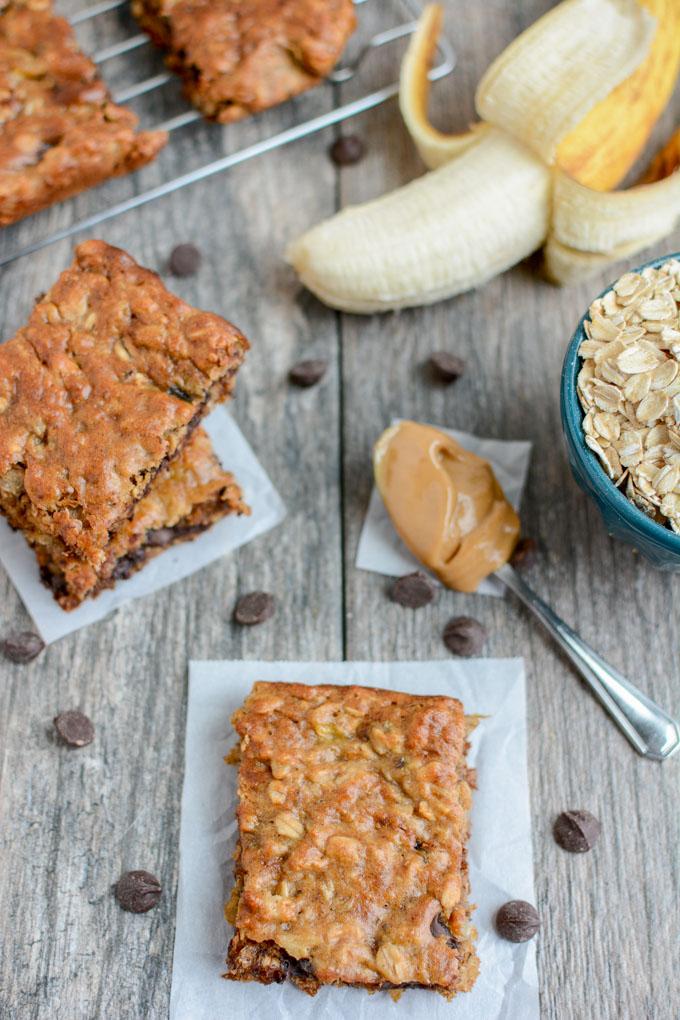
- Integration: Combining the wet ingredients (bananas, egg, vanilla, nut butter) separately from the dry ingredients (oats, baking powder, cinnamon).
- Baking Dynamics: Utilizing an 8×8 inch pan at 350°F (175°C) for approximately 20 to 22 minutes. This specific timeframe is critical to prevent the oats from becoming too dry while ensuring the center is fully set.
Addressing Common Recipe Challenges
Culinary experts note that the texture of the bar can vary depending on the type of oats used. While rolled oats provide a chewy, robust texture, many parents have reported that younger children prefer quick-cooking oats, which offer a finer, less noticeable texture in the finished product.
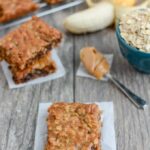
For those attempting to incorporate these bars into a dietary plan, storage is a vital factor. Because the recipe contains no chemical preservatives, the bars generally have a shelf life of three to four days when stored in an airtight container at room temperature. For longer storage, freezing is recommended. Once thawed, the bars maintain their structural integrity, making them ideal for weekly meal-prepping schedules.
Broader Impact on Modern Diets
The continued popularity of these bars reflects a larger cultural shift toward intentional consumption. As consumers become more aware of the ingredient lists on processed food labels, the move toward simple, recognizable components is expected to continue. The adaptability of the banana-oat platform ensures that it remains relevant, as it can be modified to incorporate superfoods like chia seeds, flax, or various nut butters to match the specific nutritional needs of the household.
In summary, the Banana Oat Bar is more than just a recipe; it is a nexus of nutrition, education, and economic prudence. By providing a low-barrier-to-entry method for home cooking, it empowers individuals to reclaim agency over their dietary intake. As food trends move toward increased transparency and health-focused outcomes, the reliance on such foundational, whole-food recipes is likely to remain a central tenet of the modern, home-centered culinary experience.
For families looking to implement this, the key lies in the simplicity of the components. By maintaining a stock of these basic items, the preparation of a healthy, child-friendly snack becomes a routine task rather than a logistical challenge, ultimately contributing to a more sustainable and health-conscious lifestyle.
Related posts: