Black History Month Books for Preschool: Building Empathy and Representation in Early Childhood Education

The integration of diverse literature in early childhood education has evolved from a supplemental activity into a pedagogical necessity. Educators and developmental psychologists increasingly emphasize that the books children encounter between the ages of three and five play a foundational role in shaping their perceptions of identity, community, and the broader world. For many preschoolers, particularly those in rural or homogenous environments, literature serves as the primary "window" into cultures and histories different from their own. Conversely, for Black children, these books act as "mirrors," validating their lived experiences and reinforcing a sense of belonging within the academic environment.
By thoughtfully selecting texts that highlight the contributions, voices, and daily lives of Black Americans, teachers fulfill a critical responsibility to broaden a child’s understanding of the world beyond their immediate neighborhood. This practice is especially vital during Black History Month, though experts argue that such representation must be maintained throughout the academic year to be truly effective.
The Historical Context of Black History Month in Education
The tradition of honoring Black history in American schools dates back nearly a century. Dr. Carter G. Woodson, often referred to as the "Father of Black History," established Negro History Week in 1926. Woodson chose the second week of February to coincide with the birthdays of Abraham Lincoln and Frederick Douglass. His goal was not merely to celebrate the past but to ensure that the contributions of Black Americans were integrated into the national narrative, which had largely excluded them.

By the 1960s, during the height of the Civil Rights Movement, the week-long observance expanded on many college campuses. In 1976, President Gerald Ford officially recognized Black History Month, urging Americans to "seize the opportunity to honor the too-often neglected accomplishments of Black Americans in every area of endeavor throughout our history." For the preschool classroom, this transition from a neglected history to a celebrated one is navigated through age-appropriate storytelling that focuses on universal themes of courage, fairness, and perseverance.
Supporting Data: The State of Diversity in Children’s Literature
While the push for inclusive classrooms has grown, data from the Cooperative Children’s Book Center (CCBC) at the University of Wisconsin-Madison highlights a persistent "diversity gap" in publishing. According to CCBC statistics, for decades, children’s books were significantly more likely to feature animal protagonists than children of color.

In 2018, statistics showed that while approximately 50% of children in U.S. public schools were students of color, only about 10% of children’s books published that year featured Black protagonists. However, the "We Need Diverse Books" movement and increased advocacy from organizations like the National Association for the Education of Young Children (NAEYC) have spurred a shift. By 2022, the percentage of books featuring Black characters increased to approximately 13%, with a notable rise in the quality and depth of representation, moving away from "struggle-only" narratives toward stories of "Black Joy."
Chronology of Inclusion: A Shift in Pedagogical Approach
The methodology for teaching Black history to preschoolers has undergone a significant transformation over the last several decades:

- The 1970s–1980s (The Hero Era): Early efforts often focused exclusively on a few "larger-than-life" figures, such as Dr. Martin Luther King Jr. and Rosa Parks. While important, this approach sometimes made the figures feel like distant, unreachable myths rather than real people.
- The 1990s–2000s (Multiculturalism): Schools began to adopt a broader multicultural approach, introducing various cultures through food, holidays, and traditional dress. Critics noted this often resulted in "tourist curriculum" that lacked deep historical context.
- The 2010s–Present (Social Justice and Everyday Joy): Modern pedagogy emphasizes a dual approach. It introduces young children to the concept of fairness and systemic change through historical accounts, while simultaneously normalizing Black lives through contemporary fiction that depicts everyday activities like playing in the snow or visiting family.
Non-Fiction and Historical Narratives for Early Learners
Introducing historical concepts to three-to-five-year-olds requires a focus on "big ideas" rather than complex political timelines. Educators use simple language to explain that some rules in the past were "unfair" and that brave people worked together to change them.
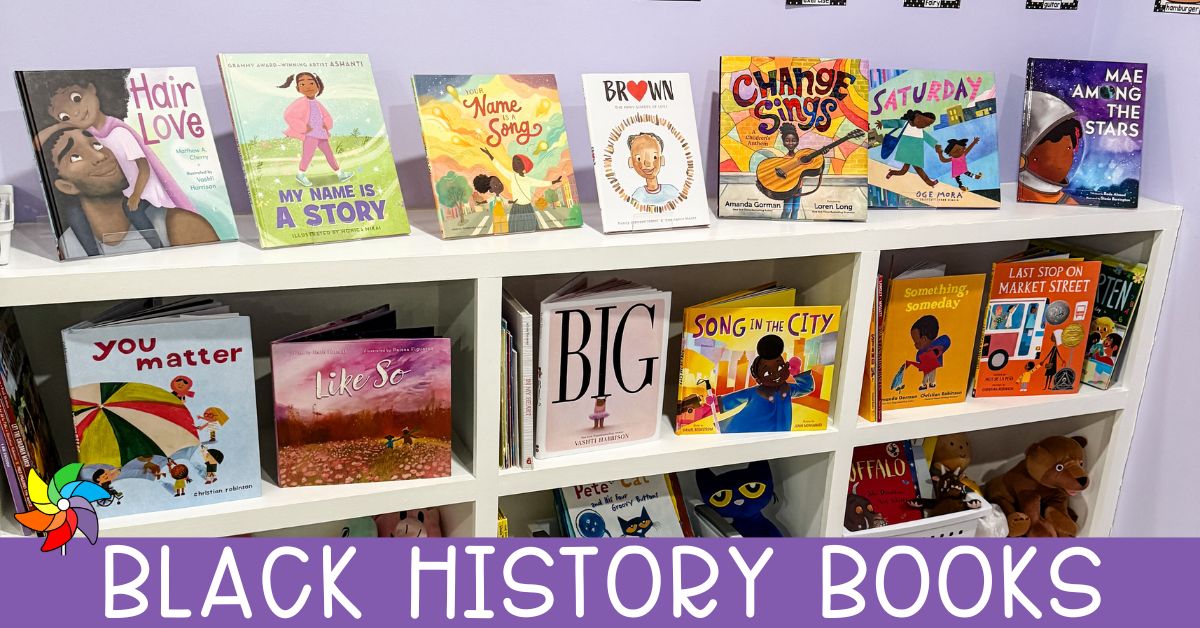
In Stand Up! by Brittney Cooper, children are introduced to ten women who utilized their voices to advocate for justice. The narrative spans from historical figures like Ruby Bridges—the first Black child to desegregate an all-white elementary school in the South—to modern activists like Bree Newsome. This helps preschoolers understand that "making a difference" is a continuous process.

Similarly, Let the Children March by Monica Clark-Robinson provides a child-centric view of the 1963 Birmingham Children’s Crusade. By highlighting that children themselves volunteered to protest for their rights, the book empowers young readers to recognize the potential of their own voices.
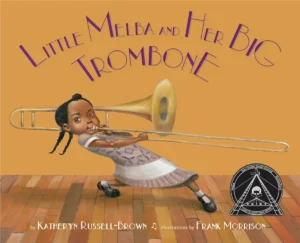
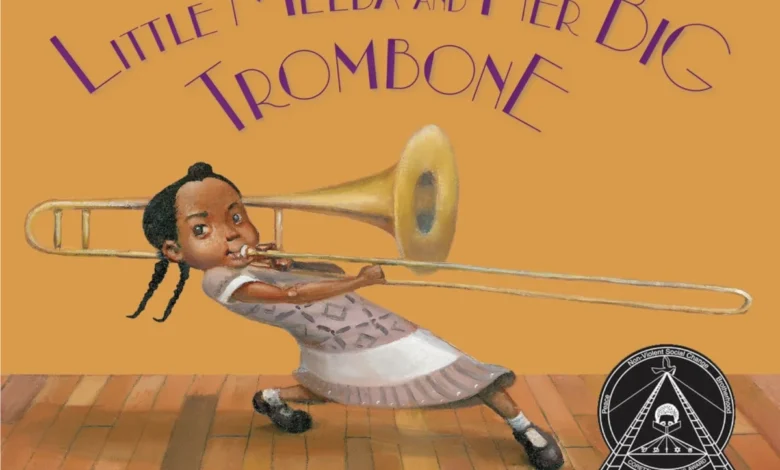
Biographical works like Mae Among the Stars by Roda Ahmed (detailing the life of astronaut Mae Jemison) and Little Melba and Her Big Trombone by Katheryn Russell-Brown (following jazz legend Melba Liston) serve as "mirrors of possibility." These stories emphasize that interest and talent in STEM or the arts can lead to world-changing careers, provided one has the perseverance to overcome societal barriers.

The Importance of "Everyday Joy" in Representation
A critical component of modern inclusive education is the inclusion of "Black Joy"—stories where the plot is not centered on racism or historical trauma, but on the universal experiences of childhood. This prevents children from associating Black history solely with struggle and instead builds a more holistic and humanized understanding.
Books like Saturday by Oge Mora and Last Stop on Market Street by Matt de la Peña illustrate this beautifully. Saturday follows a mother and daughter as they navigate the small disappointments and eventual triumphs of their one shared day off. Last Stop on Market Street explores themes of gratitude and urban beauty through a routine bus ride.

The 2019 publication of Hair Love by Matthew A. Cherry marked a significant cultural moment in children’s literature. By depicting a Black father learning to style his daughter’s natural hair, the book addresses themes of family bonding and self-acceptance. Experts note that such stories are essential for building self-esteem in Black children and fostering empathy in their peers.
Addressing Complex Themes: Colorism and Identity
As children become more aware of physical differences, literature provides a safe space to discuss complex topics like colorism. Lupita Nyong’o’s Sulwe addresses the internal struggle of a young girl whose skin is darker than that of her family members. By using a magical, mythic narrative to celebrate the "beauty of the dark," the book helps preschoolers process the concept that all skin shades are valuable.

This is complemented by titles like Brown: The Many Shades of Love by Nancy Johnson James, which uses poetic language to describe the various tones found within a single family, reinforcing the idea of identity as a "rich tapestry," a concept famously championed by Maya Angelou.
Expert Analysis and Professional Responses
The National Association for the Education of Young Children (NAEYC) asserts that "ignoring race does not prevent prejudice; it allows it to grow." Research indicates that children as young as three can begin to form racial biases based on the world they see—and the world they don’t see—in their media and classrooms.

In response to this, many school districts have begun implementing "Audit Your Classroom Library" initiatives. These programs encourage teachers to count how many books feature protagonists of different races and to ensure that Black characters are depicted in a variety of roles: as leaders, as family members, as scientists, and as children simply having fun.
The "We Need Diverse Books" organization has stated that representation in the classroom is a matter of "educational justice." When children do not see themselves in the books they read, they may internalize the message that their stories are not worth telling. Conversely, when they see a wide array of experiences, they develop "global competency," a skill increasingly prized in the 21st-century workforce.

Broader Impact and Long-term Implications
The long-term impact of using diverse literature in preschool extends beyond the classroom walls. According to literacy experts, children who see themselves reflected in books are more likely to develop an early interest in reading, which is a primary predictor of future academic success. For the broader student body, exposure to Black History Month books fosters "prosocial behavior"—the ability to understand and care about the feelings of others.
As these young learners grow, the foundational lessons of courage, fairness, and identity found in these picture books evolve into a more sophisticated understanding of civic engagement and social responsibility. By integrating these stories into the earliest stages of education, teachers are not just teaching history; they are building a more empathetic and inclusive future.

In conclusion, Black History Month books for preschool are essential tools for modern educators. By balancing the "mirrors" of historical achievement with the "windows" of everyday joy, classrooms can create an environment where every child feels valued and every student understands that they are part of a shared, diverse, and ongoing American story. Through simple text, vibrant illustrations, and the guidance of thoughtful teachers, the next generation can begin their journey toward a more comprehensive understanding of the world.
Related posts: