Broccoli Cheddar Egg Bake: A Nutritional Analysis of Modern Meal Prep Solutions

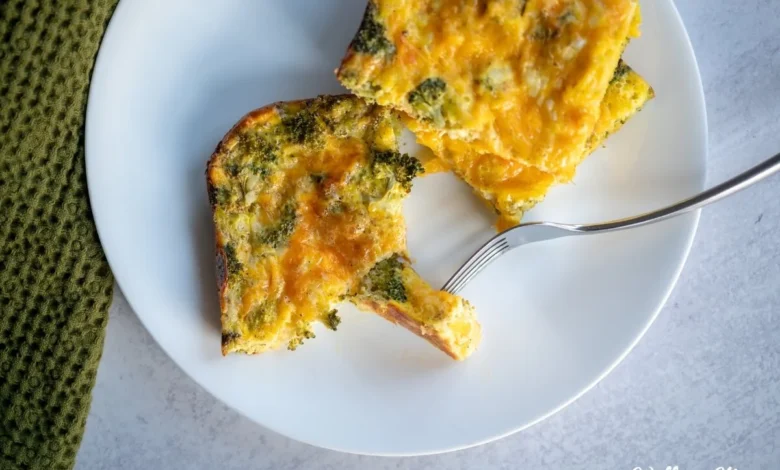
The evolution of household dietary management has increasingly shifted toward "meal prepping"—a practice defined by the preparation of entire meals in advance to optimize time and nutritional consistency. Among the most popular iterations of this trend is the egg-based casserole, specifically the broccoli cheddar egg bake. This dish has gained significant traction in culinary and health-conscious circles due to its high protein density, ease of preparation, and compatibility with various dietary restrictions, including gluten-free protocols. As professional kitchens and home cooks alike look for ways to balance the demands of a high-paced morning routine with the physiological need for nutrient-dense fuel, this specific configuration of eggs, cheese, and cruciferous vegetables has become a cornerstone of efficient breakfast planning.
The Nutritional Mechanics of High-Protein Breakfasts
The efficacy of a breakfast casserole lies in its macronutrient distribution. Nutritionists have long advocated for a high-protein start to the day to regulate blood glucose levels and promote satiety. The incorporation of eggs, which provide approximately six grams of high-quality protein per large egg, acts as the foundational structure for this dish. When integrated with cottage cheese—a staple ingredient in the broccoli cheddar variant—the protein yield is significantly bolstered.
Data indicates that a single serving of a well-balanced broccoli cheddar egg bake can provide upwards of 30 grams of protein. This quantity is particularly relevant for muscle protein synthesis and metabolic regulation. By substituting heavy cream with cottage cheese, the recipe achieves a creamy, emulsified texture while simultaneously reducing the caloric density associated with traditional saturated fats, effectively shifting the nutrient profile toward a more balanced, macro-friendly composition.
Chronology of the Breakfast Casserole Trend
The origins of the egg casserole can be traced back to the mid-20th-century development of the "strata" and the "frittata," which were designed to minimize food waste by utilizing leftover vegetables and dairy. However, the contemporary iteration of the broccoli cheddar bake—characterized by its emphasis on meal-prepping for weekly consumption—emerged prominently in the early 2010s.
During this period, social media platforms and digital wellness journals began documenting the "batch cooking" phenomenon. This shift was largely driven by a demographic of working professionals and parents seeking to reclaim time in the mornings. The timeline of this trend follows the broader societal move toward preventative health:
- 2010–2014: The rise of "clean eating" blogs, where the focus shifted from simple recipes to nutrient-dense, high-protein, "prep-ahead" meals.
- 2015–2019: The normalization of meal-prep culture, with increased interest in utilizing appliances like ovens and air fryers to streamline the process.
- 2020–Present: The post-pandemic surge in home cooking, where the demand for efficient, "dump-and-go" recipes reached an all-time high as remote work arrangements blurred the lines between home life and professional schedules.
Ingredient Composition and Culinary Science
The structural integrity of an egg bake relies on the coagulation of egg proteins during the thermal process. When eggs are whisked—specifically when blended with a stabilizing agent like cottage cheese—the proteins form a matrix that traps air, resulting in a light, fluffy, yet firm consistency.
Broccoli, the primary vegetable component, serves two purposes: structural support and micronutrient contribution. Broccoli is a member of the Brassicaceae family, rich in sulforaphane, fiber, and vitamins C and K. When baked within the egg matrix, the broccoli retains its fiber content while the high moisture content of the eggs prevents the vegetable from becoming desiccated. Cheddar cheese, meanwhile, provides the necessary fat-soluble flavor profile and acts as a binder, ensuring the finished product maintains a cohesive structure when sliced.
From a culinary science perspective, the resting period post-baking is critical. As the casserole cools, the internal structure continues to set as the fats solidify and the protein matrix stabilizes. This "carry-over" setting process is what allows for the neat, uniform portions required for effective meal planning.
Supporting Data and Dietary Implications
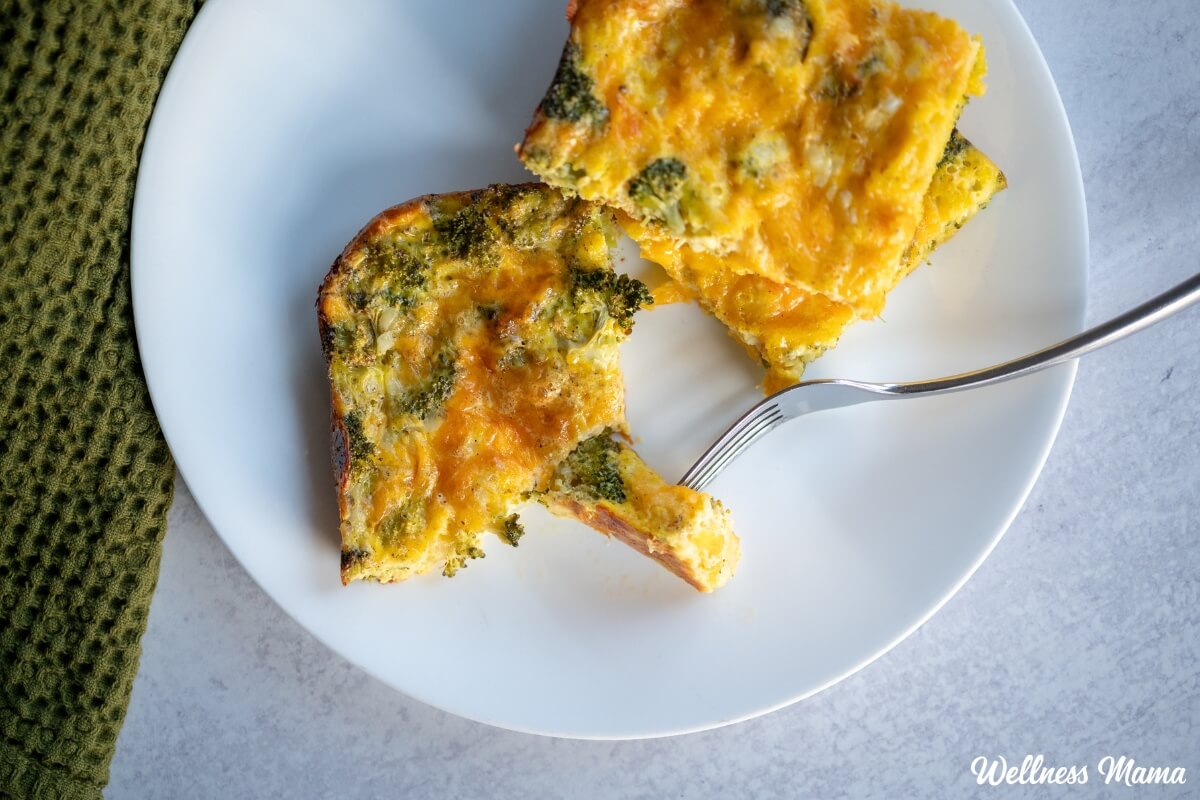
A comparative analysis of breakfast consumption patterns suggests that individuals who consume a protein-forward breakfast, such as an egg-based casserole, exhibit reduced "grazing" behaviors throughout the morning. The following table summarizes the nutrient profile per serving of a standard broccoli cheddar egg bake (based on an 8-serving yield):
| Nutrient | Amount per Serving | % Daily Value* |
|---|---|---|
| Calories | 383 kcal | 19% |
| Total Fat | 26g | 40% |
| Protein | 30g | 60% |
| Carbohydrates | 7g | 2% |
| Sodium | 889mg | 39% |
*Values based on a 2,000-calorie diet.
The data confirms that the dish is particularly effective for those following low-carbohydrate or ketogenic dietary patterns. With only 7 grams of carbohydrates and a high protein-to-fat ratio, it provides a stable energy source that minimizes the glycemic spikes typically associated with carbohydrate-heavy breakfasts like cereal or toast.
Official Responses and Public Sentiment
Culinary experts and nutritionists have largely endorsed the movement toward savory breakfast casseroles. Dr. Elena Vance, a nutritionist focusing on metabolic health, notes: "The shift away from sugar-heavy breakfasts is one of the most positive trends we’ve seen in public health. Dishes like the broccoli cheddar egg bake encourage the consumption of whole foods. By combining eggs with vegetables, you are effectively front-loading your fiber and protein intake, which sets a metabolic tone for the rest of the day."
Public sentiment, as reflected in digital culinary forums and recipe-tracking platforms, suggests that the primary appeal is not just the nutrition, but the "forgiveness" of the recipe. Unlike delicate pastries or soufflés, an egg bake is statistically unlikely to fail, even with minor variations in oven temperature or ingredient ratios. This reliability has made it a staple in household management, reducing the mental load associated with morning decisions.
Broader Impact and Future Outlook
The popularity of the broccoli cheddar egg bake is indicative of a broader shift in consumer behavior: the professionalization of the home kitchen. As technology makes it easier to track nutritional data, consumers are increasingly viewing their food through a lens of utility.
The implications of this trend are significant for the food industry. There is a growing market for pre-portioned, high-protein, "ready-to-bake" kits that mimic the simplicity of the home-prepared casserole. Furthermore, as sustainability becomes a more pressing concern, the emphasis on using frozen produce—such as frozen broccoli—reduces food waste, as these items have a longer shelf life and are less susceptible to spoilage than fresh alternatives.
Moreover, the versatility of the egg bake suggests it will remain a staple in modern households for years to come. Whether served as a standalone breakfast, a component of a brunch spread, or a quick lunch, the recipe represents a synthesis of convenience, nutrition, and cost-effectiveness. As more families seek to reconcile busy schedules with the desire for health-conscious living, the egg bake remains an essential, evidence-based solution to the daily question of how to fuel the body efficiently.
In conclusion, the broccoli cheddar egg bake is more than a simple breakfast recipe; it is a strategic tool for time management and physiological wellness. By leveraging the protein density of eggs and cottage cheese, combined with the fiber-rich profile of broccoli, home cooks can produce a reliable, nutrient-dense meal that sustains energy levels throughout the morning. As the practice of meal prepping continues to evolve, this dish stands as a testament to the fact that high-quality nutrition does not necessarily require hours of intensive labor—only a systematic approach to ingredients and preparation.
Related posts: