Navigating the Intersection of GLP-1 Medications and Intimate Relationships: A Guide for Women Living with Diabetes

The rapid rise of Glucagon-Like Peptide-1 (GLP-1) receptor agonists, such as semaglutide and tirzepatide, has fundamentally altered the clinical landscape for diabetes management and obesity treatment. While these medications are lauded for their efficacy in glycemic control and significant weight reduction, their emergence has introduced a secondary, less-discussed set of challenges for patients: the psychological and relational impact of rapid physiological change. As women living with diabetes navigate the transformative effects of these treatments, the ripple effects on body image, sexual health, and interpersonal intimacy have become an essential focal point for healthcare providers and patient advocacy groups alike.
The Clinical Context of the GLP-1 Revolution
The introduction of GLP-1 medications has been one of the most significant pharmaceutical breakthroughs in metabolic health in the last two decades. Originally developed to treat Type 2 diabetes by mimicking the incretin hormones that stimulate insulin secretion, these drugs have demonstrated a profound ability to induce weight loss by slowing gastric emptying and signaling satiety to the brain.
According to data from the American Diabetes Association (ADA), the clinical impact of these medications is substantial. Clinical trials, such as the STEP (Semaglutide Treatment Effect in People with obesity) series, have consistently shown that participants taking once-weekly GLP-1 agonists achieved significantly greater weight loss compared to placebo groups. However, the medical community is now shifting its focus from purely biological outcomes to the "patient-reported outcomes" (PROs) that include quality of life, mental health, and social functioning.
A Chronology of Changing Needs
The shift in how we approach diabetes care has evolved through three distinct phases:
- The Biological Phase (Early 2000s–2015): Research was almost exclusively focused on HbA1c reduction and cardiovascular safety profiles. Emotional and sexual side effects were largely considered peripheral or unrelated to metabolic treatment.
- The Lifestyle Integration Phase (2016–2021): As weight management became a core pillar of diabetes care, discussions began to emerge regarding how weight loss affects self-esteem and the psychological burden of living with a chronic condition.
- The Holistic Wellness Phase (2022–Present): With the mass adoption of GLP-1s, patients are reporting complex emotional shifts. Organizations like DiabetesSisters have stepped into this space, recognizing that clinical success does not automatically translate to emotional fulfillment, especially regarding intimate relationships.
The Psychological Impact of Metabolic Transformation
The physical changes brought about by GLP-1s can be rapid and disorienting. When a woman undergoes significant weight loss, the psychological adjustment period often lags behind the physical reality. This phenomenon, sometimes referred to as "identity transition," can lead to feelings of vulnerability, anxiety, or even social withdrawal.
Janis Roszler, PhD, LMFT, RDN, LDN, CDCES, FAND, a leading expert in the intersection of diabetes and mental health, notes that the changes in appetite and body composition can disrupt long-standing relational dynamics. For women, these changes may influence sexual desire—an area already frequently affected by the neuropathy and vascular complications associated with diabetes. When these physiological factors are compounded by shifting body confidence and a changing relationship with food, the impact on intimacy can be profound.
Supporting Data and Patient-Reported Observations
Research published in the Journal of Women’s Health suggests that individuals with diabetes are twice as likely to experience sexual dysfunction compared to the general population. While GLP-1s may improve metabolic markers that contribute to this dysfunction, the sudden alteration in body image can create a new barrier to intimacy.
Surveys conducted within the diabetes patient community indicate that:
- Approximately 40% of patients report that their partner’s perception of them has changed alongside their weight loss.
- A significant subset of patients report that the "food-focused" nature of many dates or social outings becomes a source of tension when one partner is on a restrictive GLP-1 regimen.
- Communication barriers often arise when partners are not fully informed about the emotional and physical side effects of the medication, such as nausea or fatigue.
Navigating Intimacy: Expert Recommendations
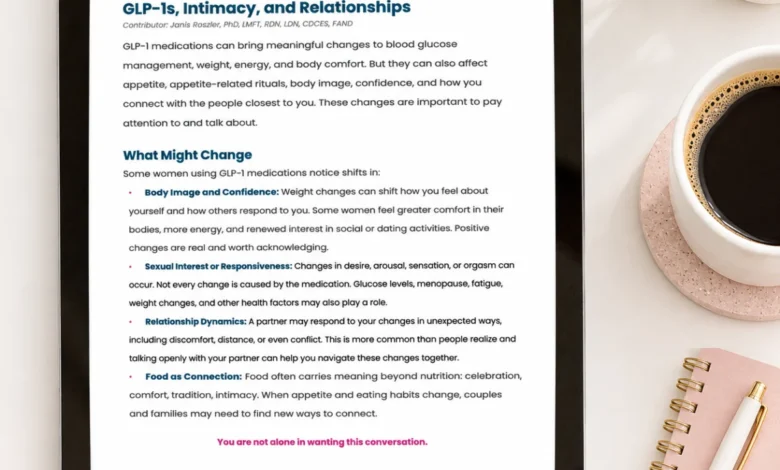
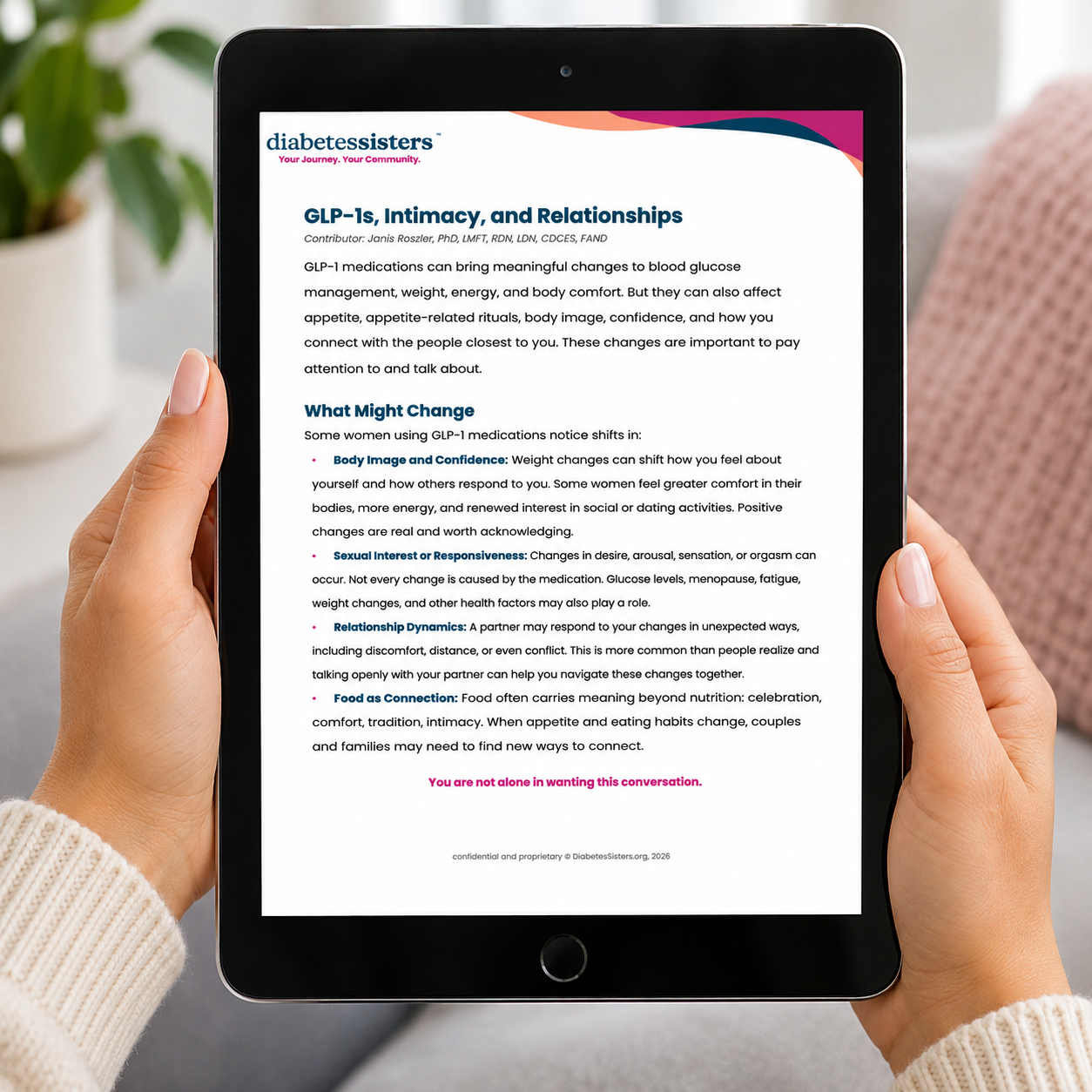
To address these challenges, experts emphasize the necessity of open communication. The handout produced by Dr. Roszler serves as a practical manual for these difficult conversations. The strategies recommended include:
- Proactive Communication: Initiating conversations with partners about the "why" behind the medication, explaining not just the weight loss but the health improvements that the medication facilitates.
- Redefining Intimacy: Moving the focus of relational connection away from food-centric activities, which may be difficult for someone on a GLP-1, toward activities that foster emotional bonding.
- Body Image Re-adjustment: Engaging in therapy or support groups to address the psychological disconnect that often occurs during rapid physical changes.
- Sexual Health Advocacy: Encouraging patients to speak with their healthcare providers about sexual health without shame, as these symptoms are medical, not character flaws.
Broader Implications for Healthcare Delivery
The medical community is currently debating how to better integrate behavioral health support into the prescription process for GLP-1s. If a patient is prescribed a powerful metabolic tool that alters their internal and external state, the standard of care should arguably include resources for navigating the resulting social and intimate changes.
"The medical field has spent years perfecting the dosage of the medicine," says a spokesperson from a major diabetes health organization. "Now, we must dedicate equal time to the human experience of taking it. The medication helps you lose the weight, but it doesn’t automatically teach you how to navigate the new version of yourself in a long-term relationship."
The Role of Educational Resources
Educational materials, such as the free handout offered by DiabetesSisters, fill a critical void in the current healthcare ecosystem. By providing conversation starters and practical strategies, these resources empower women to take control of their relational health. These documents often serve as a bridge, giving patients the vocabulary to explain complex feelings to partners who may not fully understand the daily realities of managing a condition like diabetes.
Conclusion: A Holistic View of Health
As the use of GLP-1 medications continues to expand, the definition of "success" in diabetes management must broaden. It is no longer sufficient for a patient to achieve a target HbA1c or a specific body mass index. True clinical success involves the ability to maintain health while sustaining the relationships and emotional well-being that define a high quality of life.
The intersection of GLP-1 usage and intimacy is a sensitive, nuanced, and vital area of study. By fostering open dialogues and providing evidence-based resources, the medical community can ensure that patients are not just living longer, but living more fully connected lives. As women continue to use these medical interventions to improve their physical health, the concurrent focus on emotional and relational health remains a necessary—and often overlooked—component of comprehensive diabetes care.
For those currently navigating these transitions, accessing curated, expert-led guidance is a proactive step toward maintaining the stability and intimacy of their personal lives. Whether through clinical counseling or educational outreach, the goal remains the same: ensuring that every patient has the tools to thrive in every aspect of their existence, both in and out of the doctor’s office.