Reinventing Comfort Food: How the Shepherd’s Pie with Cauliflower Crust is Redefining Healthy Family Dinners

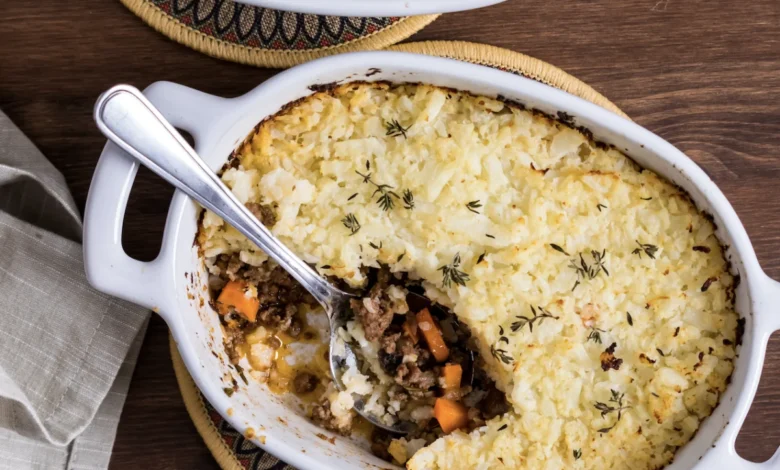
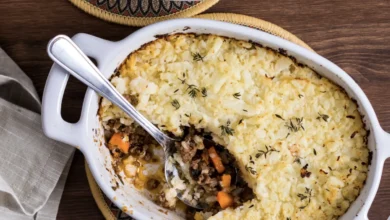
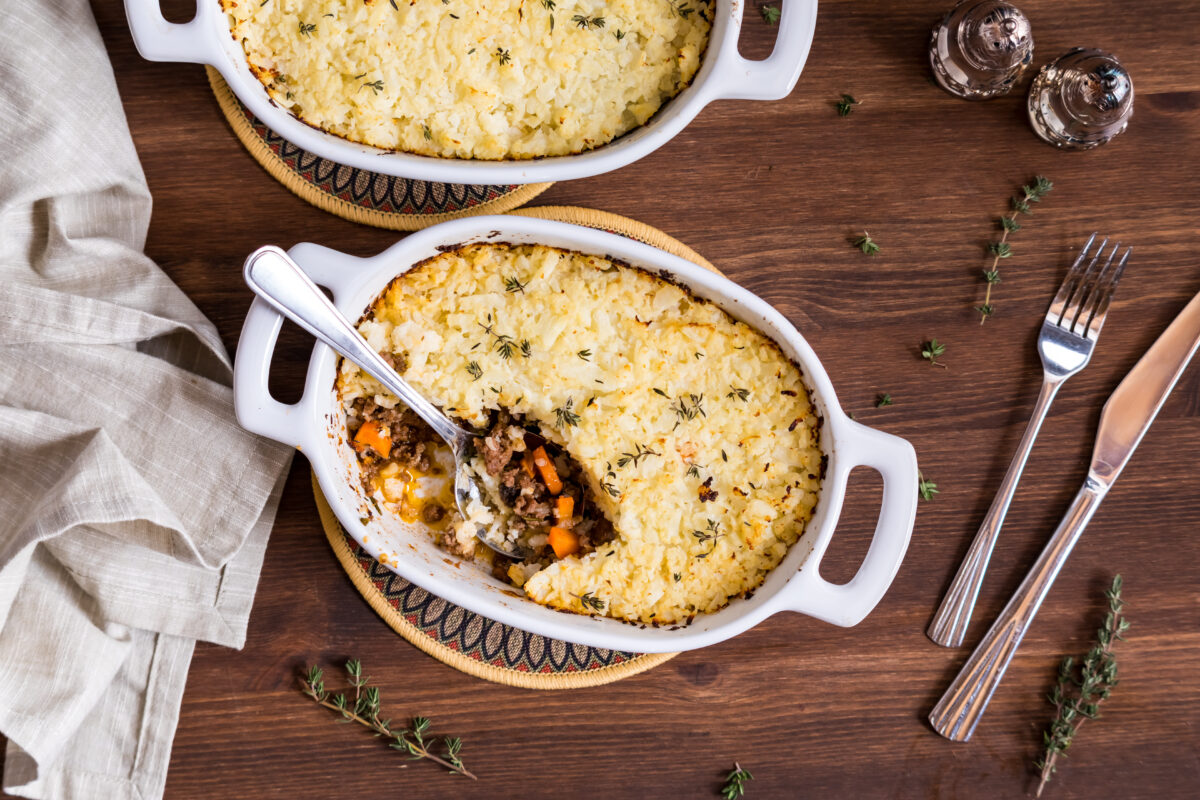
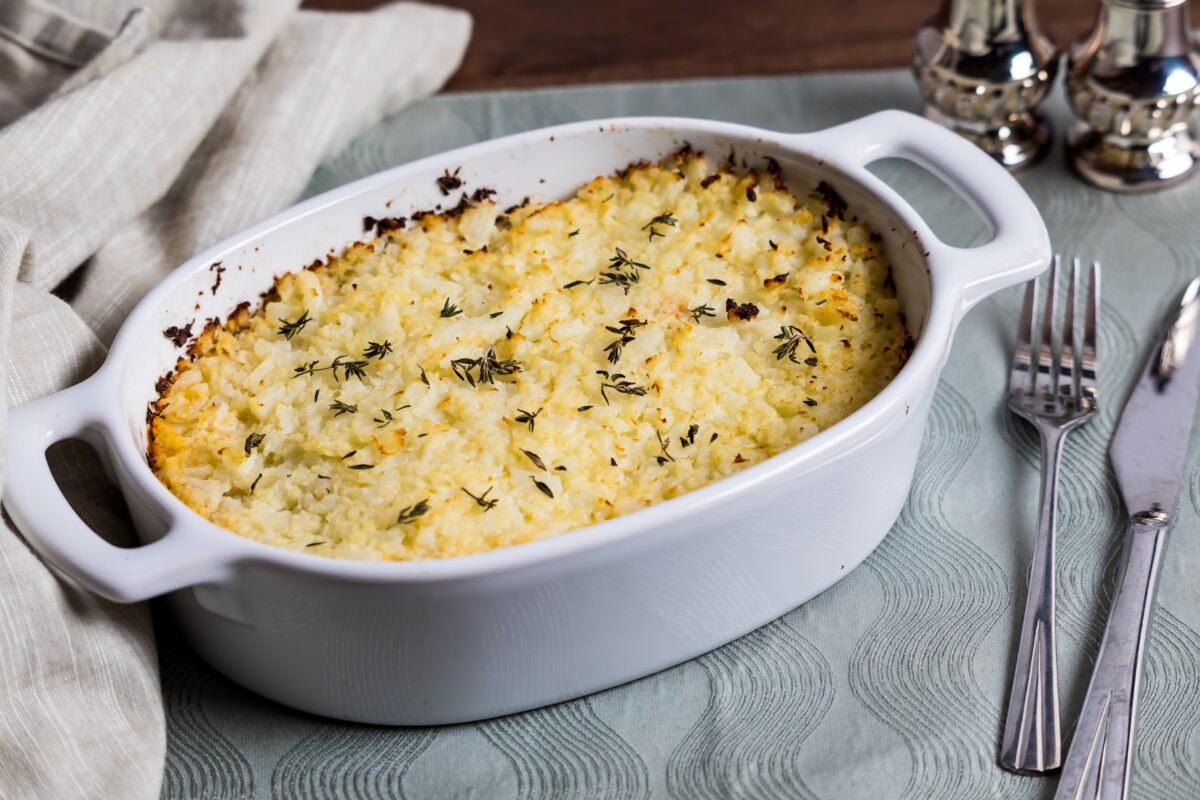
The culinary landscape of traditional comfort food is undergoing a quiet yet significant transformation as home cooks and professional nutritionists alike seek out nutrient-dense alternatives to heavy carbohydrate staples. Among the latest iterations capturing mainstream attention is the Shepherd’s Pie with Cauliflower Crust, a modern adaptation that swaps traditional mashed potatoes for a creamy, low-carbohydrate vegetable mash while maintaining the rich, savory meat and vegetable foundation characteristic of the classic dish.
This culinary evolution reflects a broader movement within contemporary home cooking toward functional nutrition, where family-friendly meals are designed to deliver enhanced protein, fiber, and micronutrients without sacrificing the comforting textures and flavors associated with traditional home-cooked dinners.
Origins and Evolution of a Comfort Food Classic
To understand the appeal of the cauliflower-topped variation, it is necessary to examine the origins of the dish itself. Historically, shepherd’s pie originated in the rural kitchens of Ireland, Scotland, and Northern England during the late 18th and early 19th centuries. Conceived as an economical way to utilize leftover roasted meats, the dish traditionally featured minced lamb or mutton combined with root vegetables such as carrots, onions, and peas, all encased in a thick, savory gravy and capped with a layer of mashed potatoes.
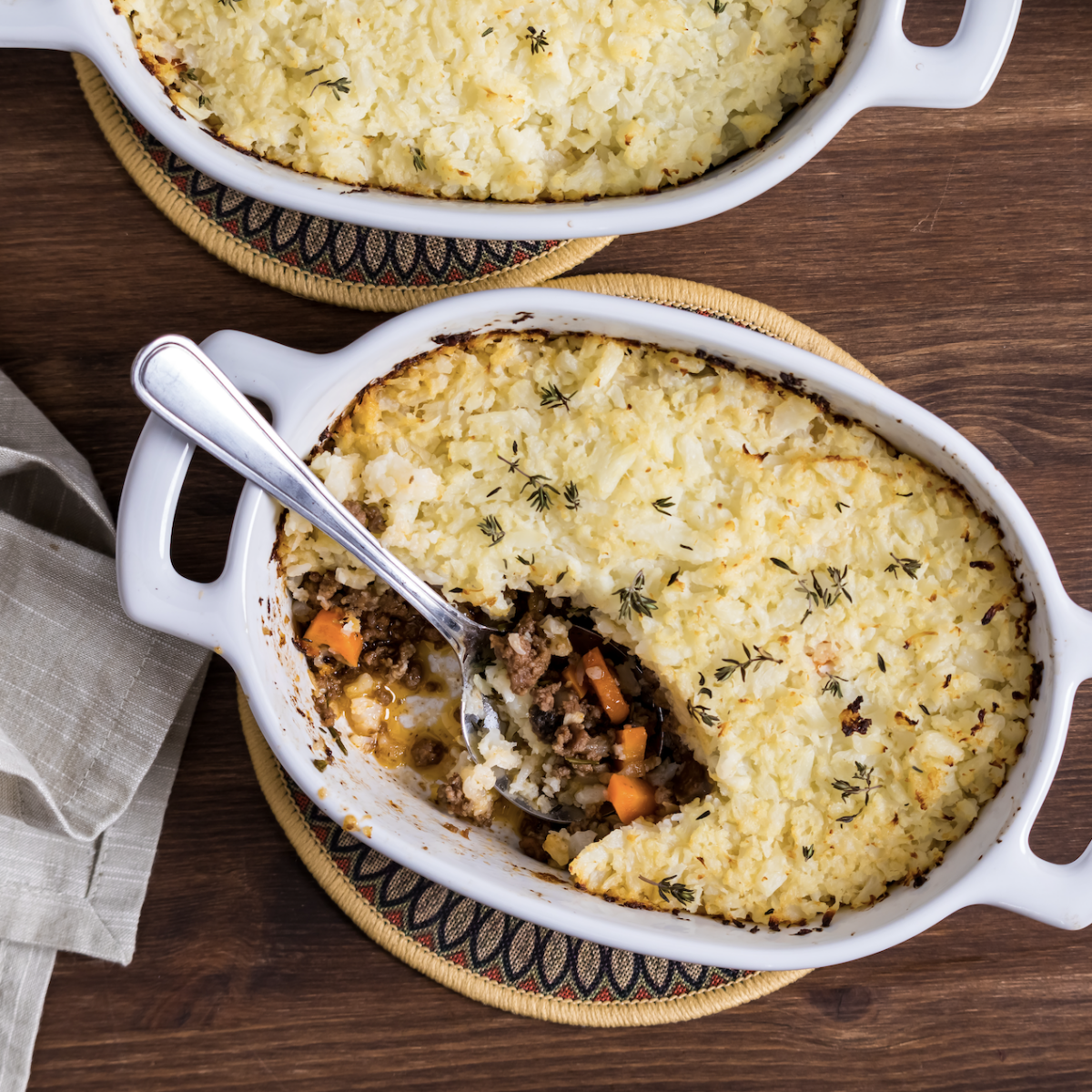
Over time, regional variations emerged. When minced beef replaced lamb, the preparation technically earned the designation of cottage pie, though the terms have become largely interchangeable in modern culinary vernacular. Regardless of the meat used, the potato crust has long remained a dietary staple rich in complex carbohydrates.
In recent years, however, shifting dietary preferences toward lower glycemic indices, reduced carbohydrate intake, and increased vegetable consumption have spurred culinary innovation. The integration of cauliflower—a cruciferous vegetable celebrated for its high levels of vitamin C, vitamin K, folate, and antioxidants—as a substitute for potatoes represents a convergence of traditional comfort and modern nutritional science.
Nutritional Profile and Dietary Implications
Nutritional analysts and culinary experts point out that the substitution of cauliflower for potatoes drastically alters the macronutrient profile of the meal. Traditional potato crusts contribute a high volume of starchy carbohydrates, which, while energy-dense, may not align with the dietary goals of individuals managing blood sugar levels or seeking caloric reduction.
By contrast, cauliflower contains a fraction of the carbohydrates found in potatoes, making this modernized shepherd’s pie an appealing option for those adhering to ketogenic, low-carb, or diabetic-friendly eating plans. Furthermore, the incorporation of secondary ingredients into the cauliflower mash—such as Greek yogurt and Parmesan cheese—introduces valuable elements of dairy protein and calcium. Greek yogurt provides a creamy texture and a subtle tang while boosting the protein content per serving, whereas aged cheeses like Parmesan impart depth of flavor, reducing the need for excessive sodium.
Dietitians frequently endorse such culinary substitutions as a sustainable strategy for increasing daily vegetable intake. Because the cauliflower is blended smoothly into a familiar format, it bypasses common psychological and sensory barriers that consumers, particularly children, may have toward cruciferous vegetables.
Technical Challenges in Preparation and Moisture Control
Despite its nutritional advantages, substituting cauliflower for potatoes introduces specific culinary challenges that home cooks must navigate. Unlike potatoes, which possess a high starch content that naturally binds and absorbs liquid, cauliflower is composed of approximately 92 percent water. If not properly managed, this high moisture content can compromise the structural integrity of the dish, resulting in a watery casserole that fails to hold its shape upon serving.
Culinary professionals recommend a meticulous multi-step preparation process to mitigate this issue. After boiling or steaming the cauliflower until tender, thorough draining is the critical first step. To eliminate residual moisture, experienced cooks often return the drained vegetable to a warm pot over low heat for one to two minutes, allowing excess water to evaporate through steam.
Alternative methods include utilizing a clean kitchen towel or cheesecloth to manually wring out excess liquid from steamed cauliflower or cauliflower rice. Ensuring the meat and vegetable filling is adequately thickened with natural starches or reductions prior to assembly further prevents the bottom layers from bleeding moisture into the crust.
Meal Preparation, Storage, and Convenience Factors
Beyond its nutritional merits, the modernized shepherd’s pie has gained traction in contemporary households due to its adaptability to modern scheduling demands. With time constraints frequently cited as a barrier to preparing home-cooked meals during busy work weeks, casserole-style dishes that accommodate advance preparation have become increasingly popular.
The assembled pie can be prepared up to 24 hours in advance, covered tightly, and stored in the refrigerator until baking time. Furthermore, the dish is well-suited for batch cooking and freezing, aligning with the growing consumer interest in freezer-friendly meal prep. While freezing mashed cauliflower requires careful handling—as freezing and thawing can occasionally cause vegetables to release additional moisture—properly cooled and sealed portions maintain their structural and sensory quality for up to three months.
Reheating can be accomplished efficiently via conventional ovens or microwaves, making the dish a practical solution for institutional meal planning, working parents, and individuals seeking portion-controlled dining options.
Broader Impact on Modern Food Culture
The popularity of the Shepherd’s Pie with Cauliflower Crust is indicative of a broader cultural shift in how society approaches traditional recipes. Rather than viewing heritage dishes as static culinary artifacts, modern home cooks and recipe developers increasingly treat them as flexible frameworks capable of evolving alongside contemporary health guidelines and dietary needs.
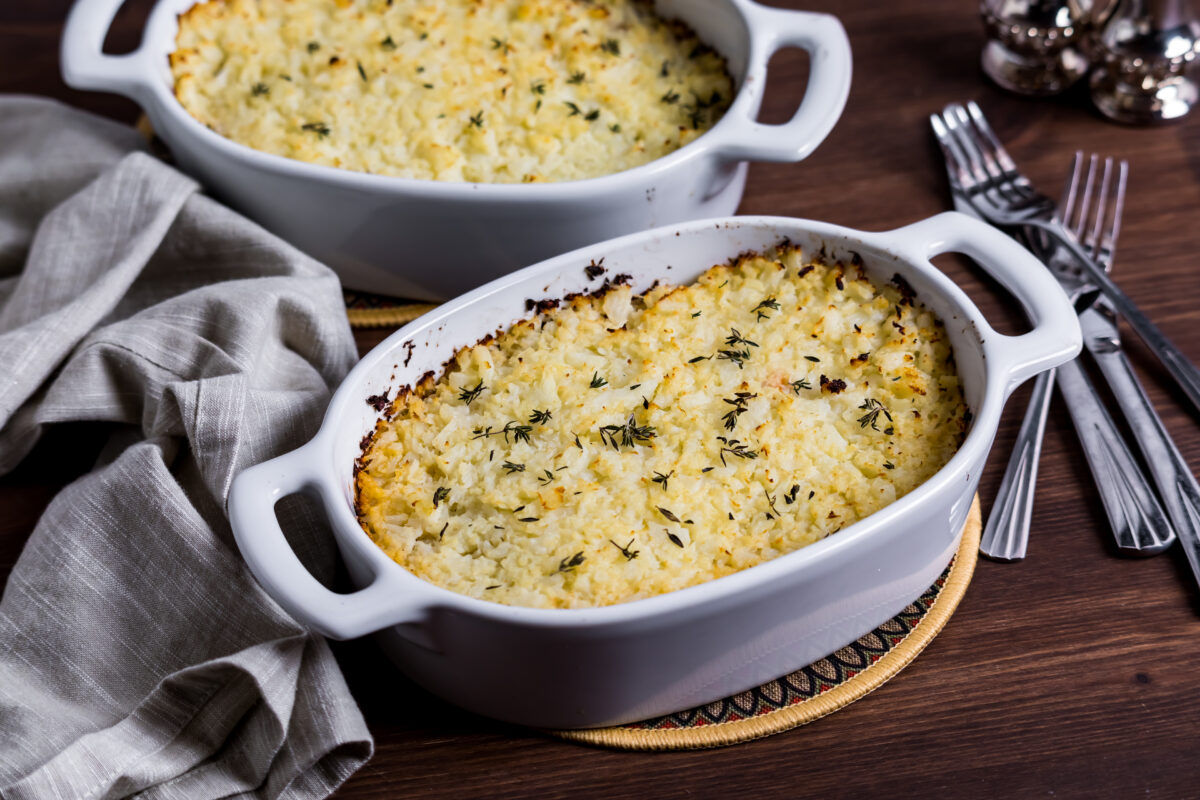
As food scientists and culinary artists continue to explore ways to enhance the nutritional density of everyday meals, the intersection of comfort food and health-conscious ingredients is expected to expand further. The success of this low-carb casserole demonstrates that consumer demand for meals that are simultaneously comforting, nutritious, and accessible will continue to drive innovation in the modern kitchen.