The Ultimate 4-Week Healthy Meal Prep Guide for Busy Moms: Simple Recipes, Grocery Lists, and Step-by-Step Game Plans


In the modern household, the invisible labor of caregiving frequently falls disproportionately on mothers, creating a systemic cycle of self-neglect that often begins in the kitchen. Recent public health and nutritional studies consistently highlight a pervasive trend: while mothers meticulously plan, purchase, and prepare nutrient-dense meals for their partners and children, their own nutritional needs are routinely sidelined. It is a familiar narrative of domestic fatigue—skipping breakfast entirely, eating standing up while multitasking, or surviving on the remnants of children’s meals, such as leftover peanut butter and jelly crusts or abandoned bowls of processed snacks.
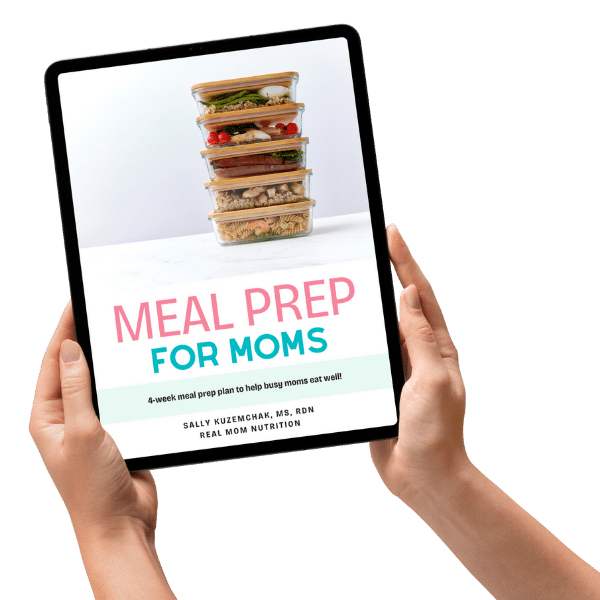
Recognizing the urgent need to address maternal burnout and nutritional depletion, culinary and family nutrition advocates have introduced a comprehensive intervention strategy. Designed specifically to alleviate the cognitive and physical load of daily cooking, the newly released four-week "Meal Prep for Moms" guide offers a structural framework aimed at transforming how busy caregivers approach nutrition. Rather than demanding exhaustive, time-consuming culinary projects that mirror professional meal-prep services, this pragmatic initiative focuses on high-yield meal staples, strategic batch cooking, and intentional self-care.
The Psychology of Maternal Self-Neglect and Nutritional Depletion
To understand the necessity of a structured meal preparation plan for mothers, one must examine the broader socioeconomic and psychological landscape of modern parenting. Sociological research into domestic labor indicates that mothers experience high levels of decision fatigue. By the time a mother has managed morning routines, school drop-offs, professional obligations, and household management, the mental energy required to conceive, shop for, and prepare a balanced meal for herself is entirely depleted.

Nutritionists emphasize that chronic maternal self-neglect carries significant physiological consequences. Irregular eating patterns, reliance on refined carbohydrates, and inadequate protein intake frequently lead to energy crashes, mood instability, impaired immune function, and long-term metabolic health issues. Furthermore, children internalize the behaviors modeled by their primary caregivers. When children observe adults consistently ignoring their own physical needs or treating food merely as an afterthought, it reinforces unhealthy relationships with nourishment.
The underlying premise of the four-week meal prep initiative is deceptively simple: prioritizing maternal nourishment is not an act of self-indulgence, but a foundational requirement for sustainable family management. By integrating elements into the weekly routine that are designated exclusively for the mother—such as grab-and-go snacks, satisfying breakfast components, and versatile proteins—caregivers can stabilize their energy levels and reclaim a sense of personal agency within the domestic sphere.
Anatomy of the Four-Week Strategy: Philosophy and Methodology
The newly developed plan breaks away from the rigid, all-or-nothing mentality that characterizes many commercial diet programs. Instead, it embraces a flexible, modular approach divided across four distinct weekly cycles. Each week is curated to minimize time spent in the kitchen while maximizing nutritional density, flavor, and convenience.
The structural blueprint for each week includes:
- Targeted Recipes: Specifically designed dishes that require minimal active cooking time, feature accessible ingredients, and taste exceptional either fresh or reheated.
- Strategic Game Plans: Chronological step-by-step instructions that teach efficient kitchen multitasking, such as roasting vegetables while grains simmer.
- Storage and Reheating Protocols: Explicit guidelines on food safety, optimal container types, and methods to preserve texture and flavor over several days.
- Categorized Grocery Lists: Organized strictly by supermarket departments (produce, pantry, and refrigerated goods) to streamline shopping trips and reduce impulse purchases.
Crucially, the program does not require participants to prep an entire week’s worth of breakfast, lunch, and dinner. Culinary experts note that such comprehensive pre-cooking is often unsustainable for parents juggling full-time careers and childcare. Instead, the initiative champions the "few-go-to-items" philosophy. Having just three or four nourishing components ready in the refrigerator—such as a batch of roasted proteins, a versatile dressing, or grab-and-go breakfast oats—can fundamentally alter the trajectory of a hectic day.
Week-by-Week Breakdown: From Morning Fuel to Evening Efficiency
The four-week curriculum is strategically sequenced to build confidence and culinary momentum, introducing progressively varied flavor profiles and cooking techniques.
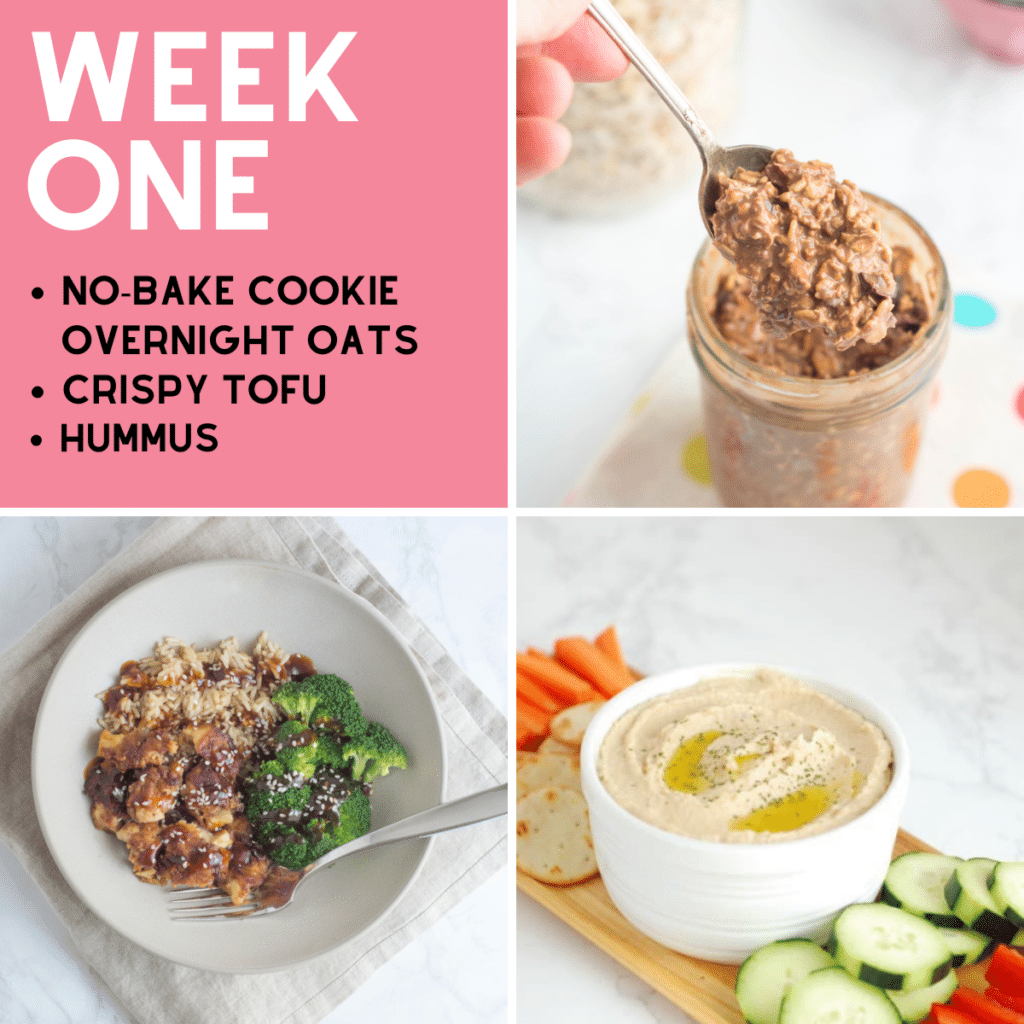
Week 1: Establishing the Foundation
The first week focuses on introducing comforting, nutrient-dense breakfast options and versatile plant-based proteins that can anchor multiple meals throughout the week.
- Featured Recipes: No-Bake Cookie Overnight Oats, Crispy Tofu, and House-Made Hummus.
- The Game Plan: Week 1 begins with a straightforward prep session where the overnight oats are jarred for instant morning access, the tofu is pressed and baked to achieve optimal crispness, and the hummus is blended for effortless snacking alongside fresh vegetables or whole-grain crackers.
- Nutritional Focus: High fiber, plant-based proteins, and healthy fats designed to sustain energy through chaotic morning routines.
Week 2: Elevating Protein Intake and Comfort Foods
Week 2 pivots toward satisfying savory proteins and nutrient-dense treats that satisfy afternoon cravings without triggering blood sugar spikes.
- Featured Recipes: Protein Waffles, Shredded Chicken, and Freezer Fudge Bites.
- The Game Plan: The workflow highlights batch-cooking poultry—an essential kitchen hack that provides pre-cooked protein for quick salads, wraps, or grain bowls—alongside freezer-friendly waffles that can be toasted directly from frozen. The fudge bites provide a nutrient-dense, chocolate-forward option utilizing wholesome ingredients like cocoa and nut butter.
- Nutritional Focus: Lean animal protein, complex carbohydrates, and magnesium-rich treats to combat midday fatigue.
Week 3: Expanding Variety and Textural Contrast
Building on the habits formed in the first two weeks, Week 3 introduces more dynamic flavor combinations to prevent kitchen fatigue.
- Featured Recipes: Focused on assembling portable, balanced meals and snacks that withstand refrigeration without losing structural integrity or taste.
- The Game Plan: Efficient utilization of kitchen appliances, simultaneous baking and blending, and smart storage solutions to maximize refrigerator space.
- Nutritional Focus: Micronutrient diversity through colorful produce and sustained-release carbohydrates.
Week 4: Streamlining Dips, Dressings, and Dinners
The final week of the foundational program emphasizes condiments and flavor enhancers that can instantly elevate hastily assembled meals.
- Featured Recipes: Healthy Granola, Seasoned Taco Meat, and Creamy Balsamic Dressing.
- The Game Plan: Week 4 demonstrates how a superior homemade dressing or a versatile taco meat base can turn basic pantry staples and leftover vegetables into a cohesive, restaurant-quality meal in under ten minutes.
- Nutritional Focus: Healthy fats from quality oils, antioxidant-rich seeds and nuts in the granola, and iron-rich proteins.
Implementation and Accessibility: The Digital Resource Model
To ensure maximum accessibility for busy caregivers operating on tight schedules, the creators of the initiative have released the entire program alongside a downloadable digital companion. The complimentary PDF resource compiles all four weekly guides, complete with clickable grocery lists, high-resolution photography, and detailed storage instructions.
Industry analysts observe that the shift toward downloadable, mobile-friendly nutritional resources reflects a broader democratization of wellness content. By removing financial barriers and complex subscription models, health advocates can reach a wider demographic of parents who might otherwise lack access to private nutritional coaching or specialized meal-planning services.

Furthermore, public health advocates stress the importance of psychological flexibility in adopting these routines. The overarching message accompanying the release emphasizes that perfection is not the objective. Whether a participant chooses to execute all four weeks sequentially, rotates their favorite recipes indefinitely, or adopts just a single strategy per week, the ultimate metric of success is the cultivation of self-compassion.
Broader Implications for Family Health and Domestic Equity
The introduction of targeted maternal nutrition programs carries significant implications for public health and family dynamics. When mothers are adequately nourished, the physiological impacts ripple outward. Reduced caregiver burnout correlates directly with improved emotional regulation, enhanced patience, and a more positive home environment.
Moreover, framing meal preparation as an act of self-care rather than a domestic obligation helps dismantle outdated gender norms surrounding kitchen labor. Historically, culinary content aimed at women has focused almost exclusively on pleasing husbands and children, reinforcing the notion that a mother’s culinary output should be entirely selfless. By carving out physical and mental space for maternal preferences within the family menu, initiatives like the "Meal Prep for Moms" plan signal a cultural shift toward recognizing caregivers as individuals with valid, independent nutritional needs.
As communities continue to grapple with the fast-paced demands of contemporary life, structural tools that simplify domestic labor while promoting personal health will remain vital. By providing a clear, evidence-based roadmap rooted in empathy and practical execution, this four-week initiative offers a sustainable pathway toward better health for mothers and, by extension, the families they nurture.