Essential Black History Month Books for Preschool and Early Childhood Education

Early childhood educators and developmental psychologists are increasingly emphasizing the critical role of diverse literature in the formative years of children aged three to five. As the United States observes Black History Month, the selection of classroom materials has moved beyond mere supplementary reading to become a cornerstone of inclusive pedagogy. Research indicates that the books children encounter in preschool serve as either "mirrors," reflecting their own identities, or "windows," offering a view into the lives of others. For children in diverse urban environments, these books validate their daily lived experiences, while for those in more homogenous rural settings, they provide essential exposure to the broader American tapestry.
The Developmental Significance of Representation in Early Literacy
The inclusion of Black History Month literature in preschool curricula is supported by significant data regarding child development and social-emotional learning. According to the Cooperative Children’s Book Center (CCBC) at the University of Wisconsin-Madison, which has tracked diversity in children’s literature since 1985, there has been a documented increase in books by and about Black creators. However, as of recent reporting cycles, books featuring BIPOC (Black, Indigenous, and People of Color) characters still lag behind those featuring white characters or even animals.
Educational experts argue that when Black children see characters who mirror their physical appearance and family structures, it reinforces a sense of belonging and self-worth. Conversely, when children of other backgrounds engage with these stories, they develop cognitive empathy and a foundational understanding of fairness and justice. The National Association for the Education of Young Children (NAEYC) maintains that addressing race and diversity in the classroom helps prevent the formation of implicit biases, which can begin to take root as early as age three.

Historical Evolution of Black Narratives in Children’s Media
The tradition of celebrating Black history in educational settings traces back to Dr. Carter G. Woodson, who established Negro History Week in 1926. Over the decades, the focus has evolved from a narrow look at the tragedies of the past to a comprehensive celebration of achievement, resilience, and "everyday joy."
In the mid-20th century, children’s books featuring Black characters were often limited to stereotypical portrayals or were entirely absent from mainstream publishing. The 1960s and 70s saw a shift toward biographical accounts of Civil Rights leaders. Today, the landscape has expanded to include "own voices" narratives—stories written by Black authors that capture the nuance of the Black experience, ranging from historical milestones to modern-day domestic life.

Biographical Foundations: Introducing Historical Figures to Young Learners
For the preschool demographic, complex historical events must be translated into themes of courage, perseverance, and fairness. Educators utilize specific titles to introduce real-world heroes through accessible language and vibrant illustrations.
Stand Up! by Brittney Cooper serves as a primary resource for introducing the concept of activism. The book profiles ten influential women, spanning from historical figures like Ruby Bridges and Rosa Parks to modern activists such as Bree Newsome. By focusing on the "power of the voice," the narrative allows preschoolers to understand that standing up for what is right is a universal virtue.

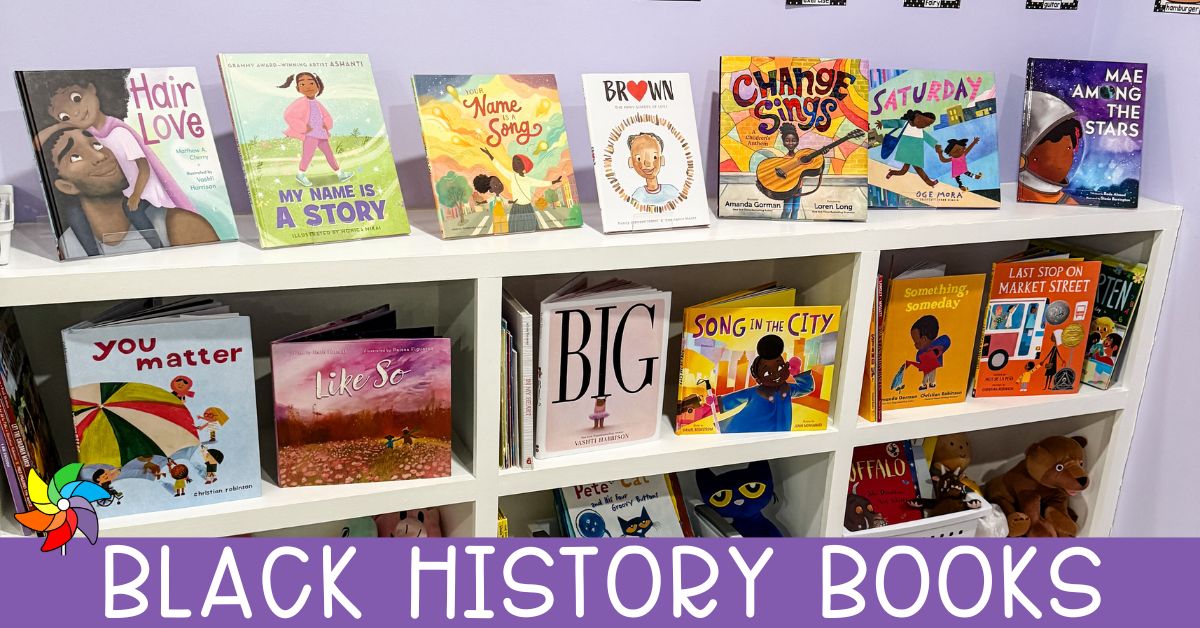
In the realm of STEM (Science, Technology, Engineering, and Mathematics), Mae Among the Stars by Roda Ahmed provides a biographical account of Mae Jemison, the first African American woman in space. The narrative emphasizes the role of parental support and the importance of dreaming "big," making the concept of space exploration tangible for a four-year-old audience.
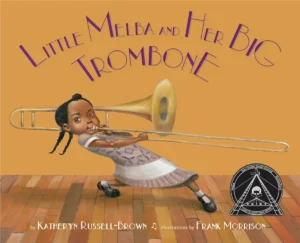
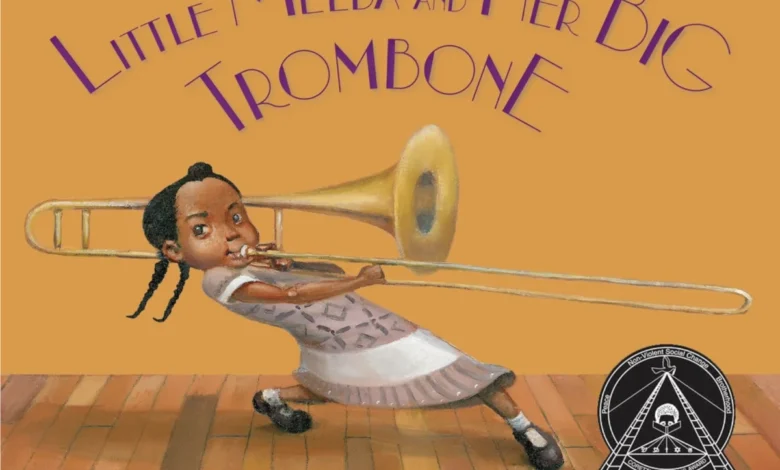
The arts are represented through works like Little Melba and Her Big Trombone by Katheryn Russell-Brown. This story details the life of Melba Liston, a jazz virtuoso who overcame both gender and racial barriers in the music industry. Such stories are essential for demonstrating that Black history is inextricably linked to American cultural history, including the evolution of jazz and blues.

For a broader historical perspective, The Oldest Student by Rita Lorraine Hubbard and Oge Mora tells the story of Mary Walker. Born into slavery in 1848, Walker lived through the Civil War and the Civil Rights Movement, eventually learning to read at the age of 116. This narrative provides a unique chronological bridge for children, illustrating that the pursuit of knowledge has no age limit.
Beyond Struggle: The Rise of "Everyday Joy" Narratives
A significant shift in contemporary early childhood education is the move toward "everyday joy"—books that feature Black protagonists in mundane, happy, or imaginative scenarios that are not centered on trauma or historical struggle. Analysts suggest that these stories are vital for humanizing the Black experience and moving beyond a "single narrative" of oppression.

Vashti Harrison’s Big is a prominent example of this trend. It explores themes of self-acceptance and body positivity through the eyes of a young girl navigating social perceptions. Similarly, Hair Love by Matthew A. Cherry celebrates the bond between a father and daughter while highlighting the beauty of natural hair textures. These stories address "colorism" and "texturism" in a gentle, age-appropriate manner, fostering pride and identity.
In When Langston Dances by Kaija Langley, the narrative challenges traditional gender norms within the Black community. By following a young boy who finds his passion in ballet after seeing the Alvin Ailey American Dance Theater, the book promotes the idea of following one’s heart regardless of societal expectations.

Urban life and community connection are further explored in the works of Matt de la Peña. Last Stop on Market Street and Milo Imagines the World use public transportation—the city bus and the subway—as settings for profound lessons on gratitude and the pitfalls of making assumptions based on appearances. These books are frequently cited by educators for their ability to spark classroom discussions about social class and empathy.
Pedagogical Impact and Classroom Integration
The integration of these materials into daily "circle time" or independent reading corners has measurable effects on classroom climate. Educators report that using books like Black Is a Rainbow Color by Angela Joy or Brown: The Many Shades of Love by Nancy Johnson James helps children articulate observations about skin tone and heritage in a positive, celebratory framework.

The use of rhythmic and poetic language, as seen in Ruth Forman’s Like So, aids in phonological awareness, a key literacy milestone for preschoolers. Meanwhile, titles like I Am Enough by Grace Byers provide daily affirmations that build emotional resilience.
Official responses from educational bodies suggest that the "Black History Month" designation should serve as a catalyst for year-round inclusion rather than a month-long exception. The American Library Association (ALA) and the NAEYC advocate for "integrated diversity," where these books remain on the shelves from September through June, ensuring that Black voices are a permanent fixture of the educational environment.

Broader Societal Implications and Analysis
The long-term impact of diversifying preschool libraries extends beyond the classroom. Sociological analysis suggests that early exposure to diverse narratives is a key factor in reducing systemic prejudice. When children are raised with a "rich tapestry" of stories, as Maya Angelou famously described, they are better equipped to navigate a globalized society.
Furthermore, the commercial success of books like Sulwe by Lupita Nyong’o, which addresses the complexities of skin shade, indicates a growing market demand for authentic representation. This demand encourages publishers to invest in more diverse creators, leading to a more equitable literary industry.

The emergence of young authors, such as Parker Curry, who co-wrote Parker Looks Up after a viral photo of her gazing at Michelle Obama’s portrait, demonstrates the cyclical nature of representation. Seeing themselves in art and literature inspires the next generation of creators, ensuring that the archive of Black history continues to grow.
Conclusion
The selection of Black History Month books for preschool is a deliberate act of educational equity. By balancing historical truth with contemporary joy, educators provide a holistic view of the Black experience. These stories do more than teach history; they build the foundational skills of empathy, identity, and critical thinking. As the field of early childhood education continues to evolve, the commitment to inclusive literature remains a primary tool for shaping a more respectful and informed citizenry. Through the simple act of reading a picture book, the world becomes a little larger, a little fairer, and much more vibrant for the youngest learners.
Related posts: