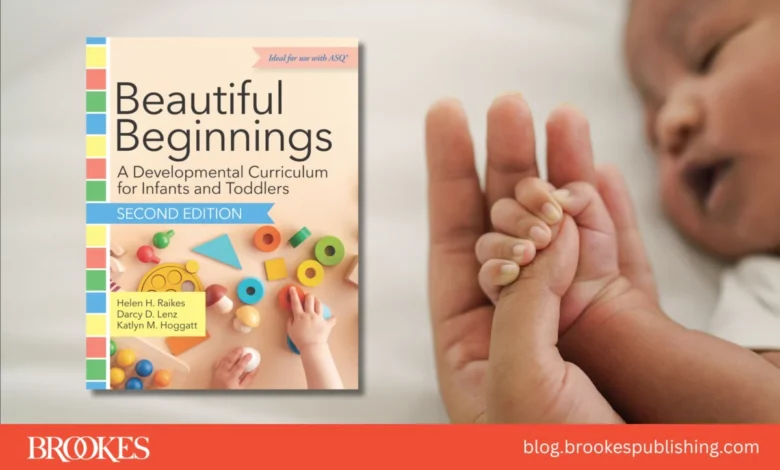
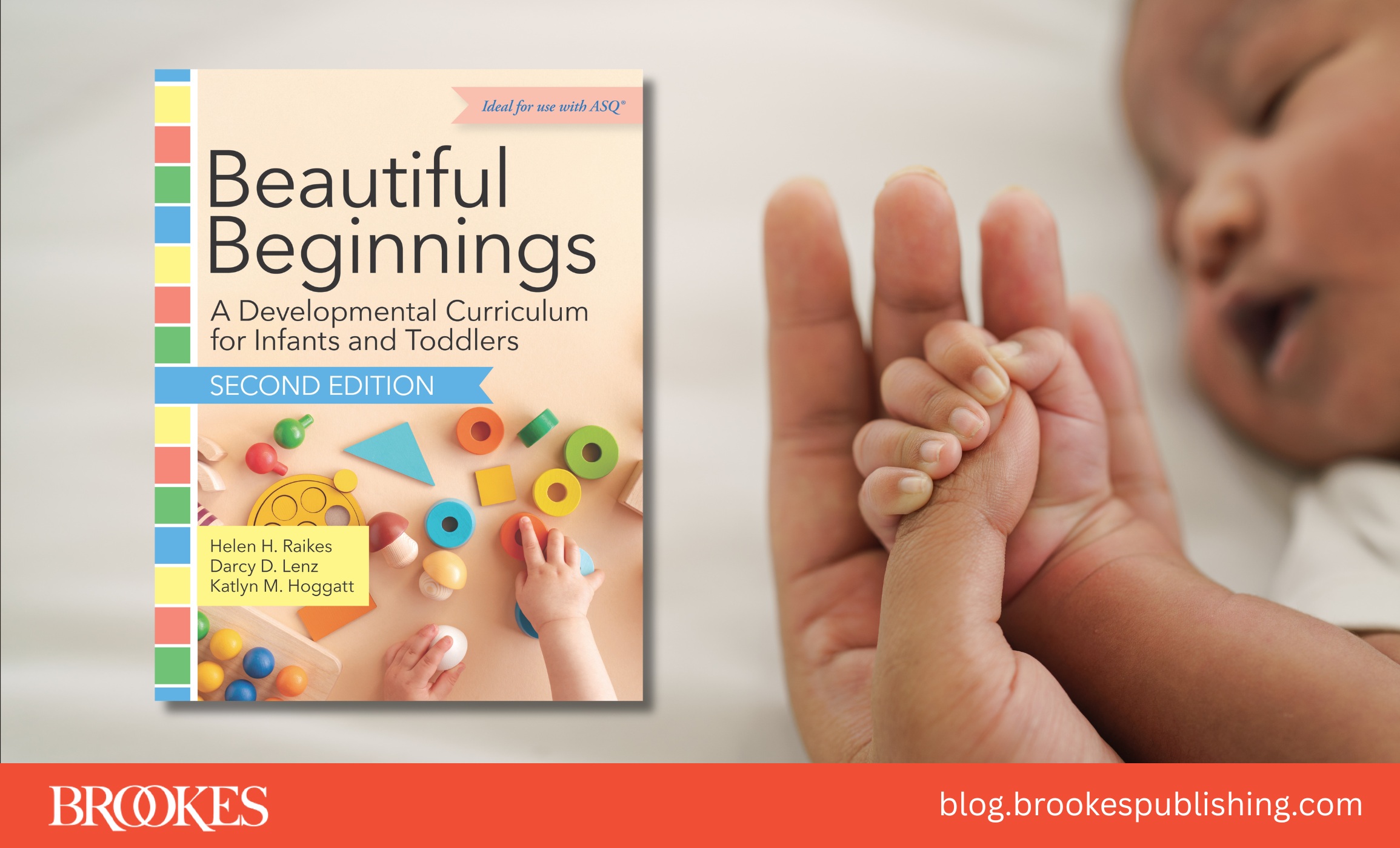
The official launch of the second edition of this curriculum marks a significant update to a resource long utilized by early childhood programs to support the foundational years of human development. Authored by Helen H. Raikes, Ph.D., Darcy D. Lenz, M.Ed., and Katlyn M. Hoggatt, M.Ed., the updated text arrives at a time when developmental monitoring and targeted early intervention are increasingly prioritized in educational policy.
Context and Evolution of Early Childhood Curricula
The first three years of life represent a period of unparalleled brain plasticity and rapid developmental milestones. Research from the Center on the Developing Child at Harvard University has consistently demonstrated that the neural pathways formed during infancy provide the architecture for all future learning, behavior, and health. Consequently, curricula designed for this age group must be both scientifically rigorous and practically accessible.
The original iteration of Beautiful Beginnings established a framework for "responsive caregiving"—an approach that emphasizes the relationship between the adult and the child as the primary vehicle for development. The second edition expands upon this by integrating contemporary research in neurodevelopment and aligning more closely with the Ages and Stages Questionnaires (ASQ) and Centers for Disease Control and Prevention (CDC) milestones. By standardizing these activities, the authors aim to provide a bridge between clinical assessment and daily classroom practice.
Key Components of the Second Edition
The updated curriculum is built around 350 photocopiable activity sheets, referred to as "Experiences." These sheets are designed to be used in diverse settings, including center-based child care, home-visiting programs, and family support initiatives. The activities target eight distinct domains of development that are widely recognized as precursors to school readiness:
- Cognitive Development: Exercises designed to foster problem-solving, cause-and-effect understanding, and object permanence.
- Social-Emotional Development: Activities that encourage attachment, emotional regulation, and peer interaction.
- Language and Literacy: Targeted approaches to vocabulary acquisition, phonemic awareness, and early communication skills.
- Physical Development (Gross and Fine Motor): Sequences aimed at improving coordination, dexterity, and physical strength.
- Executive Function: Early tasks that promote inhibitory control, working memory, and cognitive flexibility.
- Approaches to Learning: Fostering curiosity, persistence, and initiative in play.
- Sensory Development: Activities that stimulate neural responses through tactile, auditory, and visual engagement.
- Adaptive and Self-Care Skills: Foundations for autonomy and personal routine management.
Chronology of Development and Implementation
The development of the second edition follows years of field testing and feedback from early childhood practitioners. Since the publication of the first edition, the landscape of early childhood education has shifted toward more data-driven instruction. Practitioners have increasingly sought resources that move beyond general "play" and into "intentional instruction"—a move that this second edition explicitly supports.
The transition from the first to the second edition involved a comprehensive review of existing activities to ensure they remained culturally relevant, inclusive, and reflective of current linguistic diversity in the United States. The authors conducted a cross-analysis of state-level early learning guidelines to ensure the curriculum could meet the regulatory requirements of various jurisdictions, facilitating easier adoption for state-funded programs.
Expert Perspectives and Theoretical Foundation
The curriculum has received endorsement from figures in the field of child development, including Jane Squires, Ph.D., Emerita Professor at the University of Oregon and a primary developer of the ASQ. In her assessment of the new edition, Dr. Squires described the materials as "imaginative and carefully crafted," emphasizing the necessity of such resources for practitioners committed to the "whole child" model.
The "whole child" philosophy, which underpins the curriculum, posits that developmental domains cannot be separated. For example, a child learning to stack blocks (physical/fine motor) is also practicing spatial reasoning (cognitive) and persistence (social-emotional). By weaving these domains into single, integrated activities, the curriculum minimizes the burden of over-documentation on teachers while maximizing the developmental impact of each interaction.
Broader Implications for Early Education
The introduction of this curriculum comes at a critical juncture for the early childhood sector. According to recent data from the National Institute for Early Education Research (NIEER), access to high-quality infant-toddler care remains highly variable, and the quality of teacher-child interactions is often the primary predictor of child outcomes.
The implication of adopting a research-backed, structured curriculum like Beautiful Beginnings is twofold:
1. Standardization of Care Quality: In environments with high staff turnover—a chronic issue in the childcare industry—a comprehensive, ready-to-use curriculum provides continuity. When staff changes occur, the curriculum ensures that the educational experience of the child remains consistent, mitigating the disruption that often accompanies personnel shifts.
2. Support for Inclusive Environments: Because the curriculum is aligned with standardized developmental milestones (ASQ/CDC), it acts as an early warning system. Educators using these activities can more easily identify when a child is not meeting developmental benchmarks. This allows for earlier referrals to intervention services, which is proven to result in better long-term outcomes for children with developmental delays or disabilities.
Economic and Educational Impact
Investment in the first three years of life is widely cited by economists, including Nobel laureate James Heckman, as the most effective form of human capital investment. The "Heckman Equation" suggests that the return on investment for high-quality early childhood programs is significantly higher than that of later-stage educational interventions.
By providing practitioners with a tool that explicitly targets school readiness through play, the second edition of Beautiful Beginnings serves as a mechanism for long-term educational equity. Programs that utilize the curriculum are effectively standardizing the quality of the "input" provided to infants and toddlers, regardless of the socioeconomic background of the facility or the family.
Practical Application for Practitioners
For program directors and lead teachers, the practical value of the second edition lies in its flexibility. The materials are designed to be scalable, meaning they can be adapted for a home visit lasting 45 minutes or a full-day center-based schedule. The "Experience" sheets are designed to reduce planning time, allowing educators to focus more on the execution of the activity and the observation of the child’s response.
The integration of these resources also assists programs in meeting accreditation standards, such as those set by the National Association for the Education of Young Children (NAEYC). Many accreditation bodies require evidence of a curriculum that is developmentally appropriate, research-based, and aligned with individual child progress; the updated Beautiful Beginnings provides a direct, documented method for meeting these requirements.
Conclusion and Future Outlook
As the field of early childhood education moves toward greater accountability and higher standards of professional practice, the role of structured, research-supported curricula becomes increasingly central. The second edition of Beautiful Beginnings: A Developmental Curriculum for Infants and Toddlers provides a balance between the artistic, nurturing nature of early caregiving and the scientific requirements of child development.
By bridging the gap between developmental science and classroom application, the authors have provided a tool that addresses the immediate needs of infants and toddlers while building the long-term cognitive and social foundations necessary for success in primary school and beyond. For programs seeking to elevate the quality of their service, this release represents a significant advancement in the resources available to the early childhood workforce.