Air Fryer Cookies: A Culinary Evolution in Home Baking Technology

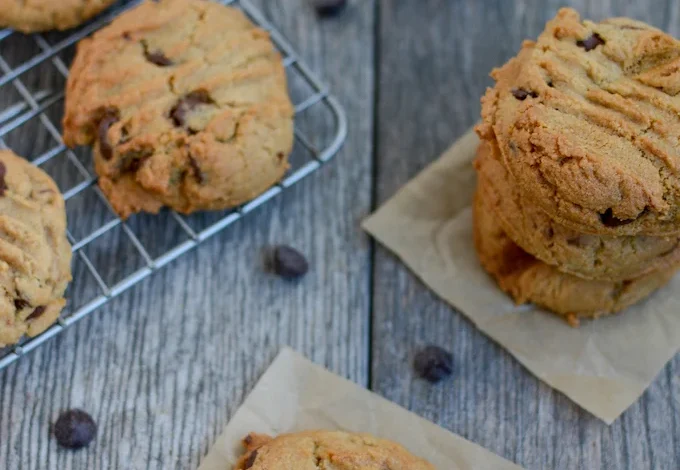
The modern home kitchen is currently undergoing a significant shift as consumers increasingly pivot away from traditional full-sized ovens in favor of high-efficiency countertop appliances. Among these, the air fryer—a device originally designed as a healthier alternative to deep frying—has emerged as a surprisingly effective tool for precision baking. Recent culinary data indicates that air fryer baking, particularly for small-batch desserts like cookies, is not merely a social media trend but a functional advancement in domestic cooking, offering reduced energy consumption and improved time efficiency.
The Mechanism of Convection-Based Baking
To understand why air fryers have become a viable surrogate for conventional ovens, one must examine the underlying thermodynamics. An air fryer is effectively a compact, high-velocity convection oven. By utilizing a powerful heating element and a high-speed fan, the device circulates superheated air around the food. This process, known as convection, accelerates the rate of heat transfer compared to the radiant heat found in a standard oven.
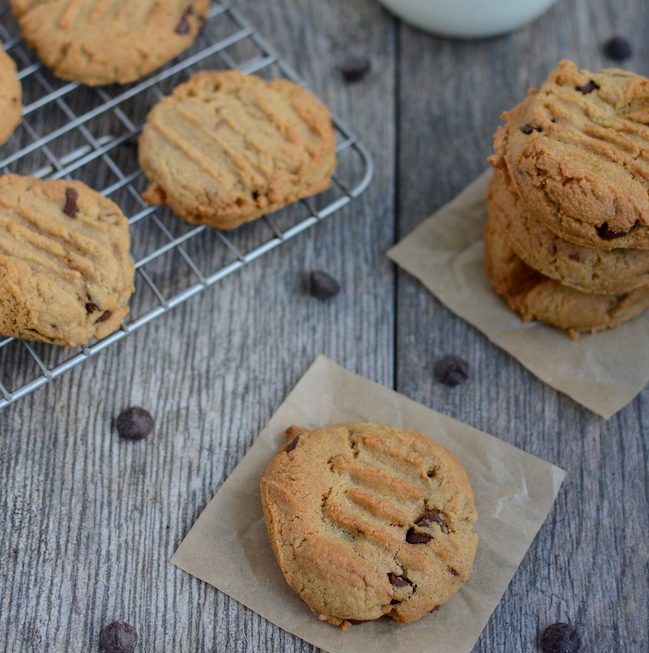
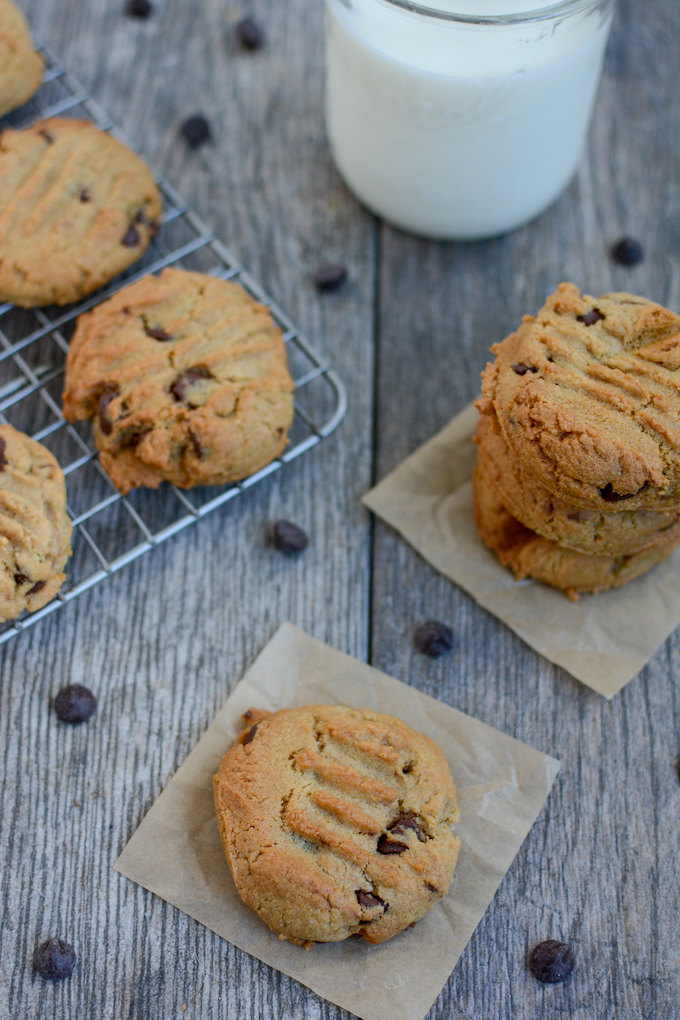
For baking cookies, this mechanism provides a dual benefit: the rapid air circulation sets the exterior of the dough quickly, creating the desired crisp edge, while the controlled, enclosed environment maintains a soft, moist interior. Culinary experts note that because the cooking chamber is significantly smaller than a traditional oven, the thermal recovery time is nearly instantaneous, allowing for consistent results even when working with small batches.
Chronology and Development of Small-Batch Baking
The transition toward small-batch baking began in the early 2020s, driven by shifting household demographics and a growing consumer interest in waste reduction. The traditional practice of baking a dozen or more cookies at once often leads to overconsumption or food waste in smaller households. The introduction of air fryer-specific recipes allows for the preparation of exactly two or three cookies, effectively eliminating the surplus that often lingers on kitchen counters.
Development of these recipes has followed a specific technical trajectory:
- Initial Testing Phase: Early adopters attempted to translate standard oven recipes directly into air fryers, which resulted in uneven browning and raw centers.
- Standardization: Through rigorous testing, the industry arrived at a standardized "low-and-slow" approach. By lowering the temperature to approximately 300°F (149°C), bakers found they could bypass the "flash-burning" effect caused by the high-velocity fans.
- Refinement: The integration of parchment paper liners became the industry standard to prevent dough from slipping through the air fryer’s perforated basket, ensuring structural integrity during the expansion phase of baking.
Analytical Data: Efficiency and Performance
When comparing the performance of air fryers versus standard convection ovens for cookie production, the metrics are notable. A standard oven may take 10 to 15 minutes to preheat, consuming approximately 2.0 to 2.5 kilowatt-hours of electricity per hour of operation. In contrast, an air fryer reaches operating temperature in under three minutes and consumes roughly 1.3 to 1.5 kilowatt-hours.
Furthermore, the duration of the bake is reduced by approximately 20% to 30%. For a typical batch, the total cycle—including preheating and baking—is consistently measured at 10 to 12 minutes. From an energy efficiency standpoint, the air fryer is vastly superior for small quantities, providing a sustainable alternative for consumers seeking to minimize their carbon footprint while maintaining dietary variety.
Technical Challenges and Best Practices
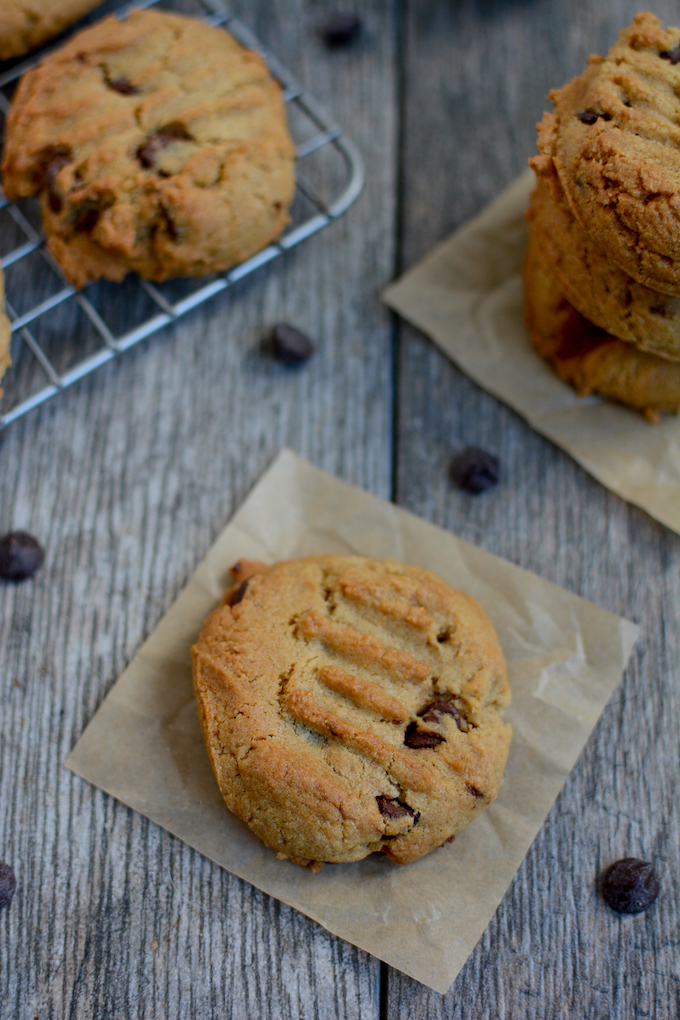
Despite the simplicity of the process, culinary researchers have identified common failure points that often discourage novice bakers. The most prevalent issue is "excessive spreading," which occurs when the dough’s fat content—usually butter—melts too quickly before the structure of the cookie has set.
Industry guidelines suggest the following technical protocols:
- Thermal Management: Maintaining the temperature at 300°F is critical. Exceeding this threshold causes the exterior sugars to caramelize and eventually burn before the internal starches have gelatinized.
- Dough Conditioning: Chilling the dough for a minimum of 30 minutes is not merely a suggestion but a requirement for those using melted butter. This process firms the fat, which dictates the rate of spread during the initial phase of heating.
- Spatial Configuration: Overcrowding the air fryer basket impedes airflow. The convection process relies on the movement of air around the entire surface area of the item; blocking this airflow results in uneven cooking and gummy textures.
Broader Implications for the Appliance Industry
The popularity of air fryer cookies is a microcosm of a larger trend: the "smartening" and miniaturization of home appliances. Appliance manufacturers have noted that consumers are increasingly looking for "multi-modal" devices that can handle a variety of tasks, from roasting proteins to delicate pastry work.
Registered dietitians have also weighed in on the psychological impact of this trend. By enabling the preparation of single-serving portions, the air fryer serves as a tool for portion control. Rather than being faced with an entire tray of baked goods, the individual can satisfy a craving with a single, freshly baked unit. This shift has implications for how nutritionists approach dessert consumption, moving away from restrictive diets toward mindful, controlled indulgence.
Future Perspectives
As air fryers continue to become standard equipment in modern kitchens, it is expected that recipe development will become even more sophisticated. Current research into "air-fryer-friendly" flour blends and sugar substitutes is already underway, aiming to further optimize the chemical reactions that occur in the high-velocity environment of the air fryer.
The ability to freeze dough in pre-portioned units for on-demand baking is likely to become a standard feature in meal-prep planning. By treating the air fryer as an extension of the freezer—a quick-access station for fresh food—consumers are finding that the time-intensive process of traditional baking can be adapted to fit the pace of a modern, busy lifestyle.
Ultimately, the air fryer cookie is more than just a convenient dessert; it is a testament to the intersection of engineering and gastronomy. As technology evolves, the boundaries between professional baking and home cooking continue to blur, providing consumers with greater control over their nutrition, energy usage, and culinary outcomes. Whether for the sake of efficiency, portion control, or simply the desire for a warm treat, the air fryer has firmly established itself as a permanent fixture in the evolution of the domestic kitchen. Through careful adherence to temperature controls and proper preparation techniques, the humble air fryer is proving that high-quality, professional-grade results are attainable with minimal equipment and time.
Related posts: