Ground Beef for Babies: A Comprehensive Nutritional and Safety Guide for Parents

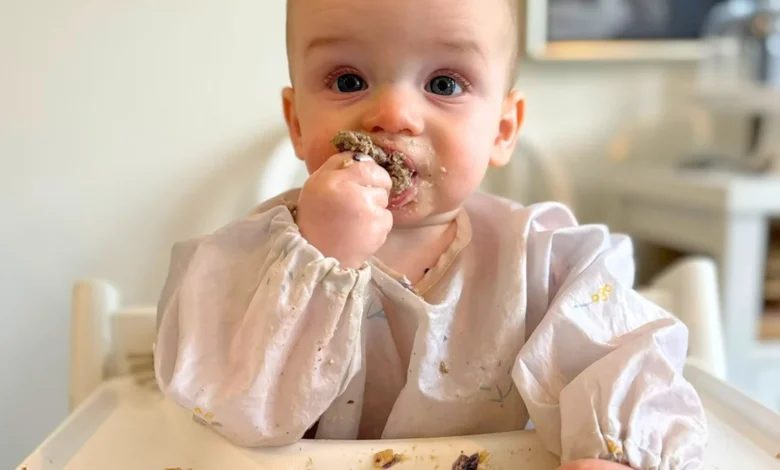
Introducing solid foods to an infant is a developmental milestone that often sparks anxiety regarding nutrient adequacy and safety. While many parents gravitate toward traditional first foods like fruits and vegetables, pediatric nutrition experts increasingly emphasize the critical role of iron-rich animal proteins in a child’s early diet. Ground beef, in particular, is emerging as a cornerstone of the baby-led weaning (BLW) approach due to its high density of heme iron, zinc, and B vitamins, which are essential for neurological development and immune health.
The Shift Toward Iron-Rich First Foods

Clinical guidelines have evolved significantly over the past decade. Previously, many practitioners recommended starting with iron-fortified rice cereals. However, modern research indicates that the iron found in red meat—known as heme iron—is absorbed significantly more efficiently by the human body than the non-heme iron found in fortified cereals and plant-based sources.

By the six-month mark, an infant’s natural iron stores, which were accumulated in utero, begin to deplete. This physiological decline necessitates the intake of external iron sources. According to the World Health Organization (WHO) and various national pediatric associations, the period between six and twelve months is a high-risk window for iron deficiency, which can have long-term implications for cognitive function and physical growth. Consequently, the consensus among pediatric dietitians has shifted to advocate for the introduction of iron-rich, nutrient-dense foods as early as the onset of solids.
Dissecting the Controversy: Processed Versus Unprocessed Red Meat
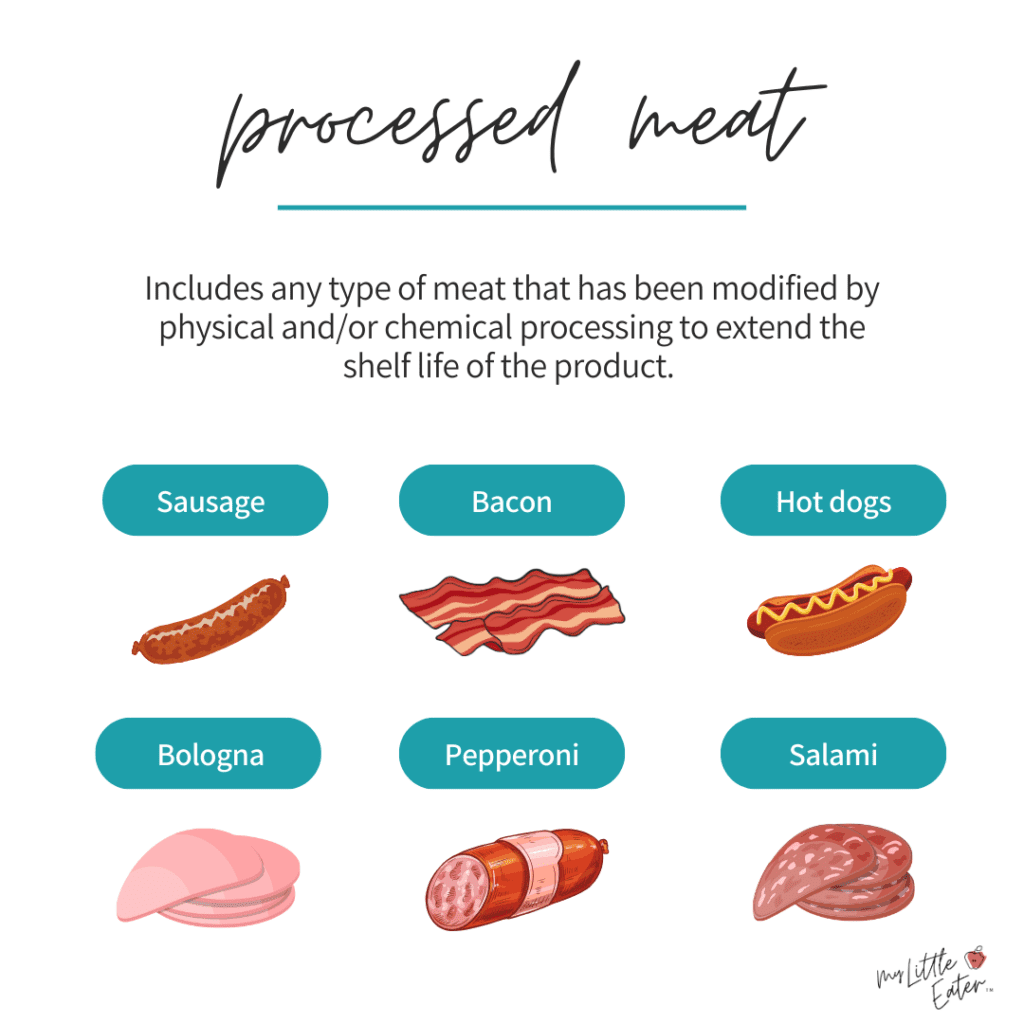
Public discourse surrounding red meat consumption is often clouded by conflicting headlines. Much of the confusion stems from a failure to distinguish between processed and unprocessed varieties. The World Health Organization’s International Agency for Research on Cancer (IARC) has classified processed meats—such as sausages, hot dogs, deli meats, and bacon—as carcinogenic. These products typically contain high levels of sodium, nitrates, and nitrites, which are added for preservation and flavor enhancement.
Conversely, fresh, unprocessed red meat—including lean ground beef, lamb, and pork—remains a subject of intense study. Current scientific literature suggests that when consumed as part of a balanced diet, fresh, high-quality red meat does not carry the same health risks as its processed counterparts. Furthermore, much of the observational data linking red meat to chronic health conditions in adults is confounded by lifestyle factors such as physical activity levels, tobacco use, and overall dietary quality. For a growing infant, the nutritional density of fresh ground beef provides essential amino acids and fatty acids that support rapid brain and body development.
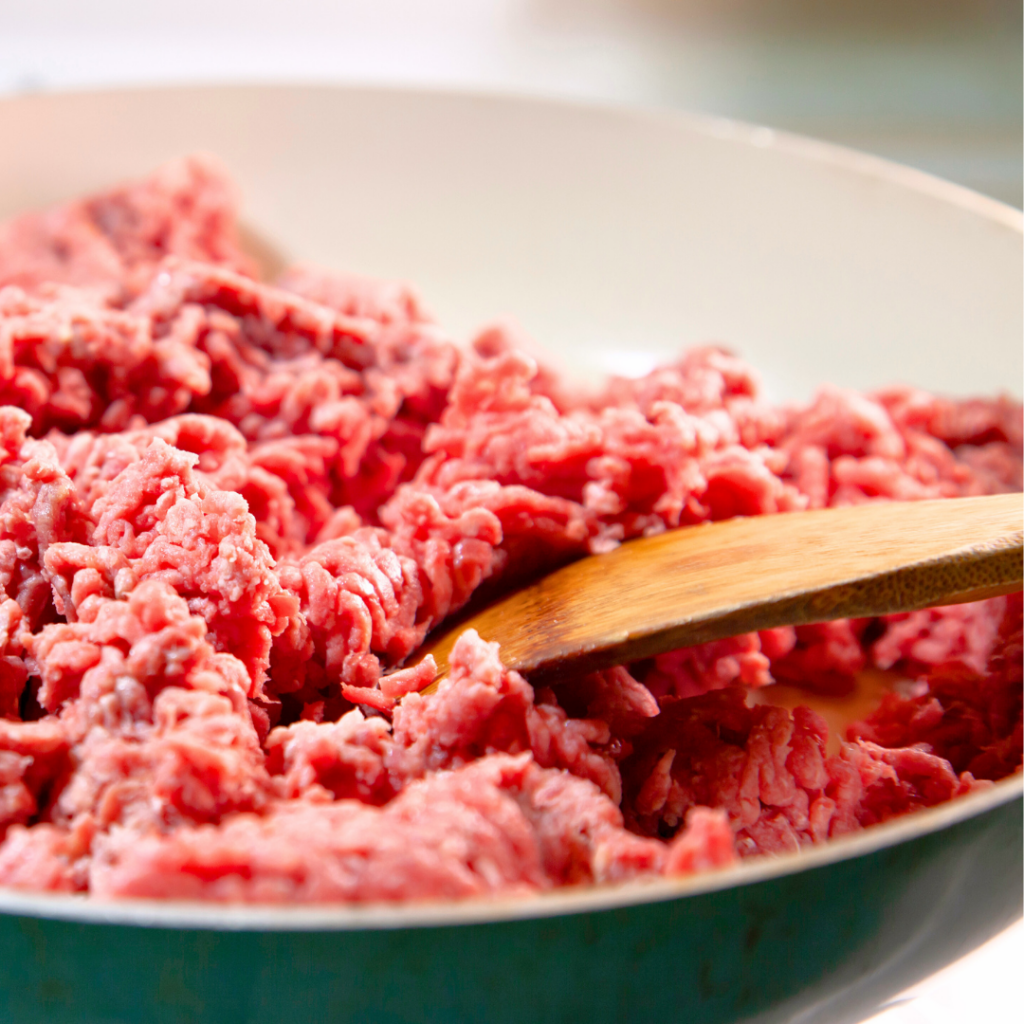
Safety Protocols and Choking Prevention
The primary concern for parents during the early stages of feeding is the risk of choking. While ground beef is not inherently a high-risk choking hazard, the method of preparation is critical. As infants transition from a diet of breast milk or formula to solids, their oral motor skills are in the nascent stages of development.
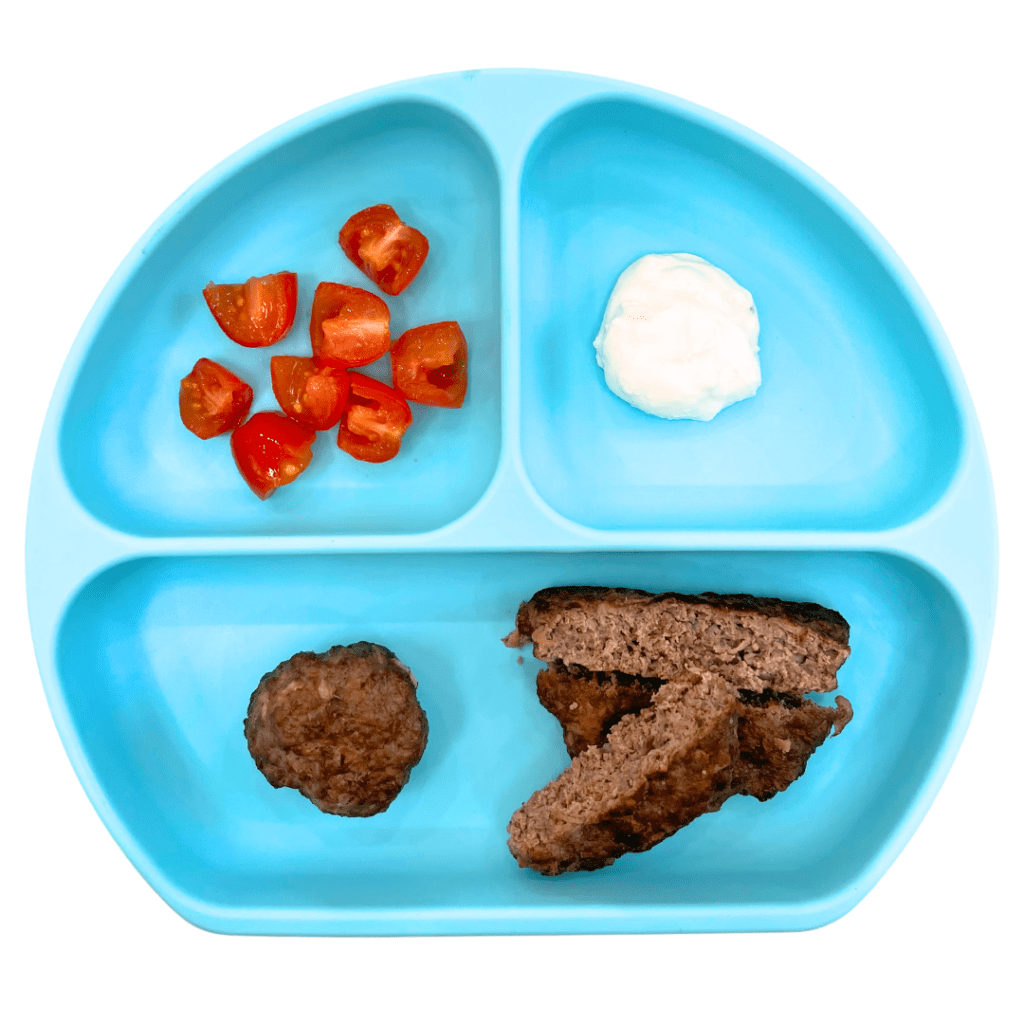
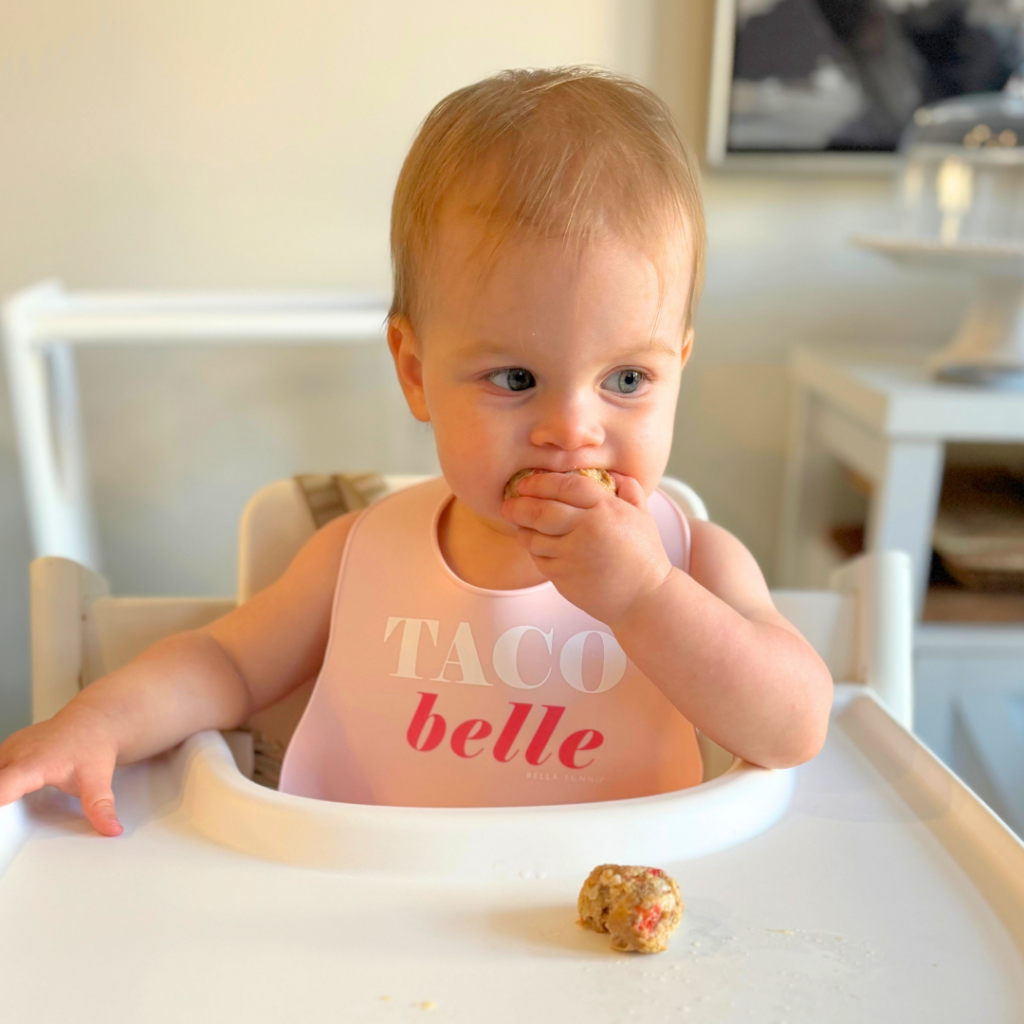
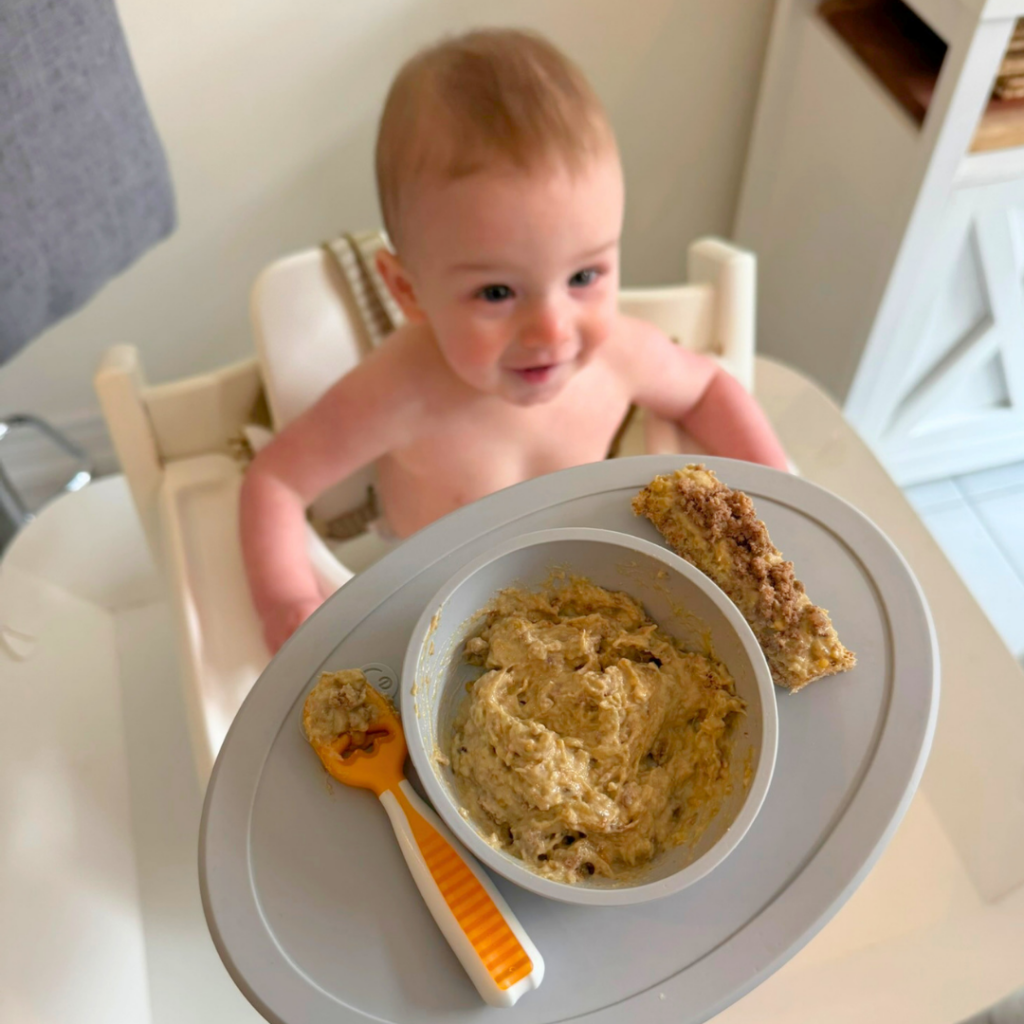
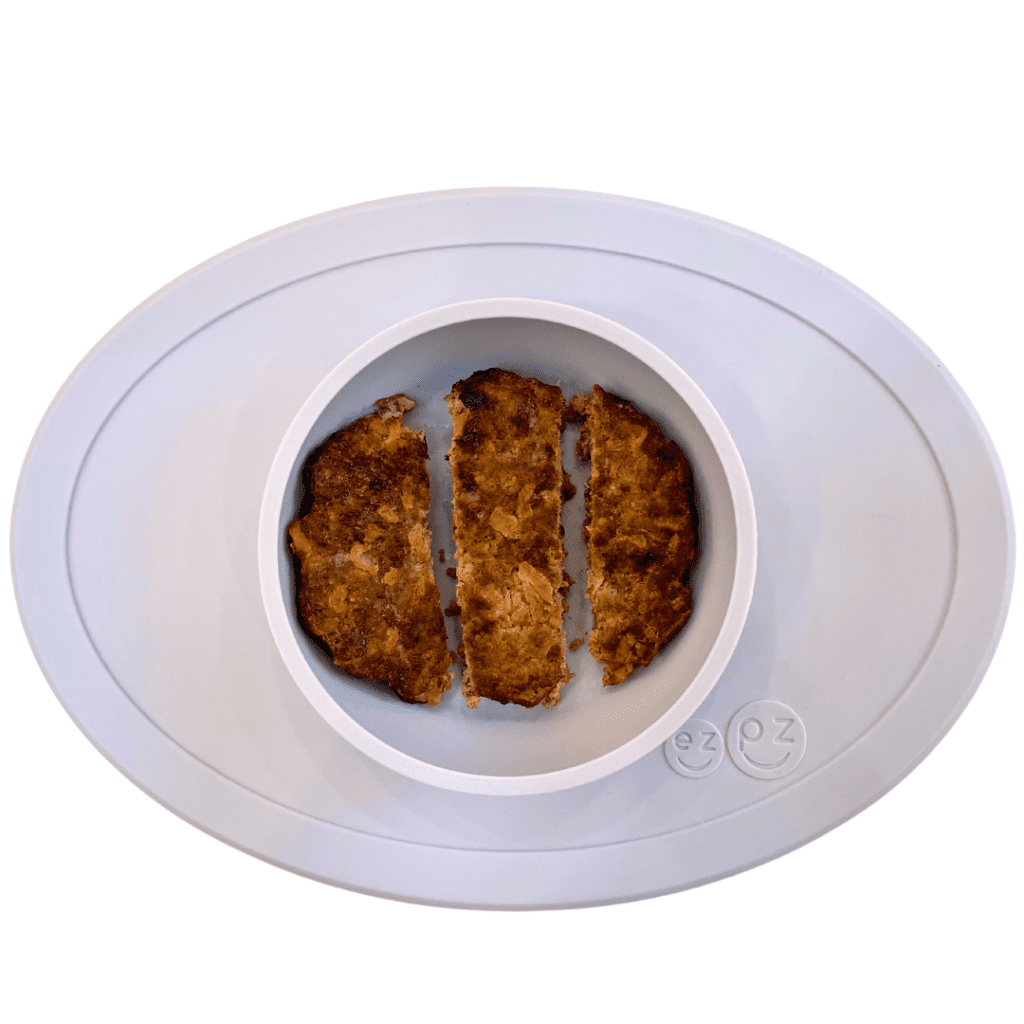
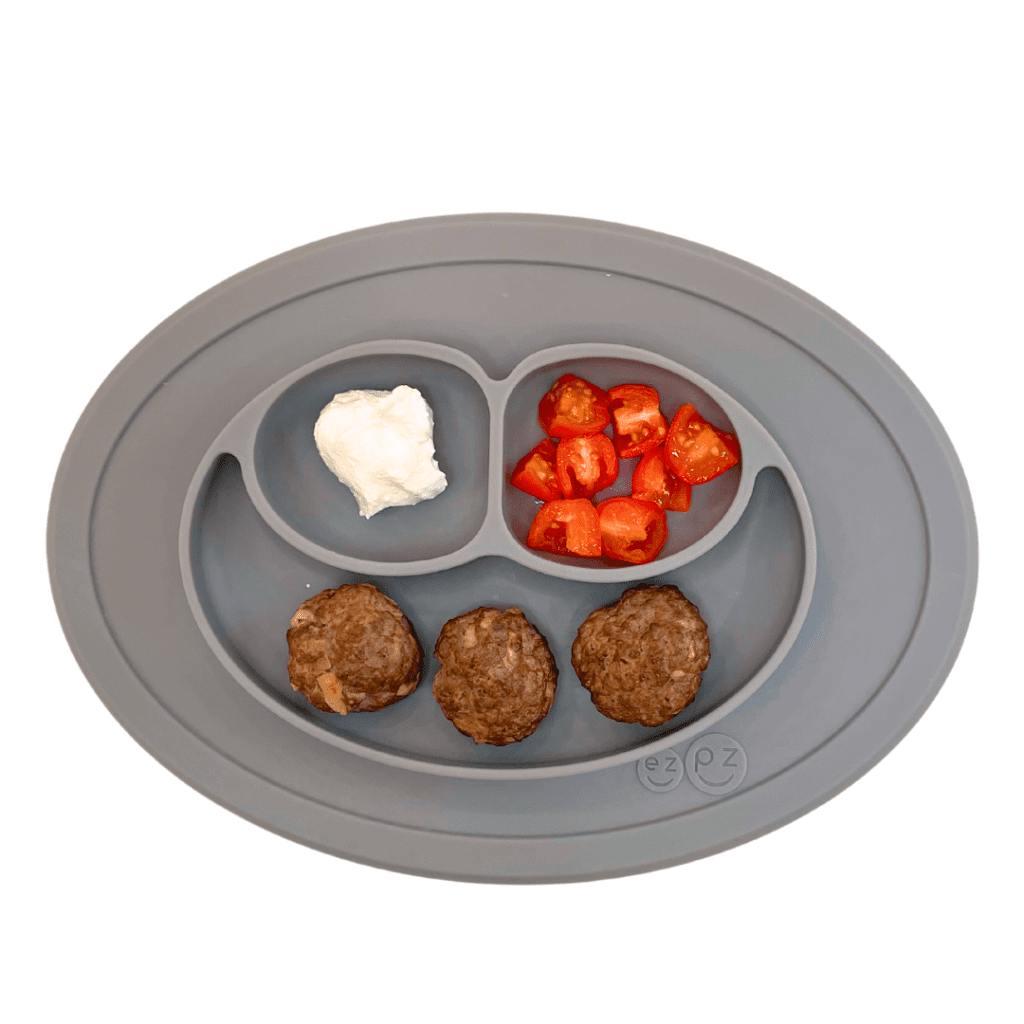
To mitigate risk, caregivers are advised to focus on the texture and consistency of the meat. In the early stages (six to nine months), beef should be served in ways that are soft and easily mashed between the gums. For those following a baby-led weaning approach, this means offering larger, finger-length strips that a child can grasp and gnaw on, rather than small, crumbly pieces that could be inhaled or swallowed whole. As the infant develops a pincer grasp—the ability to pick up objects between the thumb and forefinger—around nine to ten months, the presentation of food can evolve to smaller, bite-sized pieces.
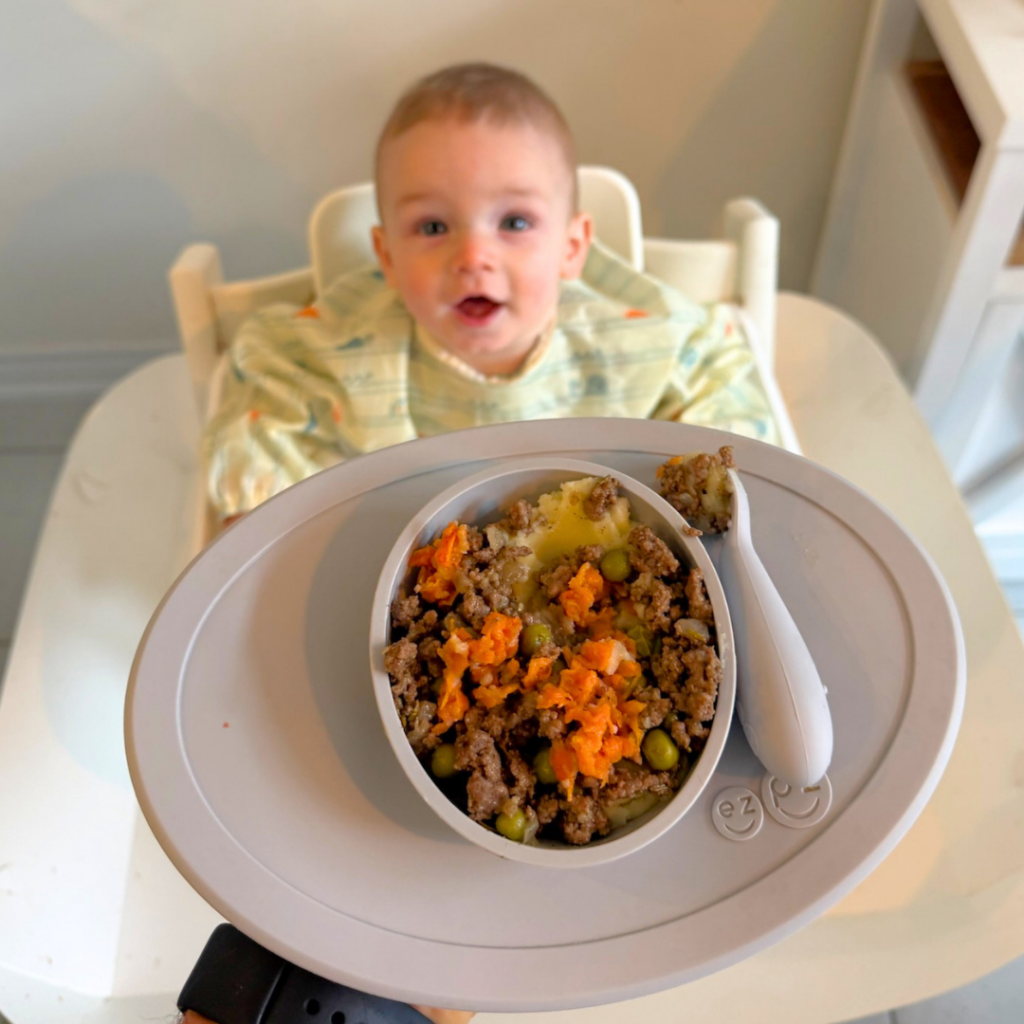
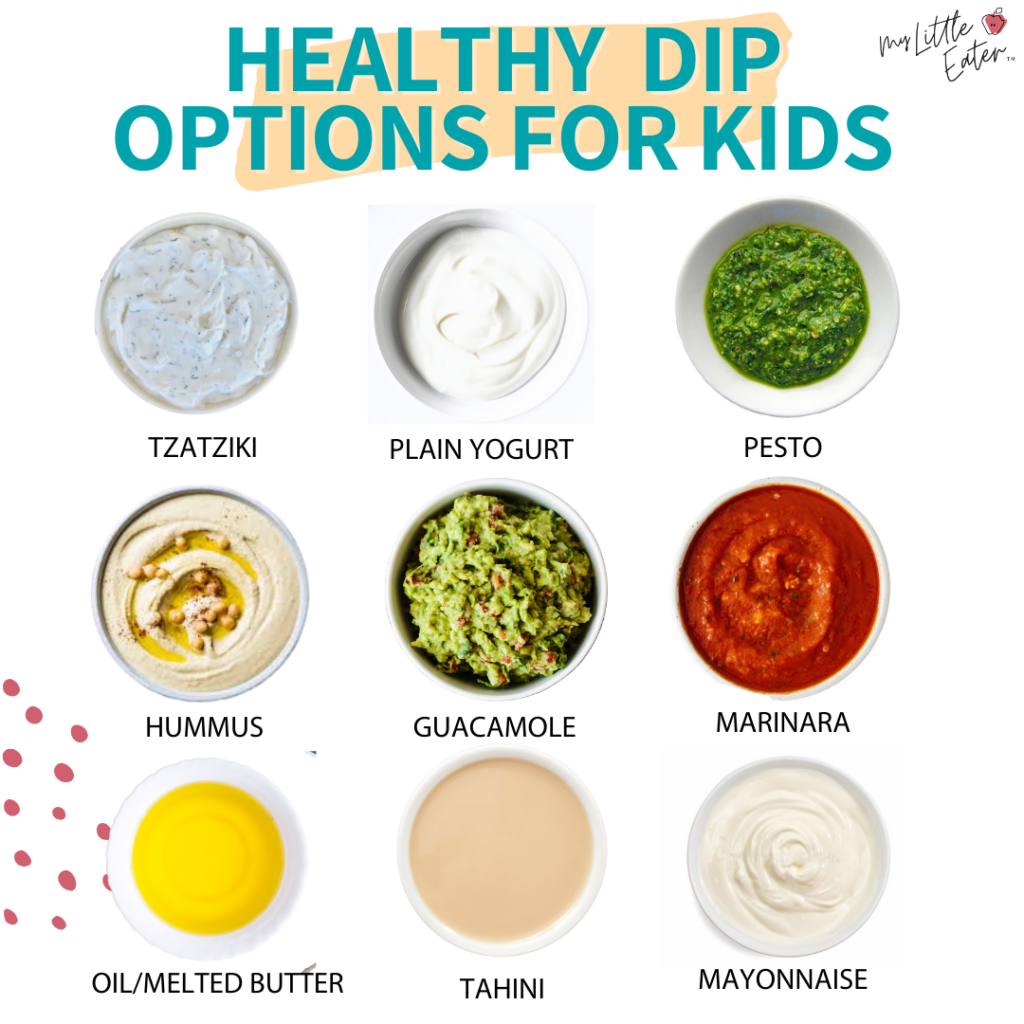
Furthermore, maintaining moisture is a key safety strategy. Dry or overcooked meat is more difficult for an infant to manipulate. Cooking methods such as stewing, braising, or incorporating the meat into sauces—such as a mild tomato-based bolognese or a shepherd’s pie—ensure the texture remains pliable. Adding healthy fats or pairing the meat with dips, such as plain yogurt or avocado, can further aid in swallowing and improve the overall nutrient profile of the meal.
Developing a Consistent Feeding Timeline

The integration of red meat into an infant’s routine should be gradual and consistent. Between the ages of six and eight months, the objective is to introduce iron-rich foods at least once daily. As the infant progresses toward eight to twelve months, this frequency should increase to twice daily, reflecting the child’s expanding appetite and increasing nutritional demands.
From 12 months through 24 months, nutritionists recommend that iron-rich foods be included at every meal. While variety is essential—incorporating fish, poultry, and plant-based legumes—red meat remains one of the most efficient vehicles for delivering the required iron and zinc intake in a relatively small volume of food.
Selecting the Best Quality for Your Budget
Parents often grapple with the decision between conventional, organic, or grass-fed beef. From a strictly nutritional standpoint, grass-fed and organic options often provide a superior profile of omega-3 fatty acids and antioxidants. However, these are not strictly necessary to meet a child’s basic requirements.
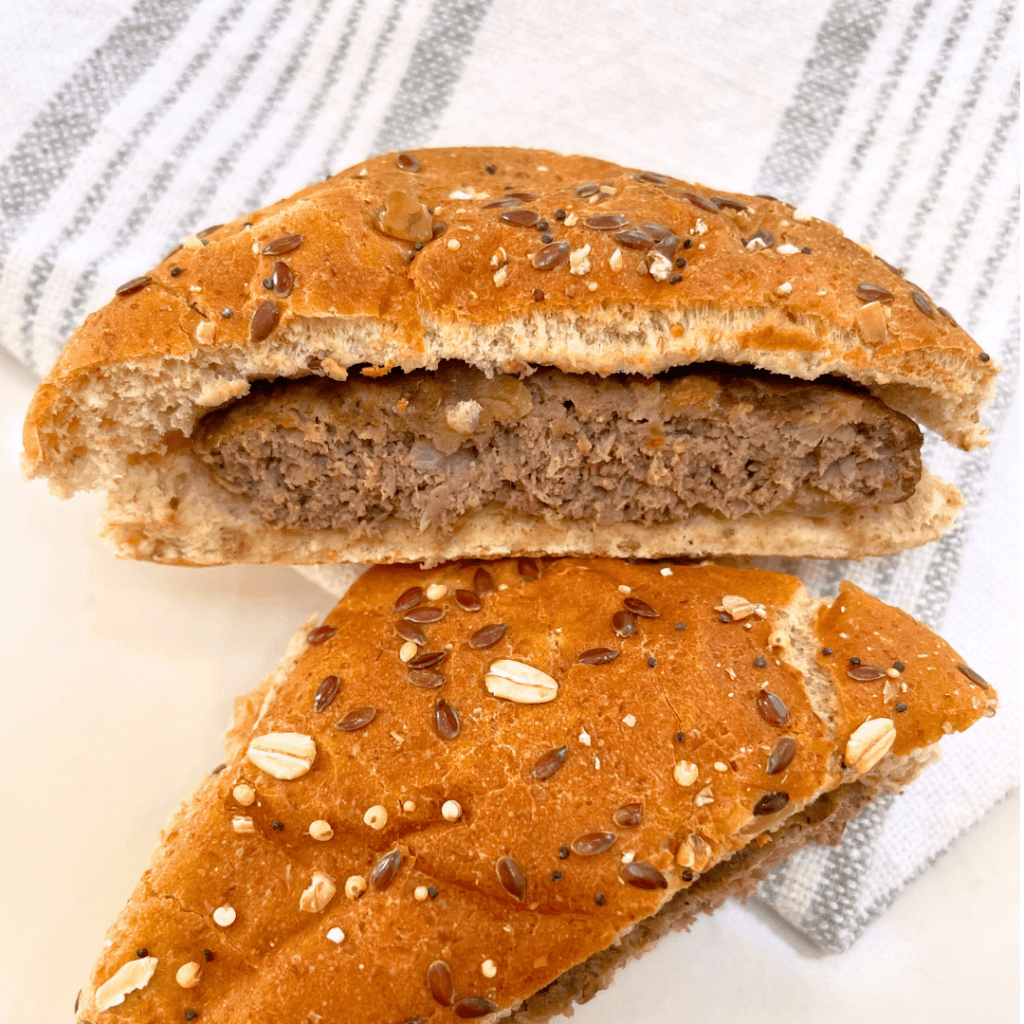
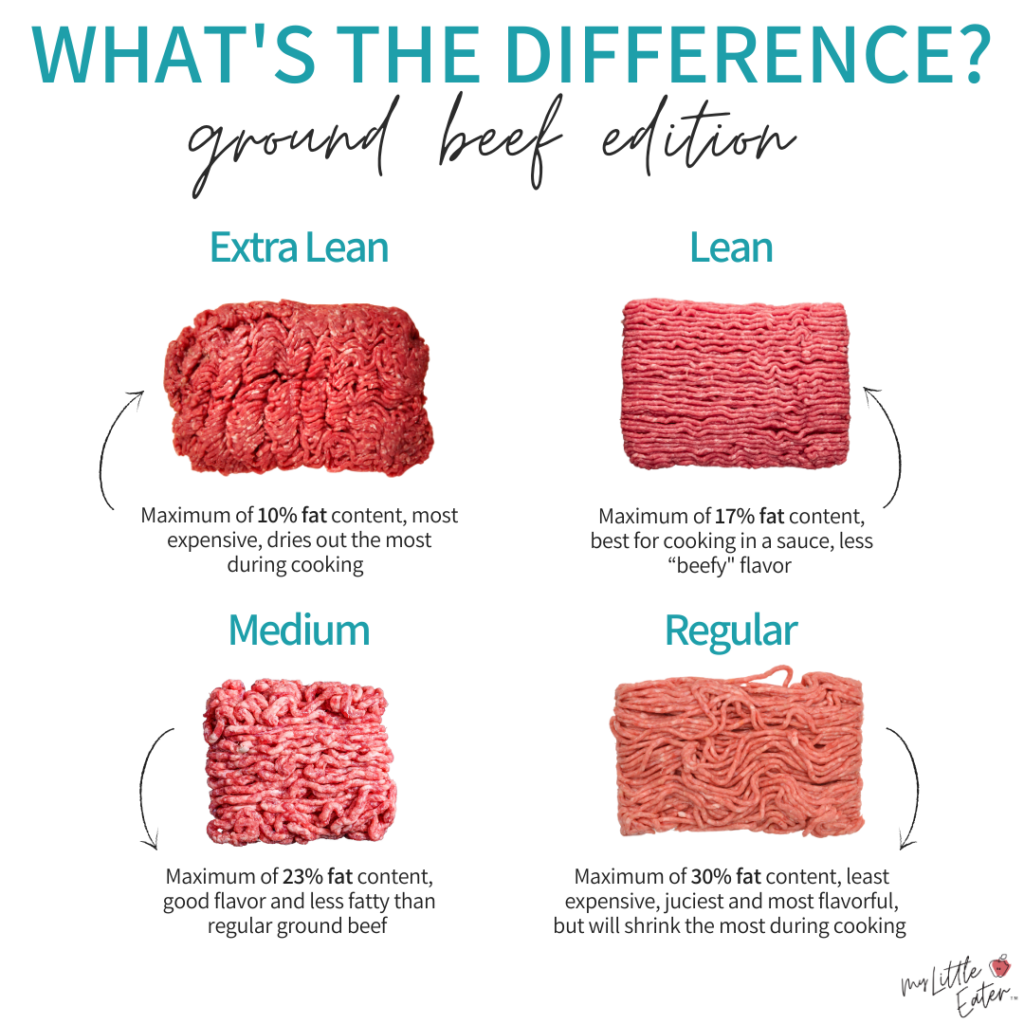
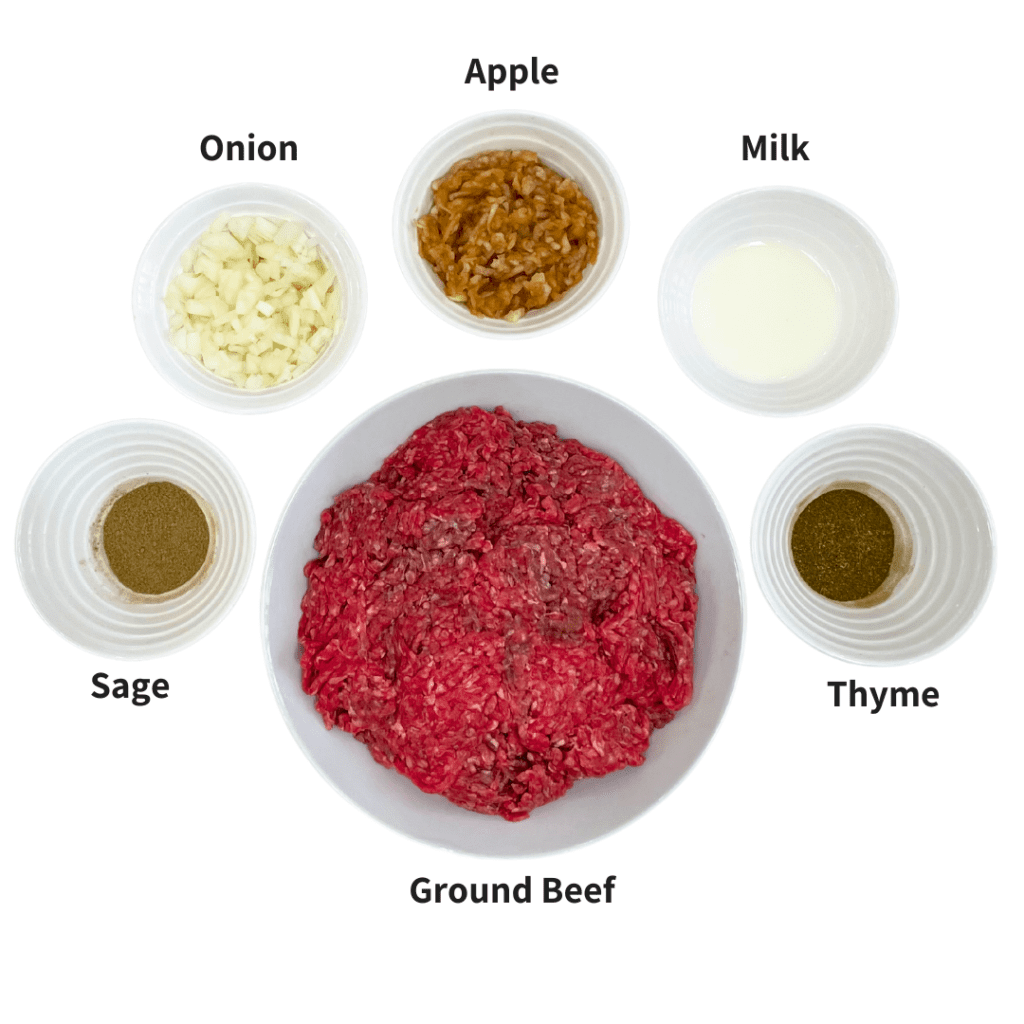
The most important factor is the composition of the meat itself. Avoiding pre-seasoned or pre-marinated products is vital, as these items are almost universally high in sodium. Regarding fat content, experts generally suggest that regular or medium ground beef is preferable to extra-lean varieties for infants. The higher fat content provides necessary calories for growth and contributes to a softer, more palatable texture that is easier for an infant to digest and consume safely.
Culinary Techniques for Optimal Safety
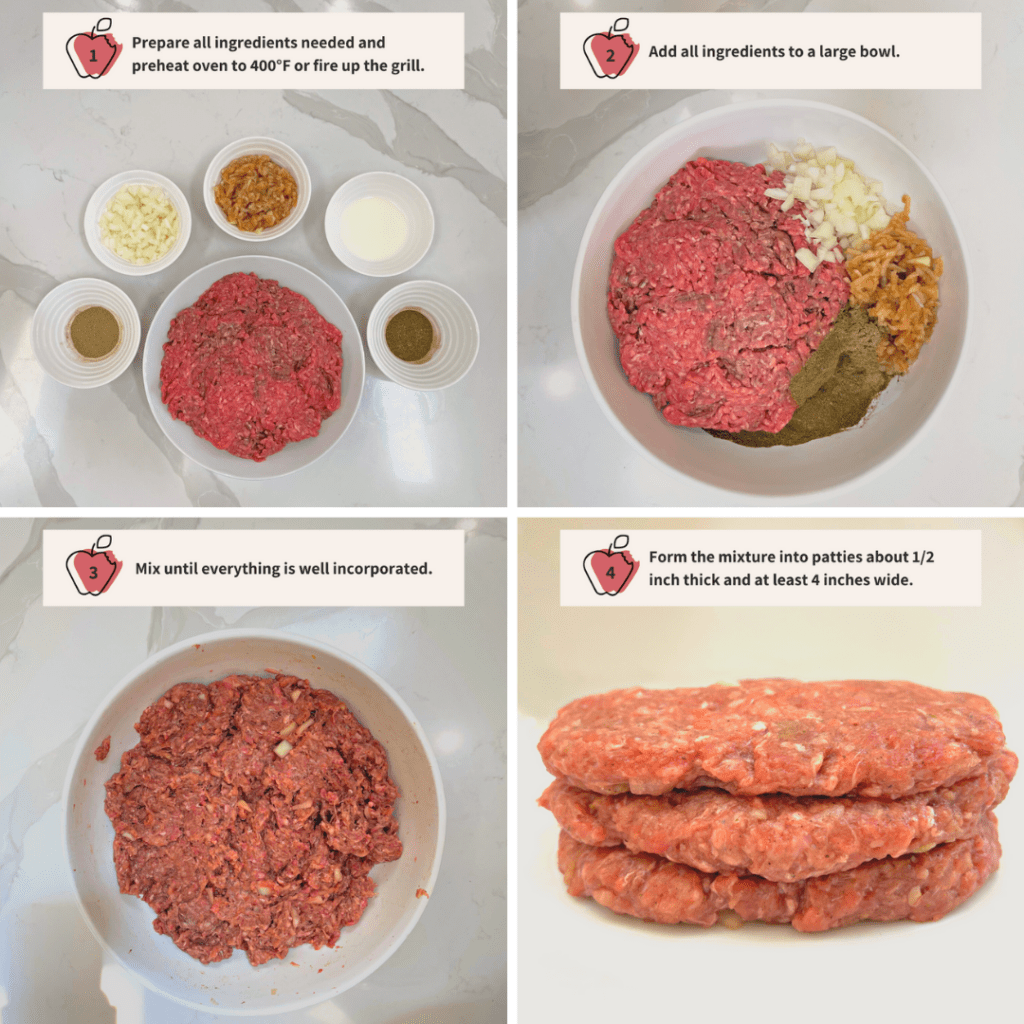
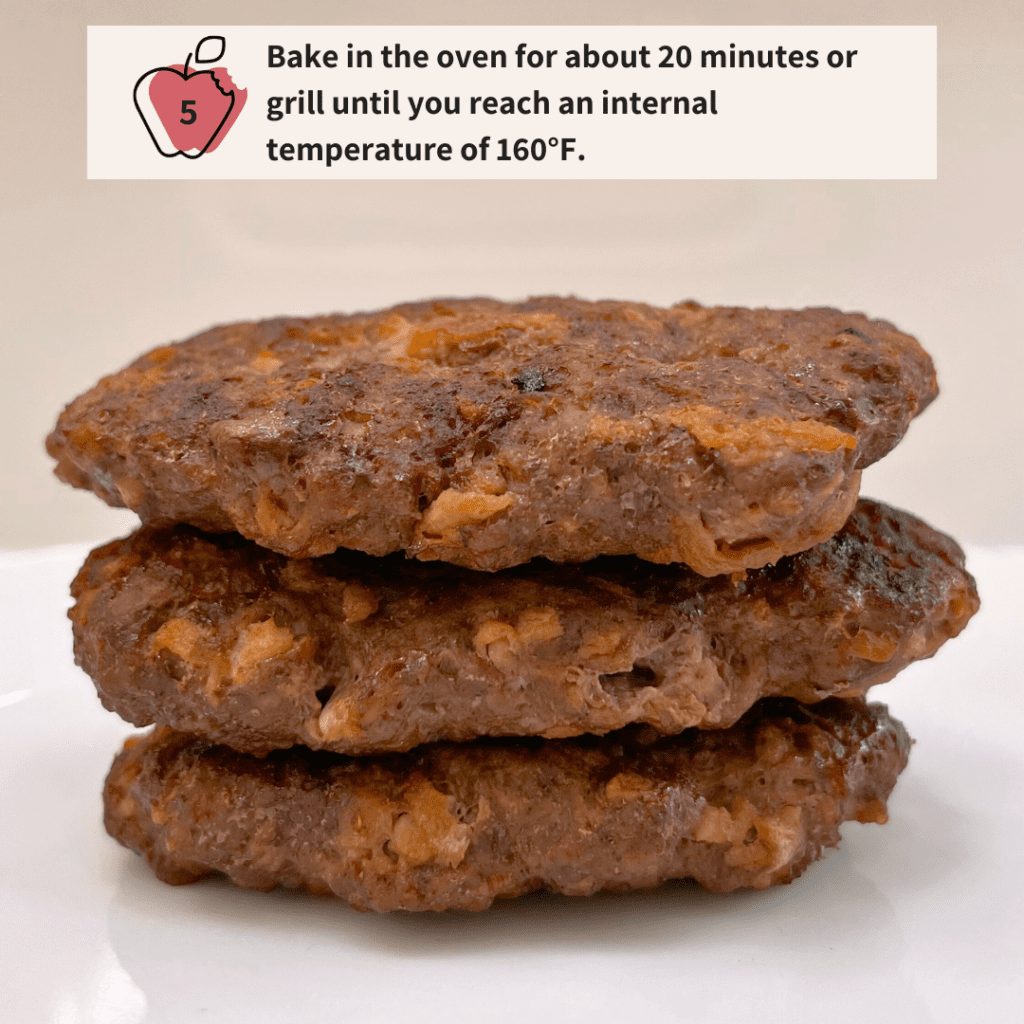
When preparing ground beef, internal temperature is the most critical metric. The United States Department of Agriculture (USDA) recommends cooking ground beef to an internal temperature of 160°F (71°C) to eliminate harmful pathogens such as E. coli and Salmonella.
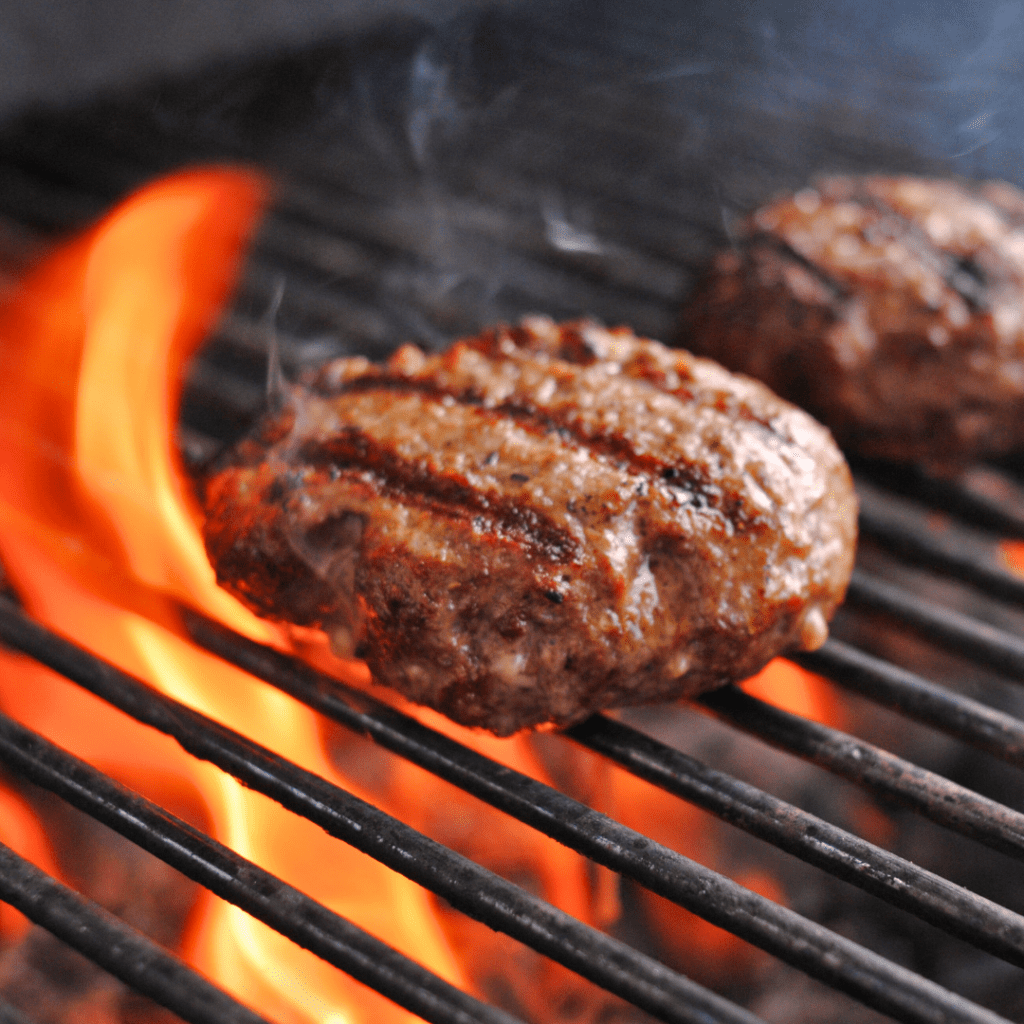
While grilling is a popular cooking method, it can produce heterocyclic amines (HCAs) and polycyclic aromatic hydrocarbons (PAHs) at very high temperatures. While the risks associated with these compounds are generally linked to high-volume, long-term exposure, many pediatric nutritionists advise that slower, lower-temperature cooking methods—such as baking, roasting, or poaching—should be the primary preparation techniques for infants and toddlers.
Conclusion and Broader Implications
The inclusion of ground beef in an infant’s diet is a evidence-based strategy for preventing iron deficiency and supporting healthy development. By prioritizing fresh, minimally processed meat, focusing on age-appropriate textures, and ensuring safe preparation, parents can confidently introduce this nutrient-dense food. As with any major dietary change, caregivers should monitor their child for signs of allergic reactions—though meat allergies are rare—and consult with a pediatrician or registered dietitian if there are concerns about specific nutritional needs or developmental milestones. Through careful planning, ground beef can serve as a simple, effective, and wholesome component of a child’s foundational eating habits.