The Ultimate Summer Quinoa Salad With Fresh Garden Vegetables Brings Farm-To-Table Dining Home

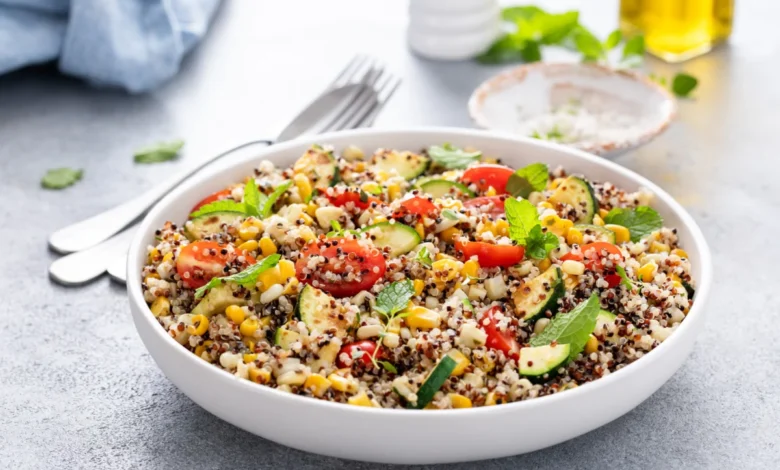
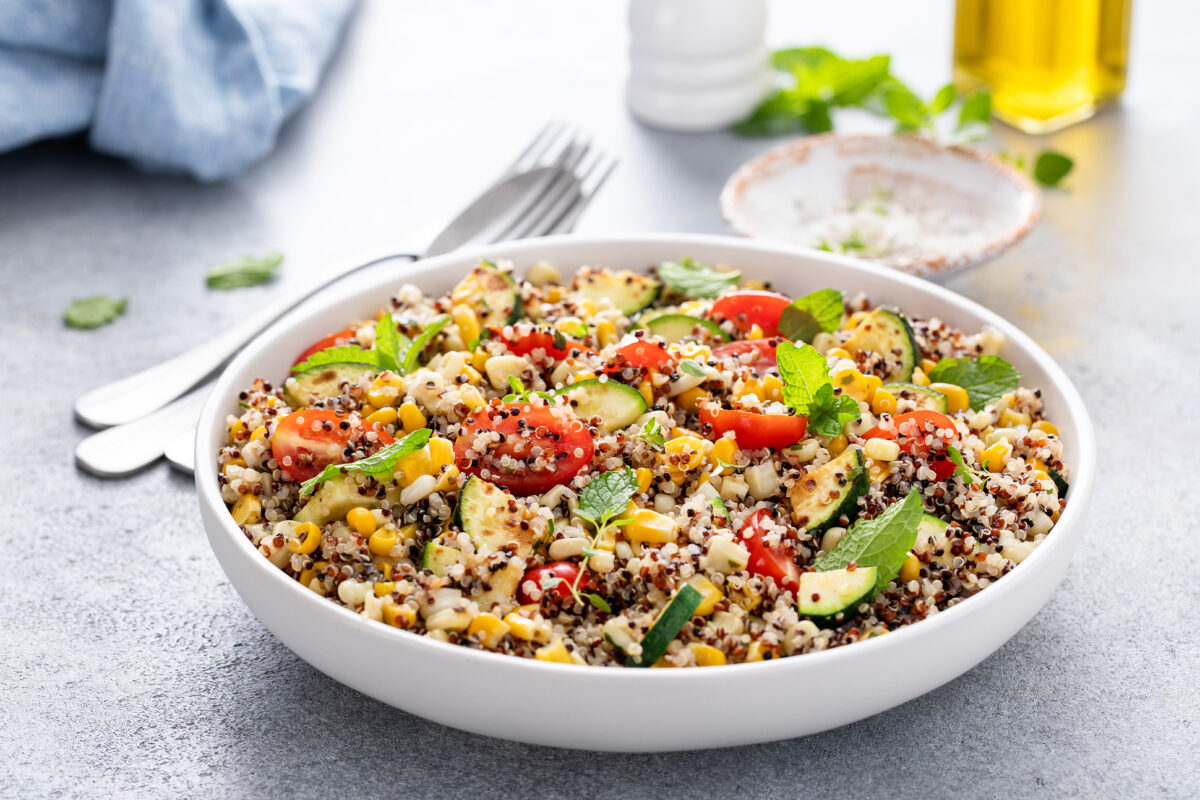
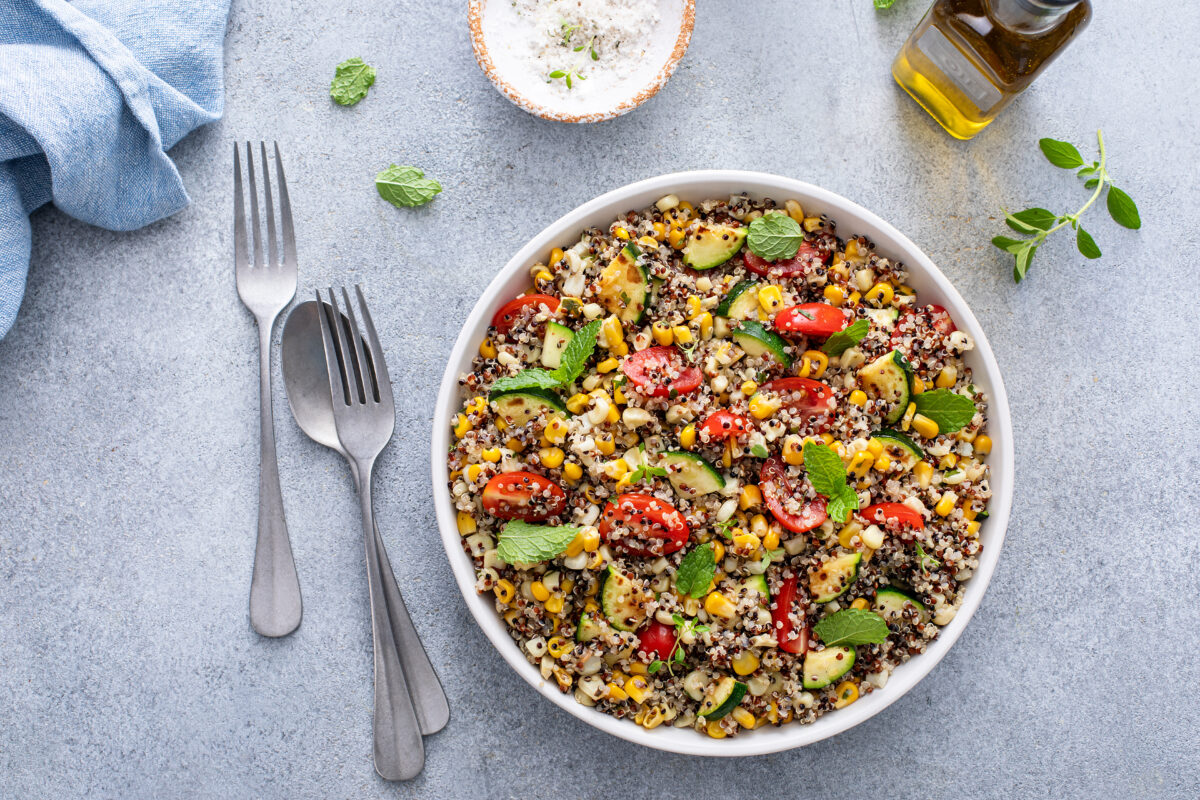
As backyard gardens and local farmers markets reach their seasonal peaks, home cooks and culinary enthusiasts are increasingly turning toward wholesome, plant-based recipes that celebrate the abundance of summer produce. Among the most versatile and nutritionally dense options gaining traction this season is the vibrant garden quinoa salad, a dish combining sweet corn, tender zucchini, juicy cherry tomatoes, and fragrant basil, all tied together with a zesty, house-made lemon dressing.
This culinary staple has transitioned from a niche health-food item to a mainstream dining favorite, praised by nutritionists and chefs alike for its remarkable ability to bridge the gap between rich flavor profiles and dense nutritional requirements. Designed to serve as a light side dish for weekend barbecues, neighborhood potlucks, or structured weekly meal-prep regimens, the salad highlights a growing consumer preference for adaptable, nutrient-dense meals that withstand the rigors of travel and refrigeration without losing texture or taste.
Nutritional Profile and the Rise of Quinoa in Modern Diets
Quinoa, scientifically classified as Chenopodium quinoa, has been cultivated in the Andean region of South America for more than 5,000 years. Although it is prepared and consumed in much the same manner as a traditional cereal grain, it is botanically a pseudocereal—specifically, the seed of a broadleaf plant closely related to spinach, chard, and beets.
In recent decades, international demand for quinoa has surged due to its exceptional nutritional profile. Unlike most plant-based foods, quinoa is a complete protein, meaning it contains all nine essential amino acids that the human body cannot synthesize on its own. Furthermore, it is naturally gluten-free, rich in dietary fiber, and packed with essential minerals such as iron, magnesium, and potassium.
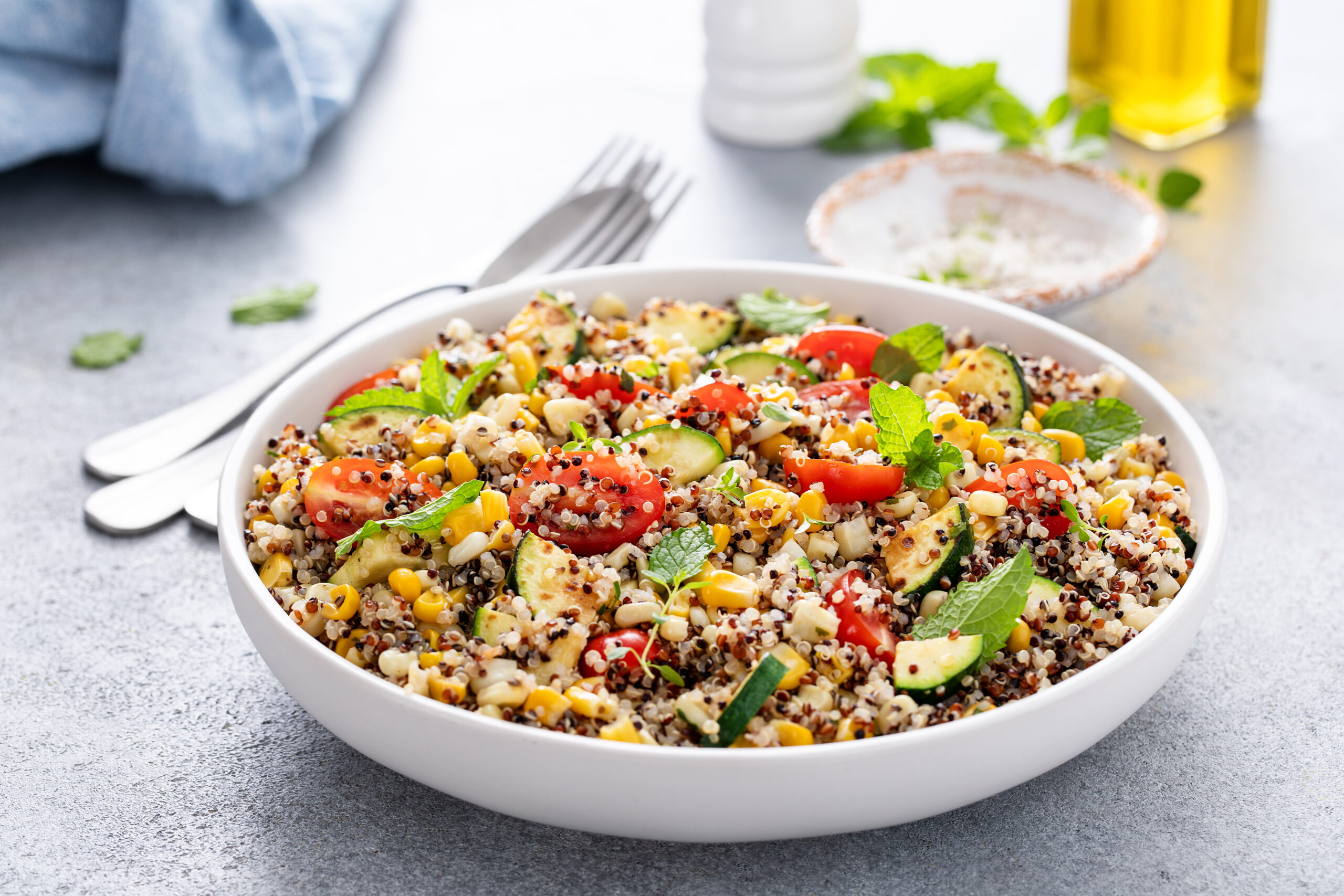
Culinary experts note that quinoa’s mild, nutty flavor and fluffy texture make it an ideal canvas for seasonal vegetables. White quinoa, prized for its soft texture and delicate taste, is frequently recommended for cold salads, while tricolor blends offer enhanced visual appeal and a slightly firmer bite. Crucially, nutritionists emphasize the importance of properly rinsing quinoa prior to cooking to remove saponin—a naturally occurring chemical compound that guards the plant against insects but imparts a bitter, soapy flavor if left unwashed.
Culinary Integration: Marrying Grain and Garden Produce
The creation of an exceptional garden quinoa salad relies heavily on balancing textures, temperatures, and timing. Culinary timelines for preparing the dish typically span approximately 50 minutes, broken down into 15 minutes of active preparation, 20 minutes of cooking time, and an essential 15-minute cooling phase.
Professional kitchen standards dictate that cooked quinoa must be allowed to cool completely—often accelerated by spreading the grains across a baking sheet—before being combined with delicate ingredients such as fresh tomatoes and basil. Introducing hot grains to fresh herbs and high-moisture vegetables can cause premature wilting and undesirable mushiness.
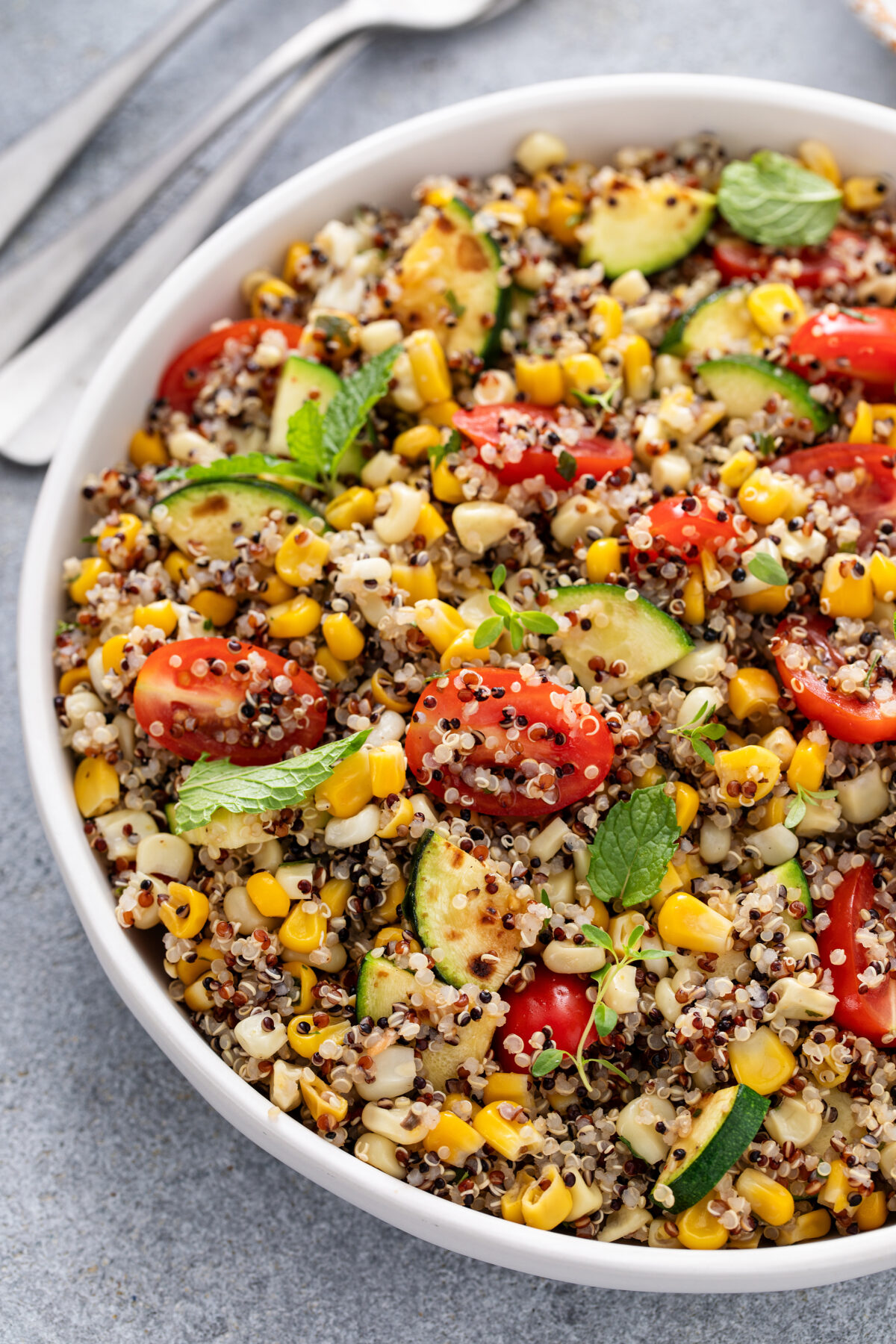
Similarly, culinary protocols for the vegetable components require precision. Zucchini and sweet corn benefit from a brief sautéing process, yielding a tender-crisp texture that enhances natural sweetness without releasing excess water into the salad bowl. Chefs advise against overcooking the zucchini, as excess moisture compromises the structural integrity of the dish over extended refrigeration periods.
Versatility and Customization Trends
Market analysts tracking culinary trends note a significant consumer shift toward customizable home-cooking formulas. The garden quinoa salad exemplifies this trend, serving as a flexible template that accommodates regional availability, dietary restrictions, and personal preferences.
For individuals seeking to elevate the dish into a complete, protein-dense main course, various additions have become standard practice. Incorporating grilled chicken, roasted chickpeas, black beans, or hard-boiled eggs significantly increases the protein content, transforming a side dish into a robust luncheon entree. Dairy integrations, such as crumbled feta cheese or fresh mozzarella pearls, offer a Mediterranean- or Caprese-inspired flavor profile, while healthy fats from sliced avocados, toasted almonds, or sunflower seeds add textural contrast.
Vegan adjustments remain straightforward, requiring only the substitution of natural sweeteners like maple syrup for honey within the lemon dressing, and the omission of dairy toppings. This adaptability has made the recipe a favorite among households managing multiple dietary preferences simultaneously.
Broader Economic and Agricultural Implications
The popularity of vegetable-forward grain salads reflects broader macroeconomic trends in agriculture and consumer spending. With grocery inflation prompting consumers to seek economical, versatile ingredients, staples like quinoa, carrots, corn, and zucchini offer high nutritional value per dollar.
Furthermore, the surge in demand for locally sourced summer vegetables provides a vital economic boost for regional farmers markets and small-scale agricultural producers. Agricultural economists point out that dishes utilizing seasonal abundance help reduce food waste, allowing households to repurpose surplus garden yields into durable, meal-prepped lunches that maintain quality for up to several days.
As public health campaigns continue to emphasize the importance of plant-rich diets in preventing chronic illnesses, recipes that successfully introduce nutrient-dense foods—such as whole grains and leafy herbs—to younger demographics play a valuable role in dietary education. By combining vibrant colors, familiar sweetness from corn, and approachable textures, dishes like the garden quinoa salad demonstrate that healthy eating can remain both accessible and deeply satisfying.