Introducing PishPosh Baby’s Rental Program: A Strategic Shift in the Modern Juvenile Products Market

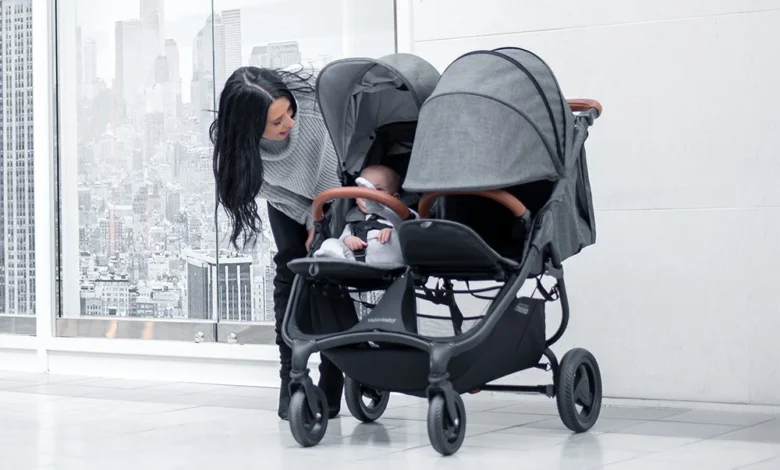
The landscape of modern parenting is undergoing a significant transformation as families increasingly prioritize sustainability, economic efficiency, and spatial optimization. PishPosh Baby, a prominent retailer in the high-end juvenile products sector, has officially launched a comprehensive rental program designed to address these evolving consumer demands. Announced on June 25, 2024, the initiative allows parents to access premium baby gear—including strollers, swings, and carriers—on flexible weekly or monthly terms, marking a departure from the traditional retail model of permanent ownership.
The Economic Drivers of the Rental Model
The decision to pivot toward a rental-based circular economy is supported by shifting demographics and economic pressures facing young families. According to recent retail data, the average cost of outfitting a nursery with premium, name-brand gear can exceed several thousand dollars, a significant expenditure for items that often serve a specific developmental purpose for only a few months.
Industry analysts note that high-quality baby products, such as specialized sleep bassinets or ergonomic infant swings, have a utility window that is often limited to the first six months of a child’s life. Once a child reaches developmental milestones such as rolling over or sitting up, many of these high-ticket items become redundant. By introducing a rental tier, PishPosh Baby is positioning itself to capture a segment of the market that is wary of the "buy-and-discard" cycle, which has historically contributed to household clutter and environmental waste.
Historical Context and Retail Evolution
The retail industry has long struggled with the "short-term use" paradox. In the past, the secondary market—comprising consignment shops and online marketplaces—was the primary solution for parents looking to recoup costs. However, these channels often lack the rigorous safety and sanitation standards required for baby products. PishPosh Baby’s entry into the rental space suggests a move toward professionalizing the secondary life cycle of consumer goods.
This model mirrors trends seen in other sectors, such as high-end fashion and technology, where subscription-based access has replaced capital-intensive ownership. By managing the inventory directly, the company can ensure that every rented item meets strict safety compliance and maintenance standards, providing a level of assurance that private peer-to-peer marketplaces cannot guarantee.
Logistical Framework and Operational Strategy
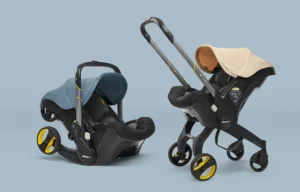
The operational logistics of the PishPosh Baby rental program are designed for scalability. Clients select their required items through the company’s digital platform, choosing between weekly or monthly durations. The program is framed as a "risk-free" trial, allowing parents to test expensive equipment—such as the UPPAbaby Vista V2 or various smart-swings—before making a long-term financial commitment.
For the company, this strategy serves a dual purpose: it lowers the barrier to entry for luxury products and creates a "try-before-you-buy" funnel. Data suggests that consumers are more likely to purchase a product after a successful trial period. To accommodate this, PishPosh Baby has included a "buy-out" option, allowing customers to retain the equipment indefinitely if it becomes a staple in their household. This flexibility is intended to remove the anxiety associated with expensive, permanent purchases.
Addressing the Needs of Minimalists and Jetsetters
Beyond the cost-benefit analysis, the rental program serves two specific consumer profiles: the urban minimalist and the traveling family.
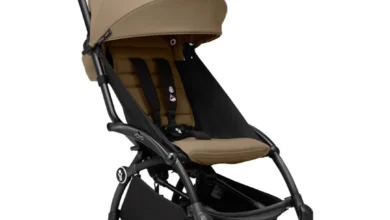
In major metropolitan areas, square footage is at a premium. The accumulation of bulky items like playards and strollers often presents a storage challenge for parents living in smaller apartments. By offering short-term rentals, the company provides a solution for "gear-on-demand," where items are delivered when needed and returned when they have served their purpose.
Furthermore, the program addresses the logistics of family travel. Transporting heavy, specialized gear—such as a Thule child carrier for hiking or a Jetkids bedbox for air travel—is a frequent pain point for modern families. By allowing parents to rent gear at their destination or for the duration of a trip, PishPosh Baby is effectively lowering the physical and financial burden of family travel, potentially influencing how parents plan their vacations.
Market Implications and Future Outlook
The introduction of this service carries broader implications for the juvenile products industry. As sustainability becomes a core value for millennial and Gen Z parents, retailers that offer circular economy solutions—refurbishing, recycling, or renting products—are likely to see higher brand loyalty.
From an environmental perspective, the rental model encourages the longevity of products. When a high-quality bassinet is shared among five families rather than purchased and eventually discarded by one, the overall carbon footprint per use is significantly reduced. While the company has not released specific carbon-impact metrics, the shift is aligned with broader industry goals to reduce waste in the consumer goods supply chain.
Industry observers also point to the potential impact on brand value. By making premium brands more accessible, manufacturers may reach a wider demographic, potentially increasing total market penetration. If successful, the PishPosh Baby model may pressure competitors to adopt similar leasing structures to maintain relevance in an increasingly cautious and environmentally conscious consumer landscape.
Safety, Sanitation, and Consumer Trust
A critical aspect of the rental service is the maintenance protocol. For parents, the primary concern regarding used gear is hygiene and safety. PishPosh Baby has indicated that their internal processes for sanitizing and inspecting returns are foundational to the program’s viability. While the company has not provided a detailed breakdown of their cleaning standards in this announcement, the success of the program will rely heavily on consumer trust in these protocols.
For the program to achieve long-term growth, it must effectively balance the overhead costs of cleaning, maintenance, and logistics with the rental fees. If the price point is set correctly, it offers a sustainable alternative to the traditional retail model, effectively decoupling "use" from "ownership."
Conclusion
The launch of the PishPosh Baby rental program represents a strategic evolution in how high-end baby gear is consumed. By offering a flexible, service-oriented alternative to ownership, the company is addressing the pain points of cost, storage, and long-term commitment that have historically defined the juvenile retail market. As consumer preferences continue to favor access over accumulation, this initiative stands as a significant case study in how established retailers can adapt to a changing economic environment. Whether this model becomes the standard for the industry or remains a niche offering for the convenience-oriented parent remains to be seen, but it undoubtedly signals a shift in the philosophy of modern parenting.