High-Protein Caesar Chicken Bake Offers a Nutritious Twist on Comfort Food Classics

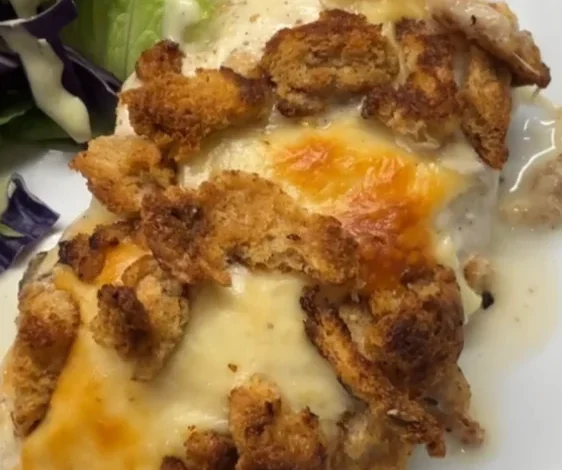
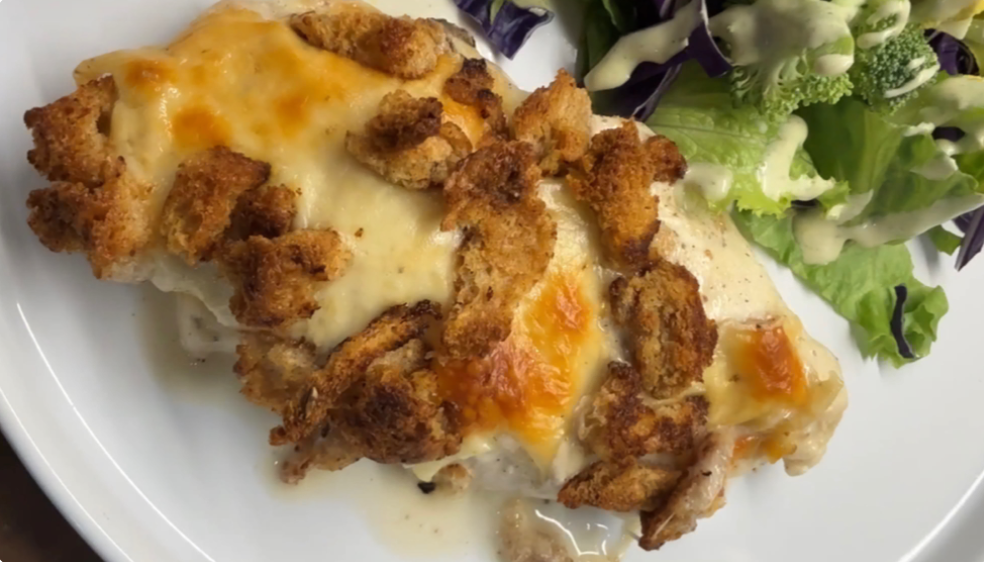
In the ever-evolving landscape of modern domestic cuisine, home cooks increasingly seek culinary solutions that successfully bridge the gap between comforting, indulgent flavors and health-conscious nutritional profiles. Addressing this widespread demand, recipe developer Sara Judkins has officially introduced a new family-friendly dish: the High-Protein Caesar Chicken Bake. Debuting on culinary platforms this month, the recipe combines tender chicken breasts, creamy Caesar dressing, melted provolone cheese, and a signature layer of homemade protein croutons. Designed to replicate the rich, savory appeal of a traditional heavy chicken casserole, this innovative bake delivers significantly higher protein content and a lighter overall nutritional structure, meeting the needs of busy households prioritizing wellness without sacrificing taste.
The culinary concept behind the Caesar chicken bake emerges from a broader consumer trend favoring macro-friendly comfort foods. Traditional casseroles often rely on heavy cream, refined flours, and excessive quantities of high-fat cheese, which can lead to sluggish digestion and caloric overconsumption during hectic weeknights. Judkins, a prominent new contributor to family nutrition spaces, formulated this dish to streamline preparation while optimizing dietary intake. By utilizing lean poultry cuts combined with protein-enriched bread alternatives, the recipe addresses common nutritional deficits in standard weeknight dinners, offering a balanced meal that supports muscle recovery and sustained energy for children and adults alike.
The systematic development and formal rollout of the recipe followed a rigorous testing phase focused on maximizing efficiency and flavor harmony. Preparation begins with the selection of high-grade chicken breasts, which are prepped to ensure uniform thickness—a critical step for even heat distribution in domestic ovens. Cooks are advised to butterfly or gently pound thicker cuts to prevent uneven cooking, ensuring the poultry retains its natural moisture during the baking process.
Chronologically, the culinary assembly requires approximately 15 minutes of active preparation. The foundational layer of seasoned chicken is coated generously with a creamy Caesar dressing, which acts both as a moisture-locking marinade and a rich flavor base. Following the application of the dressing, slices of provolone cheese are layered over the poultry, introducing a savory, melt-in-your-mouth texture. Concurrently, the preparation of the crunchy topping involves toasting protein bread or traditional sourdough cubes in a skillet with a minimal amount of butter until golden brown. This component is distributed over the cheese just prior to baking, creating a dual-texture profile that contrasts the creamy interior with a crisp exterior. The dish is then baked at a controlled temperature for approximately 25 to 30 minutes, culminating in a brief resting period to allow the internal juices and melted dairy components to stabilize before serving.
Nutritional analysts and culinary experts note that dishes like the High-Protein Caesar Chicken Bake represent a significant shift in how families approach meal planning. According to recent dietary trend reports, consumer interest in high-protein, low-prep dinners has risen steadily as households navigate demanding work and school schedules. By incorporating specialty items such as protein bread—often formulated with wheat isolates, pea protein, or ancient grains—home cooks can elevate the macronutrient profile of standard comfort foods without altering familiar flavor profiles. Furthermore, the adaptability of the recipe allows for various dietary modifications, including the use of light Caesar dressings, part-skim cheeses, or gluten-free bread alternatives, accommodating a wide spectrum of nutritional requirements.
In statements regarding the culinary philosophy behind her latest creation, Sara Judkins emphasized accessibility and practical application for modern families. "The goal was to create something that feels like an indulgence but serves a functional purpose in a balanced diet," cooking and nutrition advocates note. By streamlining the ingredient list to items commonly found in standard household pantries, the recipe removes traditional barriers to home cooking, encouraging families to reduce reliance on heavily processed convenience foods.
The broader implications of the Caesar chicken bake extend into the realm of domestic economics and nutritional education. As grocery prices fluctuate, versatile chicken-based main courses remain a staple of cost-effective meal planning. The ability to transform basic staples—chicken breasts, bread, and dressing—into a gourmet-style casserole provides consumers with economic relief while maintaining high dietary standards. Moreover, the dish’s compatibility with various side pairings, such as fresh chopped romaine salads, quinoa, or roasted root vegetables, promotes the integration of fiber-rich micronutrients into daily diets.
As home cooking continues to adapt to contemporary health paradigms, recipes that successfully marry nutrition, speed, and flavor are expected to dominate culinary media. The High-Protein Caesar Chicken Bake stands as a prime example of this movement, offering a reliable blueprint for weeknight dining that satisfies both the palate and contemporary nutritional objectives. With its straightforward preparation steps, adaptable ingredient variations, and focus on lean proteins, the dish provides a sustainable model for modern family nutrition that will likely influence future iterations of comfort food classics.