Federal and Local Leaders Convene in Birmingham to Address Maternal Mortality Through Doula Workforce Integration

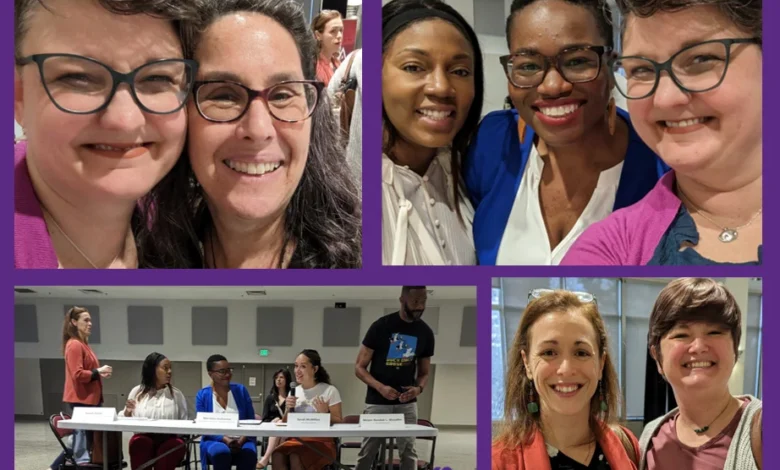
On February 24, 2023, the U.S. Department of Labor Women’s Bureau joined forces with the City of Birmingham, Alabama, to host a high-level roundtable discussion focused on the integration of doulas into the healthcare workforce. This strategic meeting, held in a state grappling with some of the highest maternal and infant mortality rates in the nation, sought to position doula care as a critical component of the public health response. The event brought together federal officials, municipal leaders, healthcare providers, and international advocacy organizations to dismantle systemic barriers and foster a collaborative environment for maternal health reform.
The roundtable was co-hosted by Malaina Guillaume and Sonya Black of the U.S. Department of Labor’s Women’s Bureau, alongside Birmingham Mayor Randall Woodfin and Sarah McMillan, the City of Birmingham’s Manager of Workforce and Talent. Representing the professional doula community was Dr. Hillary Melchiors, President of DONA International, who provided insight into the professionalization of the doula workforce and the scalable benefits of non-clinical birth support.
The Context of the Maternal Health Crisis in Alabama
The selection of Birmingham as the site for this discussion was driven by the urgent need to address disparities in reproductive outcomes. Alabama consistently ranks among the most challenging states for maternal health in the United States. According to data from the Centers for Disease Control and Prevention (CDC) and the Alabama Maternal Mortality Review Committee, the state’s maternal mortality rate has historically exceeded the national average, with Black birthing persons facing a disproportionately higher risk of pregnancy-related complications and death.
Infant mortality rates in the region further underscore the crisis. In many parts of Alabama, access to obstetric care is limited by the closure of rural hospitals and a shortage of maternal health specialists. This "maternity care desert" phenomenon has forced a reliance on innovative, community-based solutions. The roundtable served as a platform to discuss how doulas—trained professionals who provide continuous physical, emotional, and informational support to birthing persons before, during, and after childbirth—can fill these gaps by acting as advocates and navigators within a complex healthcare system.
Chronology of the Birmingham Initiative and Stakeholder Engagement
The February meeting was the culmination of ongoing efforts within the Birmingham community to formalize doula support. A key catalyst for this momentum was the city’s Building Opportunities for Lasting Development (BOLD) program. Recently, the BOLD program awarded significant funding to Birthwell Partners, a community doula training and service organization established in Birmingham in 2011.
The chronology of the initiative highlights a shift toward institutional support:
- 2011: Foundation of Birthwell Partners by Susan Petrus and Dalia Abrams to provide low-cost or free doula services to under-resourced families.
- 2020–2022: Increased research focus on community doula impacts, led by academic partners at the University of Alabama.
- Late 2022: The City of Birmingham identifies maternal health as a workforce development priority under Mayor Woodfin’s administration.
- Early 2023: Birthwell Partners receives BOLD funding specifically earmarked to train 32 new doulas, expanding the local workforce.
- February 24, 2023: The federal roundtable is convened to synchronize local efforts with national Department of Labor objectives.
The roundtable featured a diverse array of stakeholders, including Dr. Holly Horan, an assistant professor at the University of Alabama, and graduate researcher Emily Locke. Their ongoing research in collaboration with Birthwell Partners provides the empirical data necessary to advocate for policy changes, such as Medicaid reimbursement for doula services. Clinical perspectives were provided by Sheila Lopez, a Certified Nurse Midwife at UAB Hospital, ensuring that the discussion remained grounded in integrated care models.
Supporting Data on Doula Efficacy and Workforce Development
The push to integrate doulas into the formal workforce is supported by a growing body of clinical evidence. Research published in the Journal of Perinatal Education and the American Journal of Public Health indicates that the presence of a doula is associated with:
- A 39% reduction in the likelihood of Cesarean sections.
- A 15% increase in the likelihood of a spontaneous vaginal birth.
- Lower rates of preterm birth and low birth weight.
- Higher rates of breastfeeding initiation and duration.
- Significant reductions in reported birth trauma and postpartum depression.
Beyond clinical outcomes, the U.S. Department of Labor’s interest in doulas stems from the profession’s potential as a viable career path for women in the "care economy." By professionalizing doula work, the Women’s Bureau aims to create sustainable jobs that provide a living wage while simultaneously reducing the economic burden of poor maternal health outcomes, which costs the U.S. healthcare system billions of dollars annually in avoidable complications and extended hospital stays.
Addressing Barriers and Information Silos
A primary focus of the roundtable was the identification of barriers that prevent doula services from reaching the most vulnerable populations. Participants noted that while the demand for doulas is rising, several hurdles remain:
- Economic Barriers: In many states, doula services are paid for out-of-pocket, making them a luxury for many families. Discussions centered on the need for legislative action to include doula care in Medicaid coverage.
- Institutional Resistance: Some hospital environments remain hesitant to fully integrate non-clinical support staff. The roundtable emphasized the need for "breaking down silos" between community doulas and hospital-based medical teams.
- Certification and Standardization: Dr. Melchiors and DONA International highlighted the importance of rigorous training and certification standards to ensure that the doula workforce is viewed with the same professional respect as other healthcare contributors.
The meeting also addressed the "cacophonous discussion" regarding birthing person health. Dr. Melchiors emphasized that as a volunteer-run organization, DONA International is focused on ensuring the "doula voice" is not lost in the broader policy debates. This includes a commitment to inclusive language, recognizing that while the term "maternal" is often used in official government titles, the scope of care must extend to all birthing persons regardless of gender identity.
Official Responses and Strategic Implications
Mayor Randall Woodfin’s administration has positioned the BOLD program as a blueprint for municipal intervention in public health. By funding the training of 32 new doulas, the City of Birmingham is not only addressing mortality rates but also investing in the local economy. City Manager of Workforce and Talent Sarah McMillan noted that the initiative aligns with broader goals of talent retention and specialized training in the healthcare sector.
DONA International has signaled that it will continue to prioritize "pulling up a seat to the tables where doulas are being discussed." The organization’s leadership expressed a commitment to supporting local advocates through data, presence, and advocacy. This collaborative model—where international certifying bodies, federal labor departments, and local governments align—is expected to be replicated in other states facing similar maternal health crises.
Following the formal roundtable, stakeholders engaged in informal networking sessions at local venues such as The Pizitz Food Hall, where the conversation shifted toward the lived experiences of Alabama doulas. These practitioners shared stories of navigating the healthcare system in a state with restrictive reproductive policies, highlighting the doula’s role as a vital buffer between the patient and a strained medical infrastructure.
Broader Impact and Future Outlook
The Birmingham roundtable represents a significant milestone in the national movement to recognize doulas as essential workforce members. The implications of this meeting are expected to resonate across several sectors:
1. Policy Reform: The data and testimonials gathered in Birmingham provide ammunition for advocates pushing for the "Momnibus" legislation at the federal level, which includes provisions for diversifying the perinatal workforce and improving maternal nutrition and housing.
2. Economic Growth: By framing doula care as a workforce issue, the Department of Labor validates the profession as a legitimate career. This may lead to more federal grants for vocational training and apprenticeship programs in the care sector.
3. Health Equity: The focus on community-based doulas specifically targets the racial disparities in maternal health. By training doulas from within the communities they serve, the initiative addresses the cultural competency gaps that often lead to poor outcomes for Black birthing persons.
As the City of Birmingham moves forward with its BOLD-funded training programs, the eyes of the public health community will be on Alabama to see if this integrated approach can successfully lower mortality rates. The collaboration between the U.S. Department of Labor, DONA International, and local leaders serves as a powerful testament to the belief that maternal and infant mortality is not just a medical failure, but a social and economic challenge that requires a unified, multifaceted response.