Savoring Heritage While Managing Diabetes: Expert Strategies for Culturally Inclusive Nutrition


The intersection of cultural identity and medical nutrition therapy has long been a challenge for patients managing chronic conditions such as diabetes and prediabetes. Often, clinical dietary advice has been criticized for being overly prescriptive and Eurocentric, failing to account for the deep emotional and social significance of traditional cuisines. In a recent educational initiative hosted by DiabetesSisters, registered dietitian nutritionist and certified diabetes care and education specialist Vandana Sheth addressed this critical gap by presenting a framework designed to harmonize blood glucose management with the preservation of cultural culinary practices.
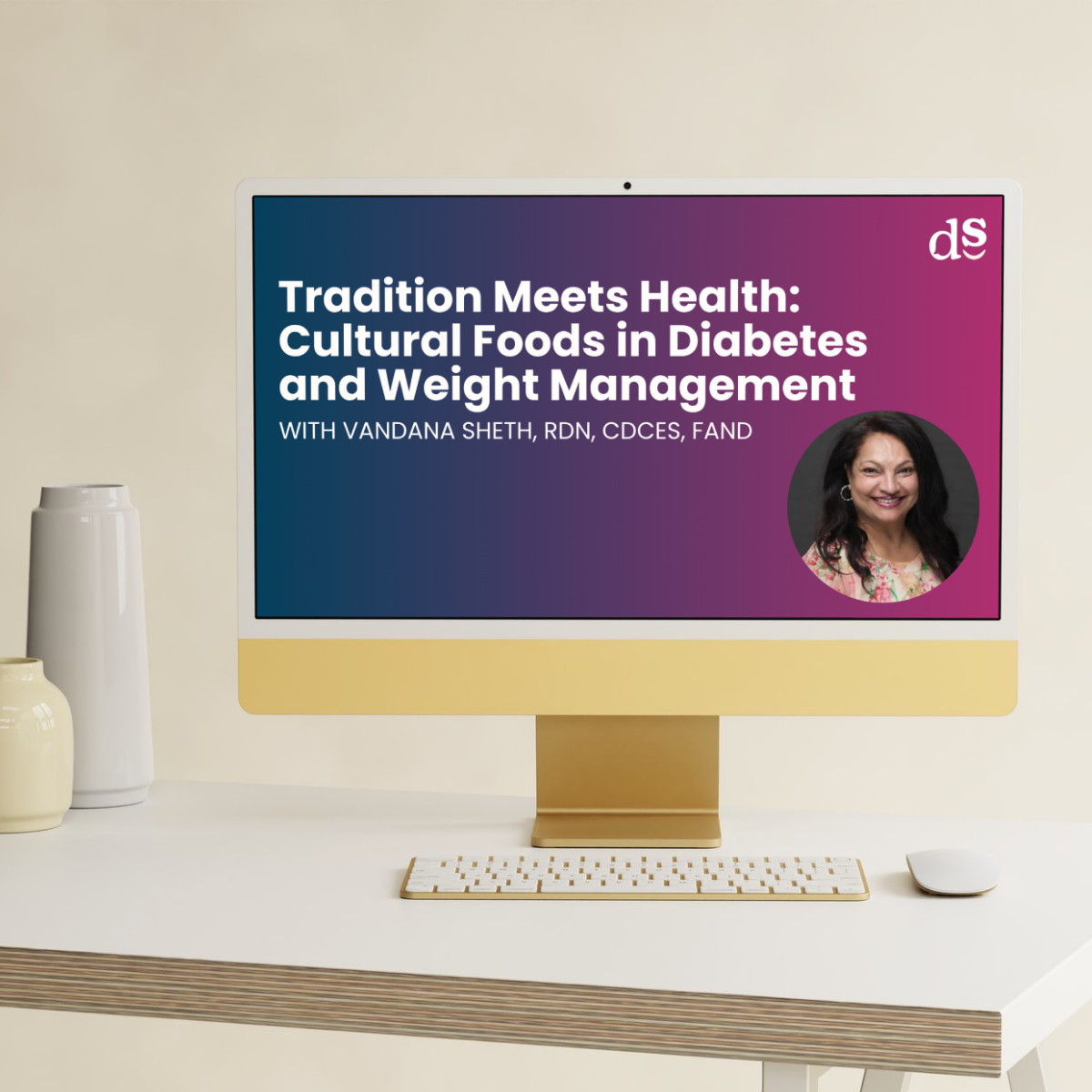
The webinar, titled "Enjoying Cultural Foods While Managing Diabetes," provides a pragmatic roadmap for individuals navigating the complexities of carbohydrate counting and glycemic control without necessitating the abandonment of their heritage. By utilizing a "Keep, Add, Adjust" methodology, Sheth offers a template that empowers patients to maintain their cultural connection to food while meeting stringent metabolic health targets.
The Evolution of Culturally Sensitive Diabetes Care
For decades, the standard of care for diabetes management relied heavily on rigid meal plans that often stigmatized non-Western foods. Patients from diverse backgrounds were frequently instructed to eliminate staple items such as rice, tortillas, plantains, or naan, under the assumption that these items were inherently incompatible with glycemic targets. This approach, however, often led to low adherence, feelings of isolation, and the perception that diabetes management was a punishment rather than a health-promoting endeavor.
The recent shift toward "medical nutrition therapy" (MNT) reflects a broader movement within the healthcare industry toward patient-centered care. According to the American Diabetes Association (ADA) Standards of Care in Diabetes, there is no single "diabetic diet." Instead, the ADA emphasizes that nutritional patterns should be individualized based on personal preferences, cultural background, and metabolic goals. This paradigm shift acknowledges that food is not merely fuel; it is a vital component of social cohesion, family history, and mental well-being.
The Keep, Add, Adjust Framework: A Technical Overview
Vandana Sheth’s "Keep, Add, Adjust" framework serves as a practical application of these current clinical guidelines. The framework is designed to move patients away from a restrictive mindset toward a strategy of nutritional optimization.
Keep: Preserving the Core of Identity
The "Keep" phase encourages individuals to identify the cornerstone foods of their culture that provide comfort and identity. Rather than labeling these foods as "off-limits," the strategy involves recognizing their presence in a balanced meal. For many, these staples—such as whole grains, legumes, or specific vegetable preparations—are actually nutritionally dense. The objective here is to maintain the psychological and social benefits of eating familiar meals while acknowledging their role in the overall dietary intake.
Add: Increasing Nutritional Density
The "Add" phase focuses on improving the glycemic index of a meal by incorporating complementary components rather than subtracting existing ones. This strategy utilizes the principles of fiber and protein loading. By adding non-starchy vegetables, lean proteins, or healthy fats to a traditional dish, the glycemic impact of the meal is buffered. For instance, pairing a carbohydrate-rich staple with a source of soluble fiber slows the absorption of glucose into the bloodstream, thereby mitigating postprandial hyperglycemia. This approach has been supported by various clinical studies demonstrating that the order of food consumption and the inclusion of fiber-rich additions can significantly improve HbA1c outcomes over time.
Adjust: Modifying Preparation for Metabolic Stability
The "Adjust" phase focuses on culinary techniques and portion management. This involves minor changes to traditional recipes—such as swapping a refined grain for a whole-grain alternative, modifying cooking methods (e.g., steaming or baking instead of deep-frying), or utilizing different spices to enhance flavor without increasing sodium or sugar content. By making these subtle modifications, the integrity of the dish is maintained while its physiological impact is significantly improved.
Clinical Implications and Supporting Data
The necessity for such strategies is supported by alarming trends in global diabetes prevalence. According to the International Diabetes Federation (IDF), approximately 537 million adults globally were living with diabetes in 2021, a number projected to rise to 783 million by 2045. A significant portion of this growth is occurring in regions where traditional diets are being rapidly replaced by ultra-processed foods—a phenomenon often termed the "nutrition transition."
Data from the Centers for Disease Control and Prevention (CDC) indicates that ethnic and racial minority groups in the United States face a disproportionate burden of diabetes and related complications. Barriers to care, including a lack of culturally competent nutritional education, contribute to these disparities. By providing patients with the tools to adapt their own cultural foods, clinicians like Sheth are addressing a fundamental barrier to health equity.
Research published in the Journal of the Academy of Nutrition and Dietetics has consistently shown that when nutritional interventions are culturally tailored, patients exhibit greater long-term adherence to dietary goals. This is largely because the patient feels respected and empowered, rather than coerced. The "Keep, Add, Adjust" method is not merely a weight-management strategy; it is a behavioral health intervention designed to reduce the friction between living with a chronic disease and living a normal, socially connected life.
Timeline of the Educational Initiative
The webinar represents the culmination of years of advocacy within the diabetes care community. The timeline of this shift in approach can be traced through several key milestones:
- 2015-2018: Increased professional discourse regarding the limitations of standardized, Western-centric diet plans in clinical settings.
- 2019: The release of the "Consensus Report on Nutrition Therapy for Adults with Diabetes or Prediabetes" by the ADA, which officially advocated for a more flexible, individualized approach to nutrition.
- 2020-2022: The COVID-19 pandemic accelerated the use of digital health platforms and webinars, allowing experts like Sheth to reach broader, more diverse audiences beyond the confines of local clinical offices.
- 2023-2024: Integration of cultural humility training into the certification process for Certified Diabetes Care and Education Specialists (CDCES), placing a greater emphasis on the intersectionality of diet, culture, and chronic disease management.
Official Reactions and Expert Perspectives
While the DiabetesSisters webinar focused on individual empowerment, the broader healthcare community has largely praised the shift toward culturally inclusive nutrition. Professional organizations, including the Academy of Nutrition and Dietetics, have increasingly highlighted the role of Registered Dietitian Nutritionists (RDNs) as essential mediators in this process.
"The goal of medical nutrition therapy is to provide sustainable, long-term health improvements," notes a leading researcher in diabetes management. "When we ask a patient to stop eating their traditional foods, we are asking them to sever a connection to their heritage. That is not sustainable. Strategies that encourage the modification of traditional meals, rather than their exclusion, represent the gold standard of modern, empathetic clinical practice."
However, experts also warn that this approach requires a high level of health literacy. Patients must be taught how to read labels, understand macronutrient composition, and recognize how different ingredients impact their unique physiological response to glucose. Consequently, the role of the RDN has evolved from that of a "gatekeeper" who dictates what can and cannot be eaten, to that of a "collaborator" who works with the patient to understand their unique food environment.
Broader Impact and Future Directions
The implications of adopting a culturally sensitive framework for diabetes management are far-reaching. Beyond improved glycemic control, such an approach can lead to better psychological outcomes, including reduced instances of "diabetes burnout" and improved quality of life. By normalizing the inclusion of cultural foods, clinicians can help dismantle the stigma associated with the disease.
Looking ahead, the focus of diabetes education is expected to shift further toward personalized nutrition, leveraging continuous glucose monitoring (CGM) data. By observing how specific cultural meals impact their real-time blood glucose levels, patients can use the "Keep, Add, Adjust" framework with surgical precision. This data-driven approach allows individuals to see the immediate effects of their dietary choices, providing instant feedback that reinforces positive behavioral changes.
Furthermore, public health initiatives are beginning to recognize the role of the food environment. Programs that provide education in community centers, religious institutions, and through digital platforms are essential for democratizing access to this type of care. The work of specialists like Vandana Sheth, disseminated through platforms like DiabetesSisters, serves as a model for how complex clinical information can be distilled into actionable, respectful, and effective guidance for diverse populations.
In conclusion, the integration of cultural foods into diabetes management is not an act of compromise, but an act of medical necessity. As the medical community continues to refine its approach to chronic disease, the lessons shared in this webinar underscore a vital truth: effective management is only possible when the patient’s identity, values, and traditions are honored as part of the healing process. By viewing cultural heritage as an asset rather than an obstacle, patients are better equipped to achieve their long-term health goals, ensuring that they can lead full, vibrant lives while successfully navigating the demands of diabetes.