Summer Meal Planning Strategies Emerge Amidst Outdoor Activities and Culinary Delights

As the summer season continues its vibrant swing, families are prioritizing outdoor activities and poolside leisure, prompting a renewed focus on efficient and enjoyable meal planning. This week’s curated meal plan offers a glimpse into strategies designed to balance busy schedules with wholesome, family-friendly dining. The featured dishes highlight the growing trend of home cooks seeking quick yet flavorful alternatives to traditional takeout, alongside the practical decision to support local establishments.
Weekday Culinary Innovations: Moo Shu Chicken Takes Center Stage
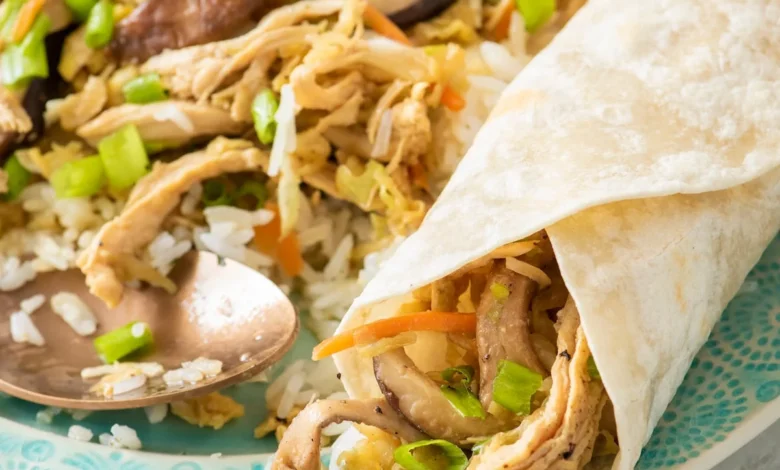
Thursday’s culinary spotlight shines on Moo Shu Chicken, a dish lauded for its remarkable speed of preparation. This recipe, detailed on Weelicious.com, transforms common ingredients into a vibrant and satisfying meal served over steamed white rice. The appeal of Moo Shu Chicken lies not only in its flavorful profile, a harmonious blend of savory, sweet, and tangy notes, but also in its efficiency. In an era where time is a precious commodity, particularly during summer breaks, recipes that deliver restaurant-quality taste with minimal kitchen time are highly valued.
The inclusion of Moo Shu Chicken in a weekly meal plan reflects a broader culinary shift. Consumers are increasingly looking for ways to replicate beloved takeout dishes at home, driven by a desire for healthier ingredients, cost savings, and the satisfaction of homemade cooking. According to a 2023 report by Statista, the global market for healthy eating is projected to reach $1.17 trillion by 2027, indicating a strong consumer preference for nutritious options. Homemade versions of popular dishes like Moo Shu Chicken allow individuals to control the fat, sodium, and sugar content, aligning with these health-conscious trends.
The original recipe’s emphasis on speed suggests a strategic approach to weekday dinners. The ability to prepare a complex-tasting dish in a short timeframe is crucial for parents and individuals juggling work, childcare, and extracurricular activities. This efficiency is a key selling point for recipes shared on platforms like Weelicious, which aims to simplify healthy eating for families. The visual appeal of Moo Shu Chicken, as depicted in accompanying imagery, further enhances its desirability, showcasing a colorful and texturally rich dish that is both appetizing and nutritious.
Weekend Culinary Flexibility: Embracing Local Dining and Rest
Saturday’s meal plan takes a different approach, advocating for a strategic "order in from local restaurant" option. This choice reflects a dual purpose: supporting local businesses and allowing for a welcome respite from daily cooking duties. The economic impact of supporting local restaurants is significant, particularly in the post-pandemic era. A study by the National Restaurant Association indicated that for every dollar spent at a restaurant, an additional $2 is generated in economic activity. By choosing to dine locally, consumers contribute directly to the economic vitality of their communities.
This approach also acknowledges the importance of work-life balance, even within the realm of meal preparation. After a week of potentially engaging in more involved home cooking, designating a day for takeout provides a valuable opportunity for relaxation and rejuvenation. It allows families to enjoy restaurant-quality food without the associated time and effort of preparation and cleanup. This strategic inclusion of a "rest" day in the meal plan underscores a holistic approach to family well-being, recognizing that downtime is as essential as nutritious meals.

The decision to order from a local restaurant can also be framed as an opportunity to explore diverse culinary offerings within the community. It can serve as an educational experience for children, exposing them to different cuisines and the importance of supporting local entrepreneurs. This practice fosters a connection to the local food ecosystem and encourages a mindful approach to consumption.
The Art of Family Meal Planning: Efficiency, Health, and Community
The overarching theme emerging from this week’s meal plan is the intersection of culinary efficiency, health consciousness, and community engagement. The author, Catherine, a mother of three and founder of Weelicious, emphasizes her core belief that "all kids can be great eaters and mealtime must be easy." This philosophy underpins the selection of recipes and strategies presented. Her background as a "Kentucky girl living in California" likely informs her approach, blending traditional comfort with modern, health-oriented living.
The creation of simple, healthy recipes that appeal to the entire family is a critical objective for many households. In a society where busy schedules often lead to reliance on processed foods or less nutritious options, platforms and individuals dedicated to providing accessible, family-friendly meal solutions play a vital role. The data suggests a growing demand for such resources. The global online food delivery market, for instance, has seen exponential growth, indicating a consumer desire for convenience. However, the emphasis on homemade options for certain meals, like the Moo Shu Chicken, suggests a nuanced approach that values both convenience and control over ingredients.
Broader Implications for Household Management and Culinary Trends
The strategies highlighted in this meal plan have broader implications for household management and evolving culinary trends. The emphasis on quick-prep meals during busy periods is a testament to the changing pace of modern life. As more dual-income households and single-parent families navigate demanding schedules, the demand for recipes that are both healthy and time-efficient will continue to rise. This trend is likely to drive innovation in the food industry, with a greater focus on meal kits, pre-portioned ingredients, and readily available healthy options.
Furthermore, the conscious decision to support local restaurants reflects a growing awareness of the importance of community economics. Consumers are increasingly seeking ways to contribute positively to their local environments, and supporting small businesses is a tangible way to do so. This conscious consumerism extends beyond dining choices, influencing purchasing decisions across various sectors.
The integration of a "rest" day in the meal plan also speaks to a more holistic view of family well-being. Meal planning is no longer solely about sustenance; it is about creating positive family experiences, fostering healthy habits, and managing time effectively. This integrated approach recognizes that a well-rounded life includes not only nutritious meals but also opportunities for relaxation and connection.
In conclusion, the presented meal plan, with its focus on efficient homemade dishes and strategic support for local dining, offers a practical and insightful model for contemporary families. It underscores the ongoing evolution of culinary practices, driven by a desire for health, convenience, and community engagement. As summer activities continue to unfold, these strategies provide a framework for enjoyable and manageable mealtimes.