Fueling the Future: A Comprehensive Guide to High-Protein Snacks for Young Athletes


The demands placed on young athletes today extend far beyond the traditional confines of physical education class. With youth sports evolving into a year-round landscape of intensive club practices, weekend tournaments, multi-game schedules, and rigorous training regimens, growing bodies require sophisticated nutritional support. Managing the dietary needs of active children involves more than simply increasing caloric intake; it requires a strategic balance of macronutrients to sustain energy, repair muscle tissue, and promote optimal growth. Nutritionists and pediatric sports dietitians increasingly emphasize that fueling young competitors does not necessitate expensive commercial supplements, specialized shakes, or premium sports bars. Instead, whole-food solutions prepared at home offer the optimal matrix of proteins, complex carbohydrates, healthy fats, and essential micronutrients necessary for athletic success.
The Physiological Foundations of Youth Sports Nutrition
To understand the necessity of targeted snacking, one must first examine the physiological demands of childhood and adolescent athletics. Unlike sedentary peers, young athletes continually deplete their glycogen stores—the body’s primary source of quick energy derived from carbohydrates—during prolonged physical exertion. Simultaneously, the physical stress of running, jumping, swimming, and resistance training causes micro-tears in muscle fibers. While protein is universally recognized for its role in muscle repair, sports science dictates that consuming protein in isolation is insufficient for recovery.
According to pediatric sports nutrition guidelines, the optimal post-exercise snack pairs a high-quality protein source with complex carbohydrates. Carbohydrates rapidly replenish depleted glycogen stores, while amino acids from proteins initiate muscle protein synthesis. Furthermore, healthy fats provide a secondary, sustained energy reserve and enhance satiety. Fluids remain a critical pillar of this ecosystem, as dehydration impairs both cognitive function and athletic performance. Consequently, designing an effective sports snack schedule requires balancing these four elements—protein, carbohydrates, healthy fats, and hydration—tailored specifically to the child’s age, body weight, intensity of activity, and proximity to the next scheduled meal.
Curated Whole-Food Options for Busy Sports Families

Bridging the gap between nutritional science and practical parenting requires recipes that are both nutrient-dense and appealing to a child’s palate. Sports dietitians have long advocated for versatile, easily transportable options that eliminate the reliance on heavily processed convenience foods.
Smoothies and Frozen Treats for Rapid Refueling
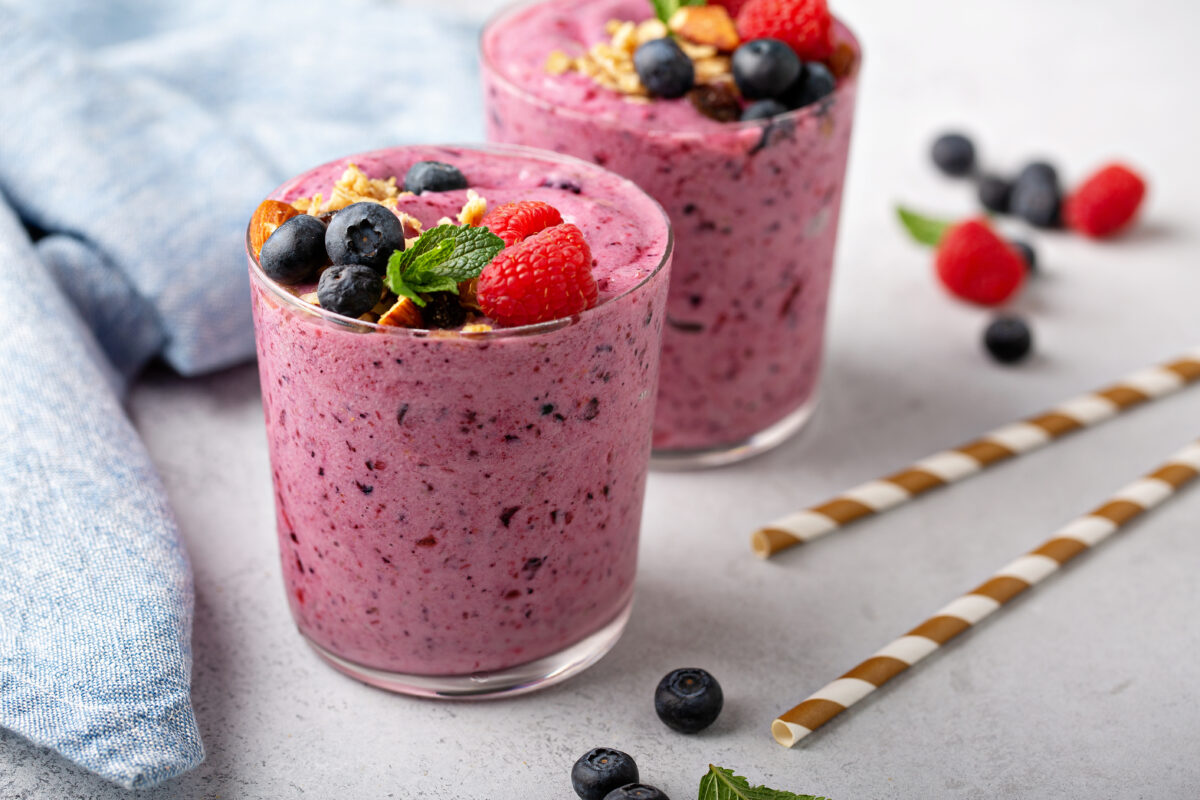
Liquid nutrition offers a distinct advantage for young athletes who experience suppressed appetites immediately following intense competition or cardiovascular exertion. Mixed berry protein smoothies, combining frozen berries, bananas, Greek yogurt, and milk, deliver a potent dual punch of carbohydrates and dairy-based proteins. The addition of ingredients such as chia seeds or ground flaxseed introduces essential omega-3 fatty acids. Similarly, homemade blueberry protein popsicles utilize Greek yogurt and antioxidant-rich fruit, serving as a cooling, highly palatable post-practice recovery tool during warmer months. For older adolescents with higher caloric demands, the raspberry quinoa smoothie incorporates cooked ancient grains directly into a blended beverage, yielding an impressive protein profile that rivals commercial recovery drinks without artificial additives.
Customizable Bowls and Spreads
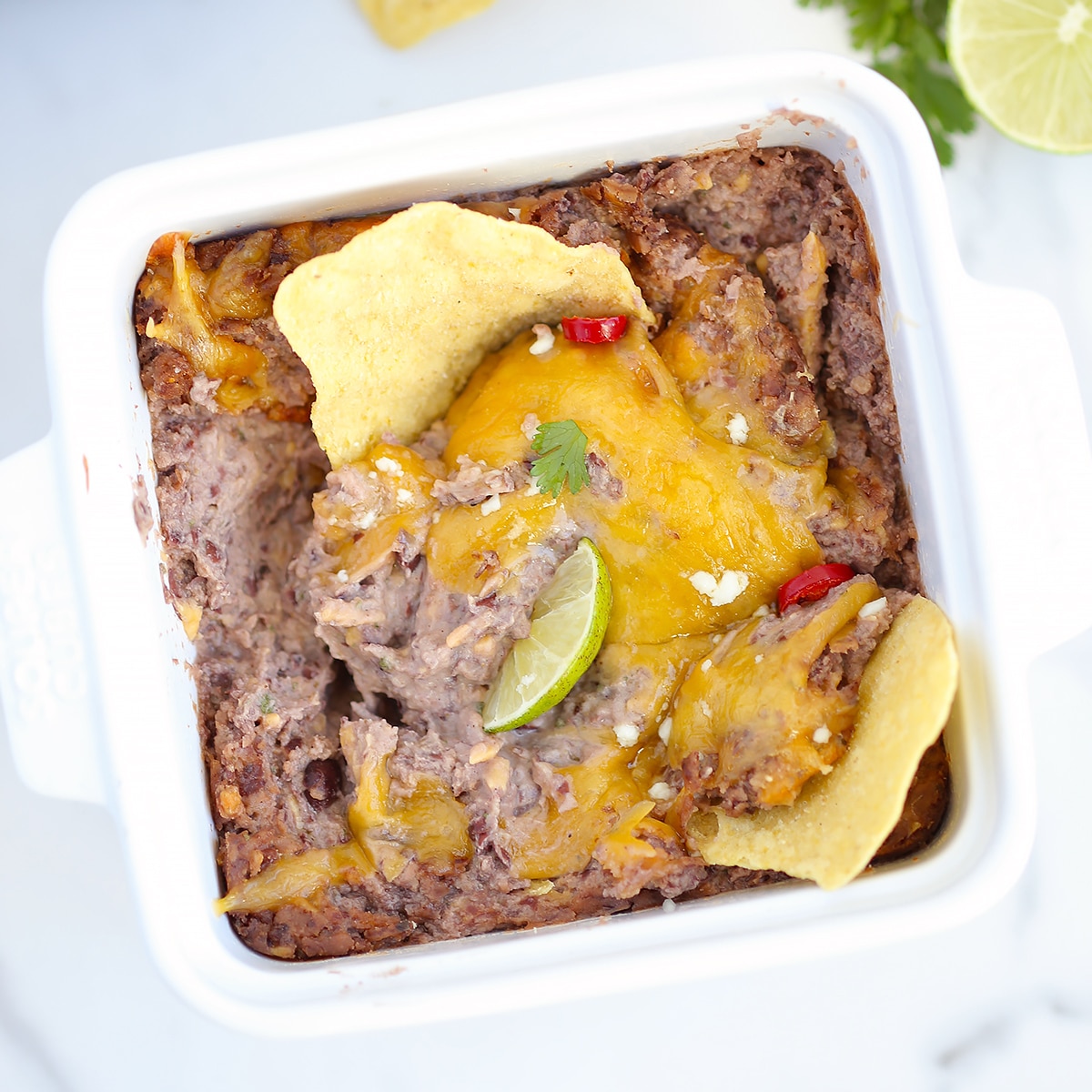
Dairy-based foundations such as Greek yogurt and cottage cheese provide versatile canvases for both sweet and savory applications. High-protein cottage cheese bowls can be customized with honey, granola, and fresh berries to provide sweet carbohydrates, or integrated with cucumbers, tomatoes, and balsamic glaze for a savory profile. These formulations routinely deliver upwards of 15 to 17 grams of protein per serving without requiring thermal preparation. Similarly, nutrient-dense dips—such as a high-protein black bean dip blended with Greek yogurt or a savory garlic-and-herb vegetable dip—encourage children to consume fiber-rich vegetables and whole-grain tortilla chips alongside substantial plant-based protein.
Portable Energy Bites and Homemade Bars

For families constantly transitioning from the academic classroom to the athletic field, portability is paramount. Peanut butter fudge protein energy balls, chocolate RX-style bars, and chia seed energy bites utilize whole-food ingredients like rolled oats, medjool dates, nut butters, and seeds. These items provide a reliable source of slow-release carbohydrates and plant-based protein. By engaging children in the preparation of these no-bake snacks, parents can foster early nutritional literacy and increase the likelihood that the child will eagerly consume the prepared foods.
Plant-Based Finger Foods and Crunchy Alternatives
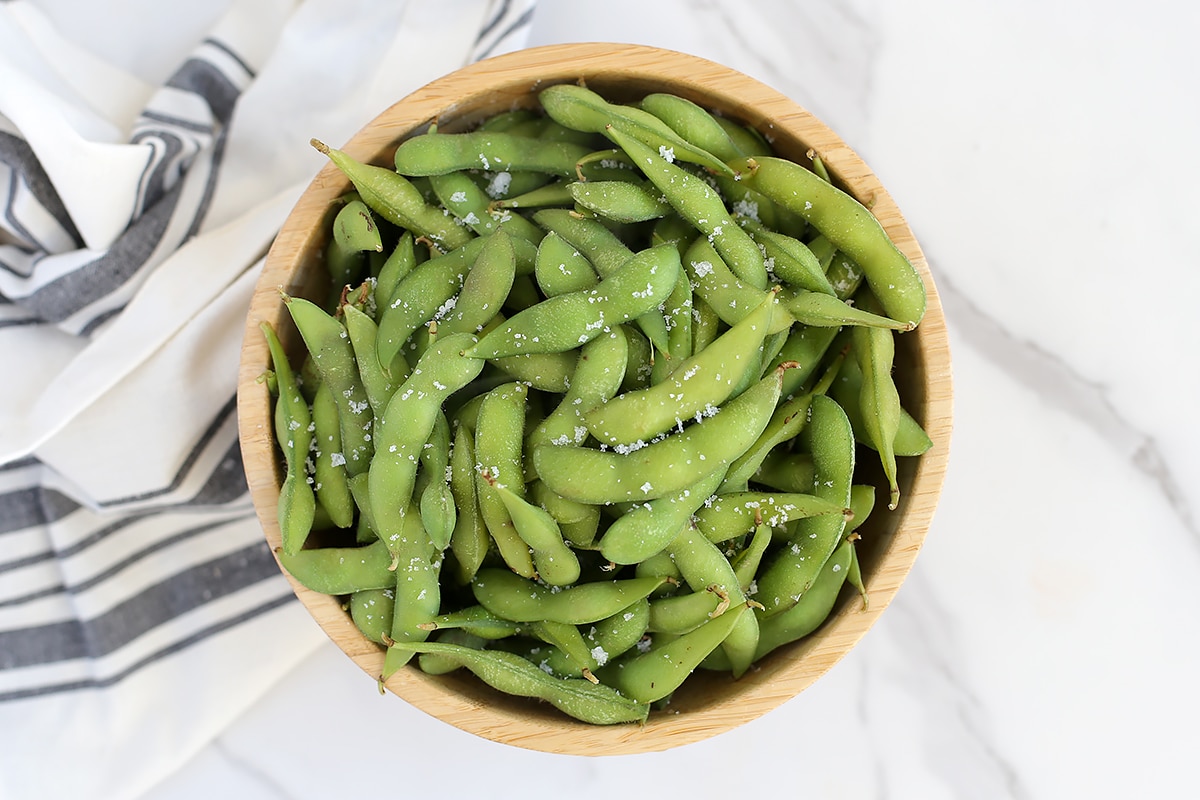
Many children gravitate toward crunchy, savory snack items traditionally filled with sodium and empty calories. Whole-food alternatives such as roasted chickpeas, seasoned edamame, and crunchy roasted peas offer substantial fiber and plant-based protein while satisfying the psychological craving for texture. Available in a variety of flavor profiles—ranging from cinnamon sugar to barbecue and cool ranch—these legumes provide a nutrient-dense substitute for traditional potato chips and processed crackers.

Pre-Event Versus Post-Event Nutritional Strategies
The timing of snack consumption is nearly as critical as the nutritional content itself. Sports dietitians categorize sports nutrition timing into distinct pre-event and post-event windows, each serving a unique physiological purpose.
Pre-Practice and Pre-Game Nutrition
When planning a snack prior to athletic competition, the primary objective is to top off energy reserves without causing gastrointestinal distress. If an athlete consumes a snack one to two hours before exercise, the composition should emphasize easily digestible carbohydrates paired with a moderate amount of protein and minimal fat or fiber. Appropriate pre-activity options include fruit paired with yogurt, a small portion of protein waffles, or a handful of energy bites. Conversely, if a child is eating within 30 minutes of stepping onto the field, the portion size must be significantly reduced, prioritizing simple carbohydrates that pass rapidly through the digestive tract.
Post-Practice and Post-Game Recovery
Following physical exertion, the nutritional focus shifts immediately toward recovery and replenishment. The optimal recovery window—often referred to as the anabolic window—occurs within two hours of finishing exercise, though the earliest phase is most critical. During this timeframe, consuming a combination of carbohydrates and protein optimizes glycogen restoration and accelerates muscle repair. Effective post-activity combinations include apple slices paired with yogurt fruit dip, edamame served alongside whole-grain crackers, or a nutrient-dense smoothie. Hydration must accompany every post-event snack to restore fluid balance lost through perspiration.
Addressing the Supplement Trend: Do Kids Need Protein Powder?
The commercialization of the fitness industry has led to the widespread marketing of protein powders, amino acid supplements, and specialized mass-gainers to increasingly younger demographics. However, pediatricians and clinical sports dietheticians urge caution regarding the introduction of these products to children and adolescents.
Extensive nutritional research demonstrates that the vast majority of young athletes can easily meet, and even exceed, their daily protein requirements through whole foods alone. Standard dietary staples—including poultry, lean meats, fish, eggs, dairy products, legumes, lentils, nuts, and seeds—provide ample amino acids necessary for growth and athletic development without the risks associated with unregulated supplement manufacturing. Unlike conventional food products, dietary supplements are not rigorously evaluated by regulatory agencies for purity, heavy metal contamination, or banned substances prior to commercial sale. Introducing concentrated protein powders prematurely can also displace other essential nutrients required for a growing body. Consequently, medical professionals recommend that parents consult a qualified pediatric sports dietitian or pediatrician before incorporating any performance supplement into a minor’s dietary regimen.

Implications for Athletic Longevity and Family Health
The establishment of sound nutritional habits during childhood lays the foundation for lifelong metabolic health and athletic longevity. As youth sports continue to demand higher levels of commitment and physical output, the burden on families to provide appropriate nutritional support intensifies. By shifting the focus away from expensive, highly marketed specialty products and returning to whole-food fundamentals, parents can effectively fuel their children’s athletic ambitions. Strategic meal planning, the utilization of portable, nutrient-dense snacks, and an understanding of pre- and post-exercise timing ensure that young athletes possess the biological building blocks required to excel in their respective disciplines while supporting normal, healthy growth.