The introduction of seafood into an infant’s diet has long been a source of anxiety for many parents, primarily due to concerns regarding potential mercury exposure, choking hazards associated with bones, and the management of food allergies. However, recent shifts in pediatric nutritional guidelines suggest that incorporating fish into a baby’s diet as early as six months of age—when the infant is developmentally ready for solids—is not only safe but highly beneficial for long-term health outcomes, including brain development and immune system modulation.

Nutritional Profile and Developmental Benefits
Seafood is recognized by pediatric nutritionists as a nutrient-dense powerhouse, providing essential components often lacking in other first foods. Among these are high-quality protein, iron, and vitamin D. Perhaps most significant is the presence of docosahexaenoic acid (DHA), a type of omega-3 fatty acid critical for the structural development of the infant brain and retina.
In addition to these primary nutrients, fish provides iodine and selenium. Iodine is essential for the production of thyroid hormones, which regulate metabolism and facilitate proper growth, while selenium acts as a vital antioxidant that supports cellular repair. The inclusion of these micronutrients in a consistent weekly rotation can significantly bolster an infant’s nutritional intake during the high-growth period of the first two years of life.
The Evolution of Allergy Guidelines

Historically, medical advice often cautioned against the early introduction of highly allergenic foods. Current clinical consensus has undergone a radical shift, with major pediatric health organizations now advocating for the early introduction of common allergens, including fish and shellfish. Clinical trials, such as those examining the immune mechanisms of food allergy prevention, indicate that introducing these proteins between the ages of 6 and 12 months may induce oral tolerance, potentially lowering the risk of developing clinical allergies later in childhood.
Parents are advised to follow a cautious but structured approach: introduce one new allergen at a time, keeping a 24-hour window between new introductions to monitor for adverse reactions. Signs of an allergic response include hives, oral swelling, persistent coughing, or vomiting. While most reactions in infants are mild, caregivers are urged to seek immediate medical intervention if they observe systemic symptoms, such as difficulty breathing or widespread swelling. It is also important to note that a reaction to one species of fish does not necessarily mean a child will be allergic to all seafood; finned fish and shellfish belong to entirely different allergen groups.
Mercury and Contaminant Management
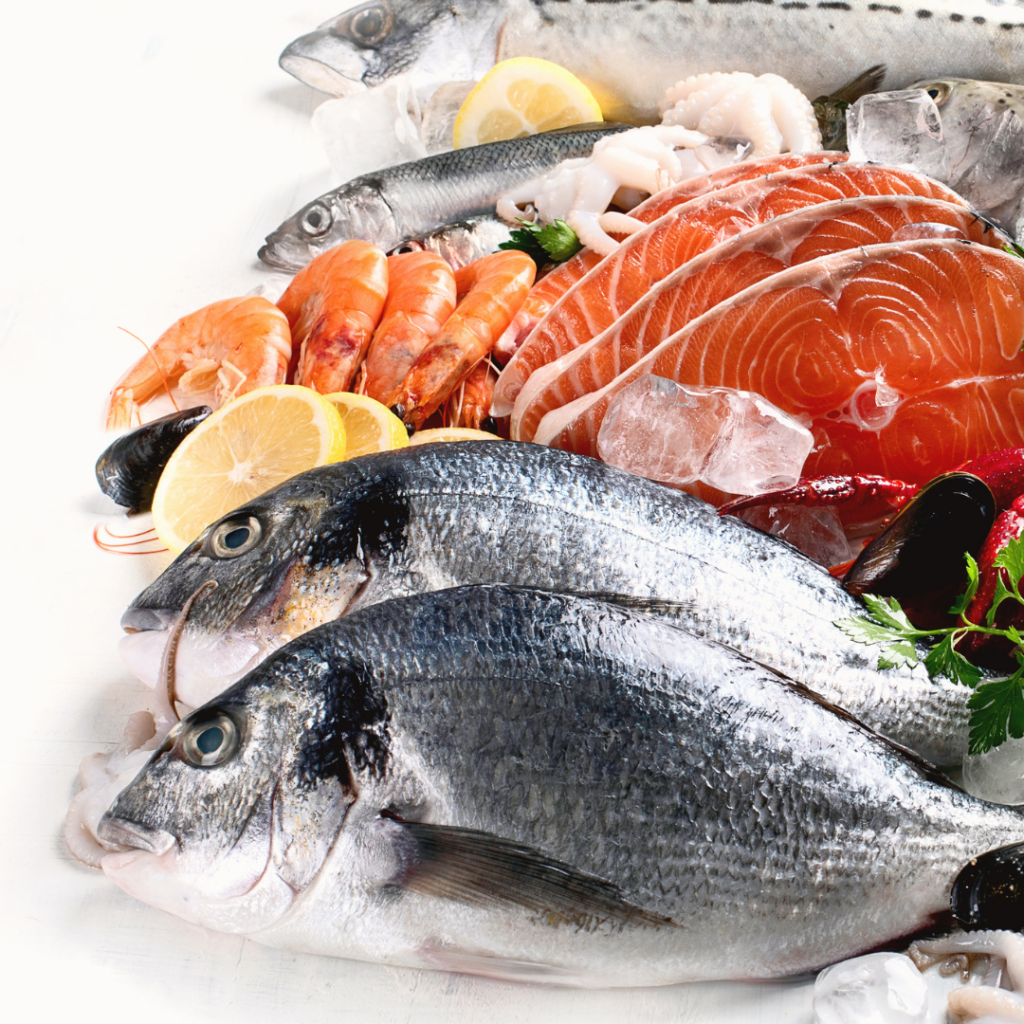
The primary deterrent for parents when considering seafood is the risk of mercury contamination. Methylmercury is a heavy metal that accumulates in the tissue of larger, predatory fish that occupy higher positions in the marine food chain. Because infants possess developing nervous systems that are particularly sensitive to neurotoxins, the selection of fish species is paramount.
To mitigate risk, caregivers should prioritize low-mercury options. The Joint FAO/WHO Expert Committee on Food Additives provides a framework for tolerable weekly mercury intake, calculated at 1.6 micrograms per kilogram of body weight. When selecting fish for an infant, the goal is to choose varieties that provide high levels of DHA while maintaining a low mercury profile.
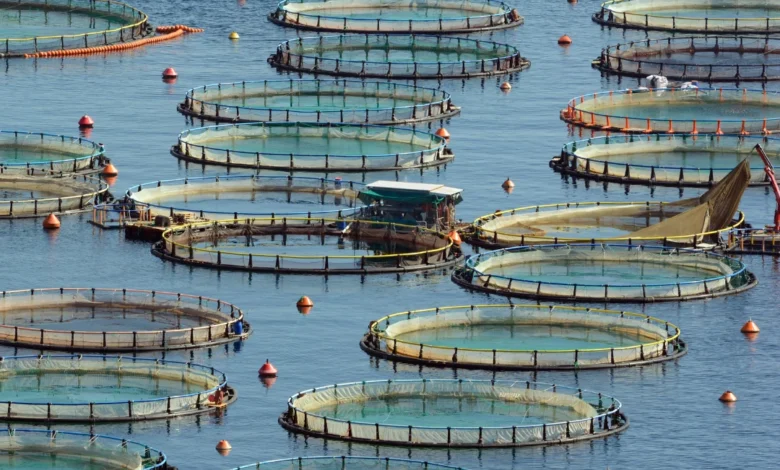
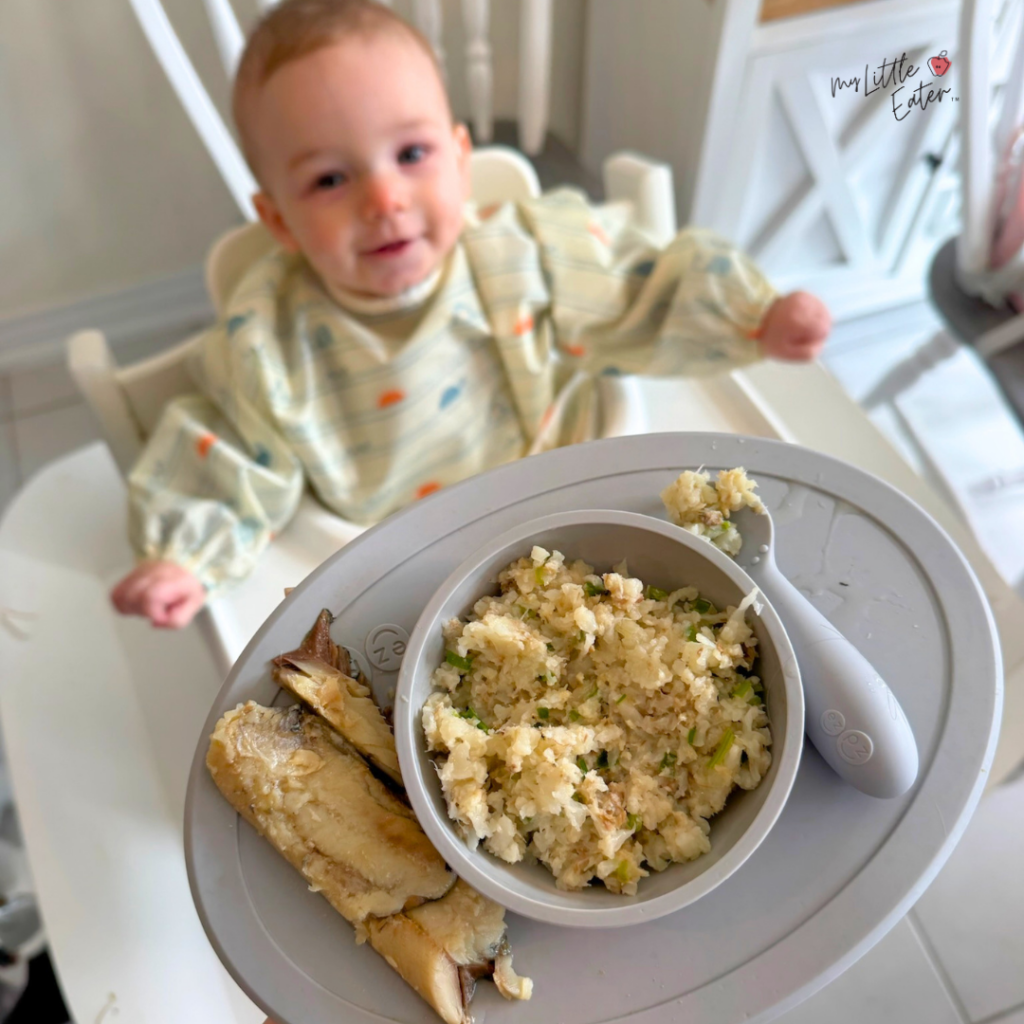
The distinction between wild-caught and farmed fish remains a topic of debate. Wild fish often exhibit a more varied nutritional profile and lower saturated fat content, though they are not immune to environmental pollutants. Conversely, farmed fish are raised in controlled environments, which allows for better regulation of their diet but may necessitate the use of antibiotics or medications to control disease in high-density populations. Consumers are encouraged to utilize resources such as SeaChoice.org to evaluate the sustainability and safety standards of specific fisheries, ensuring that the seafood chosen is both nutritious and ethically sourced.

Guidelines for Preparation and Safety
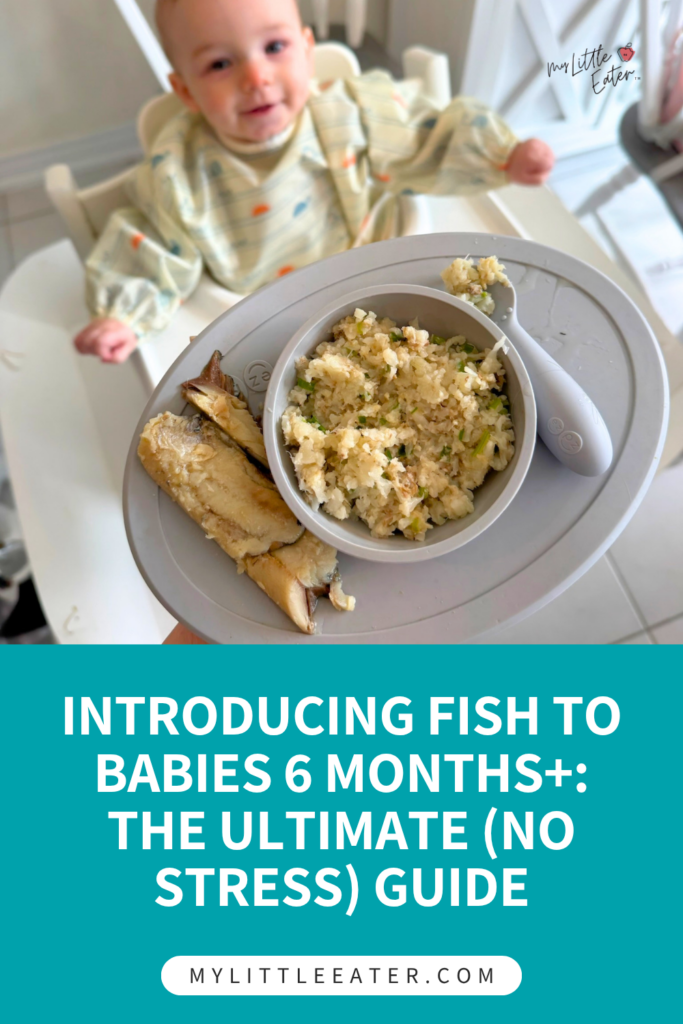
Safety during feeding extends beyond the nutritional content of the food; it involves meticulous preparation to prevent choking and ensure hygiene. Fresh, frozen, and canned fish are all viable options, provided the species is appropriate. However, smoked fish should be avoided in infancy due to its high sodium content and elevated risk of listeria.
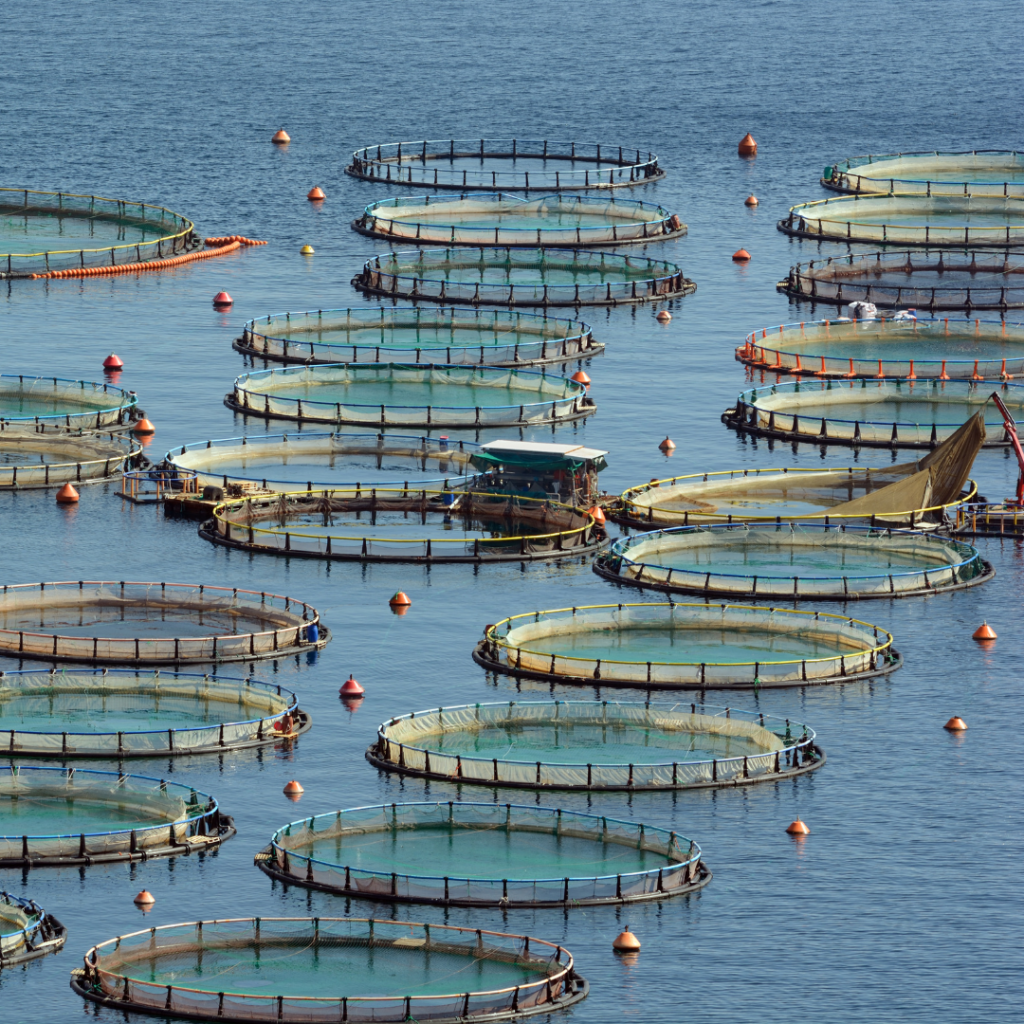
The preparation process should adhere to the "squish test": if a cooked piece of fish can be easily mashed between a thumb and index finger, it is generally safe for an infant to consume. Furthermore, even when purchasing products labeled "boneless," parents must perform a physical "flake and feel" check. By flaking the cooked fish with a fork and running clean fingers through the pieces, one can identify and remove small pin bones that are often missed by commercial processing.
Regarding cooking methods, steaming and poaching are recommended, as they maintain the moisture of the fish, making it easier for an infant to manipulate and swallow. Baking is also acceptable, provided the fish is tented with parchment paper to prevent the edges from becoming overly firm or rubbery. The internal temperature of any seafood served should reach 145°F (62.8°C) to ensure the elimination of potential foodborne pathogens.

Critique of Current Public Health Advisories
While the American Academy of Pediatrics (AAP) and other international bodies provide general guidelines for fish consumption in toddlers and children, there is a noted gap in specific, actionable advice for infants under the age of two. Many existing recommendations are extrapolated from adult data, which do not account for the rapid metabolic and developmental needs of a growing baby.

For instance, some public health authorities assume that infants will only consume nominal amounts of fish. However, with the rise of baby-led weaning—a feeding philosophy that encourages infants to eat real, textured foods alongside the family—babies may consume significant portions of seafood. My Little Eater and other specialized pediatric nutrition groups argue that existing guidelines must be updated to reflect modern feeding practices. By creating tiered frameworks based on mercury content—categorizing fish by those that can be offered freely, those that should be limited, and those that should be avoided entirely—parents can make informed, low-stress decisions without the need for constant, laborious portion weighing.
Implementation in the Family Meal Plan
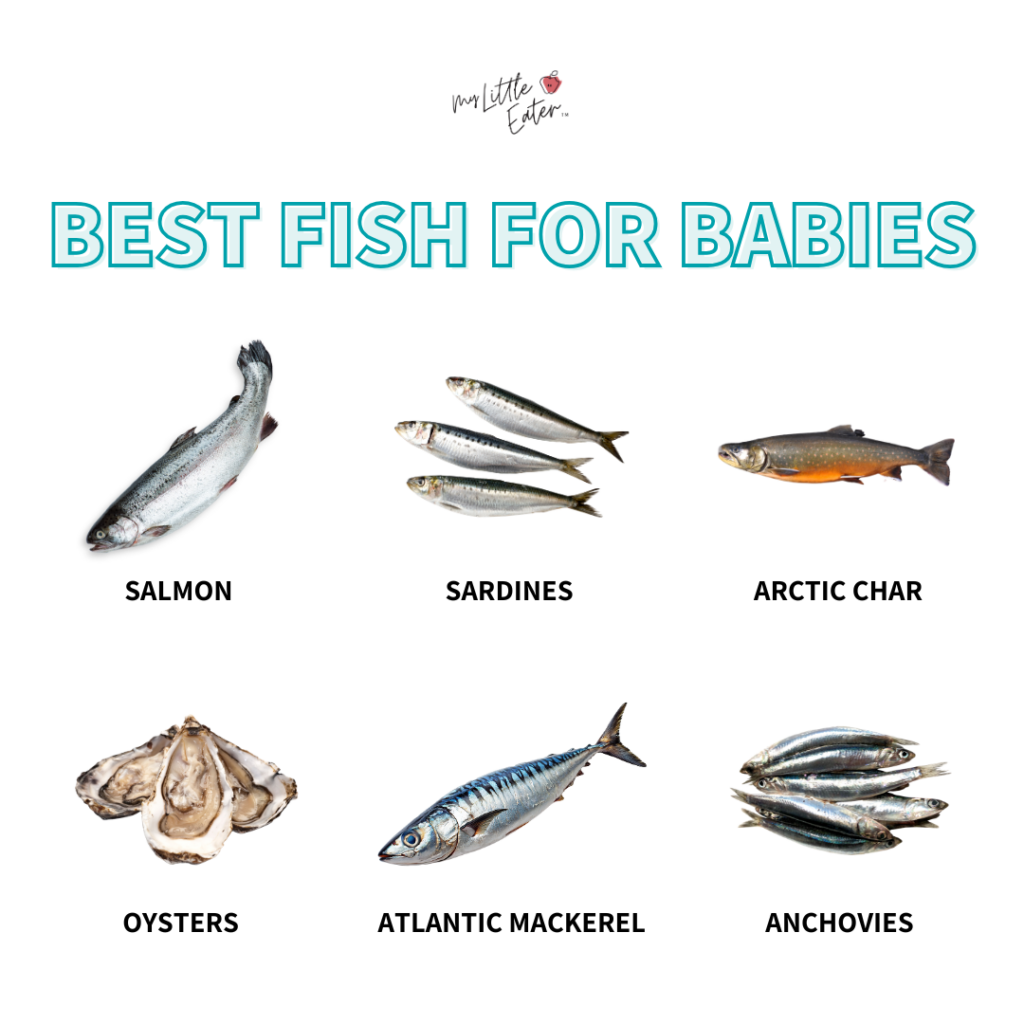
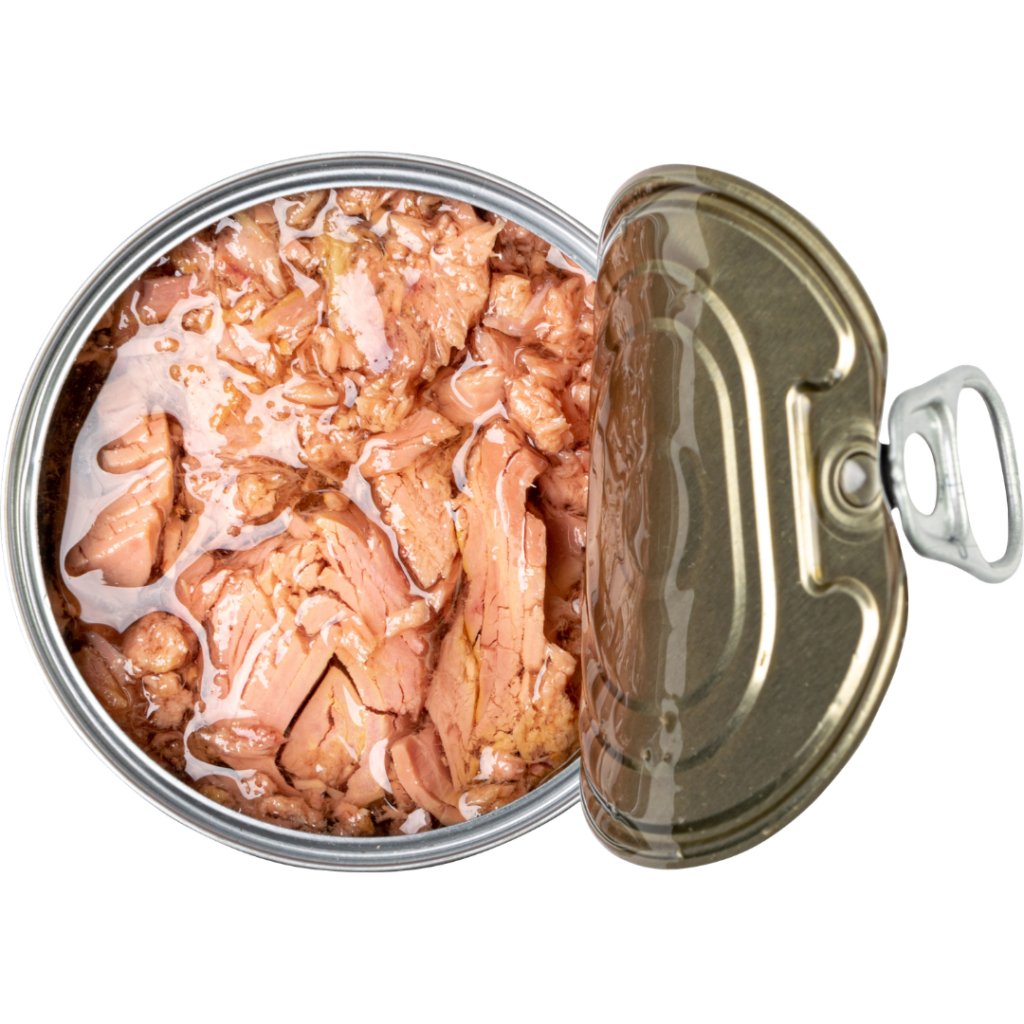
To successfully integrate fish into a baby’s diet, it is recommended to prioritize DHA-rich species such as salmon, sardines, and arctic char at least twice per week. These species consistently test at lower mercury levels while offering the highest nutritional return. Canned light tuna is also an acceptable, low-cost option, provided it is packed in water and the sodium content is monitored; however, albacore or "white" tuna should be avoided due to its higher mercury content.
By focusing on these "ultra-low mercury" tiers, parents can allow their children to eat to their own appetite, honoring the child’s natural ability to self-regulate food intake. This approach removes the pressure of strict measurement and focuses on building a positive, varied, and nutritionally dense relationship with food from the very first bite.
In conclusion, while the prospect of introducing seafood may seem daunting, the scientific evidence strongly supports its place in an infant’s diet. By following established safety protocols—prioritizing low-mercury, DHA-rich species, ensuring proper cooking and bone removal, and introducing allergens with care—parents can provide their children with a foundational dietary habit that supports long-term neurological and physical development. As with all aspects of infant feeding, consistency and the selection of high-quality, nutrient-dense ingredients remain the most effective strategies for long-term health success.