The Ultimate Registered Dietitian-Approved Formula for High-Protein Meal Prep Lunch Bowls

Transitioning from a remote work environment back to a hybrid or full-time in-office schedule presents a myriad of daily logistical challenges. Beyond remembering laptops, security badges, and professional attire, office workers frequently confront the dietary hurdles of midday meal management. For many remote professionals accustomed to grazing throughout the day, the abrupt absence of immediate kitchen access during standard office hours often leads to either skipped meals or reliance on costly, nutritionally unpredictable takeout options. To bridge this gap, registered dietetics professionals are increasingly advocating for structured meal-prep strategies—specifically, formulaic lunch bowls designed to balance macronutrients, stabilize energy levels, and prevent the late-afternoon fatigue associated with erratic eating habits.
The Rise of Macro-Balanced Meal Prep in the Modern Workplace
Nutrition science consistently underscores the importance of a midday meal that contains an optimal balance of complex carbohydrates, lean or plant-based proteins, and fiber-dense vegetables. Dietitians note that consuming a nutritionally complete lunch not only sustains cognitive function and productivity through the afternoon hours but also regulates ghrelin and leptin—the hormones responsible for hunger and satiety. Without a pre-planned meal, individuals returning to traditional office settings frequently report overeating or consuming hyper-palatable convenience foods upon returning home in the evening.
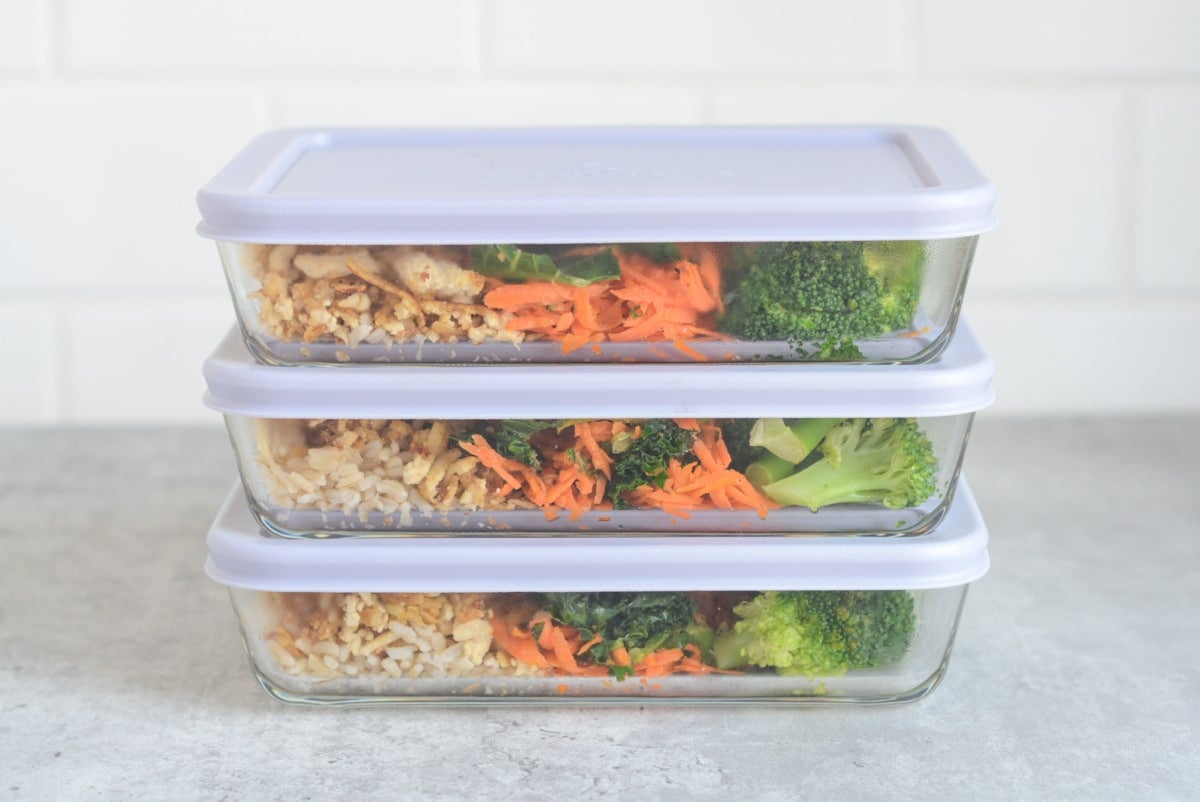
To combat this phenomenon, wellness experts recommend a standardized assembly approach rather than relying on complex, time-consuming recipes. By categorizing meal components into a reliable formula—comprising a quality starch base, a primary protein source, varied vegetables, and a flavorful finishing sauce—individuals can drastically reduce the cognitive load associated with weekly meal planning while ensuring nutritional adequacy.
The Nutritional Formula: Starch, Protein, Vegetables, and Sauce
The anatomy of a successful meal prep lunch bowl relies on interchangeable components that withstand refrigeration for up to five days without losing texture or flavor integrity. Public health nutrition guidelines generally encourage the inclusion of the following elements:
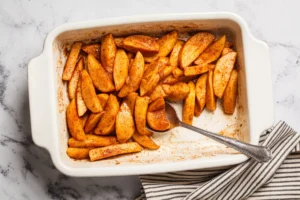
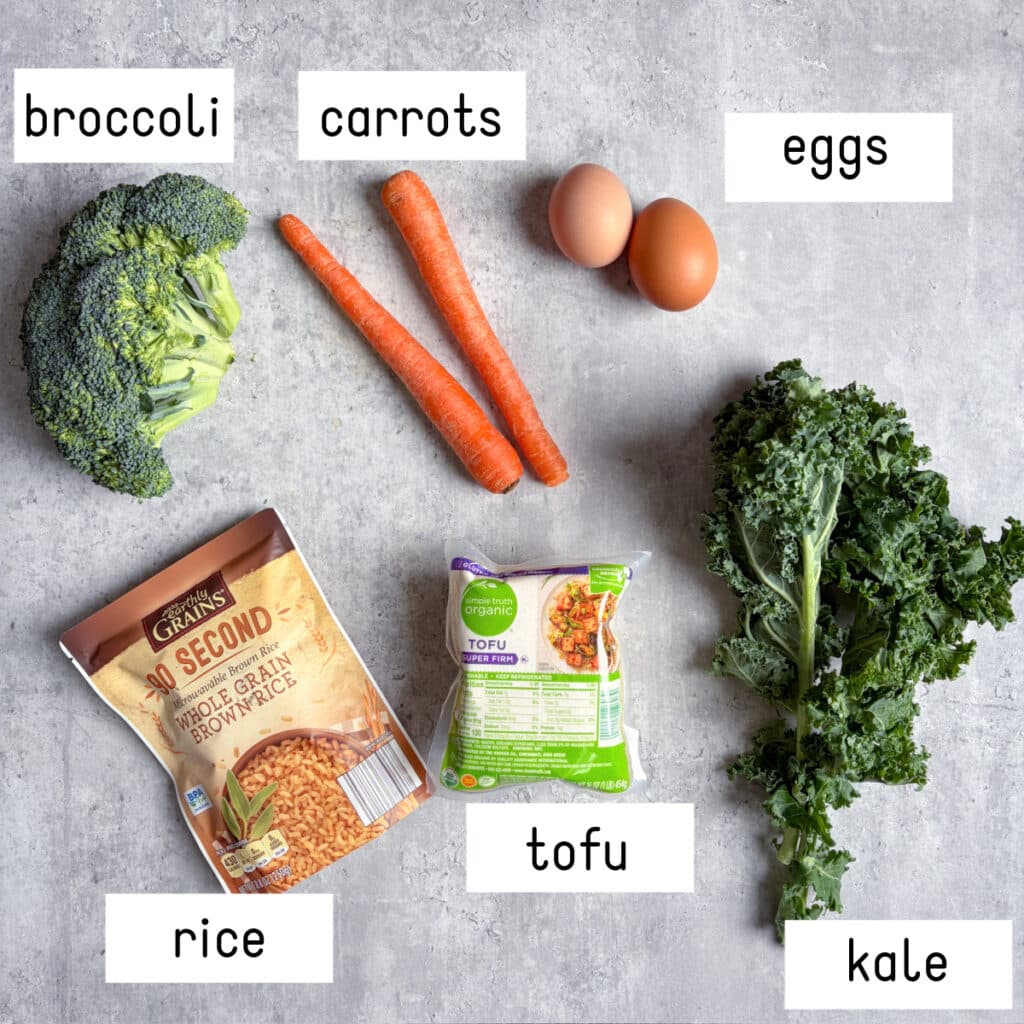
- Starch Base: Complex carbohydrates such as brown rice, quinoa, farro, or sweet potatoes provide sustained glucose delivery to the brain and muscles, preventing the rapid blood sugar spikes and crashes linked to refined grains.
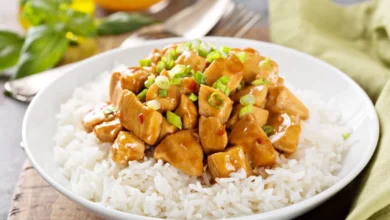
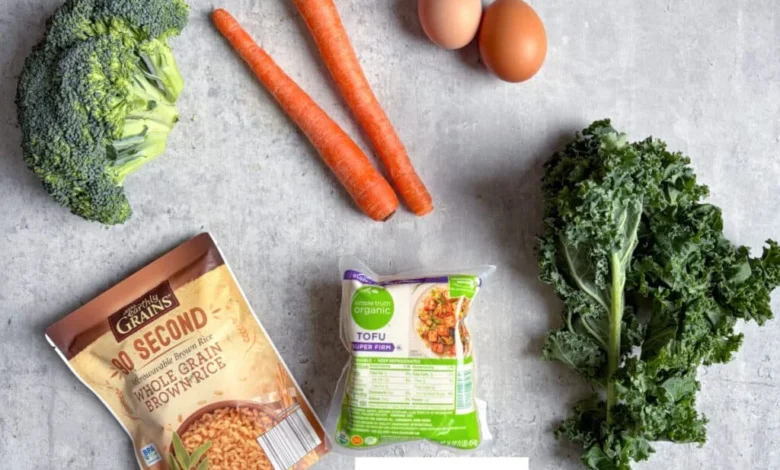
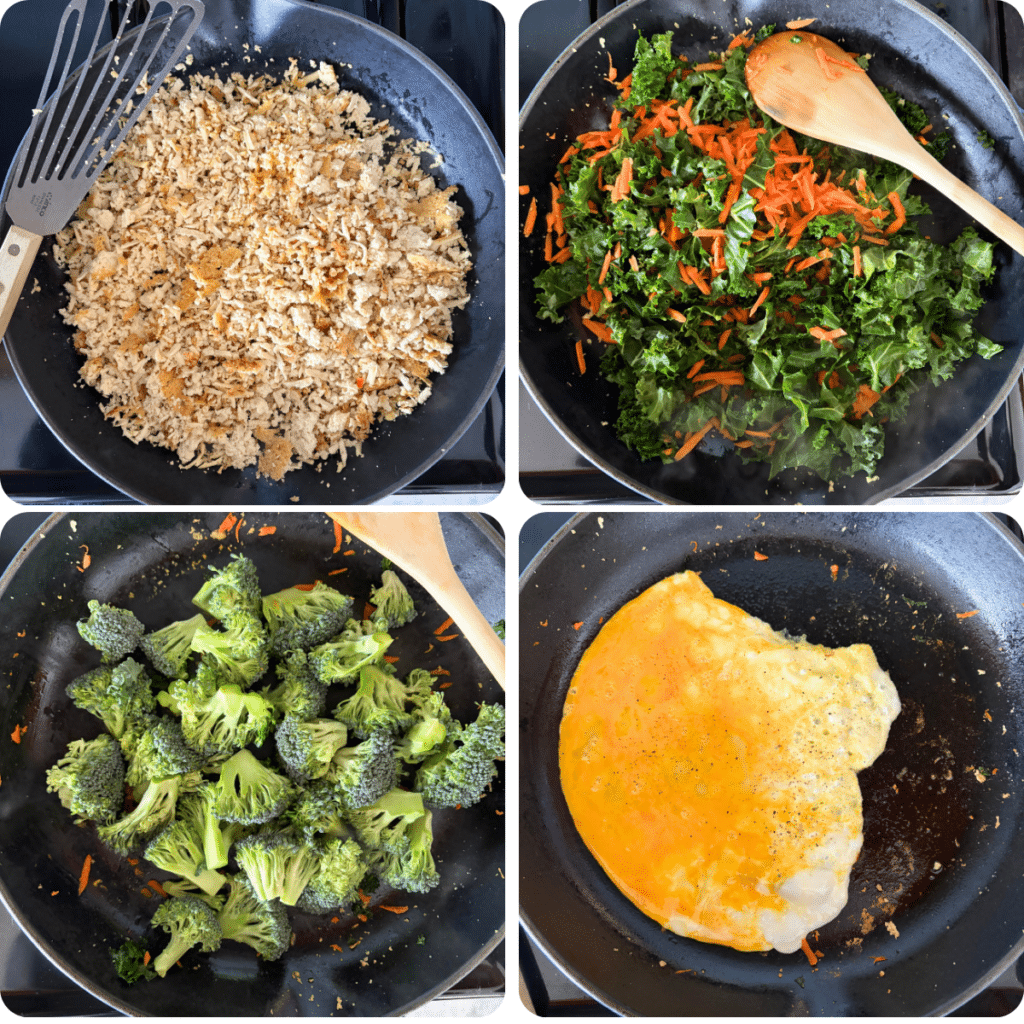
- Protein Source: Incorporating approximately 15 to 25 grams of protein per serving promotes satiety and muscle protein synthesis. While traditional prepped lunches rely on grilled chicken or sliced beef, plant-based alternatives like tofu offer substantial nutritional benefits. Notably, culinary techniques such as shredding firm tofu transform its texture, mitigating the soft mouthfeel that often deters consumers and increasing its surface area for better flavor absorption.
- Fiber-Rich Vegetables: Cruciferous and leafy vegetables, including broccoli, kale, carrots, and cabbage, supply essential micronutrients, antioxidants, and dietary fiber, which supports gastrointestinal motility and cardiovascular health.
- Finishing Sauce: A well-formulated sauce, dressing, or vinaigrette ties the bowl together, enhancing palatability and encouraging the consumption of nutrient-dense vegetables that might otherwise be unappealing.
Nutritional Breakdown and Dietary Adaptations
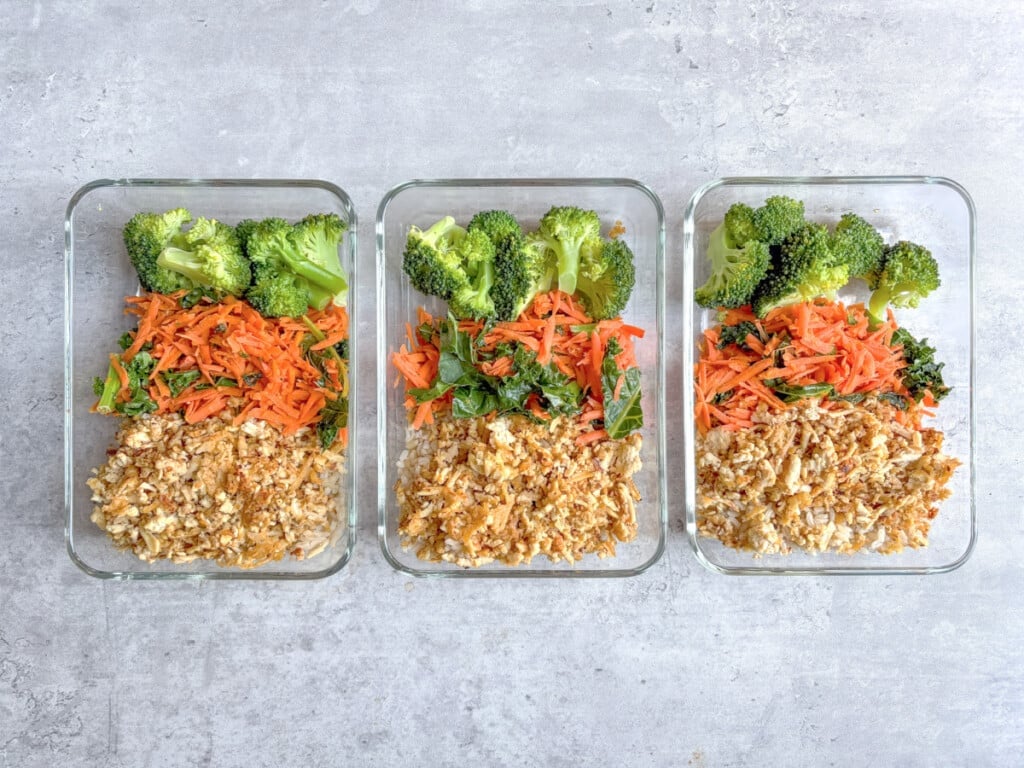
Standardized analyses of balanced plant-forward meal prep bowls highlight their impressive nutritional yields. A typical serving adhering to these dietary guidelines generally delivers approximately 444 calories, 22 grams of total fat (predominantly unsaturated fats), 49 grams of carbohydrates, 11 grams of dietary fiber, and 17 grams of protein when incorporating complementary items such as whole eggs.
For professionals requiring higher protein thresholds to support active lifestyles or fitness regimens, nutritionists recommend several scalable modifications. These adjustments include incorporating legumes such as chickpeas or black lentils, folding in edamame, topping the bowl with hemp hearts or pumpkin seeds, or integrating diced poultry, lean beef, or sustainable seafood. Furthermore, the inclusion of eggs provides complete amino acid profiles while enhancing overall micronutrient density, including choline and Vitamin D.
Culinary Efficiency: One-Pan Meal Preparation Techniques
From a behavioral economics and time-management perspective, the primary barrier to consistent meal prepping is perceived complexity and kitchen cleanup. To maximize efficiency, contemporary culinary guidelines emphasize streamlined cooking methods, such as utilizing a single large skillet or sheet pan to prepare multiple ingredients simultaneously.
By roasting or sautéing vegetables alongside the chosen protein source—such as seasoned, shredded tofu—cooks can minimize active preparation time and reduce dishwashing obligations. Once cooled, the components are portioned directly into airtight, food-safe glass or BPA-free plastic containers equipped with secure lids. This batch-cooking methodology significantly reduces weekly food preparation hours, aligning with broader consumer trends favoring convenience without sacrificing nutritional quality.
Storage, Food Safety, and Reheating Protocols
Proper handling and storage of prepped lunches are paramount to prevent foodborne illness and maintain optimal sensory qualities over a multi-day work week. According to food safety standards established by regulatory health agencies, cooked grains, proteins, and vegetables must be cooled rapidly and stored in airtight containers maintained at or below 40°F (4°C) in a refrigerator. Prepared meal bowls generally remain safe and palatable for a maximum of four to five days.
When preparing to consume a refrigerated meal bowl in an office environment, specific reheating techniques ensure food safety and palatability. Experts recommend removing the airtight lid, placing a damp paper towel or microwave-safe cover over the container to retain moisture, and heating the contents on medium power until steaming hot throughout—typically between one and two minutes. Stirring the ingredients halfway through the heating cycle ensures even thermal distribution. Finally, drizzling the designated sauce over the warmed ingredients immediately prior to consumption preserves the integrity of the sauce’s flavor profile and prevents undesirable sogginess during storage.
Broader Workplace Implications and Future Trends
The resurgence of hybrid work models has catalyzed broader discussions regarding corporate wellness and employee support structures. As organizations navigate the transition back to physical workspaces, human resources and corporate wellness departments are increasingly recognizing that employee well-being extends beyond ergonomic workstations to encompass nutritional accessibility.
While individual meal-prepping remains a personal responsibility, corporate wellness initiatives are beginning to incorporate nutritional literacy workshops, cooking demonstrations, and optimized office kitchen infrastructure—such as high-powered microwaves, communal refrigerators, and food storage areas—to facilitate healthier eating habits among returning personnel. Public health advocates suggest that empowering workers with simple, repeatable nutritional frameworks like the meal prep bowl formula can yield measurable improvements in workplace productivity, employee satisfaction, and long-term health outcomes.