An Era of Wit and Relatability Concludes as Grace Farris Bids Farewell to Cup of Jo After Eight Years of Illustrated Commentary

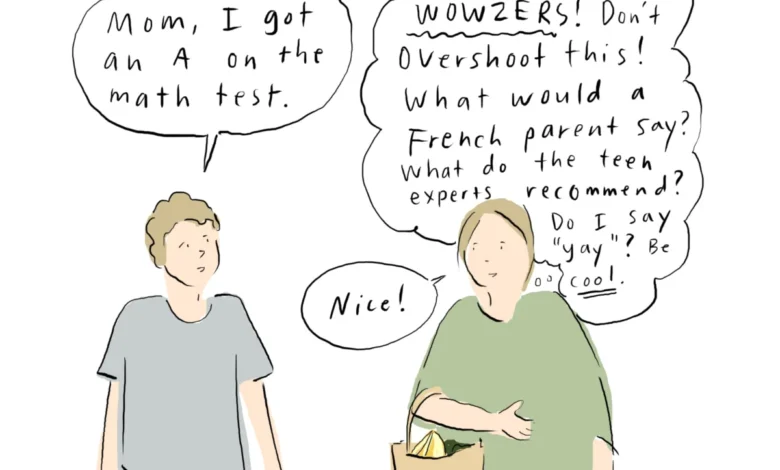
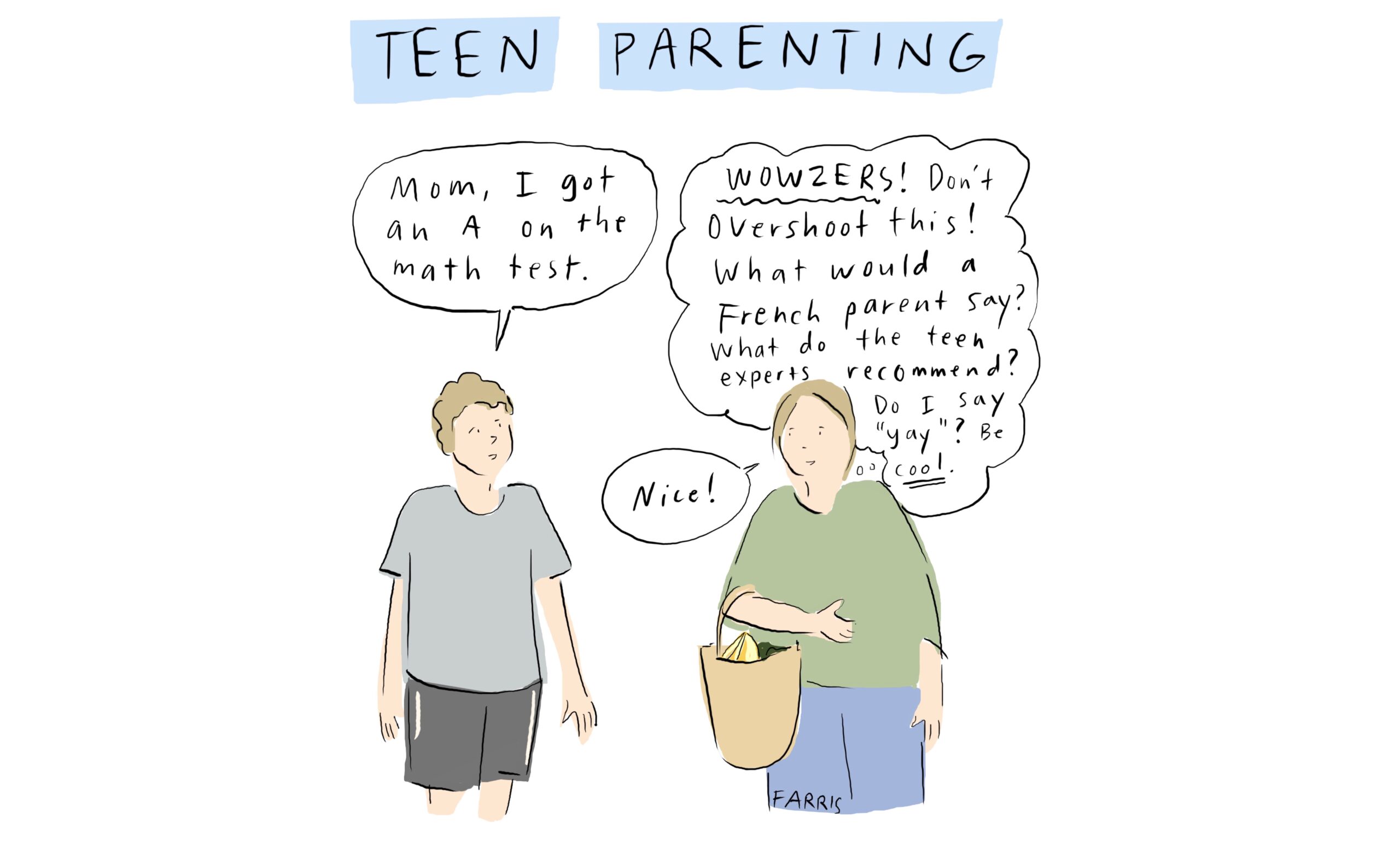
The landscape of modern digital lifestyle publishing is experiencing a notable transition following the announcement that cartoonist and illustrator Grace Farris is concluding her nearly decade-long tenure with the prominent women’s lifestyle platform Cup of Jo. Farris, whose sharp, empathetic, and deeply observant comics have anchored the digital publication’s visual culture since 2018, is stepping down from her regular contributor role. The final installment in her long-running comic series, a characteristically humorous piece titled Teen Parenting focusing on the delicate art of trying to look cool in front of adolescents, was published alongside the announcement, marking the end of a culturally resonant chapter for the website and its readership.
The departure brings to a close an extraordinary eight-year partnership that redefined how digital media outlets utilize serialized illustration to explore the mundane, often chaotic realities of contemporary family life, modern womanhood, and professional endeavors. As Cup of Jo prepares to pivot toward new editorial offerings—including an upcoming franchise titled Pro Tips scheduled to launch the following week—media analysts and devoted readers alike are reflecting on the distinct footprint Farris leaves behind within the digital publishing ecosystem.
Chronology and Evolution of a Creative Partnership
The collaboration between Grace Farris and Cup of Jo began in 2018, a period characterized by significant shifts in how digital lifestyle publications engaged their audiences through visual storytelling. At a time when stock photography and text-heavy listicles dominated women’s interest sites, Cup of Jo, founded by Joanna Goddard, sought to cultivate an intimacy rooted in vulnerability and shared domestic humor. Farris, a practicing physician based in Texas who balanced her medical career with her illustration work, emerged as a singular voice capable of translating the complex emotional landscape of parenting, middle age, and professional identity into accessible four-panel vignettes.
Over the ensuing eight years, the chronology of Farris’s contributions formed an unwritten ethnographic record of modern family dynamics. Her comics chronicled the evolutionary stages of child-rearing, transitioning from the sleep-deprived haze of toddlerhood to the high-stakes emotional tightrope walking required when dealing with preteens and teenagers. Beyond parenting, Farris applied her signature deadpan wit to subjects ranging from the absurdity of adult friendships and home renovation projects to the universal dread of dental appointments and the Sisyphean task of maintaining domestic order.
In addition to her weekly comics, Farris’s footprint on Cup of Jo expanded to include deeply personal and widely shared features, such as her architectural and domestic home tour published in mid-2026, and her contribution to the site’s popular Beauty Uniform series in 2022. These features provided readers with a broader look at the person behind the pen, cementing her status not merely as a contributor, but as a central figure in the publication’s community identity.
Supporting Data and Cultural Impact
While lifestyle web traffic metrics are rarely published in exhaustive detail, the sustained engagement surrounding Farris’s work serves as a quantifiable testament to its resonance. Her comics routinely generated hundreds of comments within hours of publication, functioning as digital town squares where readers shared personal anecdotes, validated one another’s parental anxieties, and debated the nuances of domestic life. The final comic, addressing the universal parental desire to project effortless coolness to teenagers, sparked immediate discussion, accumulating over 55 substantive comments on its first day of release alone.
The cultural impact of Farris’s work extends far beyond the confines of a single website. In an era marked by curated perfectionism on social media platforms like Instagram and TikTok, Farris’s illustration style—characterized by deceptively simple line drawings paired with acutely precise dialogue—championed the counter-aesthetic of anti-perfectionism. By highlighting the unglamorous, repetitive, and occasionally absurd aspects of daily routines, her work provided a form of collective psychological relief for an audience navigating the pressures of the 21st-century attention economy.
Industry analysts note that serialized visual content of this nature plays a vital role in building reader loyalty for independent digital publishers. In an increasingly commoditized media environment where traffic is heavily dictated by algorithmic search engine optimization and social media distribution algorithms, original illustrated content creates a defensible emotional moat. Readers did not merely visit Cup of Jo to consume information; they visited to feel understood, a dynamic driven in large part by Farris’s observational acumen.
Official Statements and Editorial Transitions
In their official farewell message, the editorial team at Cup of Jo expressed deep gratitude for the longevity and quality of Farris’s contributions, acknowledging the profound void her departure will create. Editors highlighted her ability to consistently deliver smart, funny, and heartwarming content across eight years of continuous publication, thanking her for her dedication and creative output.
While Farris is stepping back from her regular comic series, her creative output remains accessible to the public. Her published books, art prints, and archival collections continue to be available through her independent platforms, ensuring that her body of work remains a staple for fans of contemporary humor and illustration.
Simultaneously, Cup of Jo management outlined the publication’s strategic roadmap following the conclusion of Farris’s run. Beginning the following Friday, the site will introduce Pro Tips, a curated series designed to feature life hacks, practical recommendations, and expert advice from notable contributors across various fields. This editorial pivot signals a deliberate transition toward actionable, peer-to-peer advice formats, even as the platform acknowledges the unique difficulty of replacing a visual voice as distinct as Farris’s.
Broader Implications for Digital Publishing and Creators
The conclusion of Farris’s tenure at Cup of Jo underscores broader structural shifts within the creator economy and digital journalism. Independent lifestyle platforms, which historically relied on vast advertising networks to monetize web traffic, have increasingly had to adapt to changing readership habits, rising content costs, and the growing importance of direct audience relationships.
Furthermore, Farris’s dual identity as both a practicing physician and a successful professional illustrator highlights the changing nature of creative labor in the digital age. The ability of creators to maintain specialized professional careers while building robust digital brands through niche platforms has become a defining characteristic of modern cultural production. Yet, the intense demands of maintaining a multi-year, high-frequency publishing schedule often necessitate natural endpoints, allowing creators to pivot toward long-form projects, publishing, and other artistic pursuits.
As Cup of Jo closes this chapter, the broader digital media landscape is left to evaluate the enduring value of humor-driven, character-based illustration in maintaining reader engagement. Farris’s work demonstrated that despite the relentless pace of algorithmic media evolution, timeless storytelling rooted in empathy and acute observation remains one of the most powerful tools for building lasting digital communities. For the readership that followed her characters from the trenches of early childhood education through the turbulent waters of teenage independence, Farris’s comics offered an essential mirror, reflecting the humor, grace, and occasional exhaustion of everyday life.