The definitive guide to finding sustainable and ethical petite clothing in the UK market


For decades, consumers standing 5’4” or under have faced a systemic exclusionary practice within the fashion industry: the "standardization" of garment lengths. While the global fashion market has evolved to address diverse body types, the petite sector—defined traditionally as those 5’4” and under—has often been sidelined by brands prioritizing manufacturing efficiency over inclusive sizing. This disconnect has forced shorter individuals to frequently rely on expensive post-purchase alterations or compromise on garment silhouettes, particularly regarding trousers, jumpsuits, and maxi dresses.
Recent industry data suggests a significant shift in consumer demand. As the UK apparel market moves toward circularity and sustainable production, the petite demographic is increasingly vocal about aligning their sartorial needs with environmental values. This report outlines the current landscape of ethical petite fashion in the UK, evaluating brands based on material sourcing, supply chain transparency, and labor practices.

The Evolution of Petite Fashion Standards
Historically, the "petite" label was relegated to the high street’s lower-cost, high-volume segment, often associated with fast fashion. However, a timeline of recent corporate sustainability reports reveals that the conversation shifted significantly between 2018 and 2024. During this period, major retailers began integrating environmental, social, and governance (ESG) criteria into their production models, driven by both regulatory pressure and consumer demand for transparency.
By 2020, the rise of the "slow fashion" movement highlighted the environmental impact of garment waste—specifically, the waste generated when items are purchased, found to be ill-fitting, and subsequently discarded or returned. Research from the Waste and Resources Action Programme (WRAP) indicates that proper sizing and fit are among the primary drivers for reducing textile waste. When garments fit correctly from the point of purchase, the lifecycle of the product increases significantly, directly contributing to a reduction in carbon emissions associated with the garment industry.
Market Analysis: Key Ethical Players
The UK market now hosts a varied ecosystem of retailers addressing this niche. To understand the current offerings, one must distinguish between high-street giants transitioning toward sustainability and smaller, vertically integrated brands.

Seasalt and the Integration of GOTS Certification
Seasalt has emerged as a leader in high-street ethical production. The company’s commitment to the Global Organic Textile Standard (GOTS) serves as a benchmark for the industry. GOTS is the worldwide leading textile processing standard for organic fibers, including ecological and social criteria, backed by independent certification of the entire textile supply chain.
Seasalt’s adherence to the Ethical Trading Initiative (ETI) since 2018 provides a framework for fair wages and safe working conditions. By aligning their petite sizing with these rigorous manufacturing standards, the company demonstrates that sustainable scale is achievable. Their recent expansion into dedicated petite denim, designed specifically for shorter inseams without the need for manual cropping, serves as a practical solution to the waste associated with garment alterations.
Hannah Sophia England: The Design-Led Approach to Longevity
At the boutique level, brands like Hannah Sophia England have adopted a circular design philosophy. Their approach is rooted in the concept of "garment versatility." By integrating features such as detachable tiers and sleeves, the brand extends the functional life of a single garment.

Industry analysts note that this "multi-look" design strategy addresses the core of the sustainability issue: over-consumption. If a single petite-fit dress can be styled in four distinct ways, the consumer is statistically less likely to purchase additional items for varied occasions. Furthermore, the brand’s zero-fabric-waste-to-landfill policy—which repurposes offcuts into accessories—positions them as a model for the future of localized, small-batch manufacturing in the UK.
The Middle Ground: Transparency and Fast-Fashion Ambiguity
Brands like Nobody’s Child present a complex case study. While the brand has implemented positive initiatives—such as the use of organic and recycled materials and the implementation of a dedicated repair and rental service—it retains marketing characteristics typical of the fast-fashion sector. The use of terms like "trending" or "latest to land" remains a point of contention for sustainability advocates, who argue that such language encourages impulsive consumption. Nevertheless, the integration of rental services and repair clinics offers a necessary bridge for consumers looking to participate in a more sustainable fashion economy without abandoning the convenience of high-street accessibility.
The Role of Secondhand Platforms
The most sustainable garment, according to life-cycle assessment (LCA) studies, is the one already in existence. The emergence of digital marketplaces like eBay and Oxfam Online has revolutionized the petite market by allowing for the circular reuse of clothing.
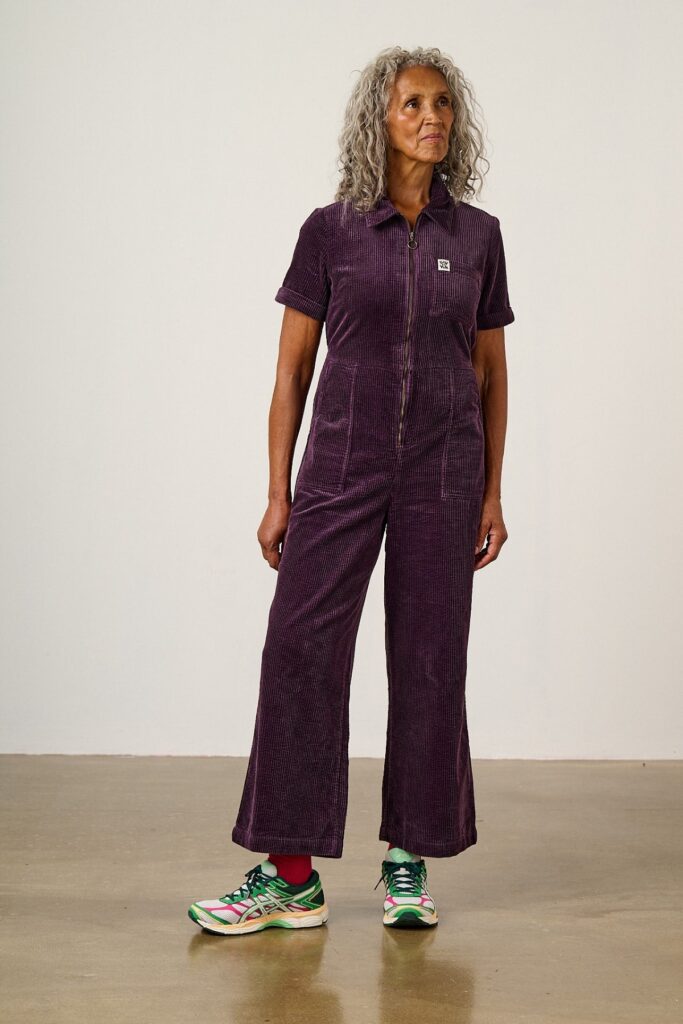
Technological advancements in search filtering have made it easier for petite consumers to bypass the "standard" inventory. eBay’s granular search filters, which allow users to isolate "petite" as a specific size type, have significantly reduced the friction previously associated with online thrift shopping. Similarly, charity-led platforms like Oxfam provide a dual benefit: they extend the lifespan of existing garments and generate revenue for social causes, creating a closed-loop system that is arguably the most sustainable option currently available.
Broader Implications and Future Outlook
The shift toward sustainable petite fashion is not merely a trend; it is a fundamental adjustment to the garment industry’s supply chain management. The "petite" category has historically been an afterthought, leading to high rates of returns and material wastage. By investing in better pattern cutting, sustainable material sourcing, and localized manufacturing, retailers are discovering that ethical practices often correlate with higher customer retention rates.
As the UK government continues to tighten regulations regarding greenwashing and corporate transparency, companies will be increasingly required to provide verifiable data regarding their supply chains. For the petite consumer, this means more than just finding clothes that fit; it means having access to the information required to make informed, ethical choices.

The future of the sector likely lies in a hybrid model:
- Technological Personalization: Increased use of AI to predict sizing requirements, reducing the return rates that plague the e-commerce sector.
- Circular Services: A shift from purely selling products to providing maintenance services, such as the repairs and alterations models pioneered by brands like Nobody’s Child.
- Hyper-Local Manufacturing: A return to small-scale, UK-based production, as seen with Hannah Sophia England, which mitigates the carbon footprint associated with global shipping and provides greater oversight of labor conditions.
In conclusion, while the search for ethical petite clothing remains a challenge, the landscape is undeniably improving. The integration of sustainable practices—from GOTS certification to circular rental and repair programs—is no longer a niche requirement but a mainstream necessity. Consumers are encouraged to prioritize brands that offer transparency in their supply chain and to utilize the growing ecosystem of secondhand marketplaces, which continue to offer the most significant potential for reducing the environmental impact of one’s wardrobe.