
The phenomenon of infants and toddlers launching food from their high chairs is a pervasive challenge in pediatric development, often causing significant parental distress. While frequently perceived as an act of defiance or a lack of manners, pediatric dietitians and child development experts characterize this behavior as a complex, multifaceted stage of early childhood. Understanding the developmental drivers behind these actions is essential for parents to mitigate the stress of mealtimes and foster healthier eating habits.
Developmental Context and Biological Drivers
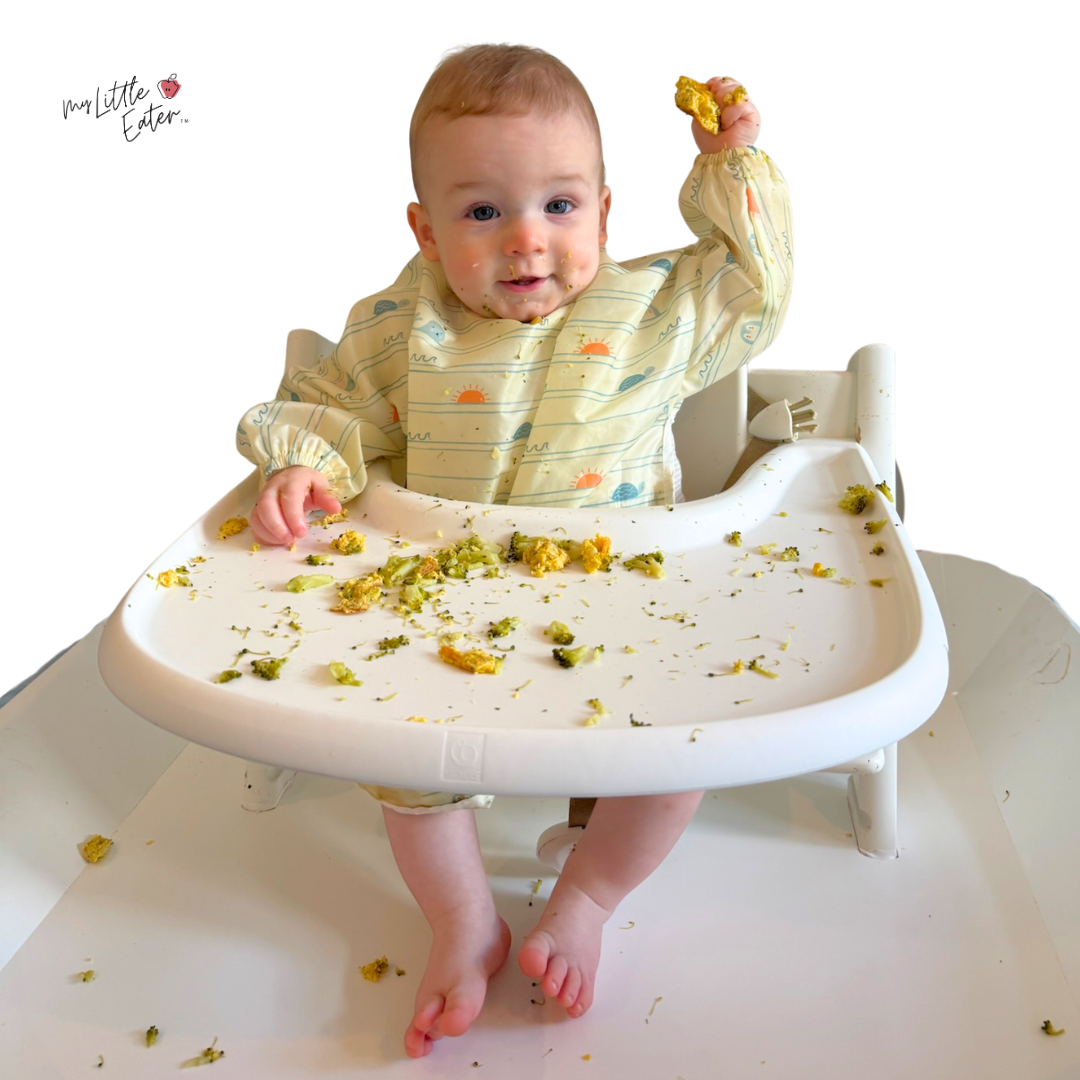
At its core, the act of throwing food is rarely a targeted behavioral problem. Instead, it is a hallmark of the exploratory phase of early childhood. Between the ages of 12 and 18 months, toddlers undergo significant neurological development, specifically regarding their understanding of cause and effect. During this window, a child may drop or throw food simply to observe the outcome. This "scientific experimentation" allows the child to learn about gravity, sound, and the reactions of their caregivers.

Furthermore, sensory exploration plays a substantial role. When a child encounters a texture, temperature, or consistency that they find unfamiliar or uncomfortable—such as a particularly mushy vegetable or an unexpectedly cold piece of fruit—their immediate, unrefined reaction is to remove the item from their proximity. This should be distinguished from picky eating, as it is a sensory-processing response rather than a rejection of the food’s nutritional value or flavor profile.
Communication Limitations
Pediatric speech-language pathologists and nutritionists note that toddlers often lack the linguistic capacity to express complex internal states. When a child reaches satiety, experiences boredom, or feels overwhelmed by the environment, they may resort to non-verbal communication. In the absence of established sign language or spoken vocabulary, throwing food becomes a highly effective, albeit messy, method of signaling that the meal is over or that their preferences are not being met.
The Role of Caregiver Interaction

From a behavioral psychology perspective, attention-seeking is a powerful reinforcer. If a child tosses a piece of pasta and receives a dramatic, high-energy response—whether that response is laughter, frustration, or a stern lecture—the behavior is validated. Because infants and toddlers often seek engagement, the negative reinforcement of a parent’s outburst can inadvertently encourage the child to repeat the action to maintain that interaction.
When Should Parents Be Concerned?
While occasional throwing is developmentally appropriate, there are specific benchmarks that warrant professional consultation. If a child exhibits persistent, daily, and intense throwing behaviors that do not subside after several weeks of consistent, calm intervention, it may indicate a deeper issue. More importantly, if the behavior is accompanied by signs of extreme distress—such as prolonged tantrums, consistent food refusal across entire food groups, or significant weight fluctuations—parents should seek evaluation from a pediatrician or a registered dietitian specializing in pediatric feeding.
Strategic Approaches to Managing Mealtimes
To effectively manage and eventually reduce food-throwing behavior, experts recommend a systemic, consistent approach to the dining environment.
-
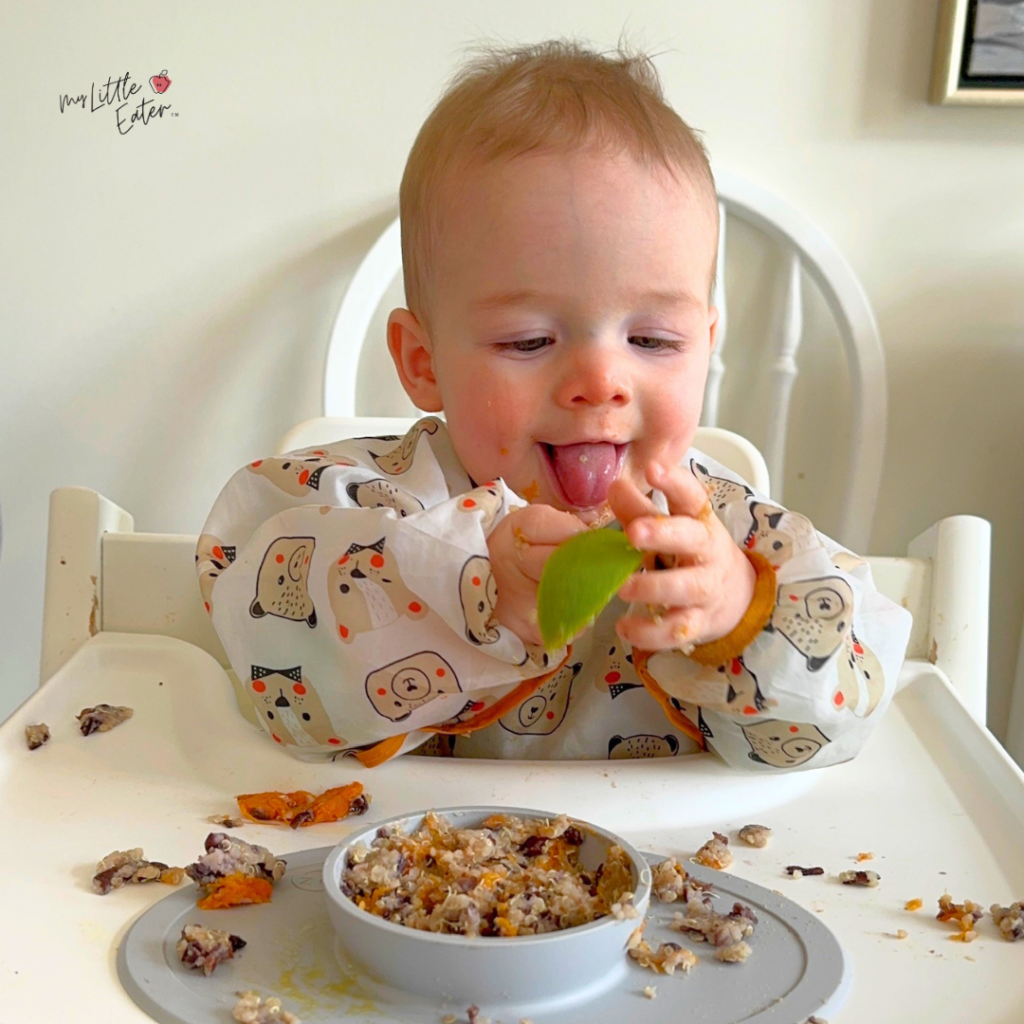
Environmental Optimization: A child’s physical stability is paramount. Many high chairs fail to provide adequate foot support, leading to restlessness and shifting. By ensuring the child’s hips, knees, and ankles are positioned at 90-degree angles, parents can provide a secure base that allows the child to focus on the task of eating rather than physical discomfort.
-
Consistent Communication: Introducing simple, non-verbal cues is an effective substitute for physical expression. Modeling an "all done" sign or using a specific phrase consistently allows the child to communicate their needs without resorting to throwing.
-
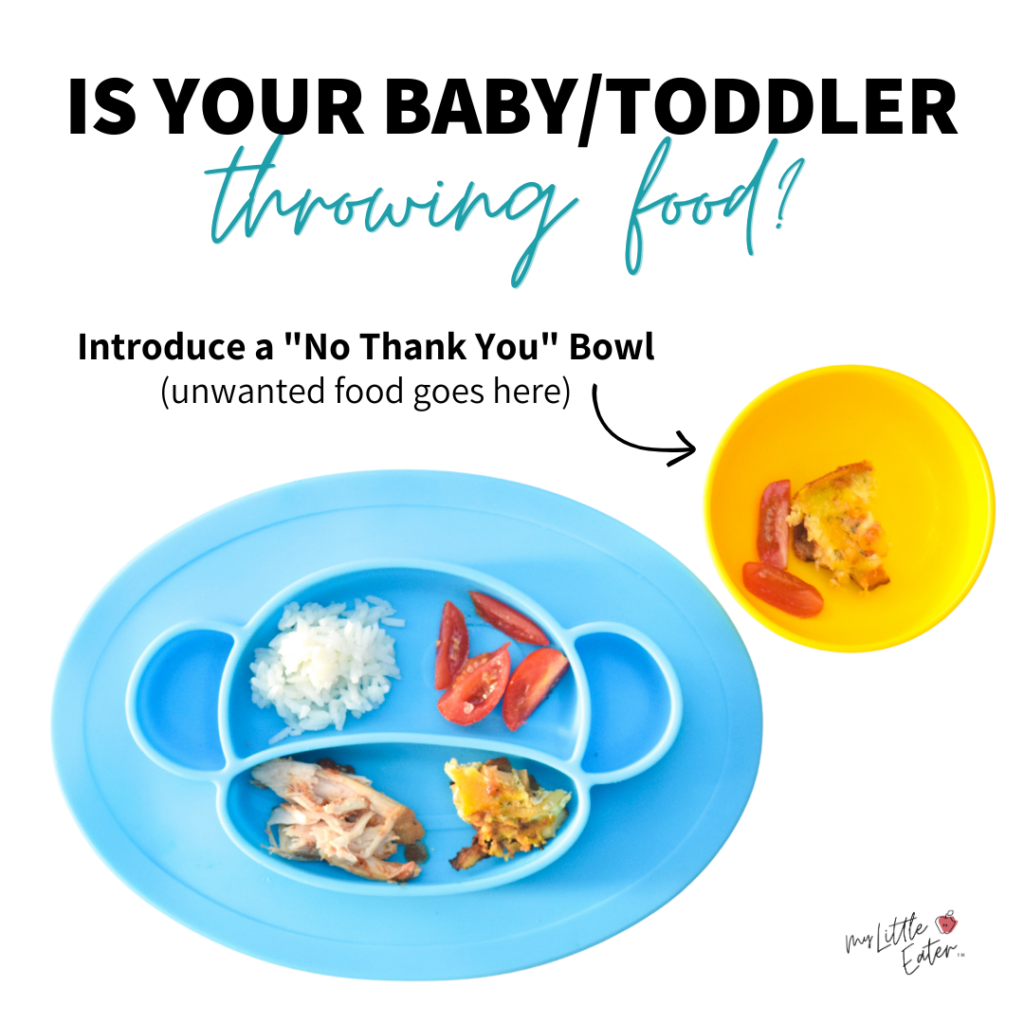
The "No Thank You" Bowl: Providing a designated, secondary container for unwanted food is a standard recommendation. By placing a small, suction-secured bowl on the tray, parents provide an acceptable outlet for the child to place food they do not wish to consume. This validates the child’s autonomy while protecting the dining space.
-
Minimizing Distractions: The presence of pets in the dining area often exacerbates the issue. When a dog or other pet is nearby to consume fallen food, it creates an immediate, highly rewarding spectacle for the child. Removing this "audience" reduces the incentive for the child to throw food.
The Neutral Response Protocol
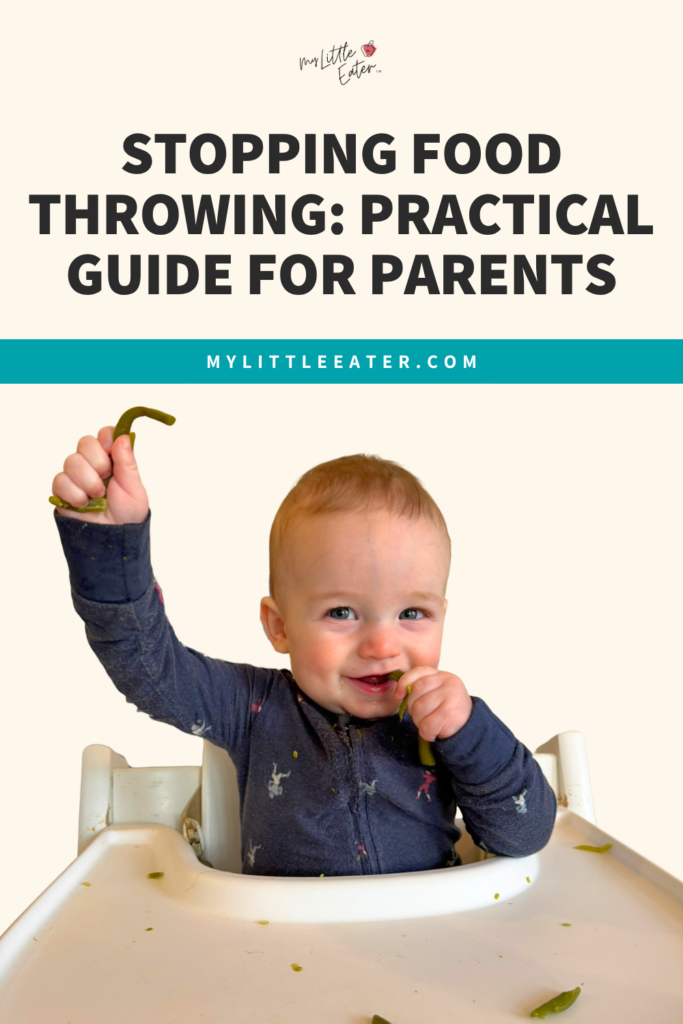
The most critical factor in extinguishing this behavior is the parent’s reaction. Adopting a "neutral response" is the gold standard for behavioral modification in this context. When food is thrown, parents are advised to maintain a neutral facial expression and avoid verbal engagement. The mess should be cleaned up swiftly and calmly. If the behavior is repeated, the parent should employ a clear, three-step boundary system: first, a calm reminder; second, the removal of the specific item; and third, if the behavior continues, the conclusion of the meal.
It is a common misconception that ending a meal early constitutes a punishment or will lead to nutritional deficits. Pediatric data consistently shows that toddlers are capable of self-regulating their caloric intake over the course of a 24-hour period. If a meal is ended due to throwing, it is not an act of starvation, but a logical consequence of the child signaling that they are no longer in a state conducive to eating.

Broader Implications for Long-term Feeding Habits
The way a caregiver handles the "throwing phase" has long-term implications for a child’s relationship with food. Excessive pressure to eat—often manifesting as forcing a child to finish a plate—can lead to increased mealtime stress, which is a known precursor to long-term picky eating. By creating an environment where the child feels heard and where the boundaries are predictable and calm, parents can foster a more positive, adventurous attitude toward nutrition.

Expert consensus emphasizes that this phase is temporary. Most children will naturally move past the stage of throwing food as their impulse control improves and their vocabulary expands, typically between the ages of 18 and 36 months. However, the efficacy of this transition depends on the consistency of the adults in the home. When all caregivers—parents, grandparents, and childcare providers—adhere to the same protocols, the child receives a clear message regarding the expectations for behavior at the table.
Conclusion

While the cleanup associated with a food-throwing child is undoubtedly taxing, it is important to view the behavior as a milestone of development rather than a personal failing or an act of defiance. Through the implementation of structured, calm, and consistent strategies, parents can navigate this phase effectively. By replacing the chaos of the "toss" with the structure of the "no thank you bowl" and maintaining a neutral demeanor, caregivers protect the integrity of the meal as a space for nourishment and family connection. Ultimately, the goal is to guide the child toward better self-regulation and communication, ensuring that the dinner table remains a place of learning and development rather than a source of chronic household stress.