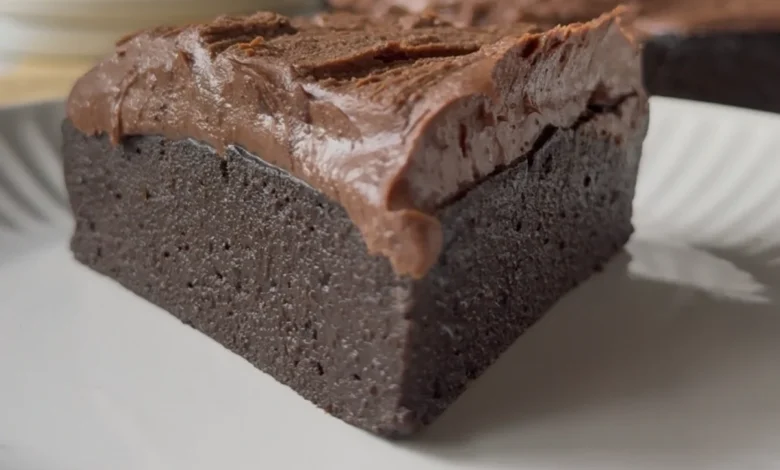
The culinary landscape has undergone a significant transformation over the last decade, marked by a growing consumer demand for desserts that align with whole-food dietary standards without sacrificing the sensory experience of traditional indulgence. At the forefront of this shift is the emergence of the flourless, oil-free, and sugar-free chocolate cake—a dish that leverages the structural properties of pumpkin purée to redefine standard baking metrics. By eliminating traditional wheat-based flours and refined sweeteners, this recipe represents a broader trend in home cooking that prioritizes nutrient-dense ingredients over conventional processed staples.
The Science of Structural Substitution
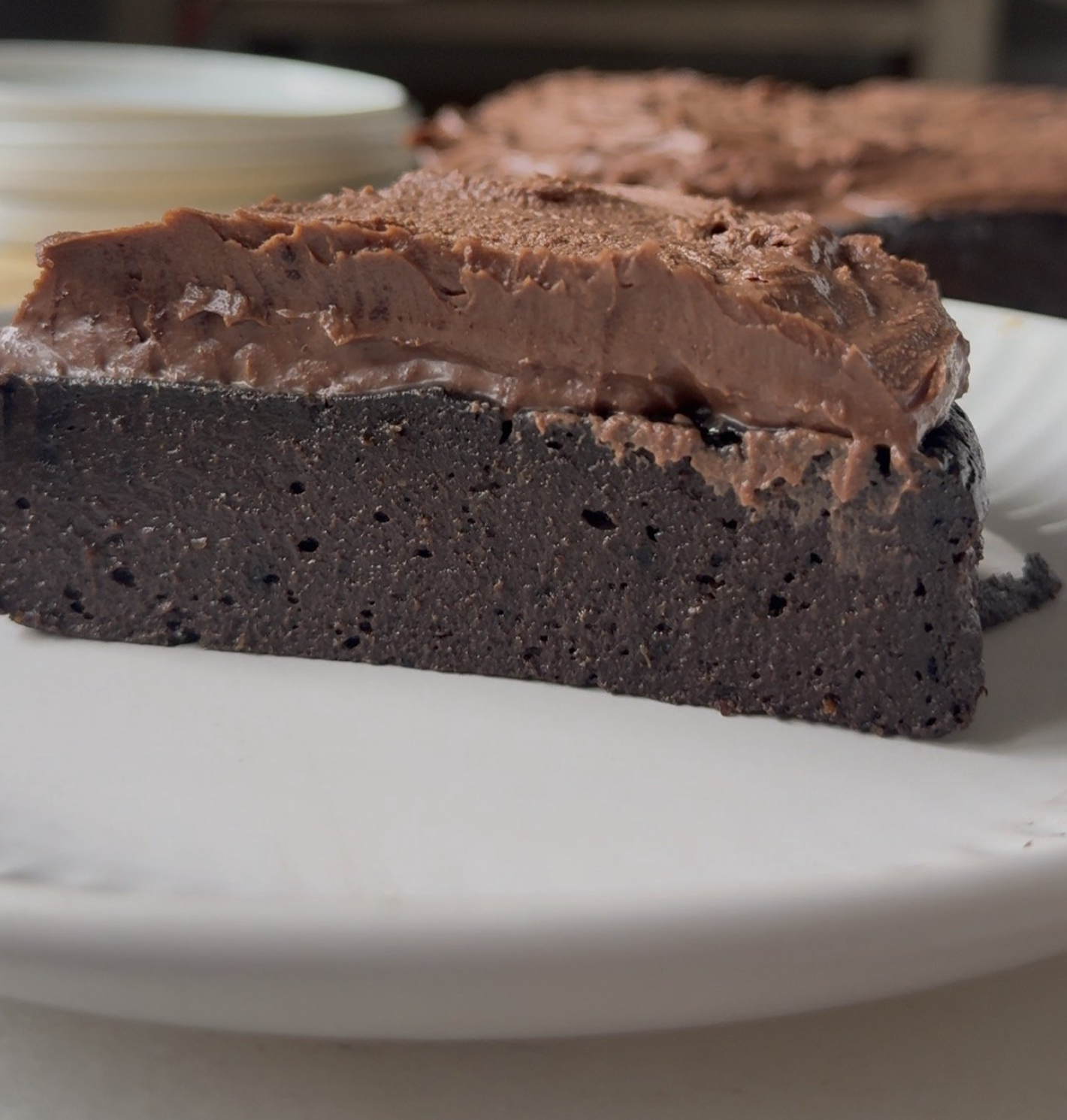
Traditional baking relies heavily on the "starch network" created by gluten-rich flours to provide structure, while fats like butter or oil are essential for achieving a moist, tender crumb. The development of this healthy chocolate cake hinges on the unique biochemical properties of pumpkin purée. When substituted for flour and fat, pumpkin acts as a binding agent that retains moisture while providing the necessary fiber to create a dense, brownie-like texture.
According to food science analysts, the use of vegetable-based purees in desserts is not merely a trend but a functional necessity for those seeking gluten-free, grain-free alternatives. The high moisture content and fibrous structure of squash-based purees allow for a cohesive batter that coagulates effectively when combined with eggs. This process, known as protein coagulation, is the primary driver behind the cake’s structure. Because this method lacks the structural integrity provided by grain starches, the cooling process—specifically a four-hour refrigeration window—is critical for the final product to set correctly.
Historical Context and Consumer Trends
The pivot toward "clean" baking has been fueled by increased consumer scrutiny regarding the health impacts of refined sugars and processed flours. Data from the health and wellness sector suggests that since 2020, there has been a 22% increase in interest regarding "whole-food desserts" that utilize natural sweeteners such as maple syrup or honey.
This recipe exemplifies a shift in the modern kitchen, moving away from complex, specialty gluten-free flour blends—which can often be expensive and difficult to source—in favor of readily available produce. By utilizing five core, whole-food ingredients (pumpkin, eggs, dark cocoa powder, maple syrup, and a two-ingredient ganache), the recipe simplifies the baking process while adhering to dietary guidelines that exclude refined carbohydrates.
Chronology of Preparation and Technical Requirements
For home bakers and culinary enthusiasts, the transition from traditional baking to this high-fiber, nutrient-dense method requires a recalibration of expectations regarding time and preparation.
The preparation timeline is as follows:
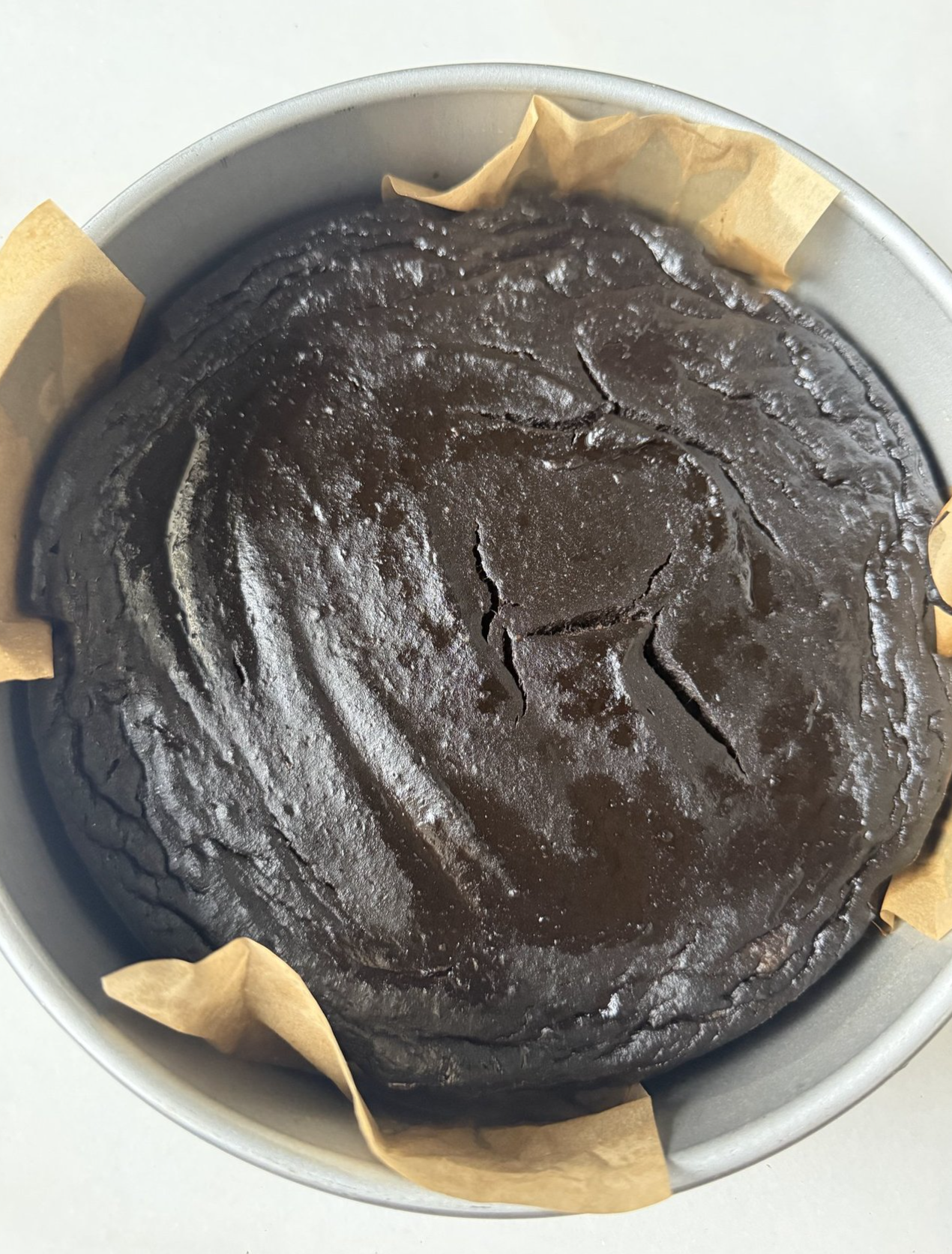
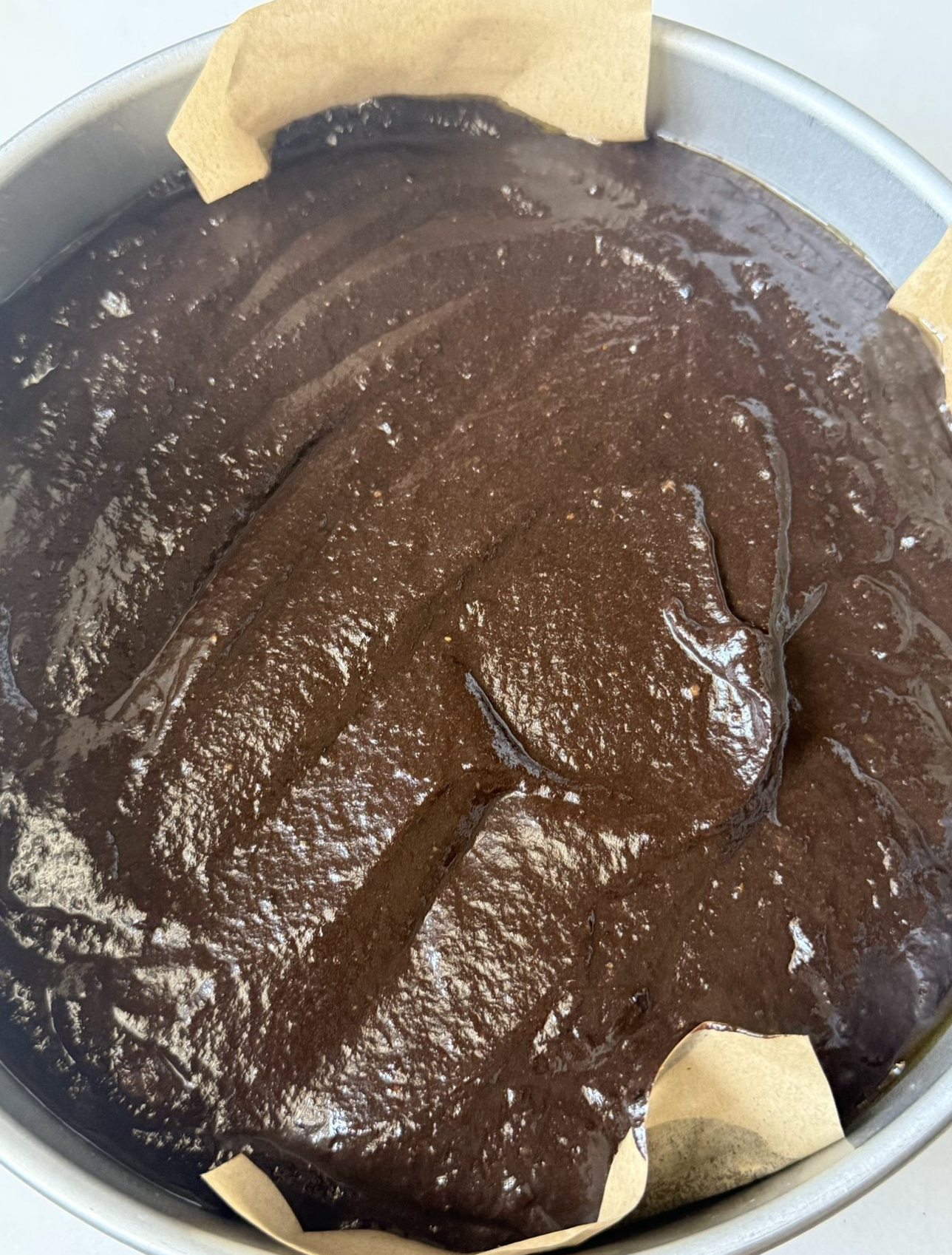
- Preparation Phase (0–15 minutes): Preheating the oven to 350 degrees Fahrenheit and preparing an 8-inch springform pan. The use of a springform pan is recommended due to the cake’s delicate, moist nature, which makes traditional inversion methods impractical.
- Mixing Phase (15–20 minutes): Integrating the five primary ingredients into a single bowl until a smooth, uniform batter is achieved.
- Baking Phase (60–65 minutes): The cake requires a prolonged bake time to ensure the eggs have sufficiently cooked to provide structural support.
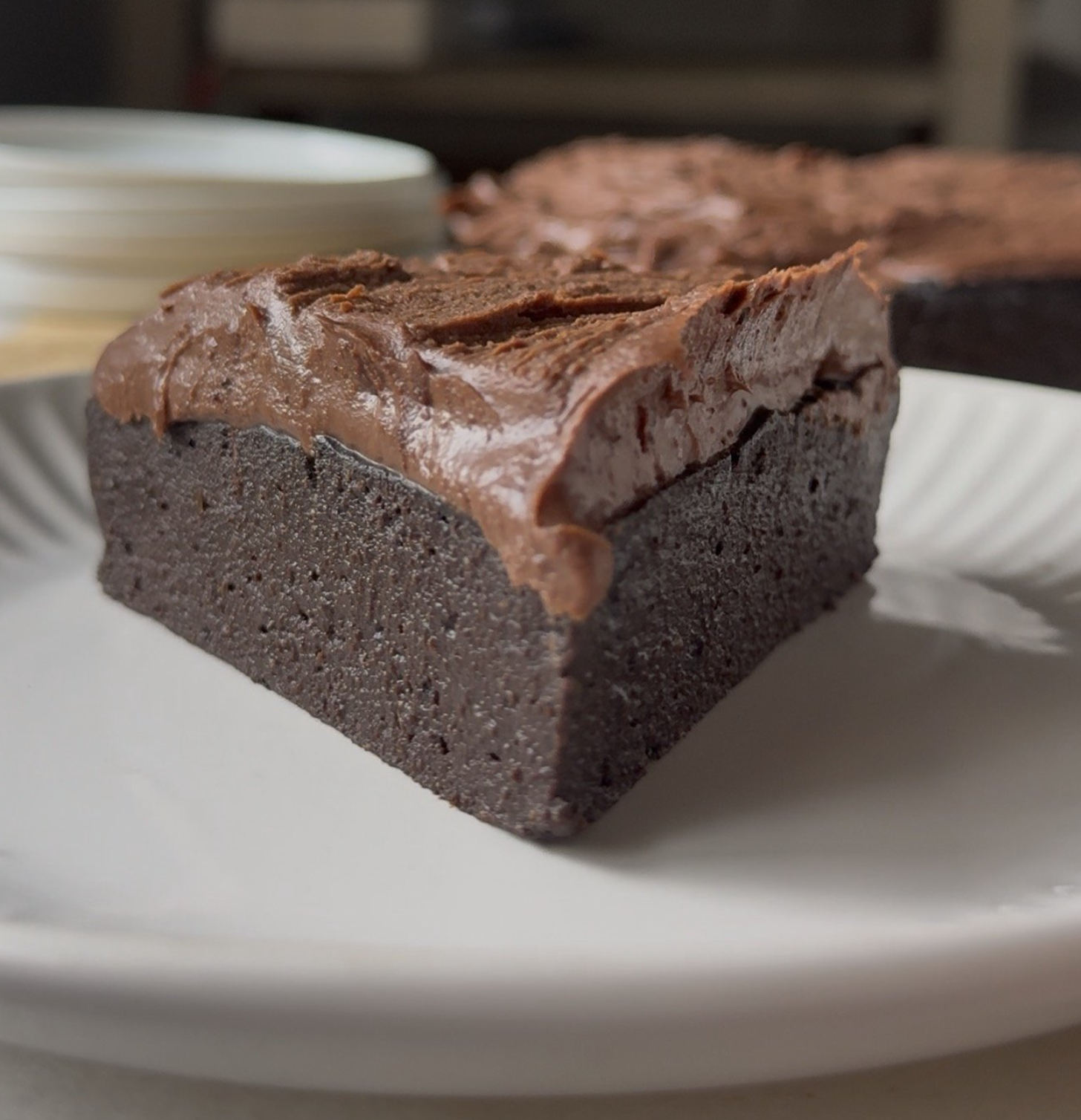
- Setting Phase (4 hours): This is perhaps the most significant departure from traditional baking. Unlike wheat-based cakes that set through the cooling of starch, this recipe requires extensive refrigeration for protein coagulation. Experts suggest a minimum of two hours in the refrigerator, with four hours being optimal for a clean, firm slice.
Nutritional Implications and Market Impact
From a nutritional standpoint, the elimination of refined sugar and flour significantly lowers the glycemic load of the dessert. By replacing these ingredients with pumpkin—a rich source of Vitamin A, fiber, and potassium—and using natural sweeteners, the resulting cake provides a higher micronutrient density than standard chocolate cake.
However, health professionals note that while the ingredient list is "cleaner," portion control remains relevant. Despite the nutrient-dense profile, the inclusion of eggs and chocolate ensures a calorie-dense product. The broader implication here is the democratization of specialized dietary needs. As more households adopt gluten-free and grain-free lifestyles due to sensitivities or personal health goals, the normalization of recipes that do not require "specialty" ingredients becomes a vital component of accessible nutrition.
Expert Perspectives on Ingredient Selection
Culinary experts emphasize the importance of ingredient quality in this specific recipe. Not all pumpkin purée is created equal; the moisture content varies significantly between brands. Market leaders in the canned vegetable sector have seen increased demand for "drier" purées, which are essential for preventing the cake from becoming overly dense or watery.
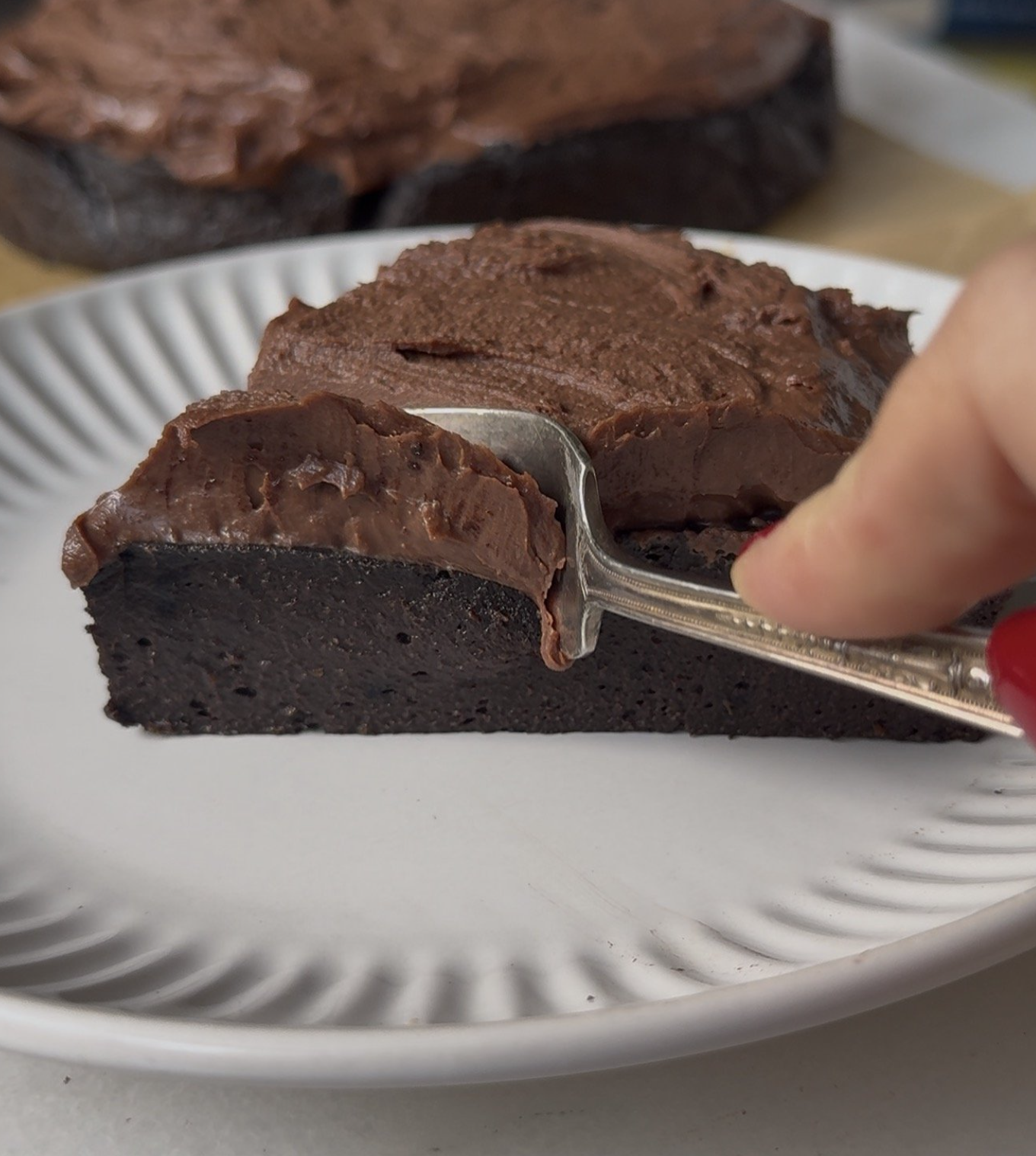
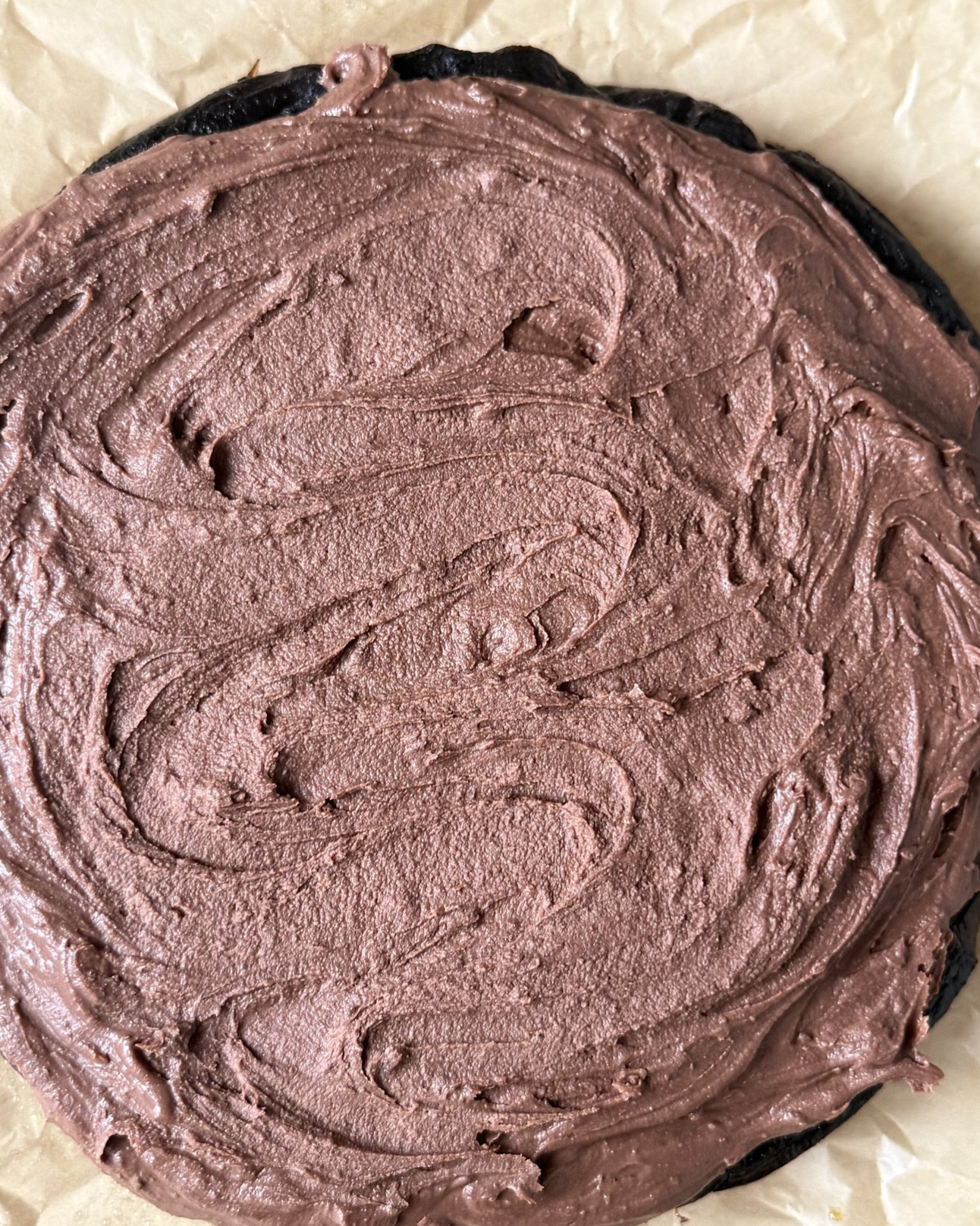
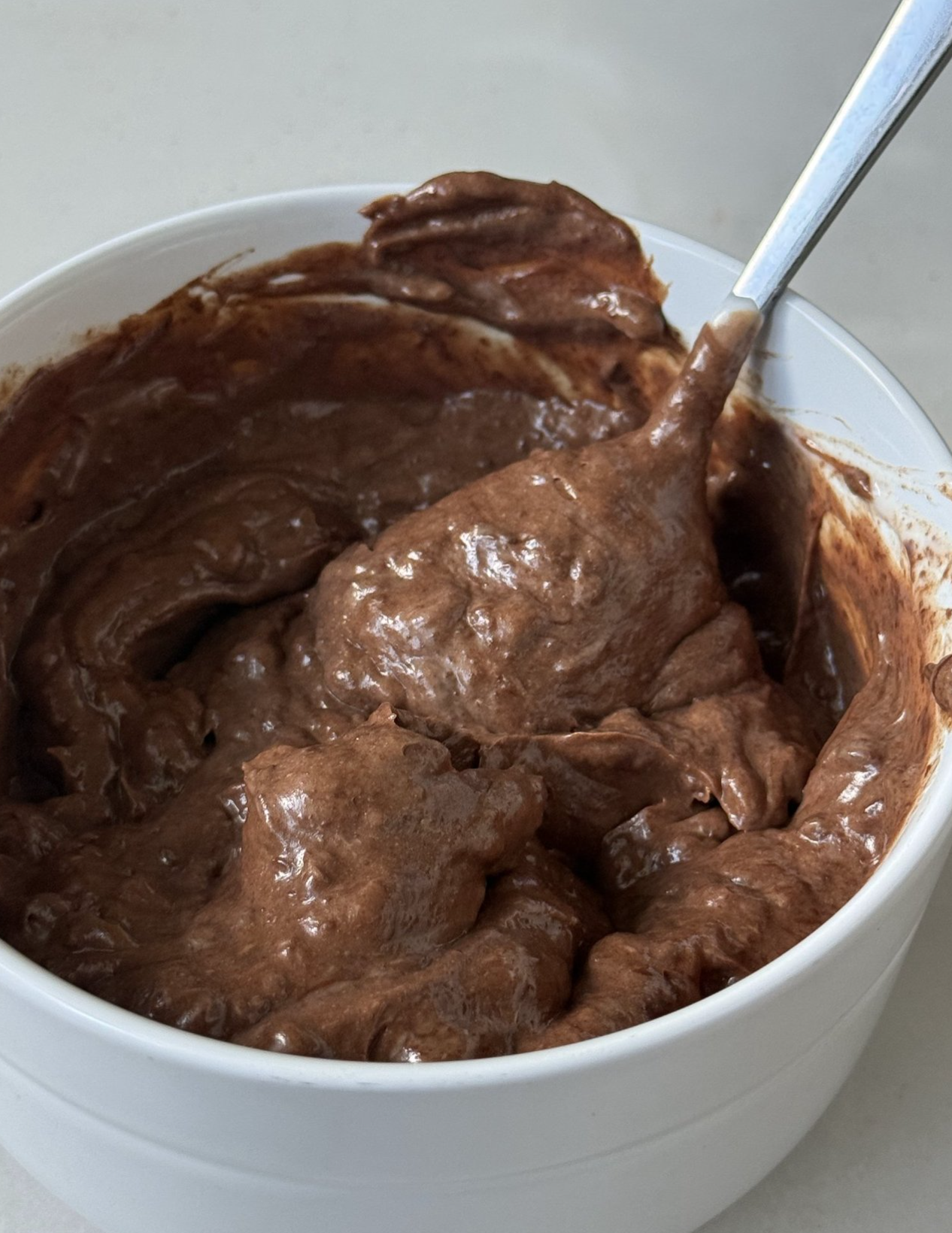
Regarding the frosting, the shift toward a two-ingredient ganache—typically consisting of heavy whipping cream and high-quality dark chocolate chips—mirrors the industry’s move toward transparency. By focusing on minimal, recognizable ingredients, the recipe effectively eliminates the need for emulsifiers or stabilizers commonly found in commercial frosting products. For those requiring dairy-free alternatives, the substitution of full-fat coconut cream has been shown to produce a structurally similar, albeit slightly softer, ganache, further widening the accessibility of the recipe.
Future Outlook for Whole-Food Desserts
The success of this recipe in mainstream forums points to a sustained interest in the "healthification" of classic comfort foods. As supply chains for whole-food ingredients become more robust, it is likely that such recipes will move from niche wellness blogs into standard home cooking rotations.
The economic impact of this shift is also notable. By relying on simple, unprocessed ingredients, consumers can potentially reduce the cost of high-end, gluten-free, or keto-friendly desserts, which are often priced at a premium in retail settings. The ability to create a high-quality, professional-grade dessert using basic pantry staples—provided one has access to a refrigerator and a basic understanding of protein-based structure—positions this recipe as a case study in the future of accessible, healthy home baking.
Summary of Best Practices for Success
To ensure optimal results, home bakers are advised to adhere to the following fact-based guidelines:
- Moisture Management: If the chosen brand of pumpkin purée appears thin or watery, blotting the excess moisture with a paper towel is an essential step to prevent an under-set final product.
- The Cooling Rule: Under no circumstances should the cake be sliced before the four-hour mark. The structural integrity of the cake is entirely dependent on the cooling process; skipping this step will result in a loss of texture and shape.
- Frosting Technique: The ganache must be prepared by heating the cream only until it is lightly bubbling, followed by the immediate addition of chocolate. Stirring until smooth ensures a stable emulsion that will harden properly when chilled.
- Equipment: While a springform pan is the gold standard for this recipe, a standard pan can be used if lined with parchment paper that extends above the rim, allowing the cake to be lifted out easily.
As the industry continues to evolve, the integration of vegetable-based ingredients into dessert recipes represents a significant step forward in the pursuit of balanced nutrition. Whether for those managing specific dietary requirements or for the casual baker looking to improve the nutritional quality of their household meals, the "Healthy Chocolate Cake" serves as a benchmark for modern, functional, and indulgent culinary design.