Nurturing Social and Emotional Intelligence in Early Childhood Development: A Comprehensive Guide for Educators and Families

The formative years of early childhood—specifically the period between the ages of two and five—represent a critical window for neurological development, during which children build the foundational social and emotional skills necessary for lifelong success. Recent research in child psychology confirms that these capacities, often referred to as "soft skills," are as significant as academic markers in predicting long-term personal and professional well-being. Whether in the home or within structured early learning environments, caregivers play a pivotal role in scaffolding these developments through deliberate, daily interactions.
The Developmental Context: Why Social-Emotional Learning Matters
Social-emotional learning (SEL) encompasses a child’s ability to understand and manage emotions, set and achieve positive goals, feel and show empathy for others, establish and maintain positive relationships, and make responsible decisions. According to longitudinal studies by the Collaborative for Academic, Social, and Emotional Learning (CASEL), children who participate in evidence-based SEL programs demonstrate higher academic achievement and lower rates of behavioral challenges.
The development of these skills follows a predictable, though variable, timeline. During the toddler years, children transition from egocentric play toward collaborative engagement. By the preschool years, the capacity for perspective-taking emerges, allowing children to recognize the emotional states of their peers. When adults consistently model and facilitate these interactions, they reinforce neural pathways associated with empathy and impulse control.
Core Strategies for Skill Acquisition
To foster these developmental milestones, educators and parents are increasingly adopting structured, play-based strategies that integrate emotional literacy into routine activities.
Facilitating Peer Interaction and Collaborative Play
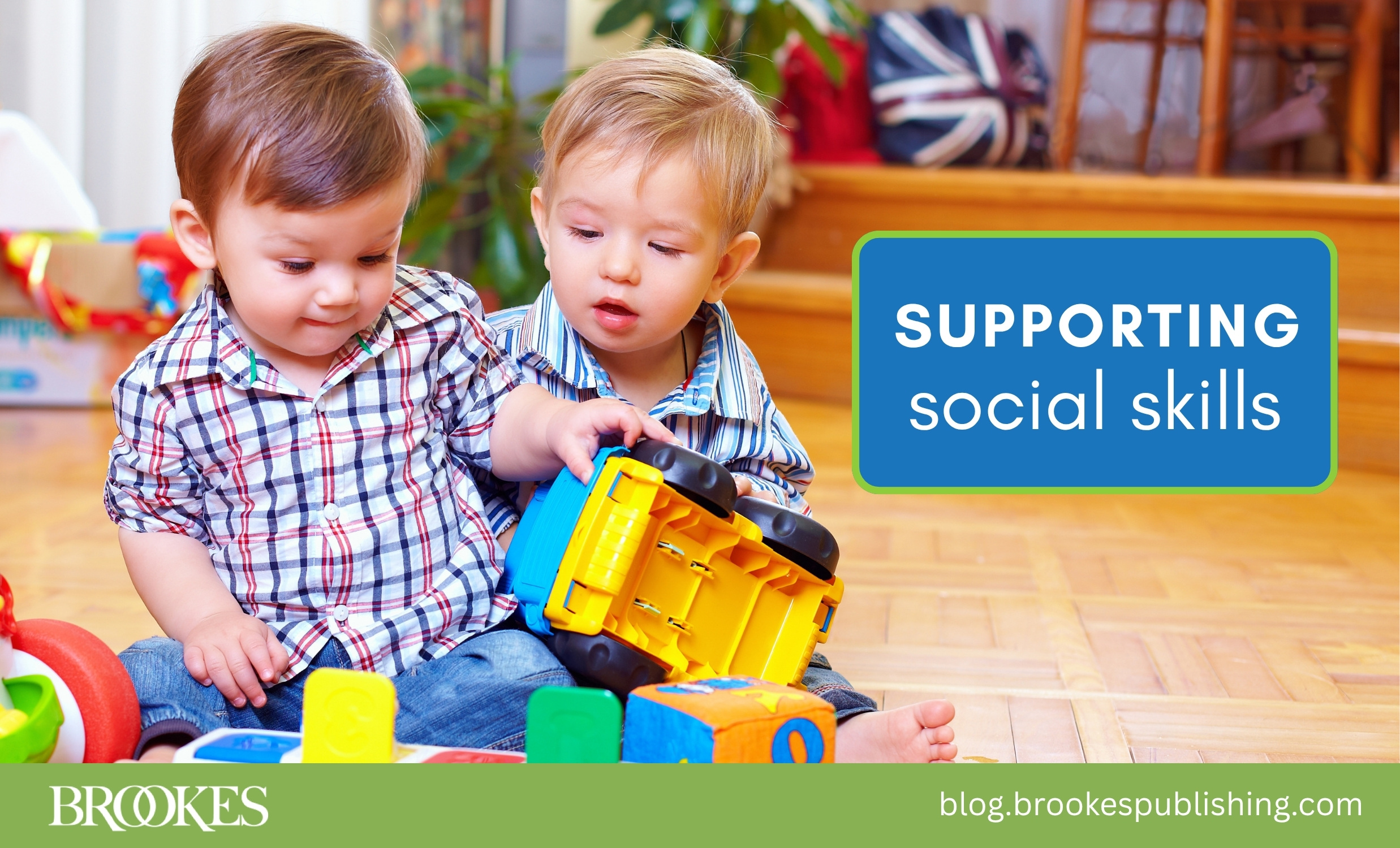
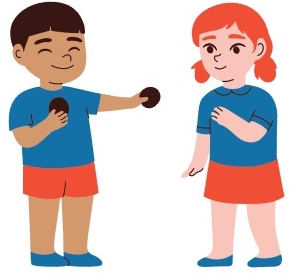
The transition from parallel play—where children play side-by-side but not together—to cooperative play is a significant milestone. Educators can catalyze this process by creating shared tasks. For instance, when children are working with tactile materials like clay or blocks, the introduction of limited tools necessitates negotiation. By prompting children to share resources, adults introduce the concept of "turn-taking" within a low-stakes environment. This structured interaction provides a tangible lesson in social reciprocity.

Emotional Literacy and Linguistic Labeling
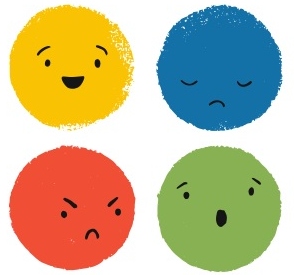
A fundamental component of emotional regulation is the ability to identify and verbalize internal states. Experts suggest that when adults mirror a child’s emotions—using a tone and vocabulary that matches the child’s experience—it validates their feelings while providing them with the necessary linguistic tools to communicate. By labeling a child’s frustration as "disappointment" or their excitement as "joy," caregivers bridge the gap between abstract sensation and concrete language, which is essential for developing self-regulation.
The Role of Pretend Play in Cognitive Flexibility
Pretend play serves as a vital laboratory for social simulation. By utilizing props such as kitchen sets or costumes, children practice assuming different roles and navigating social scenarios. This activity allows children to externalize anxieties, such as separation from parents, by "acting out" the scenario with toys. This process, known as play therapy or developmental role-play, empowers children to rehearse social solutions, effectively lowering their stress response to real-world challenges.
Empirical Foundations and Professional Perspectives
Early childhood professionals emphasize that the environment is a primary teacher. Dr. Elena Rodriguez, a developmental psychologist, notes, "The architecture of the brain is built through experiences. When we provide a consistent, responsive, and linguistically rich environment, we are essentially providing the building blocks for executive function."
Data from the National Association for the Education of Young Children (NAEYC) supports this, indicating that classrooms featuring high-quality social-emotional scaffolding report a 30% reduction in classroom disruption and a marked increase in peer-to-peer conflict resolution. These interventions are not merely about "good behavior"; they are about equipping the child with the cognitive tools to handle complex social information in a fast-paced environment.
Chronology of Social-Emotional Development
- Ages 18–24 Months: The emergence of "self-conscious" emotions, such as pride and shame. Parallel play is the dominant mode of interaction.
- Ages 2–3 Years: The development of rudimentary empathy. Children begin to understand that others have different desires and needs, leading to the first attempts at cooperative play.
- Ages 3–4 Years: Increased capacity for symbolic thought allows for more complex pretend play and the use of language to express emotional needs.
- Ages 4–5 Years: Strengthening of impulse control. Children can better understand social rules and the importance of group cooperation, facilitating more stable friendships.
Supporting Persistence and Resilience
Persistence, or the ability to work through challenges, is a key predictor of academic grit. In a classroom setting, when a child encounters a task that induces frustration—such as balancing blocks or learning to maneuver a tricycle—the educator’s role is to provide "scaffolded encouragement." By reframing the challenge as a process rather than a final product, adults help children develop a growth mindset. Instead of focusing on the failure to complete the task, the emphasis shifts to the effort and the incremental progress made.
The Impact of Nurturing and Inclusive Practices
Making friends is an intentional social skill that can be fostered through inclusive rituals. Simple classroom tasks, such as assigning a "greeter" role or utilizing a visual "check-in" board for absent peers, foster a sense of belonging and community. Furthermore, the promotion of caring and nurturing behaviors—such as attending to dolls or stuffed animals—is essential for all children regardless of gender. These activities cultivate altruism and provide a safe space to practice nurturing behaviors that translate into real-world social competence.

Broader Implications for Education Policy
The current movement toward universal pre-K and expanded early childhood education is largely driven by the recognition of these developmental needs. Policy analysts argue that investments in high-quality early learning are not only beneficial for the individual child but also for society at large, as they correlate with higher graduation rates and lower rates of juvenile justice involvement.
However, the efficacy of these programs rests on the training and support provided to the workforce. Educators must be equipped not only with pedagogical knowledge but also with the social-emotional tools to manage classroom dynamics effectively. As the sector evolves, the integration of mental health resources and specialized training for early childhood staff remains a priority for stakeholders at both the state and federal levels.

Conclusion
The development of social and emotional intelligence is a lifelong journey that begins in the early years. By prioritizing turn-taking, peer cooperation, emotional labeling, and resilient problem-solving, educators and parents create a supportive ecosystem for children. As empirical data continues to link these early experiences to future success, the necessity of embedding these practices into daily routines becomes increasingly clear. Whether through the simple act of reading a story and discussing a character’s emotions, or through the intentional design of a classroom that promotes inclusive play, every interaction serves as an opportunity to shape the future of a child’s social and emotional health.