The Ultimate College Apartment Kitchen Checklist: A Dietitian-Mom’s Guide to Stocking Your First Off-Campus Pantry and Fridge


Transitioning from a university residence hall to an off-campus apartment represents a major milestone in a young adult’s life, characterized by newfound independence, personal space, and the complete removal of residential advisors and communal bathrooms. However, the initial thrill of independent living frequently collides with a stark culinary reality shortly after move-in day: the realization that nourishment is no longer guaranteed by a prepaid campus dining hall meal plan.
For many college students, this moment sparks a mix of excitement and anxiety regarding self-sufficiency. Concurrently, parents often harbor concerns that their children will subsist entirely on energy drinks, instant ramen, and takeout pizza once the safety net of institutional dining is removed. Yet, public health data and nutrition experts indicate that off-campus living can actually serve as a vital incubator for lifelong healthy eating habits, provided students approach the transition with a strategic framework.
Establishing a functional, health-conscious kitchen in a student rental does not require advanced culinary credentials, high-end commercial appliances, or an extravagant budget. Rather, successful independent nutrition relies on acquiring a curated collection of versatile ingredient staples, investing in a minimalist set of reliable cooking gear, and developing a structured weekly meal plan. This comprehensive guide outlines the essential equipment worth purchasing, the items to bypass, and the fundamental pantry, refrigerator, and freezer inventory required to maintain a balanced diet throughout the academic year.
The Evolution of Student Nutrition: Background and Context
The shift from the structured environment of a university dining hall to an independent apartment kitchen marks a critical developmental phase for undergraduate students. Historically, campus meal plans have provided predictable, albeit sometimes monotonous, access to cooked meals. When students transition to rental apartments, typically during their junior or senior years, they assume full responsibility for grocery procurement, food safety, meal preparation, and kitchen maintenance.
According to data compiled by consumer food research organizations, young adults living off-campus frequently face unique economic and logistical hurdles. Budget constraints, limited storage space, shared refrigerators with roommates, and a general lack of foundational cooking skills often push students toward highly processed convenience foods. Furthermore, fluctuating academic schedules, late-night studying, and extracurricular commitments can disrupt regular meal patterns.
Despite these challenges, pediatric dietitians and nutritionists emphasize that college apartments offer an ideal environment for culinary experimentation. When students take ownership of their grocery shopping and meal preparation, they develop practical life skills that extend far beyond graduation. Studies on young adult dietary behaviors consistently demonstrate that individuals who cook at least three to four times per week consume higher amounts of fiber, vitamins, and minerals, while significantly reducing their reliance on sodium-dense processed foods and restaurant delivery services.
Essential Kitchen Equipment: What to Buy and What to Skip
One of the most common mistakes incoming apartment residents make is attempting to recreate a fully outfitted suburban kitchen in a compact student rental. Limited counter space, minimal cabinet storage, and shared living arrangements dictate a streamlined approach to culinary hardware.
Dietetic advisors and seasoned college parents stress that students require far fewer gadgets than they initially imagine. A functional kitchen setup can be achieved with a targeted investment in multi-purpose tools while deliberately bypassing single-use appliances that consume valuable real estate.
Core Must-Haves
The foundational gear list should focus on versatility and durability. Essential items include:
- An 8-inch or 10-inch Chef’s Knife: A sharp, high-quality knife makes prep work safer and more efficient.
- A Cutting Board: Plastic or wood boards protect countertops and prevent cross-contamination.
- A Medium-Sized Saucepan: Ideal for boiling pasta, steaming vegetables, and warming soups.
- A Non-Stick Skillet (10-inch to 12-inch): Indispensable for cooking eggs, sautéeing vegetables, and searing proteins.
- A Baking Sheet: Useful not only for baking cookies but also for roasting vegetables, reheating pizza, and roasting proteins.
- Measuring Cups and Spoons: Essential for following recipes accurately and managing portion control.
- Basic Tableware and Utensils: A modest set of plates, bowls, drinking glasses, forks, knives, spoons, a spatula, and a wooden spoon.
Potential Must-Haves (Depending on Lifestyle)
Depending on individual dietary preferences and cooking habits, students may also benefit from:
- A Microwave-Safe Glass Container Set: Excellent for storing leftovers, meal-prepping, and reheating meals between classes.
- A Blender: Suitable for smoothies, protein shakes, and pureed soups.
- A Can Opener: A frequently overlooked necessity for opening canned beans, tomatoes, and tuna.
Nice-to-Haves
If budget and storage permit, additional items can enhance the cooking experience:
- A Rice Cooker: Simplifies grain preparation for students who consume rice regularly.
- An Electric Kettle: Speeds up the process for boiling water for tea, coffee, instant oatmeal, or pasta.
Items to Consider Skipping
To conserve financial resources and maintain an uncluttered living space, students should avoid purchasing:
- Single-Use Gadgets: Specialized tools like avocado slicers, garlic presses, and egg boilers occupy space and offer little versatility.
- Elaborate Bakeware Sets: Unless a student specifically enjoys baking from scratch, complex pastry pans and soufflé dishes are rarely utilized in a student apartment.
- Excessive Dinnerware: Buying service for twelve is unnecessary; service for two to four people is more than adequate for daily use and occasional guests.
Public Health Note: Consumers must consistently monitor federal and local public health advisories regarding food safety. For instance, public health agencies periodically issue warnings concerning pre-washed bagged greens due to potential bacterial or parasitic outbreaks, such as Cyclospora. Staying informed through official channels protects students from foodborne illnesses.
Financial Planning and Budget Management
Balancing grocery expenditures with tuition, rent, textbooks, and social activities requires careful financial planning. College students operate within strict fiscal parameters, making efficient grocery shopping an essential life skill.
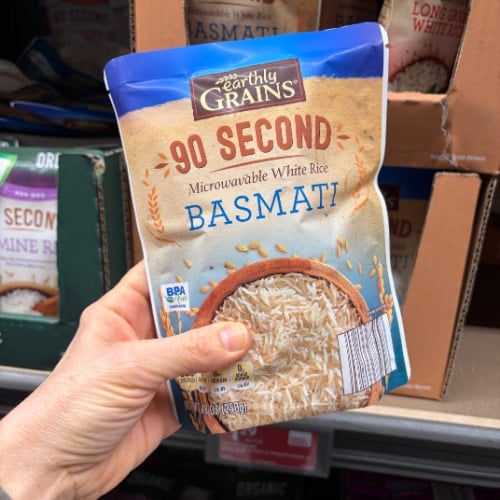
Dietitian-moms and financial advisors recommend establishing a dedicated weekly food budget prior to the start of the semester. To maximize purchasing power without sacrificing nutritional quality, students should utilize budget-friendly grocery retailers, discount supermarkets, and wholesale clubs when shopping with roommates. Buying store-brand generic items instead of name brands typically reduces grocery bills by 20 to 30 percent without compromising nutritional value.
Furthermore, meal planning significantly curtails impulse purchases and food waste. By auditing existing pantry supplies before visiting the supermarket, students can construct a cohesive grocery list based on meals that share common ingredients, thereby stretching their food budget across multiple days.
Stocking the Pantry: The Foundation of Independent Meals
Shelf-stable pantry items form the structural backbone of student cooking. Maintaining a well-organized cupboard ensures that a nutritious, satisfying meal can be assembled on short notice, even during high-stress exam periods when grocery shopping is deprioritized.
Grains and Complex Carbohydrates
Grains provide sustained energy for long study sessions and physical activity. Essential dry goods include:
- Pasta: Versatile, inexpensive, and quick to cook.
- Rice (White or Brown): Serves as a base for stir-fries, grain bowls, and burritos.
- Oats (Rolled or Instant): Provides a rapid, fiber-rich breakfast option.
- Whole-Wheat Bread or Tortillas: Ideal for sandwiches, wraps, and quick quesadillas.
Shelf-Stable Proteins
To maintain adequate protein intake without relying on daily trips to the butcher counter, students should stock:

- Canned Tuna, Salmon, or Chicken: Excellent for quick protein delivery in salads, sandwiches, or pasta dishes.
- Canned Beans (Black, Pinto, Chickpeas): Inexpensive, fiber-dense, and ready to use in soups, salads, and grain bowls.
- Dried Lentils: Cook relatively quickly compared to dried beans and make hearty, nutritious soups.
- Nut Butters (Peanut or Almond): High in healthy fats and protein, perfect for toast, oatmeal, or quick snacks.
Produce That Tolerates Storage
While fresh, delicate fruits and vegetables spoil rapidly in student apartments, certain produce items offer extended shelf life when stored properly in a cool, dark cupboard:
- Onions and Garlic: Fundamental aromatics that elevate the flavor profile of nearly any savory dish.
- Potatoes and Sweet Potatoes: Starchy, filling, and capable of lasting several weeks.
Oils, Sauces, and Flavor Enhancers
Transforming basic ingredients into flavorful meals requires a modest collection of condiments and cooking liquids:
- Cooking Oil: Olive oil or canola oil for sautéeing and roasting.
- Vinegar: Balsamic or apple cider vinegar for quick salad dressings and pan sauces.
- Soy Sauce and Hot Sauce: Instant flavor boosters for rice, noodles, and roasted vegetables.
- Canned Diced Tomatoes or Marinara Sauce: The cornerstone for quick pasta dishes, stews, and chilis.
Spices and Baking Essentials
Basic seasonings prevent meal fatigue by allowing students to experiment with different flavor profiles:
- Salt and Black Pepper: Non-negotiable essentials for basic seasoning.
- Garlic Powder, Onion Powder, and Italian Seasoning: Versatile blends that complement various proteins and vegetables.
- Cinnamon and Honey: Useful for sweetening oatmeal, yogurt, and baked goods.
Refrigerator Essentials: Fresh Nutrition on Demand
Managing a shared refrigerator requires communication with roommates and an understanding of food safety protocols. Stocking the fridge should focus on perishable items that offer multiple culinary applications.
- Eggs: Highly versatile, affordable, and quick to prepare for breakfast, lunch, or dinner.
- Milk or Plant-Based Milk Alternatives: Essential for cereal, coffee, smoothies, and baking.
- Yogurt (Greek or Regular): Provides protein and probiotics; functions as a breakfast staple or a base for creamy sauces.
- Hard Cheese (Cheddar, Parmesan, or Mozzarella): Adds flavor and fat to pasta, eggs, and sandwiches; lasts longer in the refrigerator than soft cheeses.
- Fresh Produce with Longer Refrigeration Life: Carrots, celery, bell peppers, and apples withstand refrigeration better than delicate leafy greens.
- Condiments: Mustard, mayonnaise, and salsa to enhance simple meals.
Freezer Staples: The Ultimate Safety Net
The freezer serves as the ultimate insurance policy against busy academic schedules and unexpected late nights. Utilizing the freezer effectively prevents food waste and ensures that a wholesome meal is always minutes away.

- Frozen Vegetables (Broccoli, Peas, Mixed Veggies): Flash-frozen at peak ripeness, retaining their nutritional value and requiring zero prep work. They can be added directly to soups, stir-fries, and pasta dishes.
- Frozen Fruit (Berries or Mango Chunks): Ideal for morning smoothies or warming over oatmeal.
- Frozen Proteins (Chicken Breasts, Ground Turkey, Edamame): Can be thawed safely in the refrigerator overnight or cooked directly from frozen using appropriate techniques.
- Pre-Cooked Whole-Grain Rice or Quinoa: Available in freezer-safe bags or easily homemade and portioned for rapid reheating.
- Sliced Bread or Bagels: Freezing bread prevents mold growth, allowing students to toast slices directly from the freezer as needed.
Broader Impact and Implications of Student Cooking
The transition to off-campus apartment cooking extends far beyond the immediate goal of avoiding hunger or saving money. Public health analysts and educational researchers suggest that mastering basic culinary skills during undergraduate years fosters long-term health resilience.
When young adults learn to source ingredients, manage food storage safely, and prepare balanced meals independently, they establish dietary patterns that persist into their professional careers. This self-sufficiency reduces the incidence of diet-related chronic conditions later in life and lessens the financial burden associated with frequent restaurant dining and healthcare expenditures.
Ultimately, equipping a college apartment kitchen is an investment in personal autonomy. By approaching the transition with a well-organized checklist, a sensible budget, and a foundational inventory of pantry, fridge, and freezer staples, students can navigate the culinary demands of higher education with confidence, ensuring a nourishing and successful academic journey.