The Rise of Air Fryer Cuisine: Mastering the Perfectly Crispy Chicken Bite

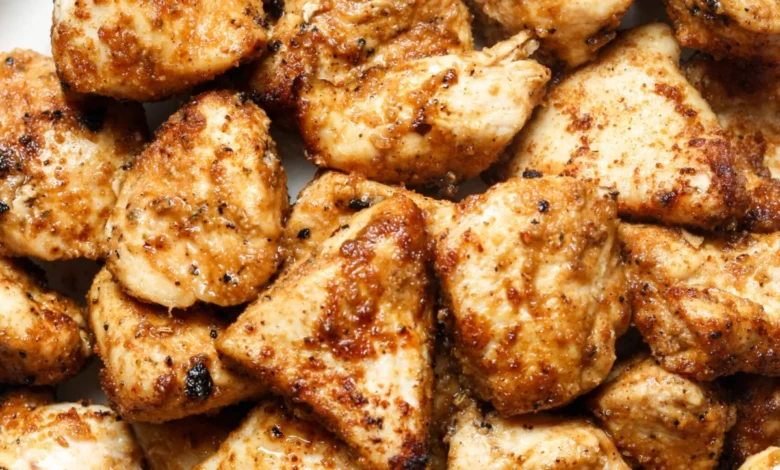
The culinary landscape has undergone a significant transformation over the last five years, driven largely by the rapid adoption of air frying technology in residential kitchens. Among the most popular applications of this appliance is the preparation of bite-sized poultry, a dish that has moved from a niche convenience food to a staple of modern, health-conscious home cooking. As consumer demand for high-protein, low-effort meals continues to climb, the air fryer has emerged as the primary tool for achieving deep-fried textures without the associated health risks of traditional oil submersion.
Technological Evolution and the Shift in Home Cooking
The air fryer, which utilizes rapid air circulation to simulate the effects of convection baking and deep frying, has become one of the fastest-growing segments in the small kitchen appliance market. Industry analysts estimate that air fryer ownership in the United States surpassed 40% of households by early 2025. This adoption rate is largely attributed to the device’s ability to reduce cooking times by approximately 20% to 30% compared to conventional ovens, while simultaneously lowering the fat content of meals by up to 75%.
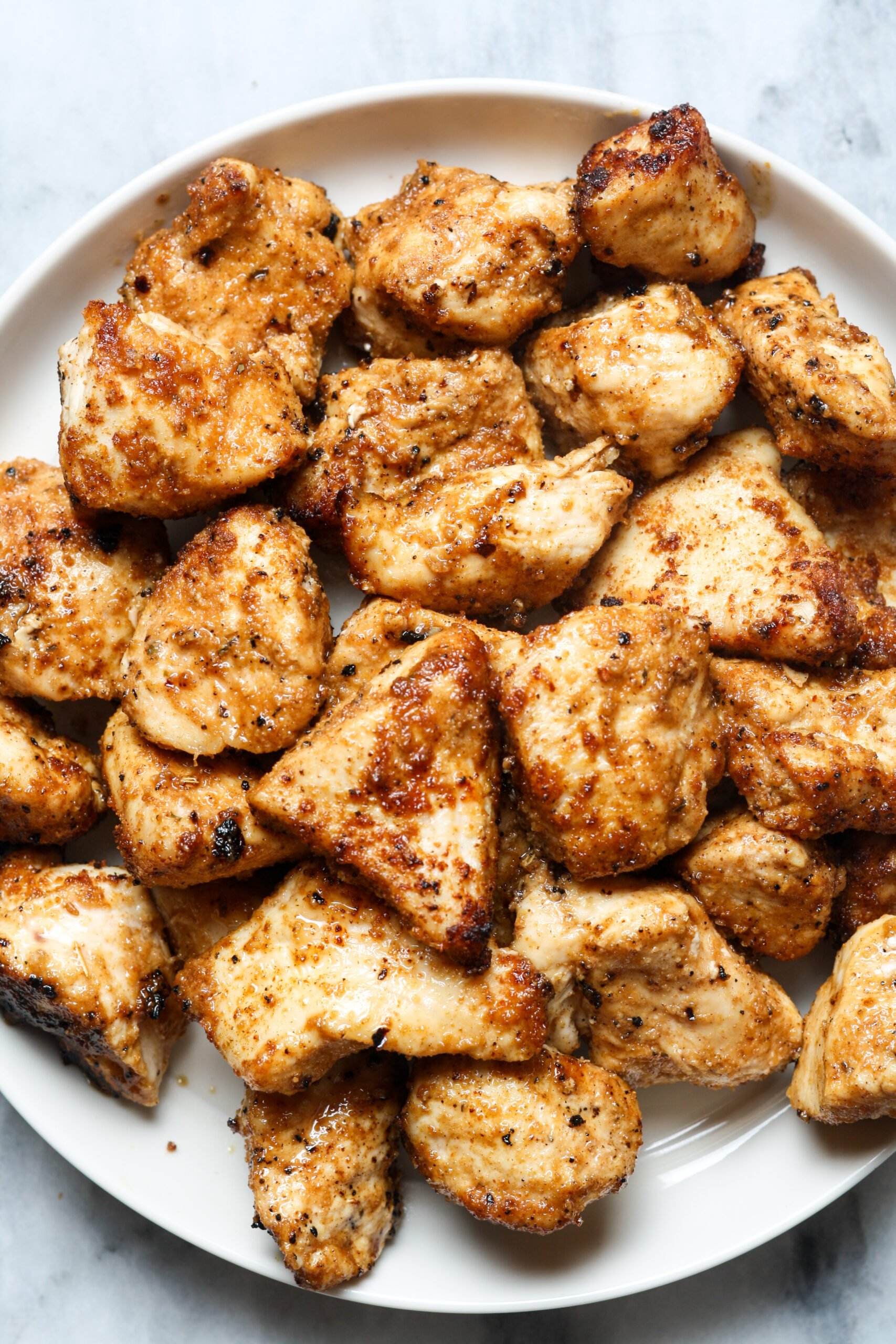
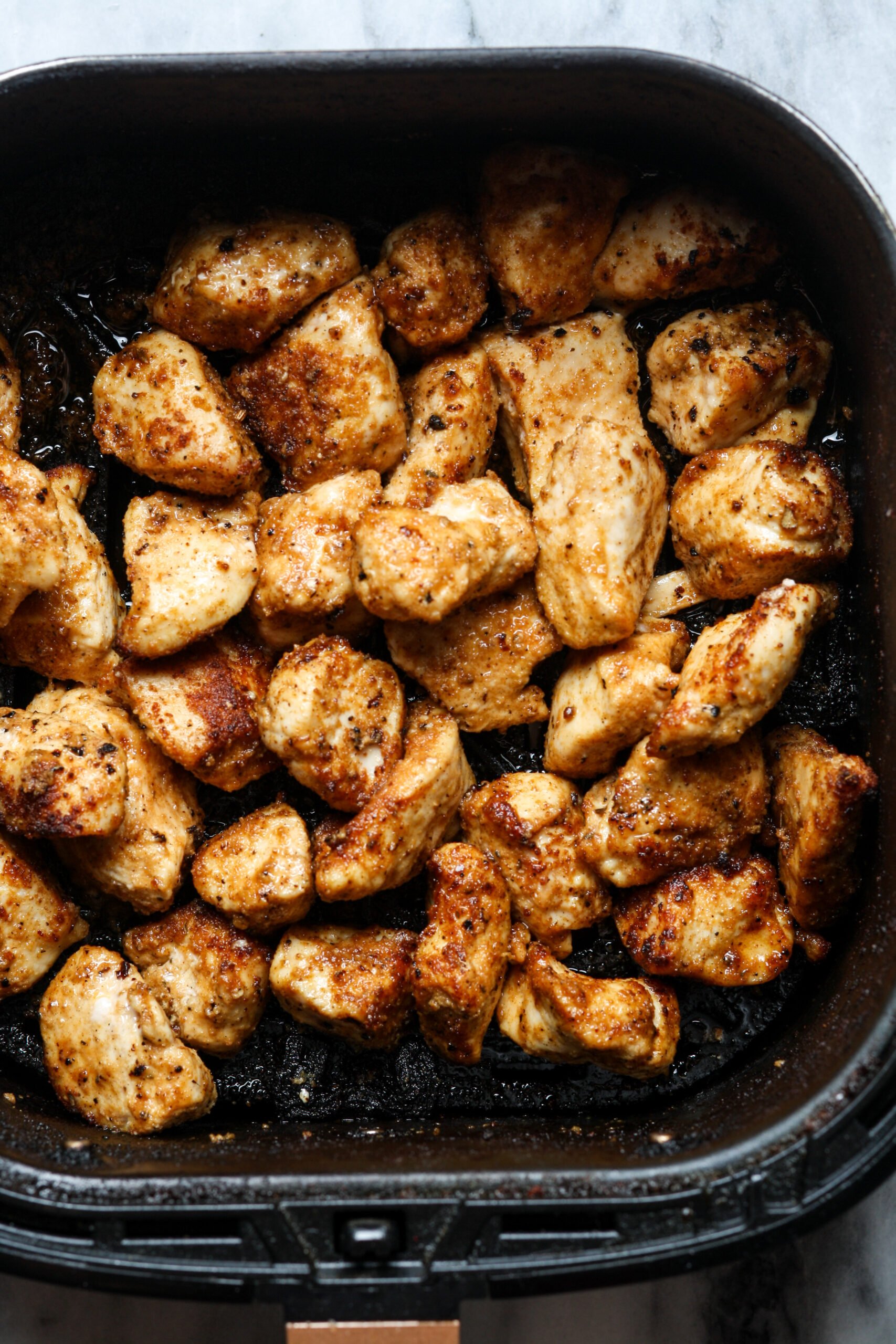
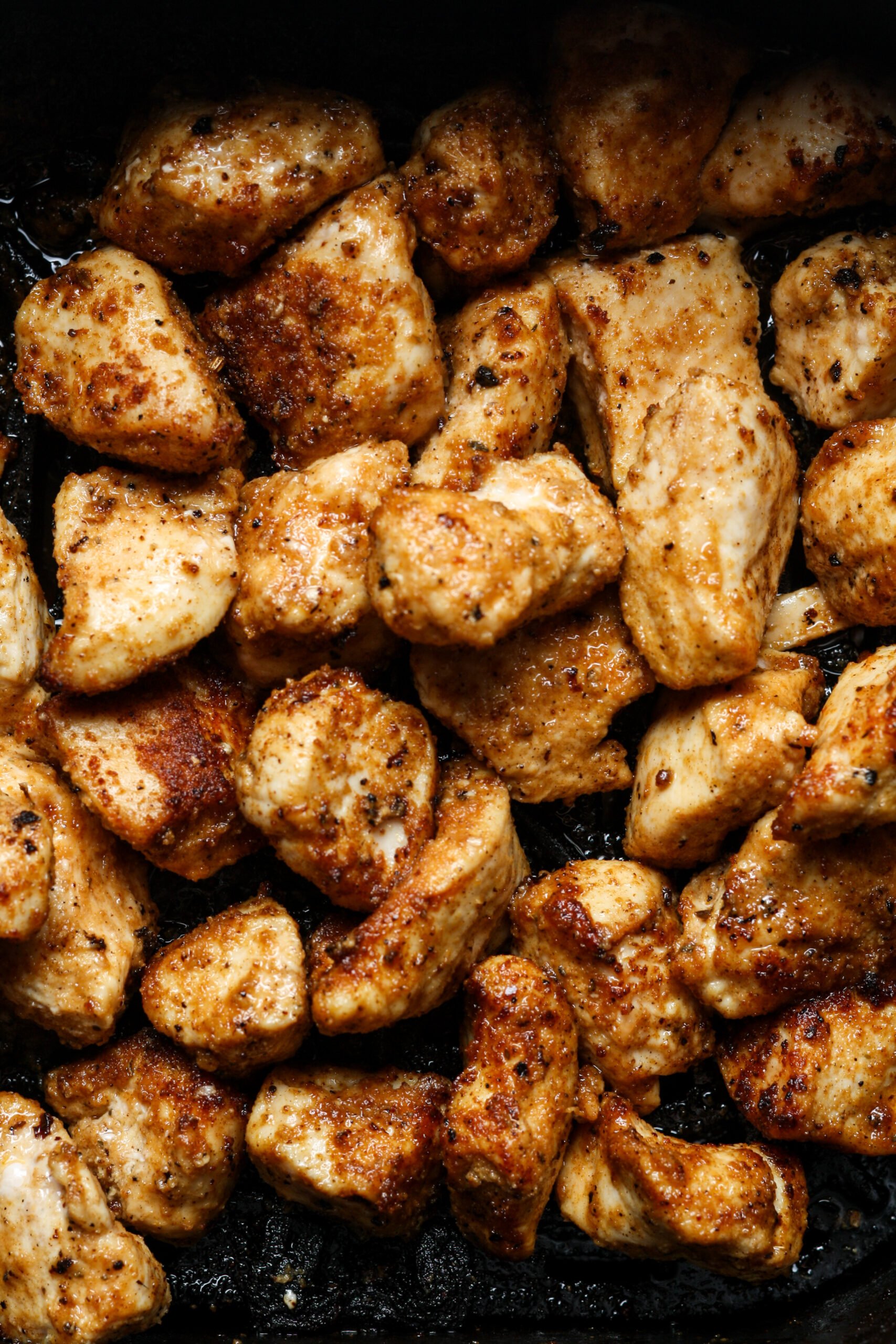
The preparation of chicken bites—specifically 1-inch cubes of breast or thigh meat—highlights the technical efficiency of these machines. By reducing the surface-area-to-volume ratio through uniform cutting, home cooks can ensure that the interior remains succulent while the exterior develops a Maillard reaction-induced golden crust. This process, which relies on the Maillard reaction—a chemical interaction between amino acids and reducing sugars—is the hallmark of high-quality, flavorful cooked protein.

Chronology of Preparation: A Standardized Approach
Achieving consistent results with air-fried poultry requires a disciplined, multi-stage approach. The following chronology outlines the industry-recommended standard for optimal food safety and texture:
- Preparation (0–5 Minutes): Raw poultry must be brought to a uniform size. Professional chefs and home safety experts emphasize that cutting chicken into consistent 1-inch cubes is critical, as it ensures uniform heat penetration and prevents smaller pieces from drying out while larger pieces remain undercooked.
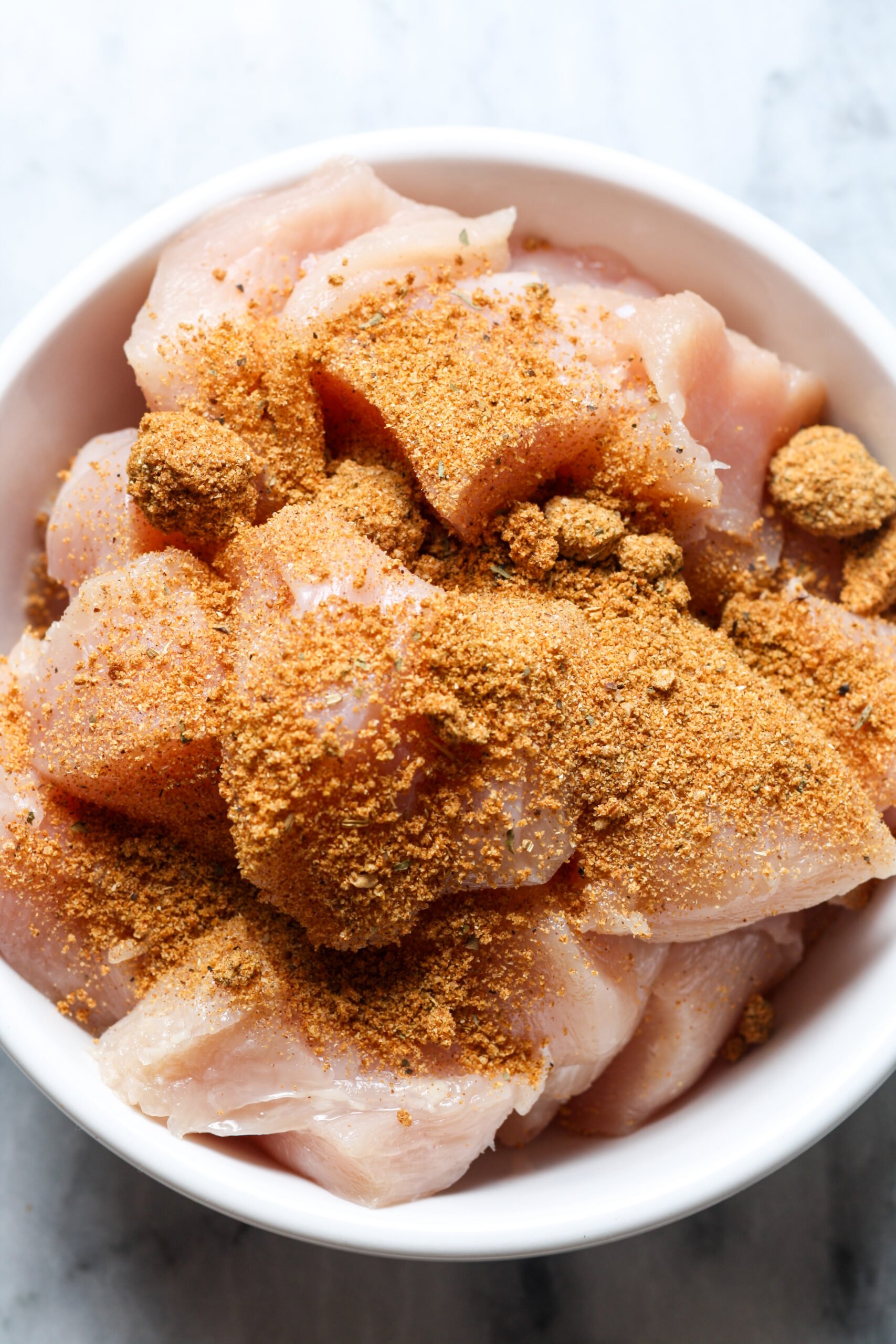
- Seasoning and Moisture Control (5–8 Minutes): To achieve maximum crispness, moisture must be managed. Industry testing indicates that patting the meat dry before applying a light coating of oil and seasonings is essential. The inclusion of ingredients such as cumin, garlic powder, and onion powder provides a base layer of savory flavor, while the oil acts as a heat conductor to facilitate the browning process.
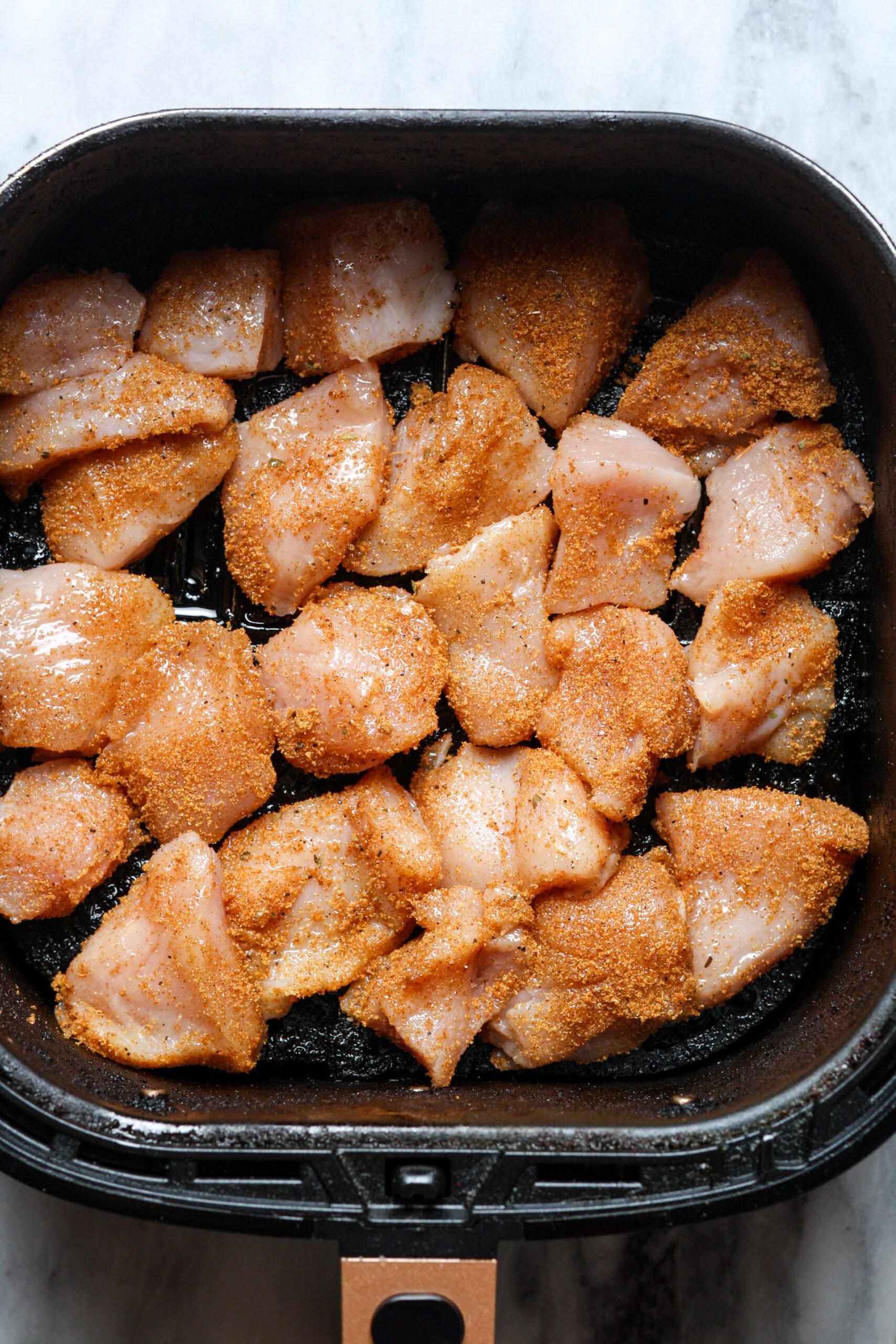
- The Thermal Cycle (8–20 Minutes): Once placed in the basket, the chicken requires a temperature environment typically ranging from 375°F to 400°F. A crucial step in this timeline is the halfway point, where the basket must be agitated or the pieces flipped to ensure that all surfaces are exposed to the superheated air.
- Resting and Consumption (20+ Minutes): Post-cooking, the meat should rest for a brief period to allow juices to redistribute throughout the muscle fibers.
Nutritional and Economic Implications
The transition to air-fried chicken bites represents a broader shift toward "at-home gastronomy." Data from health organizations suggests that replacing traditional deep-fried options with air-fried alternatives contributes to a significant reduction in caloric intake. For example, a standard portion of breaded and deep-fried chicken can contain upwards of 400 calories and 20 grams of fat; an air-fried equivalent, seasoned with dry spices and minimal oil, can reduce these figures by nearly half, providing a lean protein source that aligns with current dietary guidelines emphasizing heart health and weight management.
Economically, the rise of the air fryer is linked to the increased cost of dining out. As inflation impacts the restaurant industry, households are increasingly seeking ways to replicate restaurant-quality textures at home. Chicken, being one of the most cost-effective and versatile proteins, is the primary beneficiary of this trend. Market reports indicate that sales of chicken breast and thigh meat have remained resilient even amidst broader food price volatility, suggesting that consumers are choosing to "cook up" rather than "eat out."
Expert Analysis: Food Safety and Quality Control
Food safety remains the foremost concern for home cooks using air fryers. Because air fryers function differently than traditional ovens, there is often confusion regarding internal temperatures. According to the USDA, all poultry products must reach an internal temperature of 165°F (74°C) to be considered safe for consumption. Because air fryer baskets vary in size and wattage, relying solely on a timer is discouraged. Food scientists recommend the use of an instant-read digital thermometer inserted into the center of the largest bite to ensure safety without compromising the texture of the smaller pieces.
Furthermore, nutritionists have noted that the "crispy" nature of these bites, when achieved through air circulation rather than oil immersion, maintains the nutritional integrity of the meat. Unlike deep-frying, which can degrade certain vitamins and introduce trans-fats, air frying preserves the structural integrity of the protein while allowing for the incorporation of fresh herbs and spices, which can offer antioxidant benefits.
Broader Impact on Meal Planning and Lifestyle
The convenience of the air fryer has fundamentally altered the concept of "meal prep." For busy families, the ability to cook a protein-heavy dish in under 15 minutes has made healthy eating a viable option during the workweek. Beyond the immediate meal, the versatility of air-fried chicken allows for extensive secondary use. These bites are increasingly integrated into complex recipes, such as grain bowls, salads, and wraps, providing a sustainable way to extend the utility of a single cooking session across multiple days.
Professional culinary consultants have observed that the "snackification" of meals—where smaller, nutrient-dense bites replace heavy, singular dinner plates—is gaining traction. Air-fried chicken fits perfectly into this paradigm. By providing a high-satiety snack that is easy to transport and store, the dish addresses the needs of a modern, mobile workforce that requires consistent energy levels throughout the day.
Future Outlook and Sustainability
As the popularity of the air fryer continues to grow, manufacturers are focusing on increased capacity and smarter technology, such as integrated sensors that automatically adjust cooking times based on moisture levels. This evolution is expected to reduce the margin for human error, making the preparation of complex dishes even more accessible to the average home cook.
Furthermore, the environmental impact of this trend is worth noting. Air fryers consume significantly less electricity than full-sized electric ovens, which require longer preheating times and larger volumes of space to be heated. As energy costs fluctuate, the efficiency of the air fryer contributes to a more sustainable household model, further cementing its place as an essential appliance in the contemporary kitchen.
In conclusion, the air fryer chicken bite is more than just a passing culinary trend; it is a manifestation of a shift toward efficiency, health, and economic pragmatism in the modern home. By leveraging physics to improve the quality of a dietary staple, households are finding that they can enjoy the textures and flavors previously reserved for restaurants, all while maintaining control over their nutritional intake and budget. As technology continues to refine this process, the air-fried chicken bite is likely to remain a cornerstone of family dining for the foreseeable future.