The Ultimate Guide to Mastering Crispy Air Fryer Quesadillas for Busy Weeknights

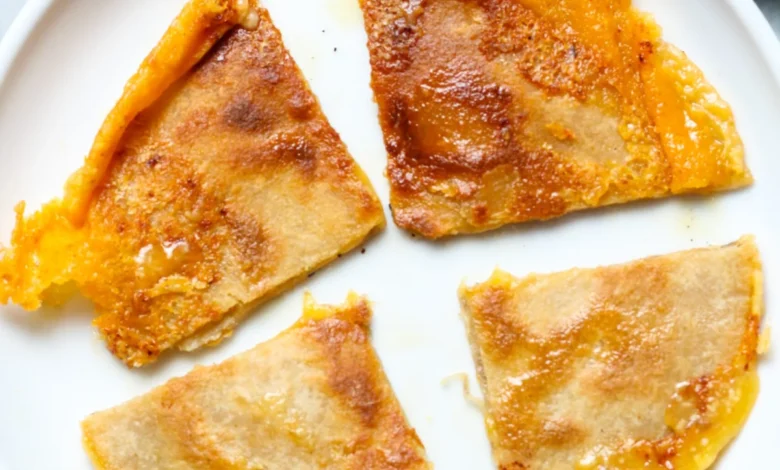
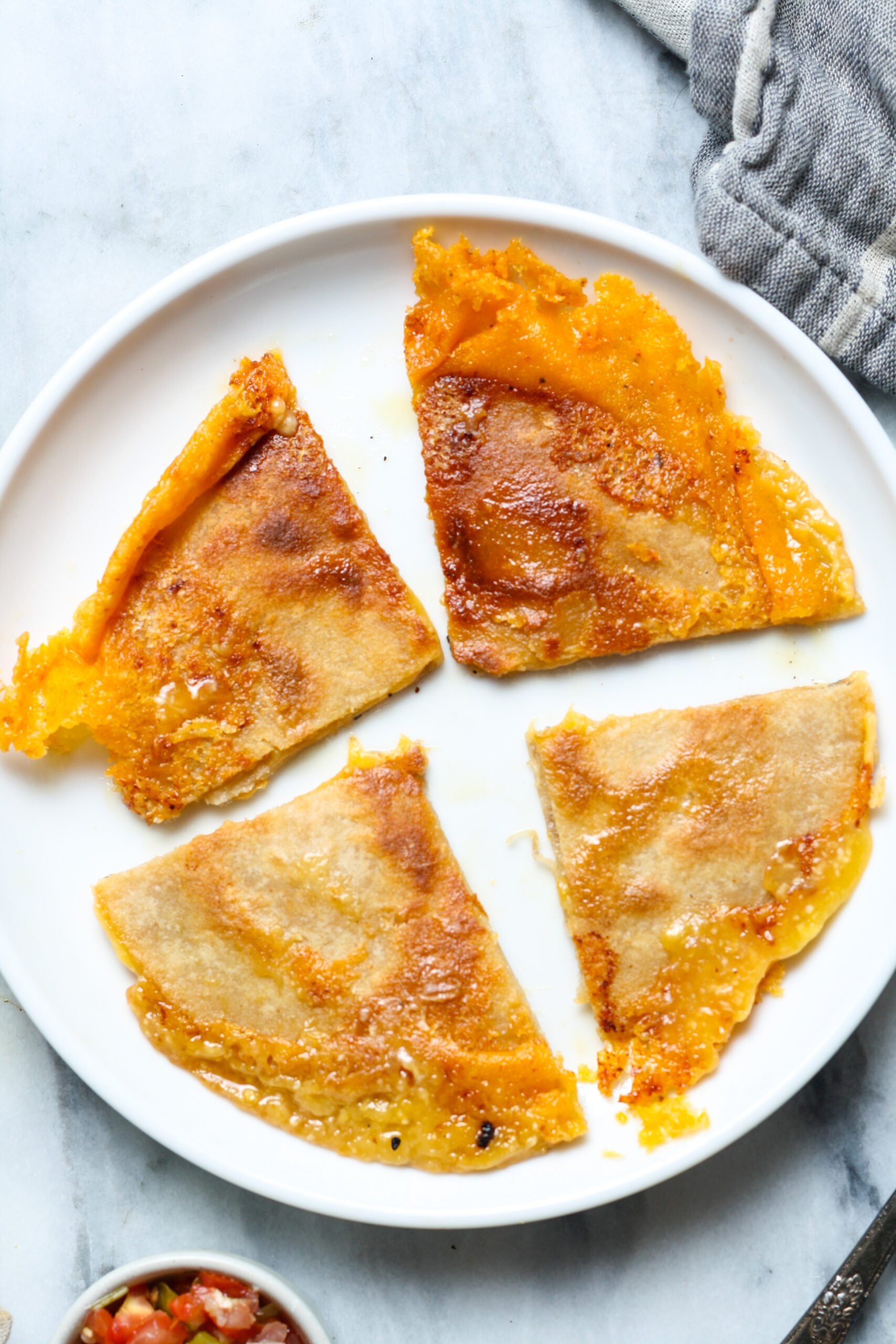
The evolution of home cooking technology has shifted significantly over the past decade, with the air fryer emerging as the most disruptive appliance in modern kitchens. Among the myriad of dishes optimized by this convection-based technology, the humble quesadilla has seen a dramatic transformation. Once relegated to stovetop skillets—often resulting in uneven browning, burnt edges, or lukewarm, unmelted centers—the air-fried quesadilla represents a precise, efficient, and consistently superior method of preparation. By utilizing high-velocity hot air, home cooks can achieve a uniform, golden-brown crust while ensuring that the internal cheese reaches an optimal melting point, bridging the gap between convenience and culinary quality.
The Rise of Air Frying Technology
The popularity of air fryers has surged globally, with market research data from 2024 indicating that over 40% of households in developed nations now own at least one unit. This rise is attributed to the appliance’s ability to mimic deep-frying results with minimal oil usage. Unlike traditional ovens, which rely on ambient heat, the air fryer uses a powerful fan to circulate heat at high speeds. For a quesadilla, this mechanism is particularly advantageous. The rapid air movement ensures that the tortilla remains crisp rather than becoming soggy, a common issue when using microwave-based reheating or traditional pan-frying techniques where heat distribution can be hampered by heavy cookware.
Chronology of Preparation: A Ten-Minute Protocol
The preparation of an air-fried quesadilla has been streamlined to accommodate the constraints of modern, time-sensitive schedules. The process typically adheres to a strict ten-minute timeline:

- Minute 0-2 (Preparation): Selection of high-quality tortillas, preferably whole wheat or stone-ground corn for structural integrity, followed by the measured application of shredded cheese. Culinary experts recommend a blend of low-moisture mozzarella for its melting properties and sharp cheddar for depth of flavor.
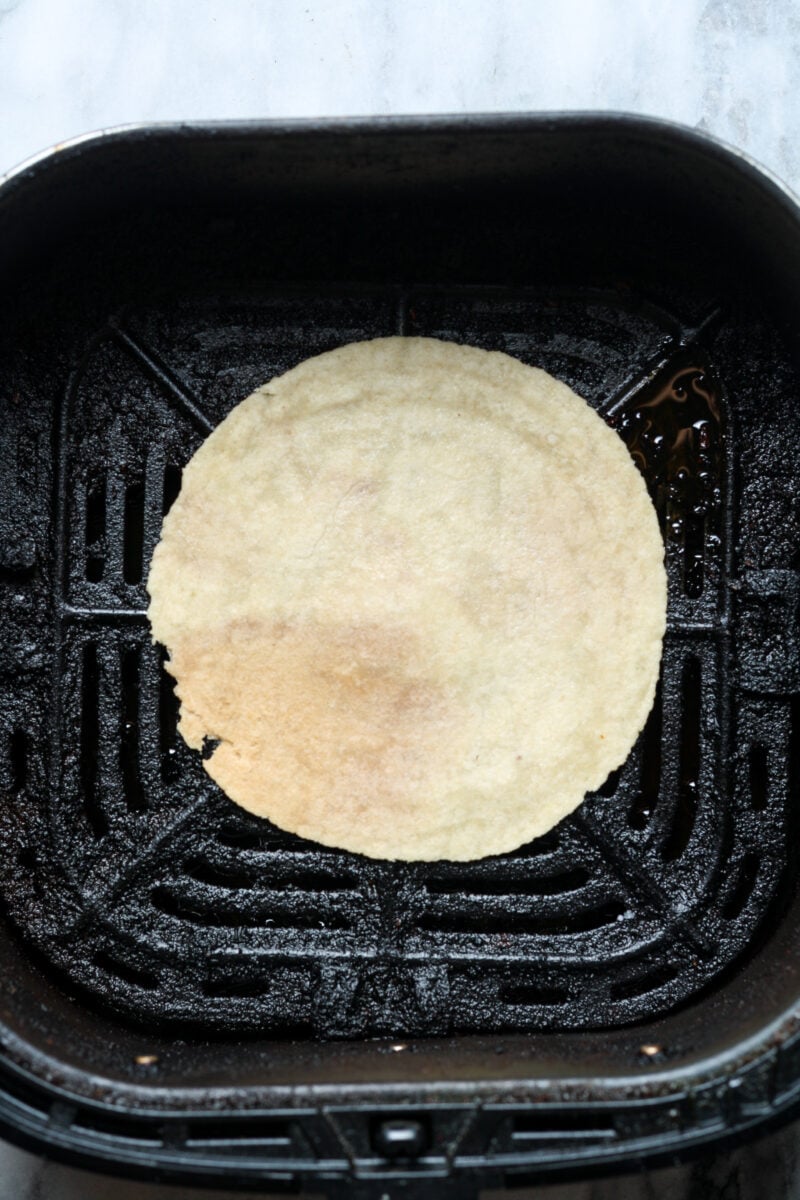
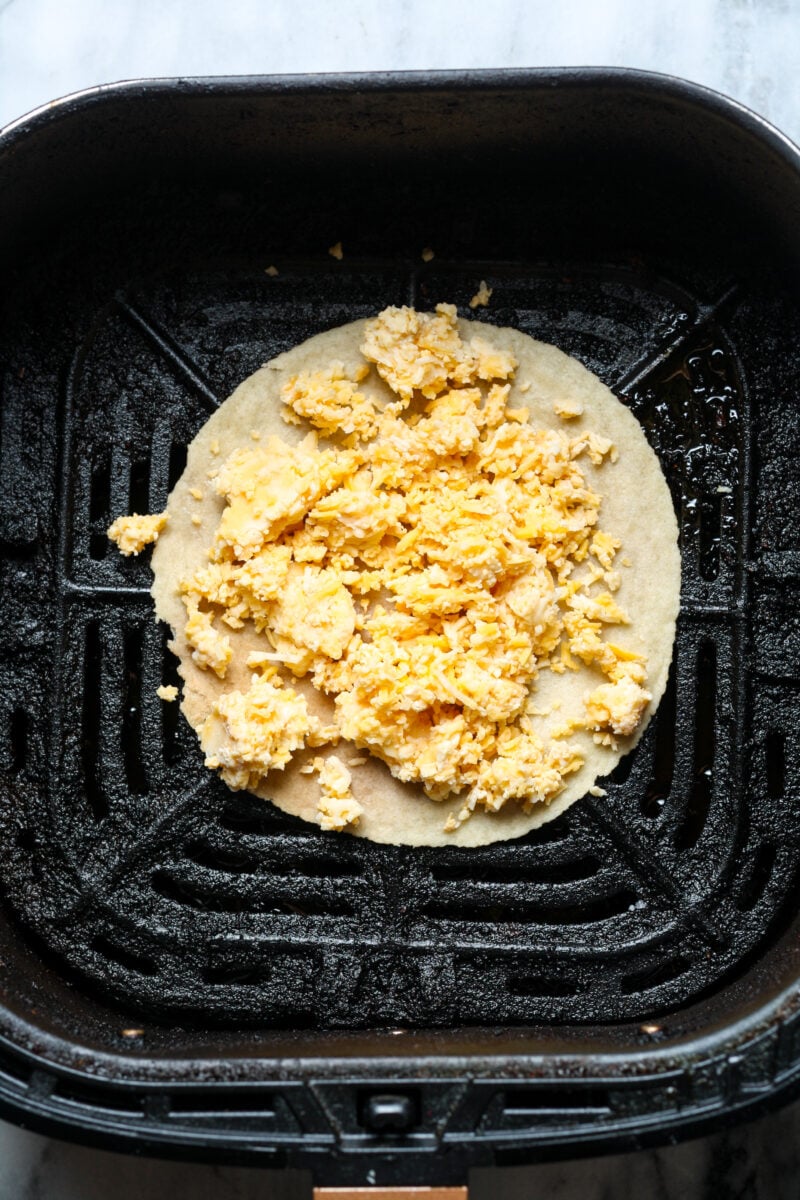
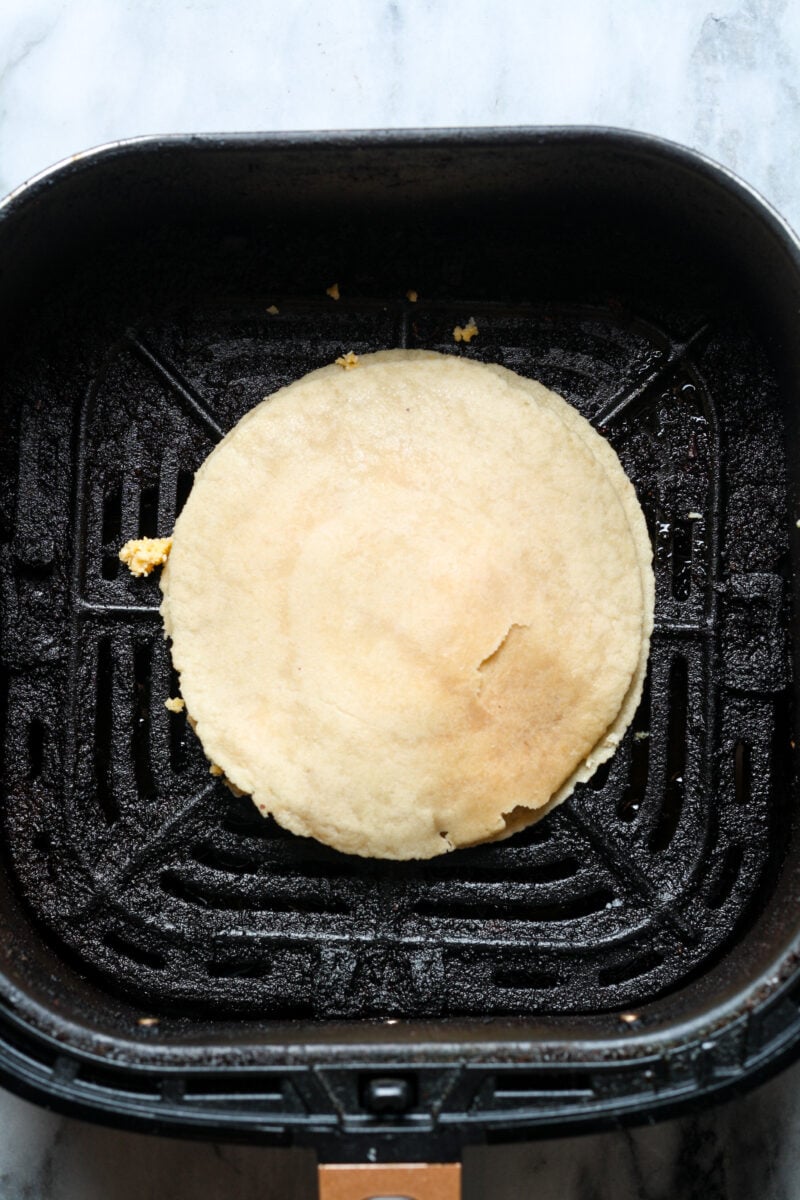
- Minute 2-3 (Assembly): The basket is lightly coated with an aerosolized olive oil or avocado oil spray. A base layer of tortilla is placed down, followed by a controlled amount of cheese—typically 0.5 to 0.75 cups—to ensure the edges seal properly without leakage.
- Minute 3-8 (Thermal Processing): The air fryer is set to 400°F (200°C). The rapid circulation of air creates a Maillard reaction on the surface of the tortilla, resulting in a distinct crunch.
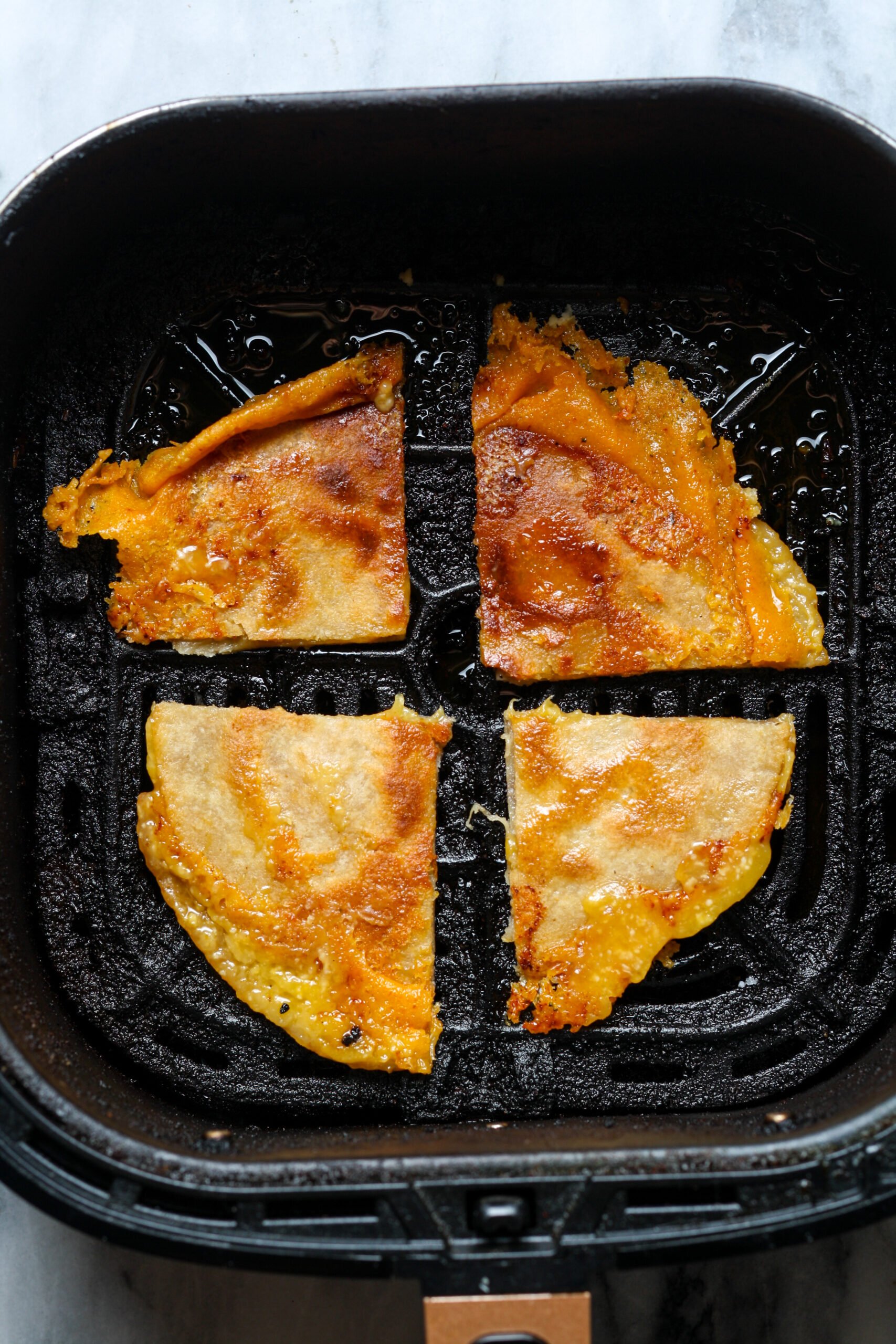
- Minute 8-10 (Cooling and Serving): A brief rest period is required to allow the cheese to stabilize, preventing the contents from spilling upon slicing.
Supporting Data and Nutritional Context
While often viewed as a comfort food, the air-fried quesadilla allows for significant nutritional customization. Traditional restaurant-style quesadillas often involve excessive butter or oil for browning, which significantly increases caloric density. By utilizing an air fryer, the amount of added fat is reduced by approximately 60-70% compared to traditional pan-frying.
Nutritional analysis suggests that by incorporating whole-grain tortillas, the fiber content of a standard meal is increased by nearly 4 grams per serving. Furthermore, by opting for grass-fed, shredded cheeses, consumers can increase their intake of conjugated linoleic acid (CLA) and essential fatty acids. Chefs and home economists have noted that the air fryer’s precision temperature control helps maintain the integrity of these ingredients, preventing the degradation of flavor profiles that often occurs at higher, uncontrolled stovetop temperatures.
Perspectives from the Culinary Community
Professional chefs have increasingly acknowledged the legitimacy of air fryers as a professional-grade tool for quick-service, high-quality output. "The primary challenge with the traditional quesadilla has always been thermal management," notes a culinary consultant specializing in home-appliance efficiency. "On a skillet, you are fighting the physics of heat conduction. In an air fryer, you are working with convection. The result is a texturally superior product that is more reproducible for the average home cook."
Consumer advocate groups have also lauded the air fryer for its safety features. Unlike stovetop cooking, which requires constant monitoring to prevent grease fires or over-browning, air fryers typically feature automatic shut-off timers. This makes the device a preferred tool for families and individuals managing hectic evening routines.
Broader Impact on Modern Meal Planning
The integration of air fryers into the kitchen has had a measurable impact on household food waste and consumption habits. Because air frying requires such a short preheat time compared to conventional ovens, it is being used more frequently for "leftover transformation." Many households now use the appliance to revitalize previously cooked proteins—such as shredded chicken, sautéed peppers, or roasted vegetables—by incorporating them into quick, nutrient-dense quesadilla variations.
The environmental implications are also noteworthy. Air fryers consume less electricity than full-sized ovens and require less water for cleanup, as the non-stick baskets are generally dishwasher-safe. As energy prices fluctuate and consumers seek more sustainable cooking practices, the shift toward smaller, highly efficient countertop appliances like the air fryer appears to be a long-term trend rather than a transient fad.
Strategic Variations for Advanced Preparation
Beyond the standard cheese-only configuration, the versatility of the air fryer allows for complex flavor profiles. Industry trends show an uptick in "protein-forward" quesadillas, where consumers incorporate pre-cooked black beans, shredded rotisserie chicken, or even plant-based proteins.
- Vegetable Incorporation: Adding finely chopped spinach, bell peppers, or onions adds texture and volume. However, experts advise that high-moisture vegetables, such as tomatoes, should be used sparingly or sautéed beforehand to prevent the interior of the quesadilla from becoming overly damp.
- Flavor Profiles: By introducing spices such as cumin, smoked paprika, or chili powder directly into the cheese mixture, home cooks can mimic the complex seasoning profiles found in regional Mexican cuisine.
Troubleshooting and Technical Best Practices
Despite the simplicity of the process, users occasionally encounter technical hurdles. Common issues, such as the top tortilla lifting during the cooking process, are easily mitigated by the use of air fryer-safe racks or by placing a small amount of weight on the top of the tortilla.
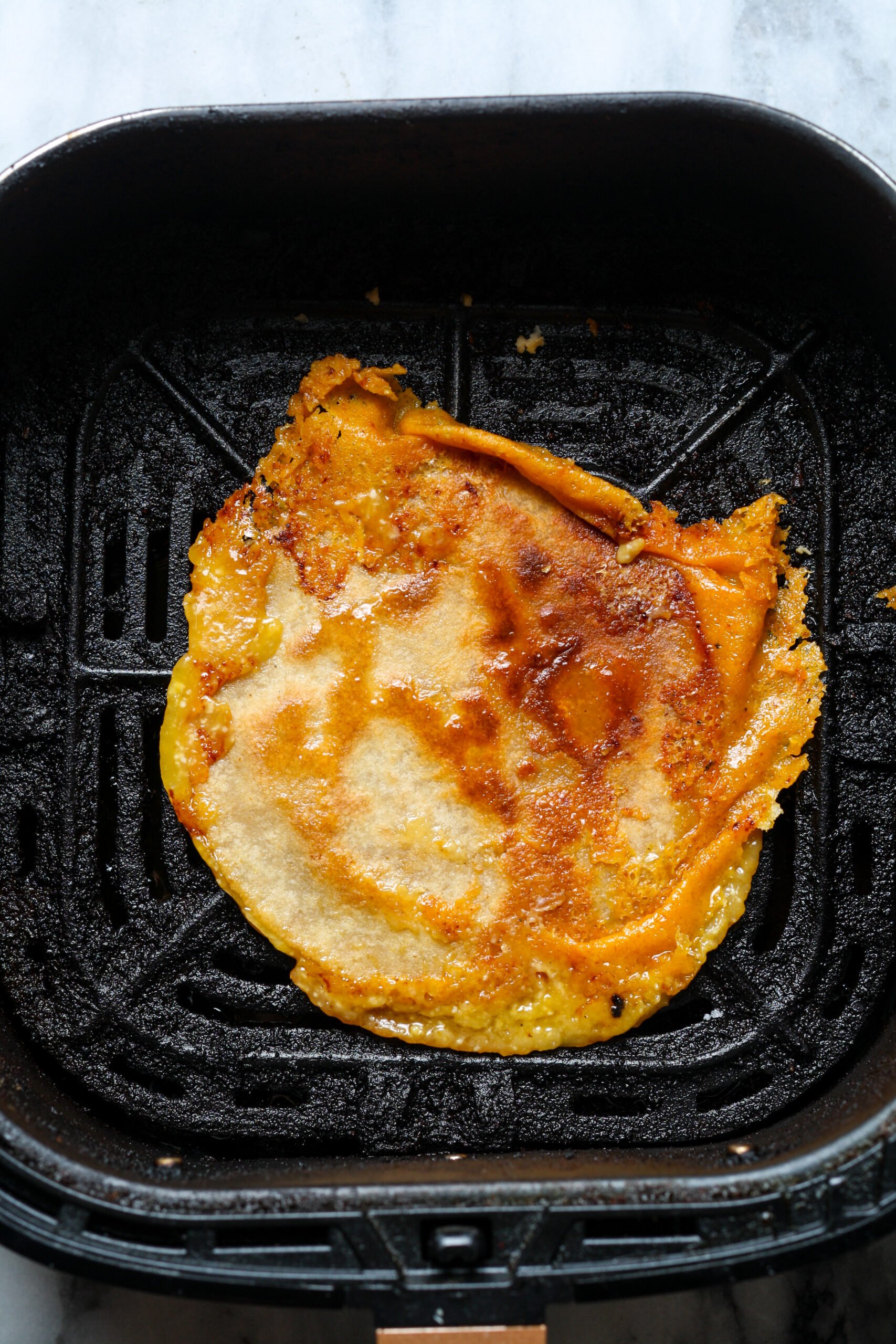
Furthermore, "cheese leakage"—the process by which molten cheese escapes the perimeter of the tortilla—is a common complaint. This is almost exclusively a result of overfilling. Industry best practices dictate a "buffer zone" of at least one inch around the edge of the tortilla, which allows for the cheese to melt and expand inward rather than outward. For those seeking a perfectly sealed edge, a light press of a fork around the perimeter can create a crimped seal, mirroring the technique used in hand-held pies or empanadas.
Future Implications for Home Cooking
As kitchen technology continues to evolve, the reliance on high-speed, convective cooking methods is expected to grow. Future iterations of air fryers are rumored to include integrated temperature probes that will automatically adjust the cooking time based on the internal temperature of the cheese, further reducing the margin for human error.
The air-fried quesadilla serves as a case study for how modern technology can elevate simple, accessible ingredients into a high-quality, efficient, and satisfying meal. By prioritizing speed, nutritional control, and textural excellence, this method has secured its place in the repertoire of the contemporary home cook, signaling a broader movement toward smarter, more effective culinary practices in the domestic sphere. As the appliance market matures, the focus will likely remain on optimizing these processes, ensuring that even the most basic meals are prepared to the highest standard possible with minimal effort.