High-Protein Raspberry Overnight Oats: A Nutritional Analysis of Meal-Prepped Midlife Wellness Breakfasts


The modern consumer market is currently saturated with hyper-processed, protein-fortified commodities ranging from flavored waters to snack bars, fueling an exhausting cultural fixation on daily gram-counting. Registered dietitians and nutritional experts are increasingly pushing back against the obsession, noting that the average population regularly consumes more than enough dietary protein without turning mealtime into a mathematical equation. Nevertheless, emerging clinical insights and nutritional science highlight targeted benefits to strategic protein distribution—particularly for demographics navigating midlife transitions. Incorporating a moderate, high-quality protein source into the first meal of the day has been shown to stabilize morning blood sugar trajectories, prolong satiety, and actively mitigate the natural loss of muscle mass, known as sarcopenia, which accelerates with age.
Responding to these physiological demands while navigating fatigue over complex dietary regimens, wellness professionals are increasingly turning to streamlined, whole-food-based meal preparation. A primary example of this approach is the development of High-Protein Raspberry Overnight Oats. Designed for Sunday batch-cooking, this recipe bridges the gap between convenience and nutritional density, delivering approximately 33 grams of protein per serving while avoiding the artificial aftertastes and excessive chemical additives common in commercial fitness products.
The Evolution of Overnight Oats in Nutritional Science
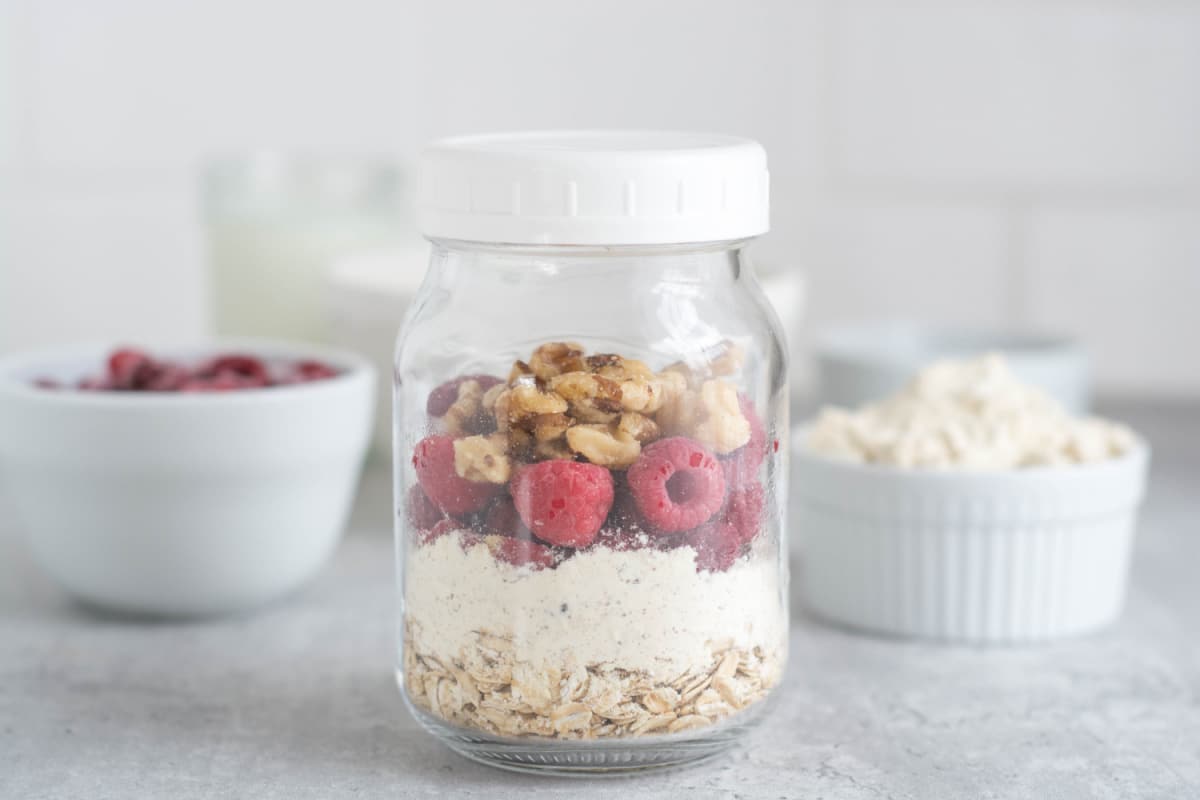
Overnight oats are not a novel culinary invention, but their application within clinical and everyday sports nutrition has evolved significantly. Traditionally valued for their high concentration of beta-glucan—a soluble fiber proven to lower LDL cholesterol and improve glycemic control—oats serve as an ideal macronutrient vehicle. By steeping rolled oats in milk overnight, the starch molecules undergo a natural retrogradation process, making the grain easier to digest while preserving its complex carbohydrate profile.
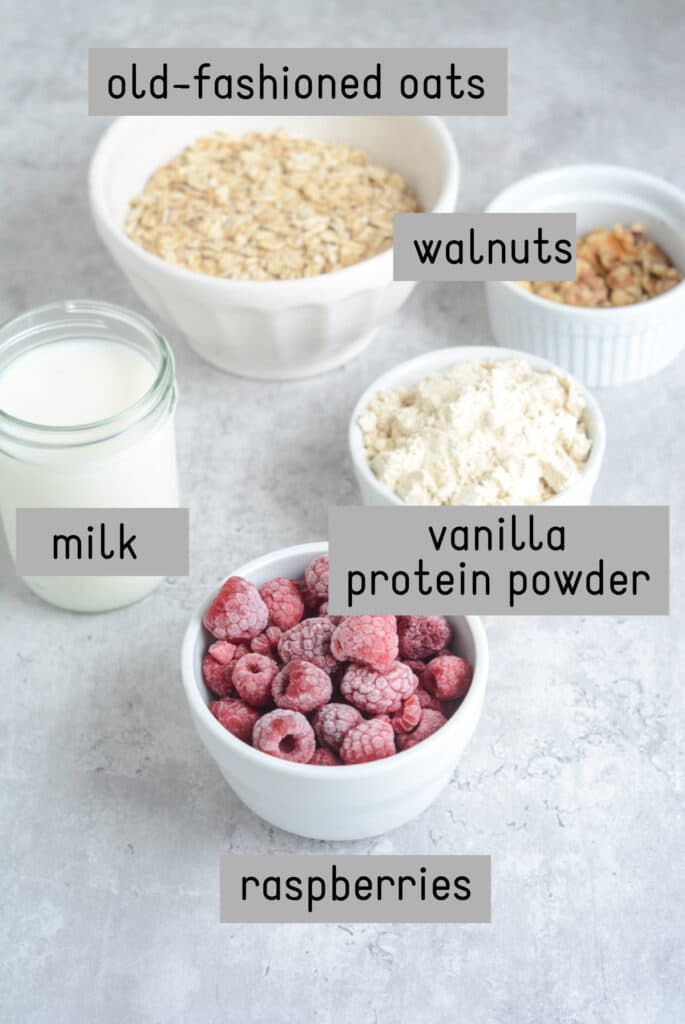
In recent years, dietitians have sought to transform this fiber-rich staple into a more balanced meal by integrating complete protein sources and healthy fats. The High-Protein Raspberry Overnight Oats recipe builds upon foundational comfort-food flavor profiles traditionally reserved for heated winter bowls, adapting them into a cold, grab-and-go format. By combining rolled oats, fresh or frozen raspberries, nutrient-dense walnuts for essential omega-3 fatty acids, milk, and a carefully selected protein supplement, the dish achieves a balanced ratio of macronutrients. This combination ensures a sustained release of energy throughout the morning, preventing the mid-morning cognitive crashes frequently triggered by high-glycemic breakfasts.
Navigating the Protein Powder Dilemma
A central challenge in formulating high-protein recipes lies in the inherent trade-offs of commercial protein powders. Many commercially available options rely heavily on artificial sweeteners, sugar alcohols, and non-nutritive agents such as stevia or sucralose. For a significant portion of the population, these additives produce a distinct, bitter aftertaste and can occasionally cause gastrointestinal distress. Furthermore, the protein supplement industry is plagued by variable manufacturing standards and high retail costs, leading many nutritional purists to advocate exclusively for whole-food protein sources like Greek yogurt, cottage cheese, or eggs.
However, nutritionists acknowledge that protein powders serve as a highly efficient culinary hack for busy individuals seeking precise macronutrient targets without excessive preparation time. Industry analyses indicate that finding a powder with a transparent, minimalist ingredient list, minimal added sugars, and palatable flavoring remains a primary hurdle for consumers. Experts suggest opting for high-grade whey or plant-based isolates that undergo rigorous third-party testing for heavy metals and purity, allowing individuals to scale their protein intake up or down depending on their specific metabolic requirements. For instance, reducing a protein powder portion from a full scoop to a half-scoop can decrease the supplement’s financial footprint while still contributing a meaningful 10 grams of supplemental protein to a dish.
Macro-Nutritional Breakdown and Health Implications
A standard serving of High-Protein Raspberry Overnight Oats yields a sophisticated profile of macro- and micronutrients designed to support metabolic health. From a caloric and structural standpoint, a single jar provides:
- Protein: Approximately 33 grams, supporting muscle protein synthesis and prolonged satiety.
- Fiber: High concentrations derived from whole oats and raspberries, promoting optimal gastrointestinal motility and gut microbiome diversity.
- Fats: Monounsaturated and polyunsaturated fats supplied by walnuts, which support cardiovascular health and cellular integrity.
- Added Sugars: Minimized to approximately three grams, with the vast majority of sweetness originating from the natural fructose in fruit and the lactose or natural sugars present in the chosen milk base.
From a broader public health perspective, shifting breakfast habits toward high-fiber, moderate-protein meals aligns with preventative healthcare strategies aimed at combating metabolic syndrome, type 2 diabetes, and age-related muscle atrophy. Endocrinologists note that front-loading protein consumption helps regulate ghrelin and leptin—the hormones responsible for hunger and fullness—thereby reducing caloric intake and impulsive snacking later in the day.
Preparation Logistics and Culinary Flexibility
Designed with time-restricted schedules in mind, the meal-prep methodology behind overnight oats prioritizes operational efficiency. The base recipe scales linearly, allowing consumers to prepare three to five jars simultaneously during a weekly food-prep routine. When sealed correctly and stored in standard refrigeration conditions (at or below 40°F or 4°C), the ingredients maintain their structural integrity and optimal sensory qualities for up to five days.
The culinary framework of the recipe also accommodates various dietary preferences and modifications:
- Temperature Adaptability: While traditionally consumed cold straight from the refrigerator, the mixture can be safely transferred to a microwave-safe ceramic bowl and warmed, making it versatile across seasonal temperature changes.
- Customization of Protein Density: The inclusion of protein powder is entirely optional. Omitting the supplement reduces the total protein count but maintains a balanced, fiber-rich profile. For those seeking mild sweetness without protein powders, a teaspoon of pure maple syrup or raw honey can be incorporated.
- Fruit and Nut Substitutions: While raspberries provide a tart flavor profile and rich antioxidant content (specifically anthocyanins), they can be seamlessly substituted with blueberries, blackberries, or diced strawberries depending on seasonal availability. Similarly, walnuts can be swapped for almonds, pecans, or hemp seeds to alter the micronutrient distribution.
Industry Outlook and Future Trends

As consumer awareness surrounding ultra-processed foods continues to rise, the market for transparent, nutrient-dense convenience foods is projected to expand steadily. Nutrition experts emphasize that sustainable dietary habits rely less on dogmatic calorie tracking or single-nutrient fixations and more on accessible, enjoyable routines that support long-term physiological health. Recipes like High-Protein Raspberry Overnight Oats exemplify this balanced shift—integrating convenience, culinary satisfaction, and evidence-based nutritional science into a single, scalable package.
Related posts: