The best sustainable and eco-friendly blankets to keep you warm this winter while reducing your environmental footprint

As winter temperatures descend and the global energy crisis continues to drive household utility bills to historic highs, consumers are increasingly seeking passive heating solutions to reduce reliance on central heating systems. For many, the humble blanket has transitioned from a decorative soft furnishing to a critical tool for home energy management. With residential heating accounting for a significant portion of annual carbon emissions and household expenditure, the market for sustainable, high-quality textiles has expanded, offering alternatives that prioritize recycled fibres, organic agriculture, and circular economy principles.

The Macro Context: Energy Poverty and Textile Sustainability
The shift toward sustainable home heating is set against a backdrop of volatile energy markets. According to recent reports from the International Energy Agency (IEA), the global energy crisis has forced millions of households to reconsider their consumption patterns. In the United Kingdom, where energy price caps remain a primary concern for the average consumer, government data suggests that thermal efficiency in the home is one of the most effective ways to mitigate the impact of rising costs.
However, the traditional textile industry remains one of the world’s largest polluters. The production of synthetic fibres—primarily polyester and acrylic, which are petroleum-based—contributes significantly to microplastic pollution and carbon emissions. Consequently, the rise of the "eco-blanket" market represents a dual response: a practical necessity to lower heating bills and a conscious effort to move away from the "fast fashion" model that characterizes much of the home goods sector.

A Chronology of Sustainable Textile Innovation
The movement toward sustainable home textiles has evolved significantly over the last decade. In the early 2010s, the focus was primarily on organic certification, such as the Global Organic Textile Standard (GOTS). By 2015, the conversation expanded to include circularity—the concept of "closing the loop" by reclaiming post-consumer waste.
Recent years have seen a surge in "upcycled" wool and cotton production. Rather than utilizing virgin materials, which require extensive water and land use, manufacturers are now sourcing redundant yarn from industrial production lines or shredding discarded garments to spin new, durable threads. This shift has been facilitated by technological advancements in mechanical recycling, which allow for the processing of textiles without the heavy use of chemical solvents.

Evaluating Market Options: A Comparative Analysis
For consumers navigating this transition, the market offers several distinct pathways: organic natural fibres, recycled animal-based wool, and salvaged industrial cotton.
1. The Recycled Wool Segment
Recycled wool remains a staple of the high-performance, eco-friendly market. Brands such as TBCo. and Florence & Lily have capitalized on the durability of wool by blending it with other recycled fibres.
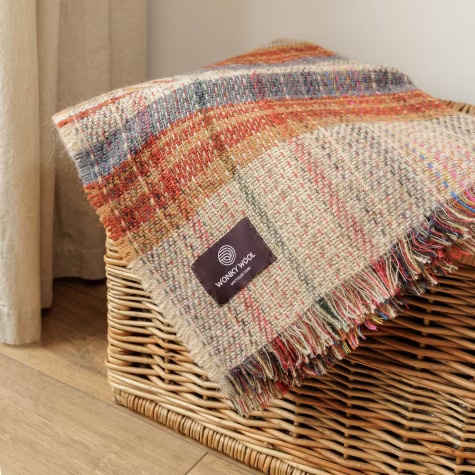
- TBCo. (Edinburgh): This manufacturer emphasizes a "Positive Impact Pledge," directing 2% of revenue toward environmental and humanitarian aid. Their approach to sustainability is data-driven; they estimate that their recycled wool blankets divert an average of six garments per unit from landfill.
- Florence & Lily: Their product line utilizes a 70/30 split between recycled wool and other salvaged fibres. This ratio is significant, as it maintains the thermal properties of wool while lowering the entry price point for consumers, making sustainability more accessible to a broader demographic.
2. The GOTS-Certified Organic Cotton Segment
For those seeking vegan-friendly alternatives, organic cotton is the industry gold standard. Cottsbury represents this segment, focusing on the supply chain integrity provided by GOTS certification.
- Supply Chain Transparency: GOTS-certified facilities are required to meet stringent criteria regarding chemical usage, water consumption, and social equity. Unlike conventional cotton, which is notoriously water-intensive and often involves heavy pesticide use, organic cotton production aims to preserve soil health and protect the health of farmers.
- Waste Minimization: Innovative practices, such as the repurposing of fabric scraps into reusable packaging, highlight a shift toward zero-waste logistics, further reducing the carbon footprint of the product lifecycle.
3. Budget-Conscious Circular Solutions
Retailers like Natural Collection and Oxfam Online provide a necessary entry point for those looking for affordable sustainable options.
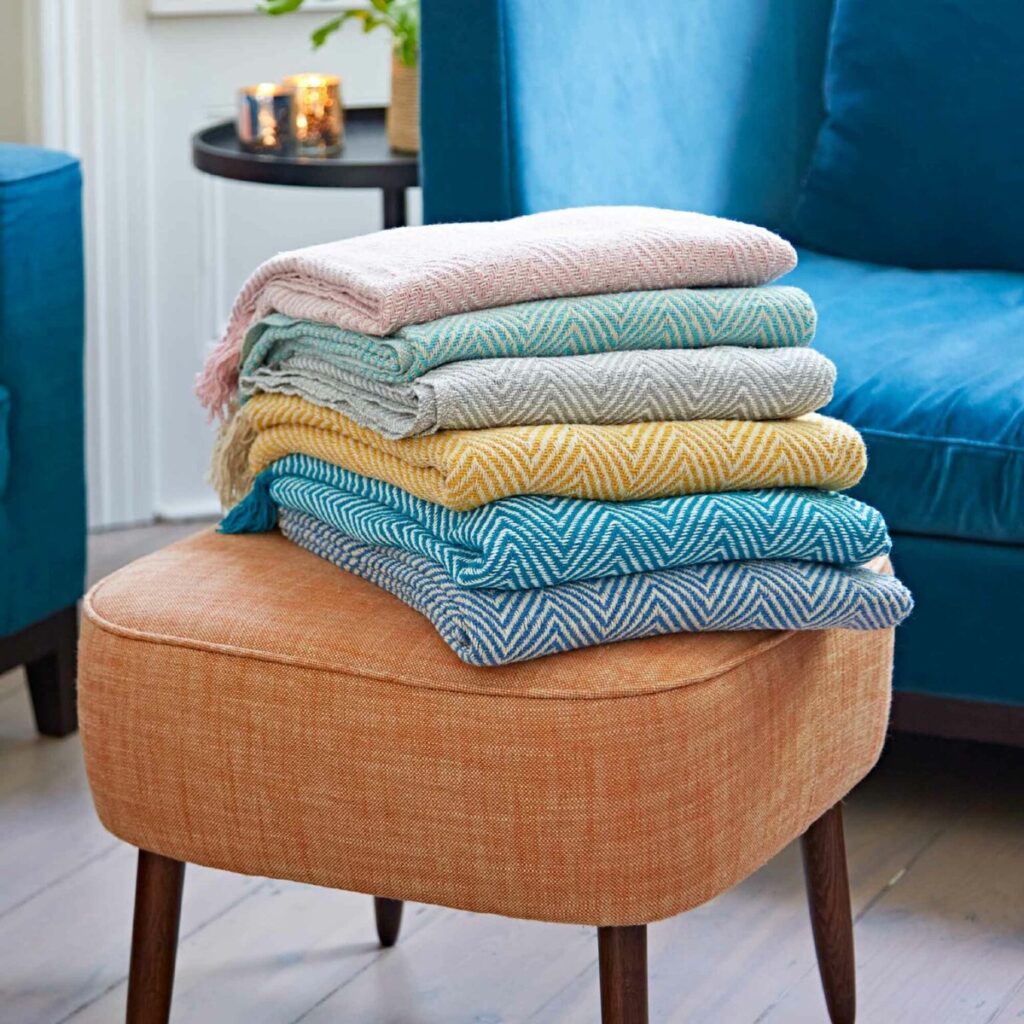
- Natural Collection: By utilizing yarn saved from landfill or shredded clothing, this model demonstrates the viability of a "closed-loop" economy at a sub-£30 price point. While these products lack the aesthetic uniformity of mass-produced, virgin-material blankets, they provide high thermal value for those prioritizing utility over vanity.
- Oxfam Online: Their "Sourced by Oxfam" initiative bridges the gap between charity retail and ethical consumerism. By vetting ethical producers globally, the organization provides a platform for artisans while ensuring that the proceeds from the sale of new, sustainable items are reinvested into anti-poverty programs.
The Broader Economic and Environmental Implications
The adoption of sustainable blankets is not merely a lifestyle choice; it is an economic strategy. A high-quality wool throw, if cared for correctly, can last decades, whereas cheap, mass-produced synthetic blankets often degrade within two to three seasons, necessitating replacement and contributing to the global waste stream.
Industry analysts note that "buying well, buying once" is a core tenet of the transition to a sustainable economy. When a manufacturer provides a multi-year guarantee—such as the two-year warranty offered by Soak & Sleep—it serves as a signal of product longevity. This durability is the single most important factor in calculating the lifetime environmental impact of a household item.

Regulatory and Social Trends
Public awareness regarding the environmental impact of home textiles is at an all-time high. In the European Union, the "Strategy for Sustainable and Circular Textiles" is currently pushing for increased producer responsibility, which will likely force manufacturers to account for the end-of-life stage of their products. As these regulations evolve, the practices currently adopted by the aforementioned brands—such as utilizing recycled content and ensuring fair wages—are expected to become the industry baseline rather than a premium differentiator.
Practical Advice for the Consumer
For those intending to transition to sustainable home goods, the following criteria should be prioritized:

- Material Composition: Prioritize 100% natural or 100% recycled fibres. Avoid blends with high percentages of synthetic plastics (like polyester or nylon) that may shed microplastics during the washing process.
- Certification Labels: Look for GOTS, WFTO (World Fair Trade Organisation), or Oeko-Tex Standard 100 labels. These provide third-party verification of the claims made by the manufacturer.
- Care and Maintenance: Even the most sustainable blanket has an environmental cost if it is frequently washed or poorly maintained. Using cold-wash settings and air-drying not only extends the life of the product but also significantly reduces the energy consumed during the use phase.
Conclusion: A Sustainable Future for Domestic Comfort
The transition toward energy-efficient, sustainable home living is a multi-faceted process. While the purchase of an eco-friendly blanket is a relatively minor action, it serves as a microcosm of the larger shift toward conscious consumption. As consumers continue to face the pressures of high energy costs and the climate crisis, the ability to source products that are durable, ethically manufactured, and environmentally sound will become an increasingly vital component of the modern, responsible household. By choosing blankets that prioritize recycled and organic materials, individuals can participate in a circular economy that values resource efficiency over disposable convenience.