DIY Natural Lip Sunscreen: A Comprehensive Guide to Mineral-Based Protection and Sun Safety

The discourse surrounding sun exposure has shifted significantly over the past decade, moving from a blanket recommendation of high-SPF application to a more nuanced understanding of the physiological benefits of ultraviolet (UV) light. While the medical community widely acknowledges the risks of prolonged, unprotected exposure—namely erythema (sunburn), photoaging, and the development of skin malignancies—there is also a growing body of evidence highlighting the importance of vitamin D synthesis for immune regulation and hormonal health. This intersection of dermatological protection and systemic wellness has spurred interest in specialized, non-toxic topical solutions, particularly for the delicate skin of the lips.
The Physiology of Sun Exposure and Protection
The human body relies on UVB radiation to initiate the production of cholecalciferol, or vitamin D3, in the skin. This hormone plays a critical role in bone density, immune function, and mood regulation. However, the skin on the lips is distinct from the rest of the body; it lacks the stratum corneum, the protective outer layer of skin, and contains fewer melanocytes, making it highly susceptible to UV-induced damage.
Historically, the consumer market for lip care has been dominated by products containing synthetic chemical filters. Compounds such as oxybenzone and avobenzone are commonly utilized for their ability to absorb UV radiation and convert it into heat. Despite their efficacy, these chemicals have come under increased scrutiny. Environmental agencies have identified oxybenzone as a primary contributor to coral bleaching, leading to bans in jurisdictions such as Hawaii, Palau, and parts of the U.S. Virgin Islands. Furthermore, studies published in the Journal of the American Medical Association (JAMA) have shown that these chemical filters can be absorbed systemically into the bloodstream at concentrations exceeding the FDA’s safety thresholds, prompting a re-evaluation of their long-term health implications.
The Shift Toward Mineral-Based Barriers
In response to these concerns, formulators are increasingly turning to mineral-based UV blockers, specifically non-nano zinc oxide and titanium dioxide. Unlike chemical filters, these minerals function as physical barriers, sitting atop the epidermis to reflect and scatter both UVA and UVB rays.
Zinc oxide is currently one of only two active ingredients recognized by the U.S. Food and Drug Administration (FDA) as "Generally Recognized as Safe and Effective" (GRASE) for use in sunscreens. For lip applications, a 20% concentration of non-nano zinc oxide is considered the gold standard for achieving a broad-spectrum barrier. While this concentration typically yields an SPF of approximately 10, it is sufficient to block roughly 90% of incident UV radiation, provided the user maintains proper application habits.
A Chronology of Lip Care Innovation
The movement toward homemade, ingredient-conscious lip protection gained momentum in the early 2010s as consumers began to demand transparency in personal care labels.
- 2012–2015: Growing consumer awareness regarding the potential endocrine-disrupting properties of parabens and synthetic fragrances in lip balms.
- 2018: The emergence of "reef-safe" legislation spurred a search for mineral-only alternatives that did not compromise on cosmetic elegance.
- 2020–2023: A surge in DIY formulation techniques, utilizing nutrient-dense carrier oils such as red raspberry seed, avocado, and shea butter to augment the protective qualities of zinc oxide.
The integration of red raspberry seed oil is a notable development in this timeline. Research into the antioxidant capacity of cold-pressed seed oils suggests they possess inherent UV-attenuating properties. When combined with avocado oil—rich in carotenoids and essential fatty acids—these ingredients provide a synergistic effect, supporting collagen synthesis and protecting the skin’s lipid barrier against oxidative stress caused by solar radiation.
Formulation and Ingredients: The Technical Breakdown
Creating a stable, effective lip sunscreen requires a careful balance of emollients, occlusives, and active physical blockers. The standard formulation protocol involves four key components:
- The UV Barrier: Non-nano, uncoated zinc oxide serves as the primary active ingredient. The "non-nano" classification is critical; it ensures that the particles are large enough not to be absorbed into the bloodstream, remaining strictly on the surface of the lip tissue.
- The Emollient Base: Shea butter and avocado oil provide the structural integrity of the balm. Avocado oil, in particular, is noted for its ability to penetrate the dermis and promote cell regeneration, making it an ideal carrier for protective minerals.
- The Occlusive Layer: Beeswax is essential for durability. By creating a hydrophobic film, it prevents the active ingredients from washing away due to saliva or environmental moisture.
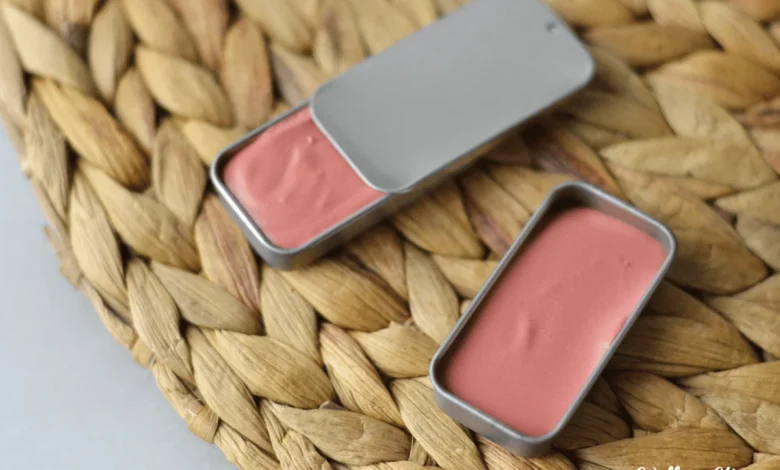
- Color and Pigmentation: To mitigate the characteristic white cast of zinc oxide, formulators often use iron oxides or rose kaolin clay. These natural pigments provide an aesthetic tint while maintaining the integrity of the formula.
Safety Precautions and Essential Oil Risks
A critical aspect of formulating topical products is the awareness of phototoxicity. Certain botanical extracts and essential oils, specifically those from the citrus family—such as bergamot, lime, lemon, and grapefruit—contain furocoumarins. When applied to the skin and exposed to UV radiation, these compounds can trigger a chemical reaction known as phytophotodermatitis, which leads to severe blistering, hyperpigmentation, and increased sensitivity to the sun. Consequently, professional formulators strictly exclude these ingredients from any product intended for sun-exposed areas.
Data Analysis: Efficacy and Regulatory Stance
While the DIY community advocates for the efficacy of these formulations, it is essential to distinguish between a laboratory-tested commercial product and a homemade variant. A commercial SPF 10 rating is verified through standardized in vivo testing (human clinical trials). A homemade formulation, while utilizing effective ingredients, lacks this standardized testing.
However, from a public health perspective, the use of a mineral-based barrier is objectively safer for the environment and the individual than the use of chemical filters known for bioaccumulation. Experts recommend that regardless of the SPF rating, users must practice "re-application discipline"—applying the balm every two hours or immediately after eating or swimming—to maintain a consistent protective layer.
Broader Implications for Public Health
The trend toward DIY, ingredient-transparent skincare is indicative of a broader shift in consumer behavior. As more individuals move away from mass-market products containing complex synthetic cocktails, the demand for simple, effective, and environmentally benign alternatives is likely to grow.
This transition has significant implications for the personal care industry. Retailers are seeing an increase in the shelf space allocated to "clean" brands, and the regulatory environment is slowly tightening around the use of chemical UV filters. For the average consumer, the ability to formulate a simple, safe, and effective lip sunscreen at home provides a layer of autonomy, allowing them to balance the need for sun protection with the desire to avoid systemic exposure to synthetic chemicals.
Conclusion
The science of sun protection is not merely about the prevention of burns, but about the long-term maintenance of skin health and environmental stewardship. By utilizing time-tested mineral barriers like non-nano zinc oxide and nutrient-rich plant oils, individuals can create effective solutions that honor both biological and ecological health. While personal preparation requires attention to detail—specifically regarding ingredient quality and the avoidance of phototoxic agents—the shift toward simplified, natural protection represents a positive step forward in the ongoing dialogue regarding human health in a changing climate. As research continues to evolve, the focus will likely remain on refining these natural alternatives to ensure they meet the rigorous demands of modern dermatological health.