Reclaiming the Season: How Consumers and Communities Are Redefining Autumn Through Low-Impact Whimsy


The commercialization of the autumn season has accelerated significantly over the past decade, with retail markers for fall decor and seasonal beverages appearing on store shelves as early as July. While traditions such as visiting apple orchards, carving pumpkins, and observing changing foliage remain popular, market analysts note a growing cultural pushback against the hyper-consumerism traditionally associated with the transition into colder months. Sociologists and environmental advocates are increasingly pointing toward a shift in consumer behavior, noting that individuals are seeking out low-impact, community-oriented activities—often referred to as "whimsy"—to combat screen fatigue and seasonal commercial pressures.
The Rise of Seasonal Commercialization and Consumer Fatigue
For years, retail data has shown an aggressive creep of holiday and seasonal marketing. Autumn, historically recognized after the autumnal equinox in late September, has become a multi-billion-dollar marketing window spanning nearly a third of the calendar year. Industry reports indicate that seasonal food and beverage sales alone account for billions of dollars in third-quarter revenue for major chains, driven heavily by social media campaigns and limited-edition product drops.
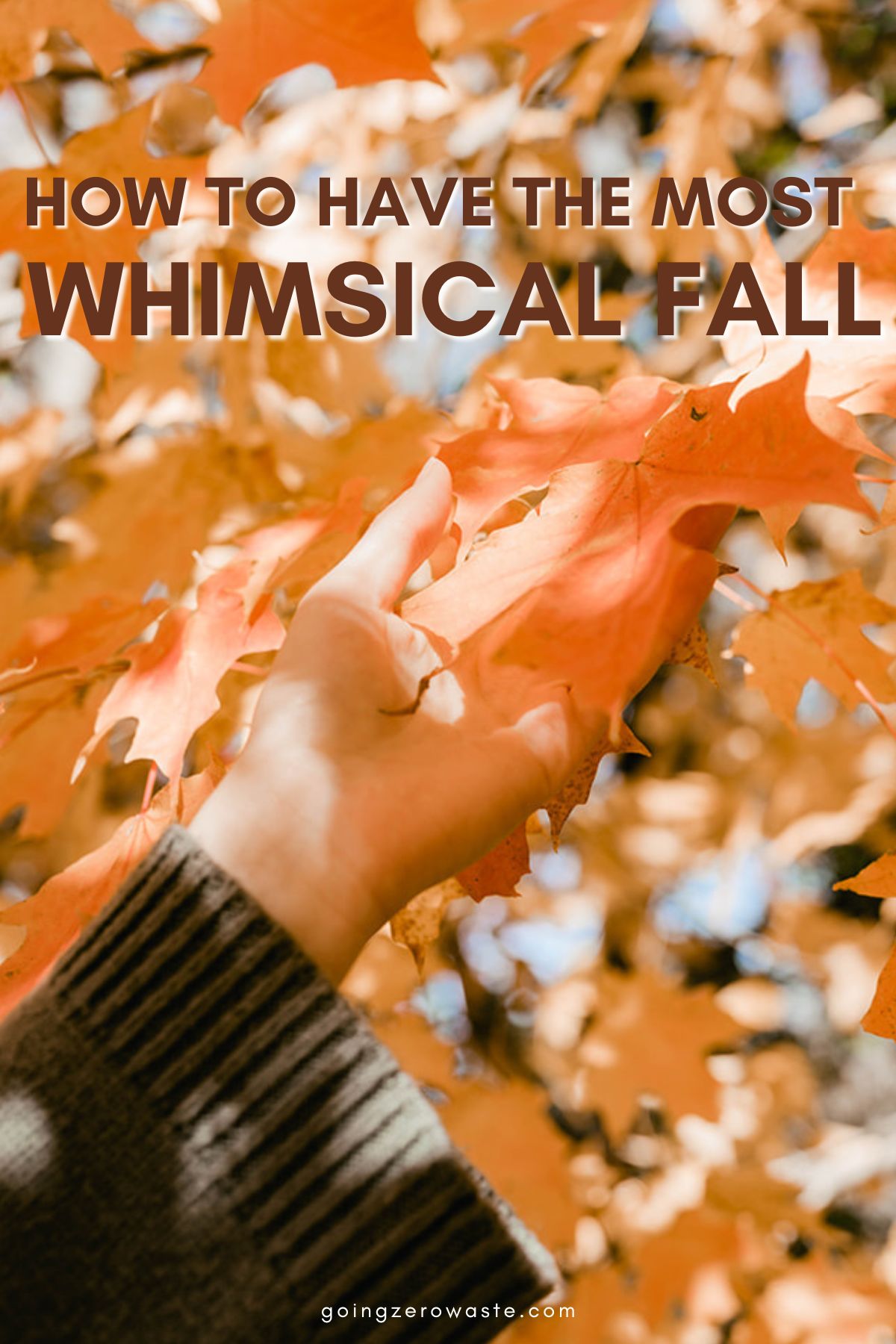
However, this early commercial push has catalyzed a noticeable behavioral trend: intentional disconnection. Environmental psychologists and lifestyle researchers suggest that the relentless marketing of physical goods—ranging from mass-produced synthetic decor to single-use seasonal items—leaves consumers feeling unfulfilled. In response, a grassroots movement is emerging, championing intrinsic experiences, creative hobbies, and localized community engagement over retail therapy.
Redefining Whimsy Outside the Marketplace
While the term "whimsy" has recently trended across digital platforms as a lifestyle aesthetic, cultural commentators emphasize that true whimsy cannot be mass-produced or purchased. Etymologically rooted in the unconventional and off-beat, organic whimsy relies on imagination, personal agency, and deliberate pacing. Rather than relying on curated retail products, participants in this movement are turning inward and outward toward their local ecosystems to find seasonal fulfillment.
Public health advocates have long cited the psychological benefits of reducing screen time and increasing exposure to nature. Clinical studies consistently demonstrate that spending time outdoors lowers cortisol levels, improves cognitive function, and fosters a stronger sense of community belonging. By swapping digital consumption for tactile hobbies, individuals are reclaiming the autumnal shift as a period of personal reflection and connection.
Structured Low-Impact Activities for the Autumn Season
To facilitate this transition away from digital and retail dependence, community leaders and cultural organizers are promoting structured, low-waste autumn activities that encourage mindfulness, skill-sharing, and localized engagement.
1. Enhanced Nature Observation and Flora Documentation
Traditional leaf-peeping can be elevated into an active educational pursuit. By integrating journaling, sketching, and native plant identification, individuals can combat what modern conservationists term "plant blindness"—the human tendency to ignore surrounding flora. Local botanical groups and public libraries frequently offer resources to help residents differentiate between native species and aggressive invasives, such as the burning bush (Euonymus alatus), transforming a casual walk into an ecological exercise. Furthermore, organizing community scavenger hunts centered around local fauna and flora fosters collaborative outdoor engagement among families and peer groups.
2. The Revitalization of Snail Mail and Gratitude Correspondence
In an era dominated by instantaneous digital communication, handwritten correspondence has experienced a minor cultural resurgence. Psychologists note that the physical act of writing gratitude letters encourages emotional processing and deepens interpersonal bonds. To maintain sustainability, participants are encouraged to utilize scrap paper, upcycled envelopes, and natural tokens—such as pressed leaves, dried flowers, or seeds—rather than purchasing commercial stationery. This practice minimizes material waste while offering a personal, tactile expression of appreciation.

3. Community Craft Circles and Skill Exchanges
The textile and craft sector has seen a steady rise in community-led meetups, such as local knitting and crocheting circles. Rather than purchasing mass-produced seasonal garments, participants gather in public spaces like parks and community centers to share supplies, exchange surplus yarn, and learn traditional handcrafts. Public yarn swaps provide an economical and sustainable alternative to retail shopping, reducing textile waste while building intergenerational knowledge bridges, often connecting younger generations with veteran artisans.
4. Home-Based Cafes and Hyper-Local Sharing
With the skyrocketing cost and commercialization of dining out, home-based culinary gatherings have become a popular alternative to traditional social outings. Hosts can practice baking traditional autumn recipes using locally sourced ingredients from regional farmers’ markets. To address food waste—a critical global issue—organizers emphasize the use of reusable or to-go containers, ensuring surplus baked goods are shared with neighbors or local community networks. This model not only reduces packaging waste but also stimulates localized social cohesion.
5. Skill-Building Craft Nights and Creative Experimentation
Hosting localized craft nights allows groups to engage in seasonal art projects—such as natural crafting, pumpkin decorating with biodegradable adhesives, or landscape painting—without relying on newly manufactured retail goods. Proponents of this trend stress the value of embracing imperfection. Engaging in creative endeavors where failure is low-stakes helps alleviate performance anxiety and fosters mental resilience.

6. Spontaneous Micro-Adventures and Active Mobility
Encouraging active transportation, such as walking or bicycling, allows residents to experience their local geography at a slower pace. Unplanned day trips to nearby state parks, independent bookstores, or regional farm stands encourage consumers to support local micro-economies while minimizing the carbon footprint associated with long-distance travel.
Broader Economic and Environmental Implications
The shift toward low-impact, experiential seasonal traditions carries notable economic and environmental implications. From a sustainability standpoint, minimizing the purchase of single-use holiday decor directly reduces landfill waste, as plastic-heavy seasonal items often end up discarded after a single use. Additionally, keeping economic activity within local micro-economies—such as purchasing baking ingredients from regional farmers or sourcing craft supplies secondhand—strengthens community resilience against broader supply chain disruptions.
As public awareness regarding the environmental toll of hyper-consumerism continues to grow, these intentional lifestyle adjustments signal a fundamental cultural recalibration. By prioritizing genuine human connection, ecological literacy, and creative expression over commercial acquisition, individuals are successfully redefining what it means to experience the magic of autumn.