The Ultimate Guide to Making Crispy, Family-Friendly Sweet and Sour Chicken at Home

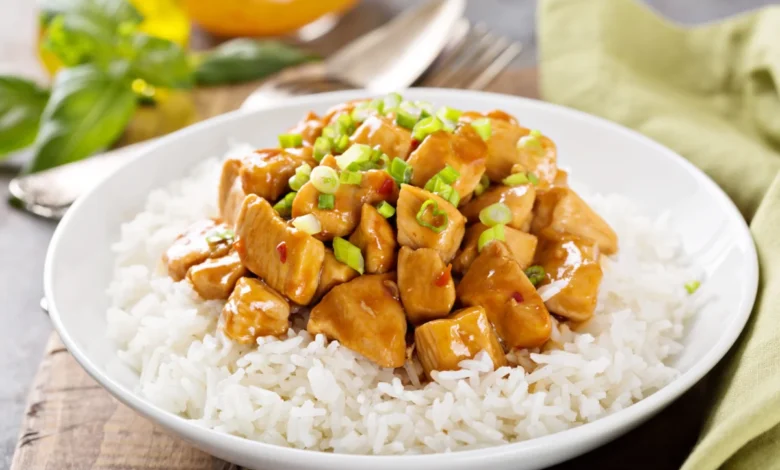
In the modern landscape of home economics and culinary trends, few culinary challenges rival the nightly endeavor of preparing a weeknight dinner that satisfies both the demanding palates of young children and the nutritional expectations of health-conscious parents. Amidst the rising costs of restaurant dining and the ongoing cultural shift toward home-cooked meals, quick-service Asian-inspired dishes have emerged as a dominant category in domestic kitchens. Among these, sweet and sour chicken stands out as a perennial favorite, capturing a multi-generational appeal defined by its contrasting textures and vibrant flavor profiles. Recent culinary data indicates that homemade takeout alternatives have surged in popularity by over 35% across North American households, as families seek efficient, cost-effective ways to replicate restaurant-quality meals without compromising on nutritional value or spending hours in the kitchen.
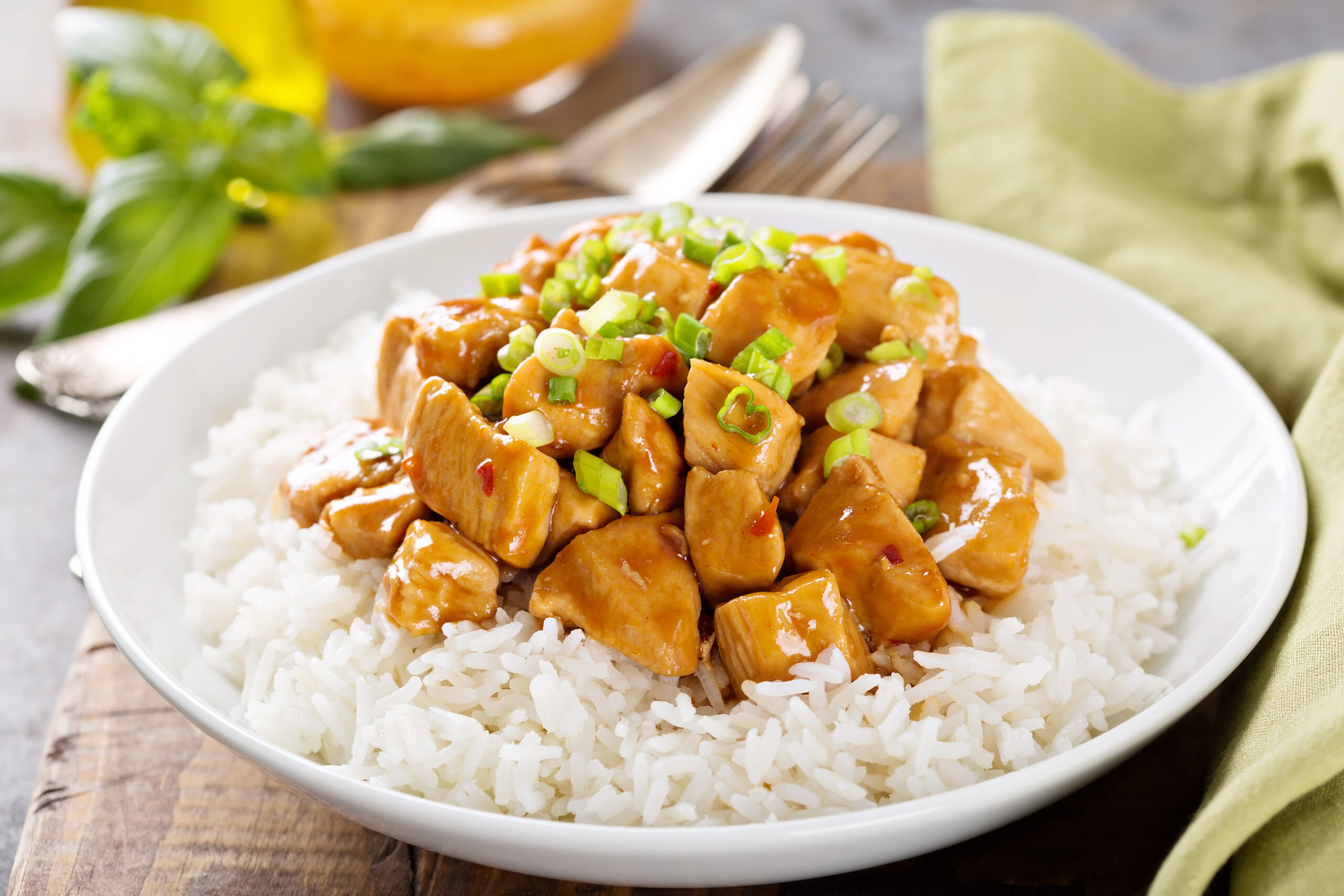
The historical evolution of sweet and sour dishes offers a fascinating lens through which to view culinary cross-pollination. While contemporary versions found in Western takeout establishments are often characterized by neon-colored sauces and heavily battered proteins, traditional iterations trace their roots to Cantonese cuisine, where a delicate balance of vinegar and sugar was utilized to preserve and enhance the natural flavors of meats and river fish. Over the course of the 20th century, as Chinese immigration to Western nations expanded, the recipe underwent significant adaptations to align with local agricultural availability and consumer preferences. The modern iteration—featuring bite-sized pieces of poultry, vibrant bell peppers, pineapple chunks, and a glossy, viscous sauce—represents a fusion of traditional technique and contemporary convenience.
Achieving the gold standard of homemade sweet and sour chicken requires a careful orchestration of preparation and cooking methodologies designed to maximize texture and flavor integrity. According to culinary experts and food science researchers, the secret to replicating the signature crunch of restaurant-style poultry lies in avoiding overcrowding during the frying phase. When too much meat is introduced to the skillet simultaneously, the temperature of the oil drops drastically, and moisture released from the chicken causes the protein to steam rather than crisp. By cooking the chicken in discrete, manageable batches, home cooks ensure that the exterior achieves a golden-brown, structurally sound crust capable of withstanding the rich coating of sauce without becoming soggy.
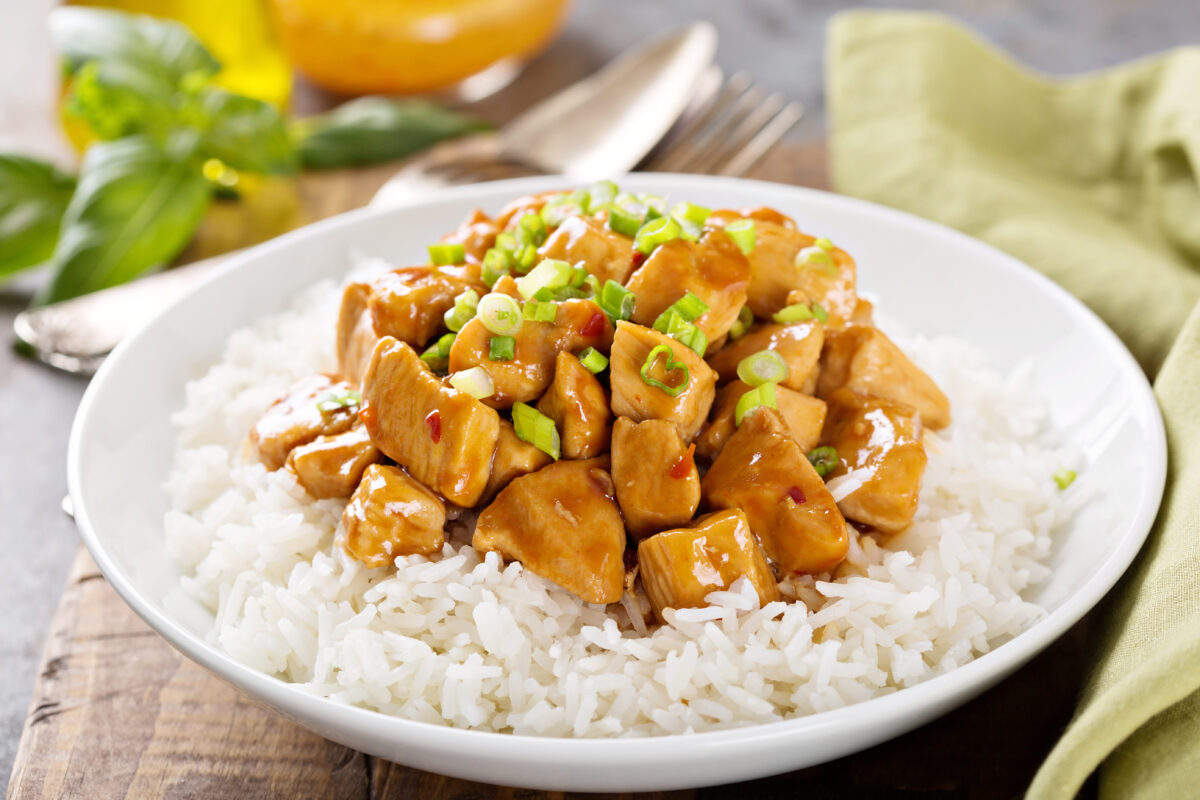
Furthermore, the chemical composition of the sauce plays a pivotal role in the dish’s overall success. A properly balanced sweet and sour sauce relies on the duality of acidity and sweetness, typically anchored by rice vinegar or fruit juices balanced against cane sugar or honey. Nutritional analysts often advocate for the incorporation of natural fruit juices, such as pineapple or orange juice, which impart complex flavor compounds while reducing the necessity for refined added sugars. The introduction of a cornstarch slurry—a suspension of cornstarch in cold water—is another critical technical step. When subjected to heat, the starch molecules gelatinize, thickening the liquid into a glossy, translucent glaze that clings evenly to the chicken and accompanying vegetables.
The adaptability of the recipe has further cemented its status as a staple for diverse dietary needs and household configurations. Nutritionists frequently emphasize the importance of vegetable integration in family meals. By folding in bell peppers, broccoli florets, snap peas, and carrots, home cooks significantly elevate the dish’s micronutrient profile, providing essential vitamins A, C, and K alongside dietary fiber. For households managing spice sensitivities or accommodating young children, the foundational recipe allows for modular customization. The omission or reduction of red pepper flakes transforms the dish into a mild, palate-friendly option, while the addition of sriracha, chili garlic sauce, or sliced jalapeños caters to adults seeking elevated heat levels. Additionally, substituting chicken breasts with chicken thighs offers a practical solution for those prioritizing juiciness and rich flavor, as thighs contain a higher fat content that naturally resists overcooking.
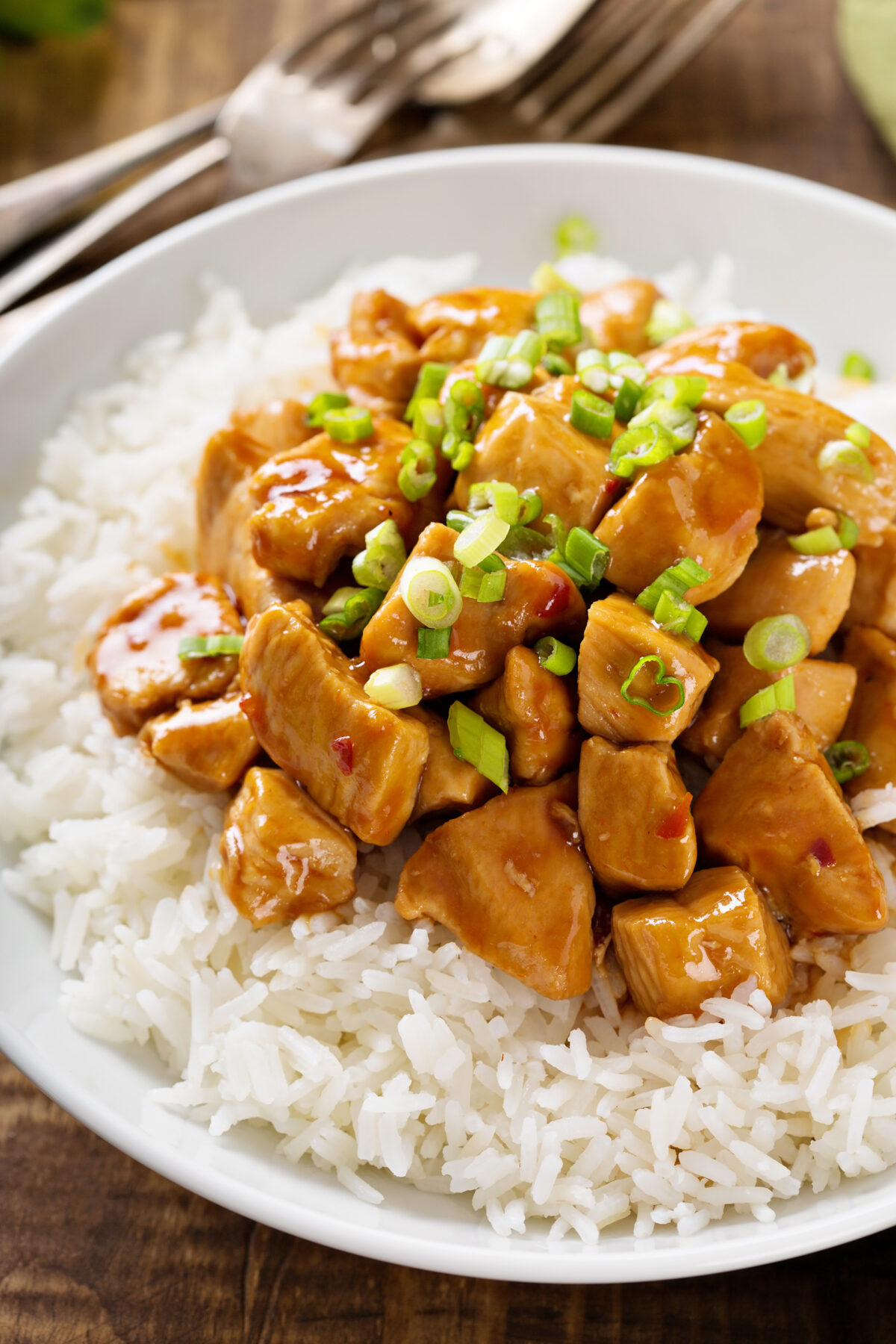
From an economic and logistical perspective, streamlining the preparation of complex-tasting dishes within a compressed timeframe is vital for contemporary household management. Standardizing the cooking process into a structured timeline allows home cooks to execute the meal efficiently. The typical preparation phase—encompassing the dicing of poultry, the chopping of vegetables, and the whisking of the sauce components—requires approximately 15 minutes. The active cooking phase, which includes searing the protein, sautéing the vegetables, simmering the sauce, and combining the elements, occupies an additional 20 minutes. This 35-minute total turnaround time positions the dish favorably within the parameters of a standard weeknight schedule, competing effectively against commercial convenience foods and delivery services.
Industry observers note that the broader cultural implications of mastering takeout-style dishes at home extend beyond mere financial savings. Cooking meals from scratch fosters a deeper understanding of nutrition, ingredient sourcing, and portion control among younger family members. Pediatric dietitians frequently highlight that involving children in the customization of their meals—such as choosing whether to include specific vegetables or adjusting spice levels—encourages adventurous eating habits and reduces mealtime anxiety. When children are presented with familiar components like rice and steamed broccoli paired with an approachable, visually appealing protein, they are statistically more likely to engage positively with new flavors and textures.
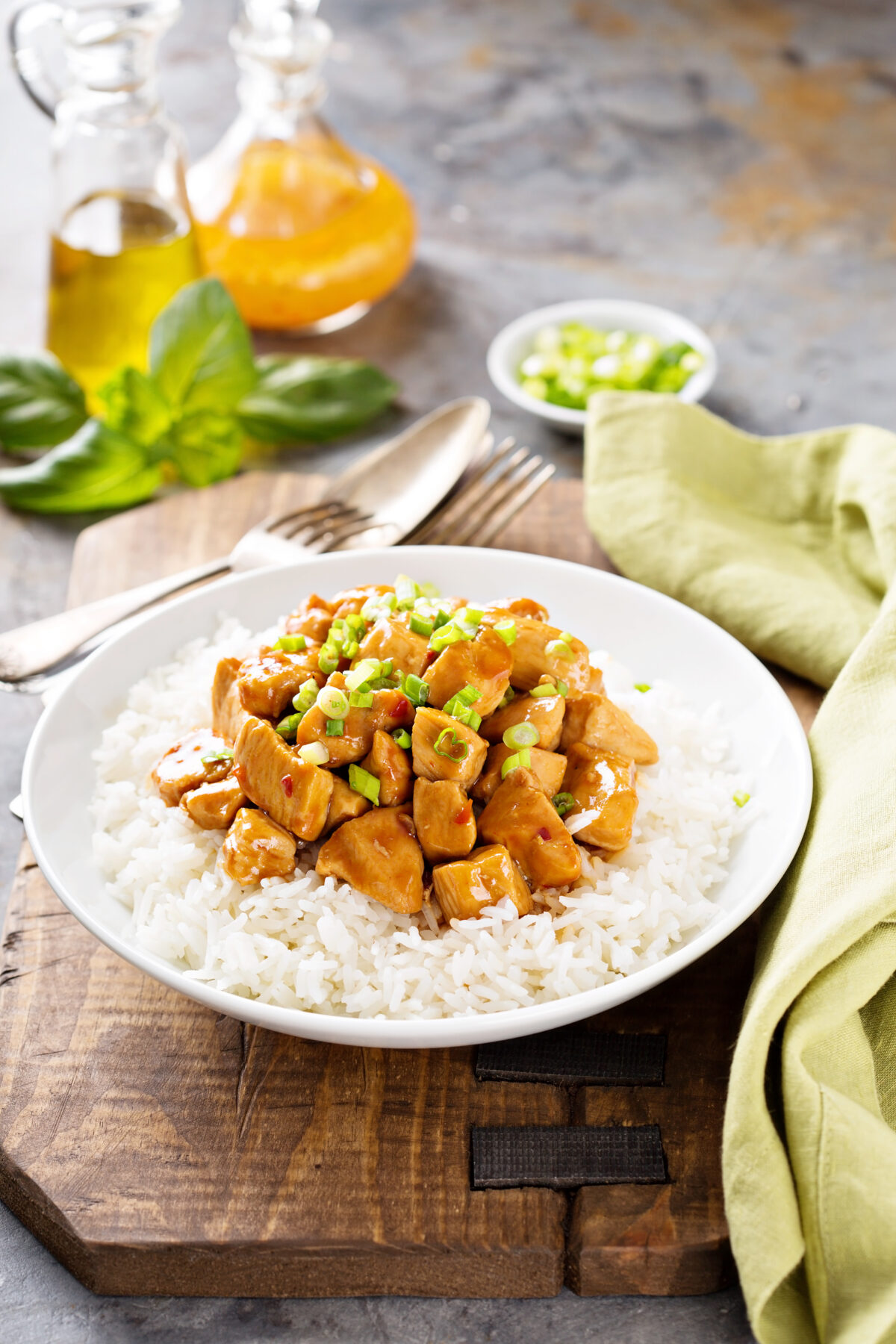
As home cooking continues to evolve in response to technological advancements in kitchen appliances and an abundance of accessible culinary education, recipes that bridge the gap between institutional takeout and domestic feasibility will remain essential. The contemporary sweet and sour chicken recipe exemplifies this synthesis, offering a reliable, structurally sound blueprint for a balanced meal. By adhering to core culinary principles—such as proper pan management, precise timing, and thoughtful ingredient substitution—home cooks can consistently produce a dish that honors its historical origins while meeting the rigorous demands of modern family life.