The definitive guide to the best sustainable and ethical socks in the UK for 2026

The textile industry is undergoing a significant transformation as consumer demand for transparency and environmental accountability continues to rise. Within the UK market, the humble sock—long an overlooked staple of the fashion industry—has emerged as a focal point for circular economy initiatives, ethical labor practices, and sustainable material innovation. As of 2026, UK consumers are increasingly prioritizing supply chain traceability, moving away from "fast fashion" toward brands that utilize organic, recycled, and low-impact fibers.

The Evolution of Sustainable Footwear
For decades, the standard sock manufacturing process relied heavily on synthetic blends, such as virgin polyester and nylon, which are notoriously difficult to recycle and contribute to microplastic pollution. Furthermore, the traditional high-street model often obscured the origins of cotton and wool, leading to concerns regarding fair wages and environmental degradation.
The current landscape represents a shift toward the "cradle-to-cradle" model. Brands are now investing in GOTS (Global Organic Textile Standard) cotton, GRS (Global Recycle Standard) fibers, and closed-loop bamboo processing. This shift is supported by broader legislative trends in the UK and EU, which increasingly mandate stricter environmental reporting for garment manufacturers.

Industry Leaders and Material Innovation
Several UK-based and UK-facing brands have established themselves as benchmarks for ethical production.
Silverstick maintains a commitment to traditional British craftsmanship. By sourcing wool from sheep grazing in the Pennines and utilizing Oeko-Tex Standard 100-certified dyes, the company minimizes the presence of hazardous substances. Their reliance on local manufacturing significantly reduces the carbon footprint associated with international logistics.

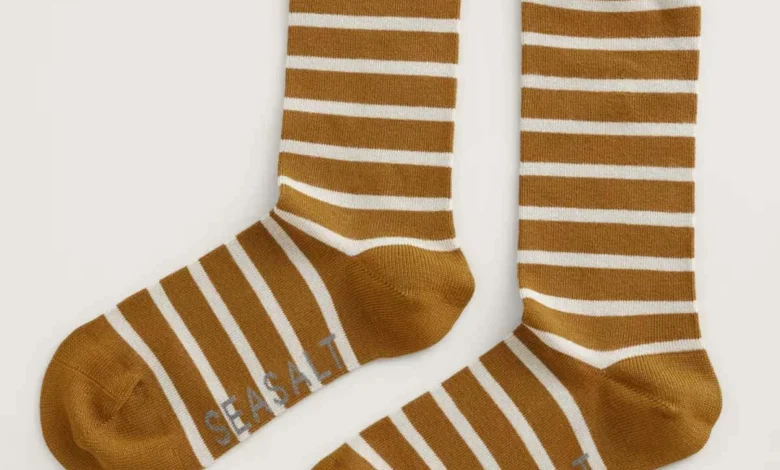
Seasalt, an early adopter of ethical standards, remains a cornerstone of the movement. Having achieved Soil Association organic certification as early as 2005 and recently securing B-Corp status, the company provides a model for how large-scale retailers can integrate environmental performance, transparency, and accountability into their core business structure.
Thought Clothing has diversified the material profile of ethical hosiery by incorporating bamboo and hemp. These fibers are recognized for their low water requirements and natural resistance to pests, which eliminates the need for chemical pesticides. The integration of Fairtrade certification across their supply chain ensures that the laborers involved in the harvesting and manufacturing processes are treated with dignity.

Circularity and Waste Reduction
A critical development in the 2026 market is the emergence of "take-back" schemes, aimed at mitigating the issue of post-consumer textile waste.
Rapanui, based on the Isle of Wight, operates a circular model where products are designed to be returned and re-manufactured. When socks reach the end of their functional life, the company facilitates the return of the materials to be broken down and turned into new yarn. This closed-loop system directly addresses the "take-make-waste" trajectory of the fashion industry.

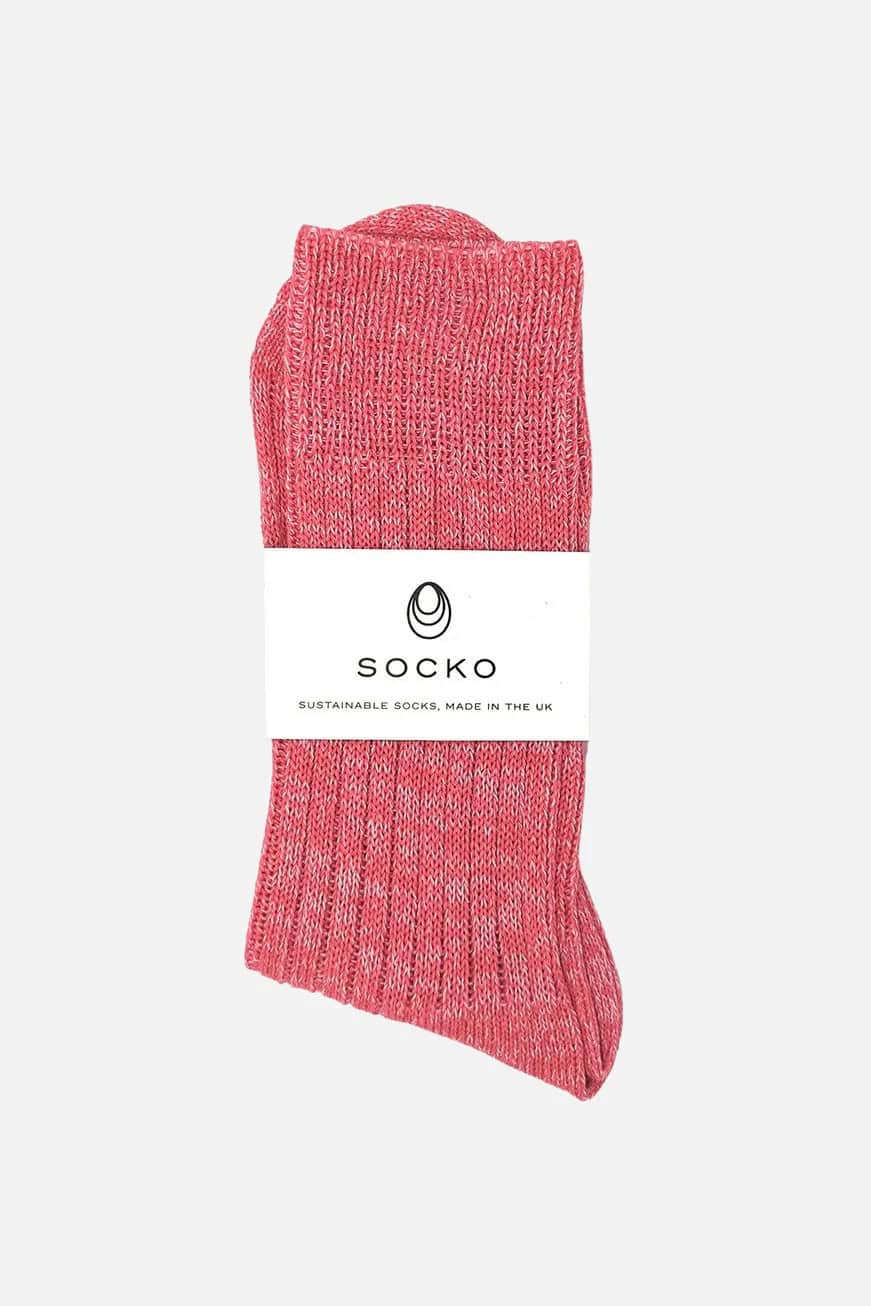
Socko provides a different approach to longevity by combatting the "throwaway" culture through education. By including a mending kit and darning instructions with each purchase, the brand encourages consumers to extend the lifecycle of their garments. This, coupled with their use of GRS-certified recycled cotton, addresses both the production phase and the disposal phase of the garment’s life.
Social Impact and Philanthropy
Ethical production is no longer strictly defined by environmental metrics; it now encompasses social impact as well.

Stand4Socks operates on a "buy one, give one" model, partnering with homeless charities to donate socks to individuals in need. This B-Corp model demonstrates that consumer purchases can serve as a vehicle for direct social intervention. Similarly, Barekind focuses on biodiversity, donating 10% of its profits to charity partners dedicated to the protection of endangered species. Each design corresponds to a specific conservation effort, linking the consumer’s purchase directly to wildlife preservation.
Comparative Analysis of Fiber Properties
The choice of material has significant implications for both the consumer and the environment:
| Material | Environmental Benefit | Performance Characteristic |
|---|---|---|
| Organic Cotton | Reduced pesticide/water use | Breathable, hypoallergenic |
| Bamboo | Rapid growth, carbon sequestration | Moisture-wicking, thermal regulation |
| Recycled Wool | Reduced landfill waste | Durable, high insulation |
| Recycled Polyester | Plastic diversion | Elasticity, strength |
Economic Implications and Market Trends
The market for sustainable textiles is projected to continue its upward trajectory as regulatory frameworks, such as the UK’s Extended Producer Responsibility (EPR) schemes for textiles, gain traction. By 2026, companies that have invested in sustainable supply chains are better positioned to weather the rising costs of raw materials and the tightening of environmental regulations.
"The consumer of 2026 is far more informed than their predecessor," notes an industry analyst familiar with sustainable retail. "They are looking past the marketing labels and are evaluating companies based on third-party certifications, such as GOTS and B-Corp, which provide an objective baseline for comparison."

The Challenge of End-of-Life Management
Despite advancements in manufacturing, the industry faces a persistent challenge: the disposal of used socks. Because socks are often composed of fiber blends (e.g., cotton mixed with elastane for stretch), they are difficult to recycle through traditional mechanical means.
For the average consumer, the most effective strategy remains the reduction of consumption through high-quality, durable purchases and the reuse of textiles. When a pair of socks is beyond repair, repurposing them as cleaning cloths or donating them to textile recycling banks—rather than general waste—is recommended. The rise of initiatives like the "mending movement" championed by brands like Socko is a positive step toward shifting the societal perception of damaged clothing from "waste" to "repairable asset."

Conclusion: Moving Toward a Sustainable Standard
The transition to ethical hosiery is symptomatic of a broader shift in consumer behavior. By favoring brands that emphasize supply chain transparency, utilize sustainable materials, and support circular initiatives, consumers play a direct role in shaping the future of the garment industry. While the market for sustainable socks was once considered a niche segment, it has matured into a sophisticated sector that challenges the status quo of the global textile trade. As these practices become more common, the hope is that sustainable production will move from a competitive advantage to the baseline expectation for all manufacturers.