The Ultimate 20-Minute Garlic Chicken Pasta Recipe for Busy Households

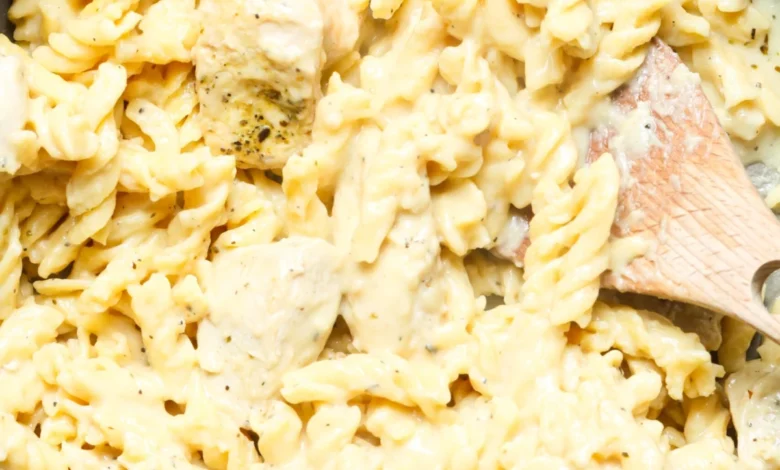
In the modern culinary landscape, the demand for high-quality, nutritious home-cooked meals has surged, yet time constraints remain a primary obstacle for families. Culinary experts and food researchers have identified a growing trend toward "efficiency-focused comfort food"—dishes that balance traditional, scratch-made quality with modern preparation speed. Among these, the Garlic Chicken Pasta has emerged as a staple for households prioritizing both efficiency and health. This dish, characterized by its reliance on fresh, whole ingredients and a simplified cooking methodology, represents a strategic shift in how time-pressed individuals approach dinner preparation.
The Evolution of Quick-Prep Culinary Standards
Historically, the preparation of creamy pasta dishes required extensive time, often involving the creation of a traditional béchamel or roux-based sauce. However, recent shifts in domestic cooking habits have favored streamlined techniques that utilize the natural starch of pasta and the reduction of milk and cheese to achieve a desired consistency.
Nutritionists note that replacing heavy creams with whole milk and incorporating high-quality proteins like chicken breast transforms a classic, calorie-dense dish into a balanced, protein-rich meal. This evolution aligns with broader dietary trends that favor "clean eating," where the focus is placed on avoiding processed additives in favor of simple, identifiable ingredients such as garlic, butter, fresh poultry, and whole-wheat pasta.
Chronology and Preparation Methodology
The preparation of this dish is structured to maximize efficiency without compromising the integrity of the ingredients. The process follows a standardized, eight-step chronology:
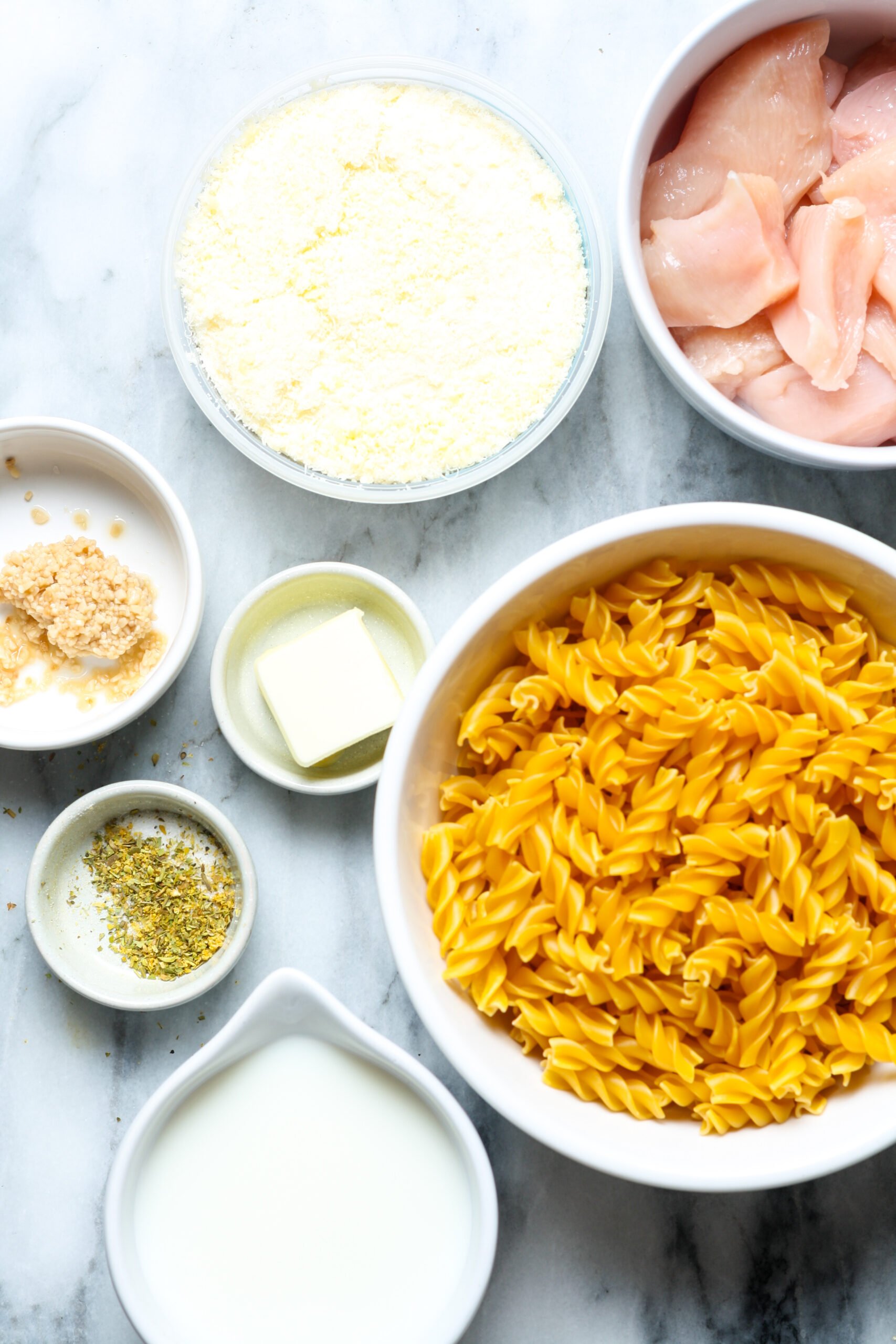
- Ingredient Preparation: The chicken breast is segmented into uniform one-inch cubes to ensure even heat distribution and rapid cooking.
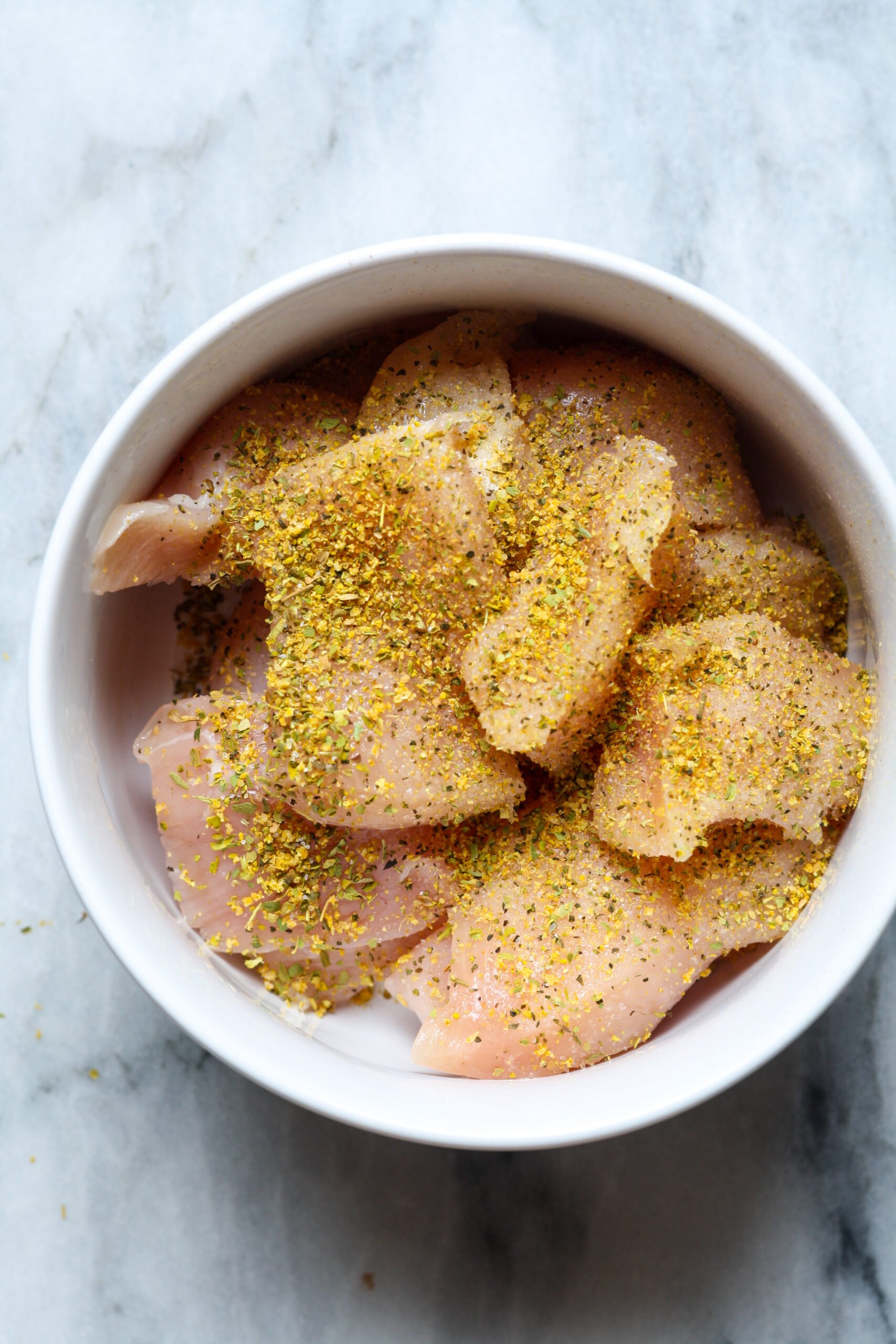
- Seasoning: A dry rub comprising sea salt, black pepper, and onion powder is applied, providing a foundational flavor profile.
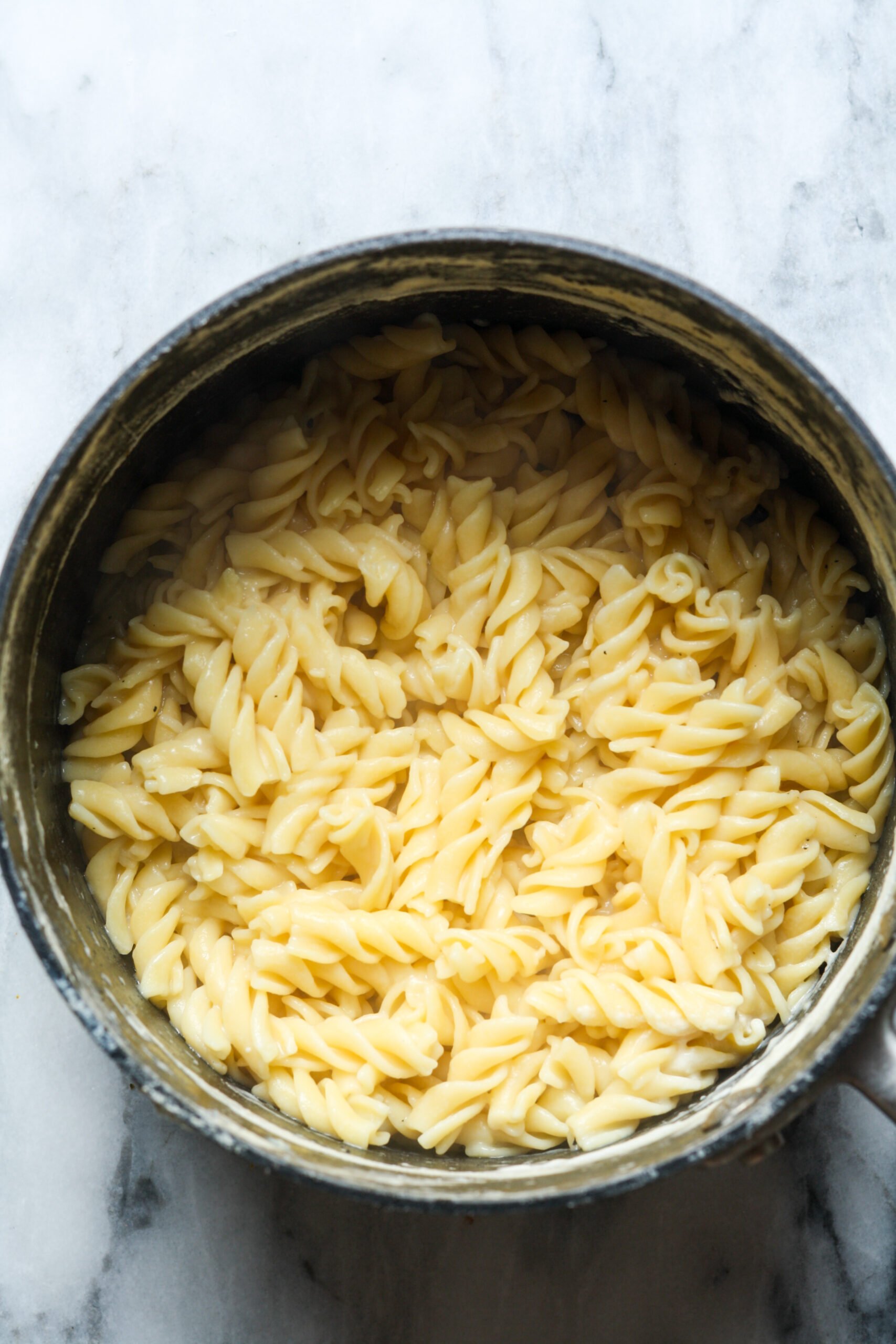
- Pasta Synthesis: While the chicken is being prepped, the pasta is boiled to an al dente texture, a crucial step that ensures the pasta maintains its structure when folded into the sauce.
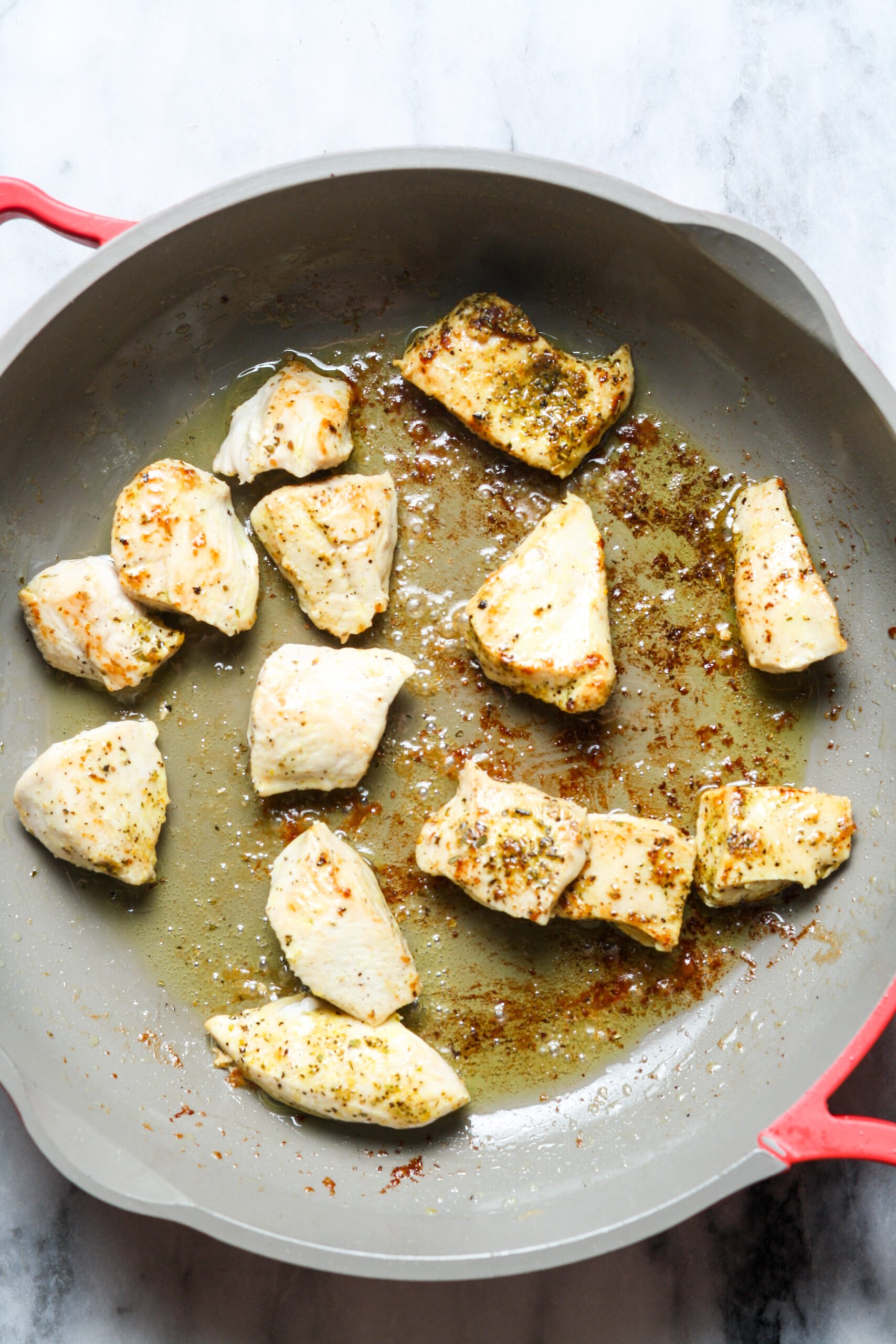
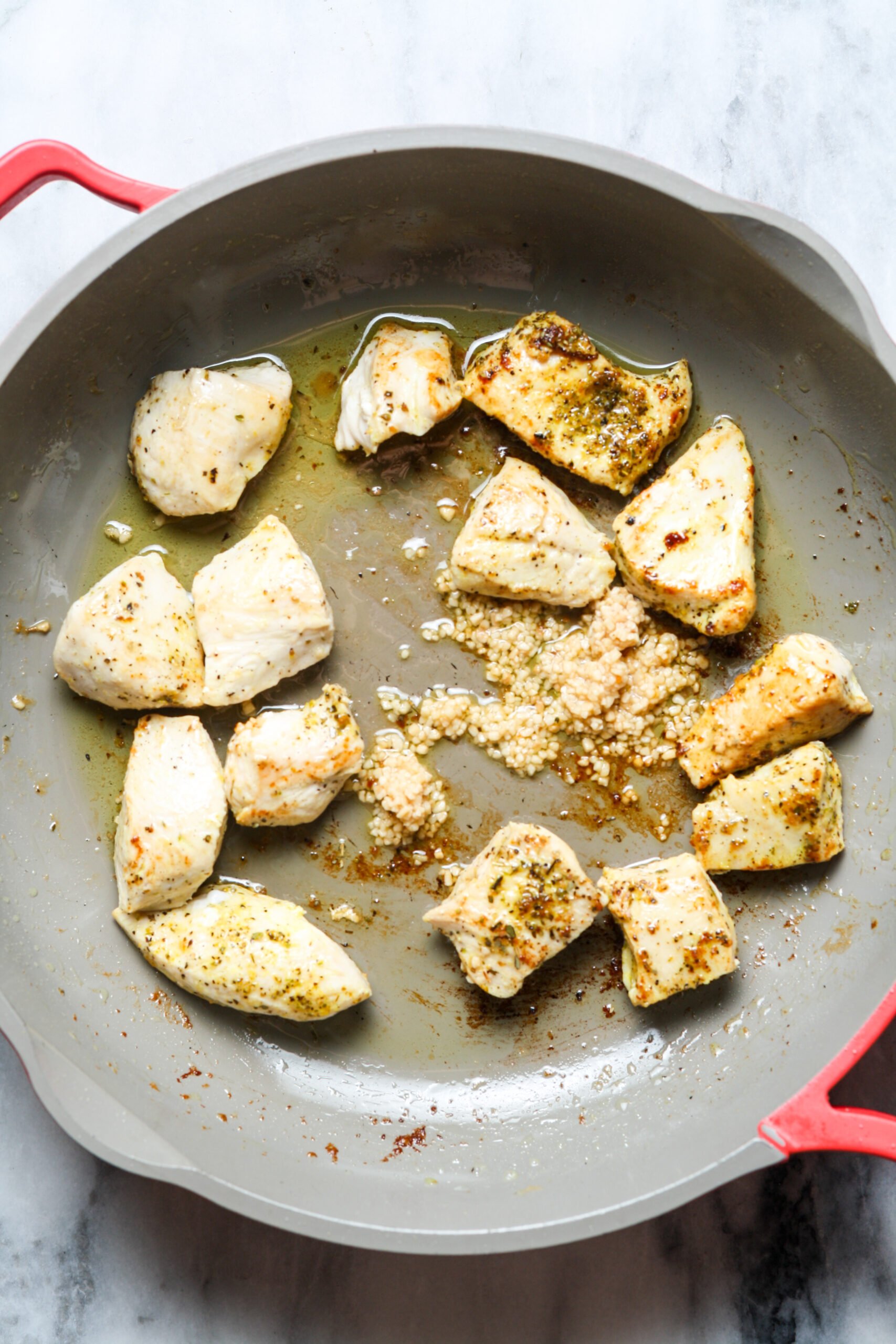
- Protein Searing: Utilizing a large, high-heat skillet, the chicken is seared in butter or ghee to achieve a golden-brown exterior.
- Aromatic Integration: Freshly minced garlic is introduced during the final stages of the searing process, preventing burning while maximizing the infusion of aromatics into the skillet.
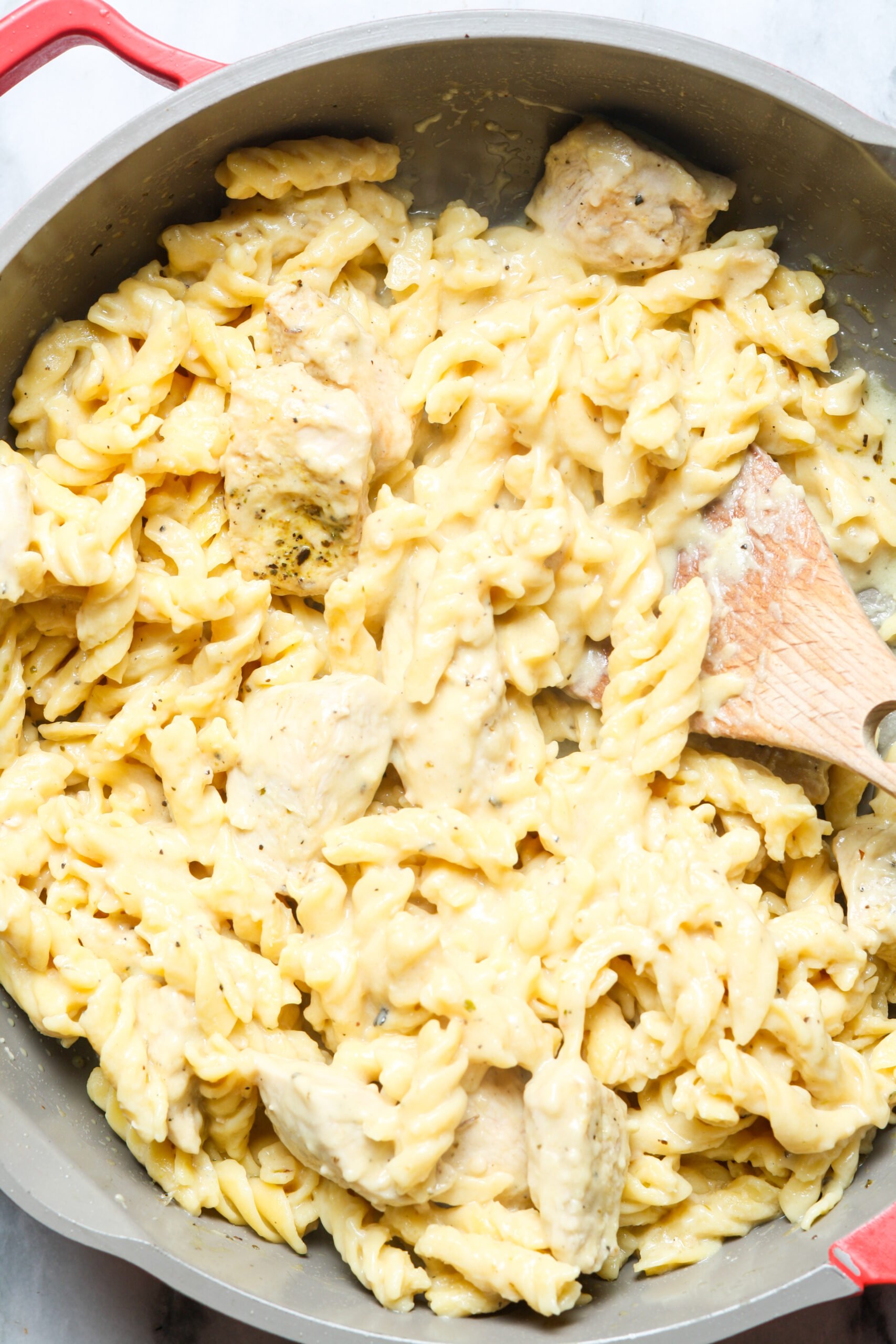
- Sauce Development: Whole milk and Parmesan cheese are added to the skillet. The interaction between the heat and the proteins in the cheese, combined with the fat from the butter and milk, creates a natural emulsion.
- Final Assembly: The cooked pasta is combined with the sauce, allowing the noodles to absorb the flavors.
- Plating: The dish is served immediately, often garnished with additional fresh herbs or spices.
Nutritional and Economic Analysis
From a nutritional standpoint, the reliance on whole-wheat pasta provides a significant source of dietary fiber, which is frequently absent in refined-flour alternatives. Data from the U.S. Department of Agriculture (USDA) suggests that incorporating whole grains into daily diets can improve digestive health and sustained energy levels. Furthermore, the use of chicken breast—a lean source of high-quality protein—provides the essential amino acids required for muscle repair and metabolic function.
Economically, the recipe demonstrates the viability of home cooking as a cost-effective alternative to dining out. With inflation impacting food prices globally, the ability to produce a restaurant-quality meal for a family of four using basic pantry staples provides a tangible financial benefit. By utilizing ingredients that are shelf-stable or easily sourced, households can reduce food waste and minimize the overhead costs associated with pre-packaged or convenience meals.
Expert Perspectives on Culinary Efficiency
Culinary educators often emphasize that the success of a quick-prep dish lies in the "mise en place"—a French culinary phrase meaning "everything in its place." By preparing ingredients before applying heat, the total cook time is reduced to approximately 18 to 20 minutes.
"The efficiency of a dish like this does not come from a lack of quality, but from a reduction in unnecessary steps," notes one industry analyst. "By using the pasta water’s residual starch and the emulsifying properties of Parmesan, one removes the need for flour-based thickeners, resulting in a cleaner flavor and a faster execution."
Broader Implications for Modern Families
The rise of such recipes has broader implications for the "dinner hour" in modern culture. As work-life balance becomes increasingly strained, the psychological impact of a "quick, cozy, and nutritious" meal cannot be overstated. Food psychologists suggest that the act of preparing a meal—even one that takes less than half an hour—serves as a transitionary ritual between the professional and personal spheres.
Furthermore, the versatility of the Garlic Chicken Pasta allows for regional and seasonal variations, reflecting the adaptability of modern home cooking. Whether it is the addition of fresh baby spinach for added vitamins, or the inclusion of red pepper flakes for those seeking a more robust flavor profile, the base recipe acts as a canvas for individual preferences.
Quality Control and Troubleshooting
Despite the simplicity of the dish, achieving the perfect texture requires attention to detail. Common issues often revolve around the sauce consistency. If the sauce is too thick, the introduction of a small amount of starchy pasta water—a technique used by professional chefs for generations—is the most effective method for thinning the sauce without losing flavor or creaminess. Conversely, if the sauce is too thin, the culprit is often a lack of reduction time. A brief, controlled simmer will allow the moisture to evaporate, concentrating the flavors and thickening the liquid.
Conclusion and Future Outlook
As we look toward the future of home cooking, the emphasis on efficiency and ingredient transparency is expected to grow. The Garlic Chicken Pasta stands as a testament to this shift, offering a reliable, scalable, and highly nutritious solution for the contemporary kitchen. By mastering the fundamentals of heat control, ingredient quality, and timing, home cooks can continue to elevate the standard of their nightly meals, proving that speed and sophistication are not mutually exclusive.
As food technology continues to provide better tools for home preparation, from high-quality nonstick cookware to improved storage solutions, the ease of preparing such meals will likely increase. For now, this recipe serves as a benchmark for those who seek to maintain a standard of culinary excellence amidst the complexities of modern life. Whether served as a standalone meal or accompanied by a side of crusty bread and a garden-fresh salad, the dish remains a cornerstone of the modern, health-conscious family repertoire.