Sleeping Well with Diabetes: The Critical Intersection of Rest and Metabolic Health

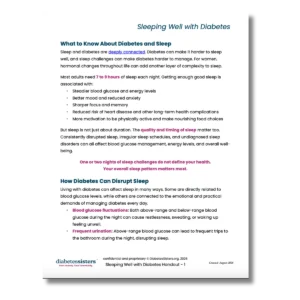
The relationship between sleep quality and diabetes management is a complex, bidirectional cycle that has increasingly become a focal point of endocrinology and patient-centered care. As of August 2026, health advocacy organizations, including DiabetesSisters, have placed renewed emphasis on the "Sleeping Well with Diabetes" initiative, a comprehensive resource designed to address the physiological and psychological barriers to rest faced by those living with diabetes. For millions of individuals, the nightly struggle to achieve restorative sleep is not merely a matter of comfort but a fundamental component of glycemic control, hormonal regulation, and overall metabolic stability.
The Physiological Feedback Loop
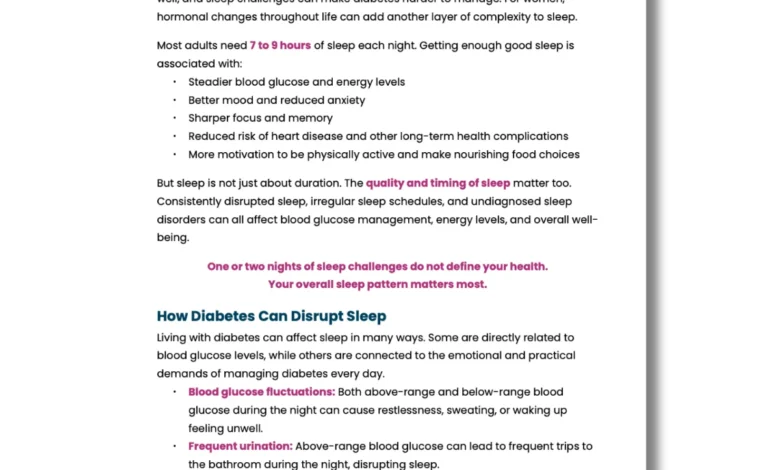
The connection between sleep and diabetes is rooted in the body’s endocrine system. Clinical research has consistently demonstrated that sleep deprivation—defined as less than seven hours of quality rest per night—triggers a cascade of metabolic dysregulation. When the body is deprived of sleep, it experiences an increase in cortisol, the "stress hormone," which can induce insulin resistance. Simultaneously, sleep deficiency alters the secretion of ghrelin and leptin, the hormones responsible for appetite regulation, often leading to increased cravings for high-carbohydrate foods. This cycle creates a precarious environment for blood glucose management.
For patients managing Type 1 or Type 2 diabetes, the situation is compounded by the disease itself. Nocturnal hypoglycemia (low blood sugar) or hyperglycemia (high blood sugar) can trigger autonomic nervous system responses that wake the patient, preventing deep, restorative REM sleep. Furthermore, the presence of diabetes-related technology, such as Continuous Glucose Monitors (CGMs) and insulin pumps, introduces a new variable: device-related disruptions. While these tools are life-saving, the alarms and alerts required for safety can interrupt sleep architecture, leading to "alarm fatigue" and chronic sleep fragmentation.
A Chronology of Research and Awareness
The medical community’s understanding of this intersection has evolved significantly over the past two decades. In the early 2000s, clinical focus was primarily directed toward the cardiovascular consequences of sleep apnea in diabetic patients. However, by 2015, large-scale epidemiological studies began to highlight that even in the absence of sleep disorders like apnea or restless leg syndrome, the simple lack of "sleep hygiene" was an independent predictor of poor HbA1c outcomes.
By 2020, the onset of the global pandemic brought the issue to the forefront as widespread disruptions to circadian rhythms—often termed "social jetlag"—led to a documented increase in average blood glucose levels across diabetic populations globally. In response, health organizations began shifting their educational frameworks to prioritize sleep as a "third pillar" of diabetes care, sitting alongside nutrition and physical activity. The 2026 update to resources like the Sleeping Well with Diabetes handout represents the maturation of this movement, moving away from generic advice toward evidence-based, actionable strategies for the modern, tech-enabled patient.
Supporting Data and Statistical Context
Data from the National Sleep Foundation and various endocrinology journals underscore the gravity of the issue. Studies indicate that individuals with diabetes are statistically more likely to experience sleep disturbances than the general population. Specifically:
- Prevalence: Research suggests that up to 50% of patients with Type 2 diabetes suffer from some form of sleep disorder, most notably obstructive sleep apnea (OSA).
- The Glucose-Sleep Correlation: Clinical trials have shown that one night of total sleep deprivation can reduce insulin sensitivity by as much as 25% in healthy individuals, with even more pronounced effects in patients with impaired glucose tolerance.
- Long-term Impacts: A longitudinal study spanning five years found that patients who reported poor sleep quality were 1.8 times more likely to experience complications related to blood sugar management compared to those who reported consistent sleep patterns.
These figures illustrate that sleep is not a passive activity but an active physiological process during which the body performs essential repair work. Ignoring sleep hygiene is equivalent to ignoring a vital medical treatment.
Clinical Perspectives and Official Guidance
Medical professionals emphasize that managing sleep in the context of diabetes requires a two-pronged approach: optimizing the clinical management of glucose and adopting behavioral interventions. Endocrinologists frequently point out that the goal is not to eliminate all nighttime alerts, but to optimize settings so that safety is maintained without unnecessary fragmentation.

Dr. Elena Rossi, a specialist in metabolic health, notes, "We often see patients who are frustrated by their morning blood sugar readings. When we review their sleep data, we find that the culprit is not just their diet, but the fact that they are waking up five or six times a night due to ambient noise or minor glucose fluctuations that could be managed with adjusted basal rates. Addressing the sleep environment is as important as adjusting a medication regimen."
The Sleeping Well with Diabetes resource advocates for specific, realistic changes. These include:
- Creating a "Diabetes-Safe" Sleep Sanctuary: This involves minimizing blue light exposure from devices, maintaining a cool room temperature, and using smart technology to set "sleep mode" profiles on insulin delivery systems that reduce the frequency of non-critical alerts.
- Addressing Anxiety: The psychological burden of "diabetes distress"—the emotional exhaustion of managing a 24/7 condition—is a leading cause of insomnia. Mindfulness-based stress reduction (MBSR) and cognitive behavioral therapy for insomnia (CBT-I) are increasingly being recommended as standard adjunct therapies.
- Hormonal Awareness: Women, in particular, face unique challenges due to hormonal fluctuations throughout the menstrual cycle and menopause, which significantly impact both glucose stability and sleep architecture.
Broader Implications for Public Health
The integration of sleep health into the standard of care for diabetes has broad implications for public health policy. As healthcare systems move toward value-based care, providers are increasingly incentivized to address the root causes of poor patient outcomes. Providing patients with free, accessible educational tools like the Sleeping Well with Diabetes handout is a low-cost, high-impact intervention.
When a patient improves their sleep, they often see a "ripple effect" in other areas of their life. Better sleep leads to increased energy levels, which facilitates more consistent exercise. Improved mental clarity leads to better decision-making regarding diet and medication timing. Consequently, the focus on sleep is not merely an attempt to make patients more comfortable; it is a clinical strategy to reduce the overall burden of diabetes complications, such as cardiovascular disease, neuropathy, and retinopathy.
Addressing the Future of Diabetes Care
Looking toward the future, the integration of Artificial Intelligence (AI) and "Closed-Loop" systems (artificial pancreases) is expected to further transform the landscape of sleep for those with diabetes. These systems, which automate insulin delivery based on real-time CGM data, have the potential to reduce the number of nocturnal hypoglycemic events, thereby reducing the need for patient intervention. However, technology alone is not a panacea.
The human element remains critical. Patients must still navigate the lifestyle, dietary, and environmental factors that govern sleep. The ongoing mission of advocacy groups is to ensure that the patient experience remains central to the evolution of these technologies. By providing resources that demystify the science of sleep, these organizations are empowering patients to take control of their circadian health.
Conclusion
The evolution of diabetes management has entered an era where "restorative health" is recognized as a vital clinical metric. The efforts to disseminate practical, science-backed guidance on sleep are reflective of a broader shift in how chronic conditions are managed: moving away from strict, reactive monitoring toward proactive, holistic wellness. As the medical community continues to refine its understanding of the metabolic-sleep axis, resources like the Sleeping Well with Diabetes handout serve as essential tools for patients to bridge the gap between their daily clinical requirements and their long-term health goals.
For those navigating the complexities of diabetes, the message is clear: sleep is not a luxury, nor is it a secondary concern. It is the foundation upon which blood glucose management is built. By prioritizing sleep hygiene and addressing the barriers to rest, individuals can achieve a more stable, predictable, and ultimately healthier life. The free resources available today provide a starting point for anyone looking to reclaim their sleep, reduce their diabetes-related stress, and improve their overall quality of life. As of late 2026, the integration of these practices into daily routines is becoming a gold standard for sustainable diabetes management.