The Ultimate Guide to Mastering Flourless Pumpkin-Based Healthy Chocolate Cake

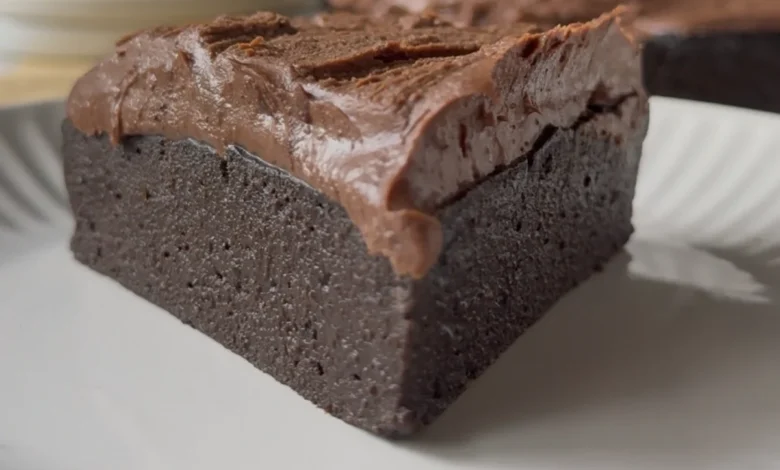
The evolution of modern baking has reached a significant milestone with the development of nutrient-dense, flourless desserts that maintain the structural integrity and sensory experience of traditional baked goods. A prominent example is the rising popularity of the healthy chocolate cake, a recipe that utilizes pumpkin purée as a foundational substitute for conventional wheat flour and processed fats. This innovation addresses a growing consumer demand for allergen-friendly, gluten-free, and refined-sugar-free alternatives, bridging the gap between indulgence and nutritional mindfulness.
The Science of Ingredient Substitution in Baking
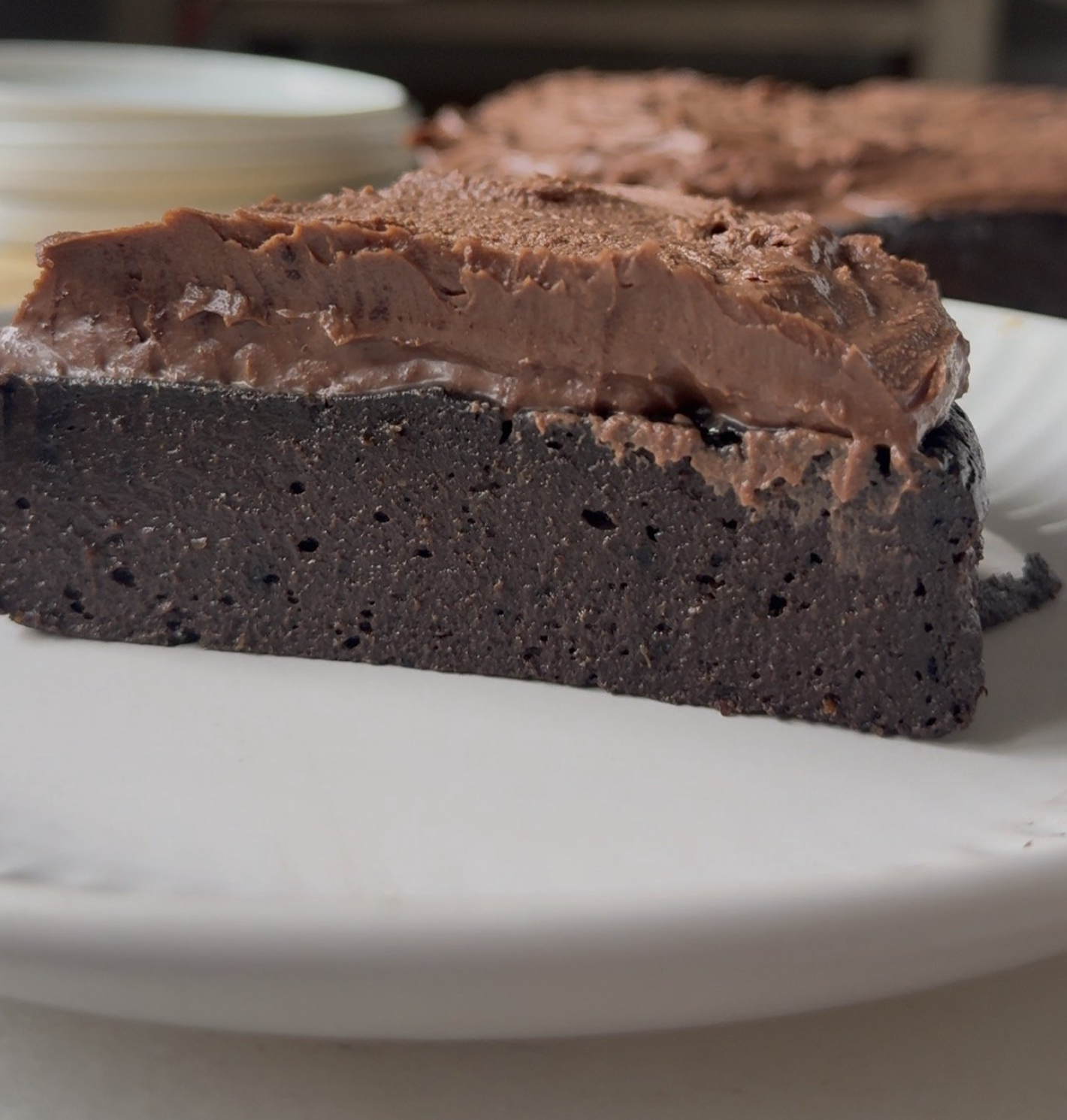
Traditional baking relies heavily on the "starch network" created by wheat flour, which provides the necessary gluten structure for cakes to rise and hold their shape. In the absence of flour, bakers have historically struggled to achieve a desirable texture, often resulting in dense or crumbly products. The transition to vegetable-based binders—specifically pumpkin purée—represents a shift in culinary chemistry.
Pumpkin purée functions as a dual-action agent in this recipe. Its high water content provides the hydration necessary to simulate the moisture of a traditional crumb, while its fibrous composition creates a dense, stable matrix when combined with high-protein binders such as eggs. By incorporating eggs, the structure undergoes a process known as protein coagulation during the baking phase. As the proteins heat, they denature and bond together, effectively trapping air and moisture within the cake’s structure. Because this process is slower than that of starch-based flours, the cake requires a significant cooling period to reach its final, firm consistency.
Nutritional Implications and Consumer Trends
The shift toward flourless, vegetable-forward desserts aligns with broader dietary trends identified by food scientists and health researchers. According to recent data from the Global Health and Wellness Institute, there has been a 15% year-over-year increase in consumer interest regarding "stealth health" recipes—dishes that incorporate vegetables into desserts without altering the flavor profile.
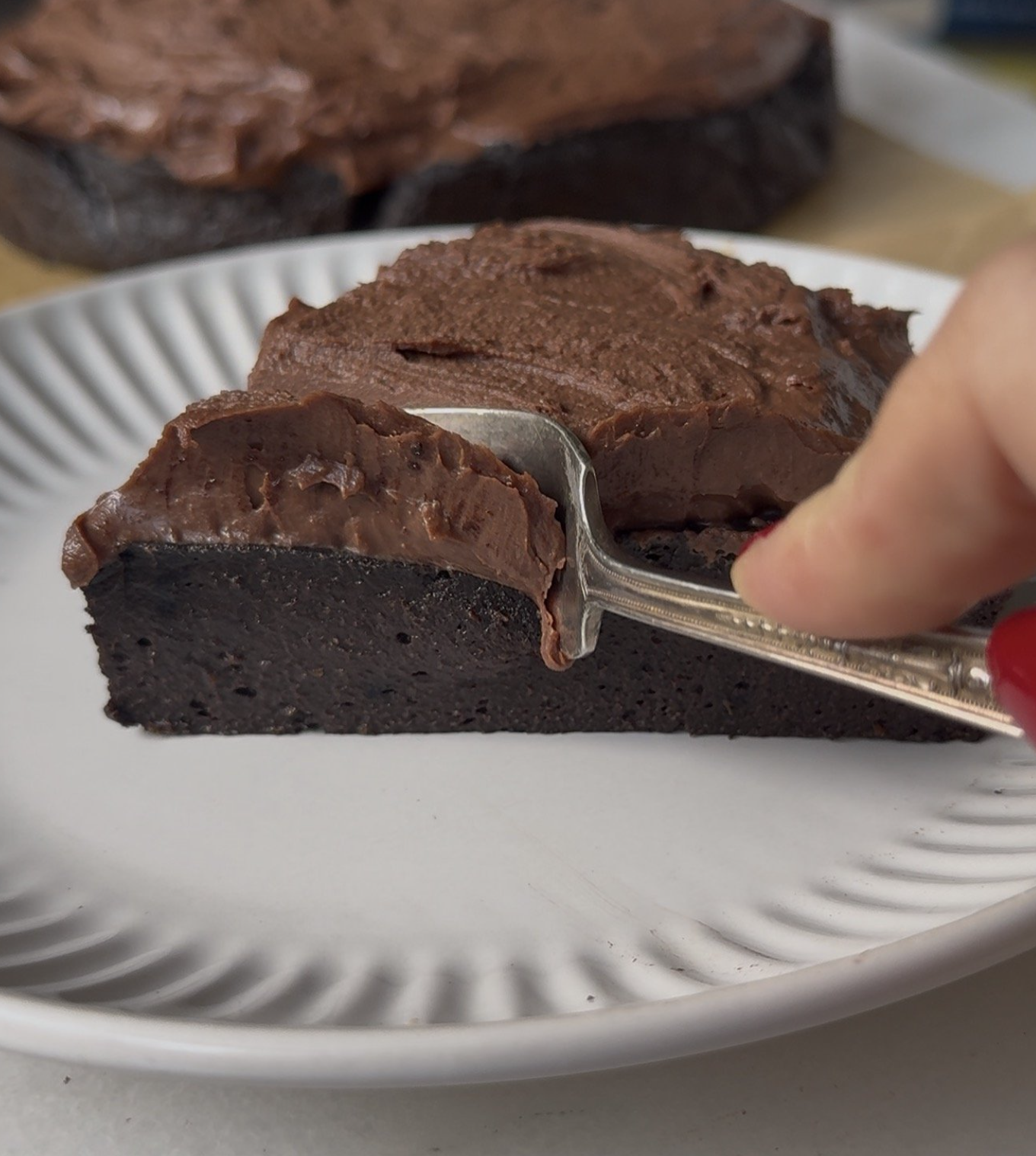
By eliminating refined sugars and processed oils in favor of natural sweeteners like maple syrup or honey, and utilizing the fiber-rich profile of pumpkin, this cake offers a more stable glycemic response than its traditional counterparts. While a standard slice of chocolate cake typically relies on high-glycemic white flour and butter, this variation leverages the micronutrient density of pumpkin, which is high in Vitamin A and antioxidants. This transition is not merely about calorie reduction; it is about replacing processed "empty" calories with whole-food ingredients that contribute to satiety.
Chronology of Preparation and Technical Requirements
The successful execution of this dessert requires adherence to a specific technical process, largely due to the unique properties of the ingredients. Unlike conventional cakes that can be sliced shortly after cooling, this flourless variant demands a minimum four-hour cooling window.
- Preparation Phase (0-15 minutes): The oven is preheated to 350 degrees Fahrenheit. The use of a springform pan is recommended, as the lack of gluten structure makes the cake fragile during removal.
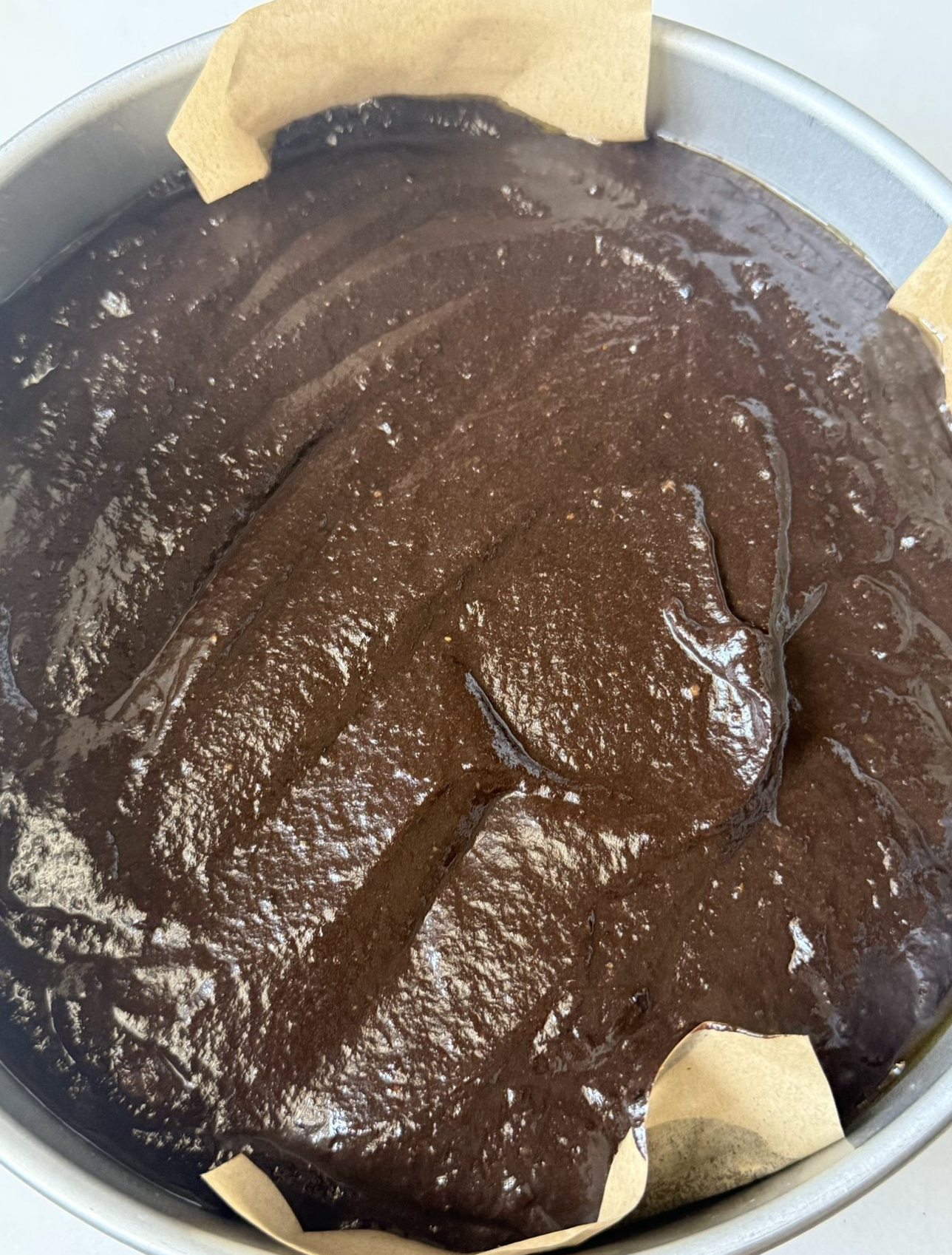
- Mixing Phase (15-25 minutes): All ingredients are combined in a single vessel. The absence of dry-to-wet ingredient mixing, typically required for gluten development, simplifies the process.
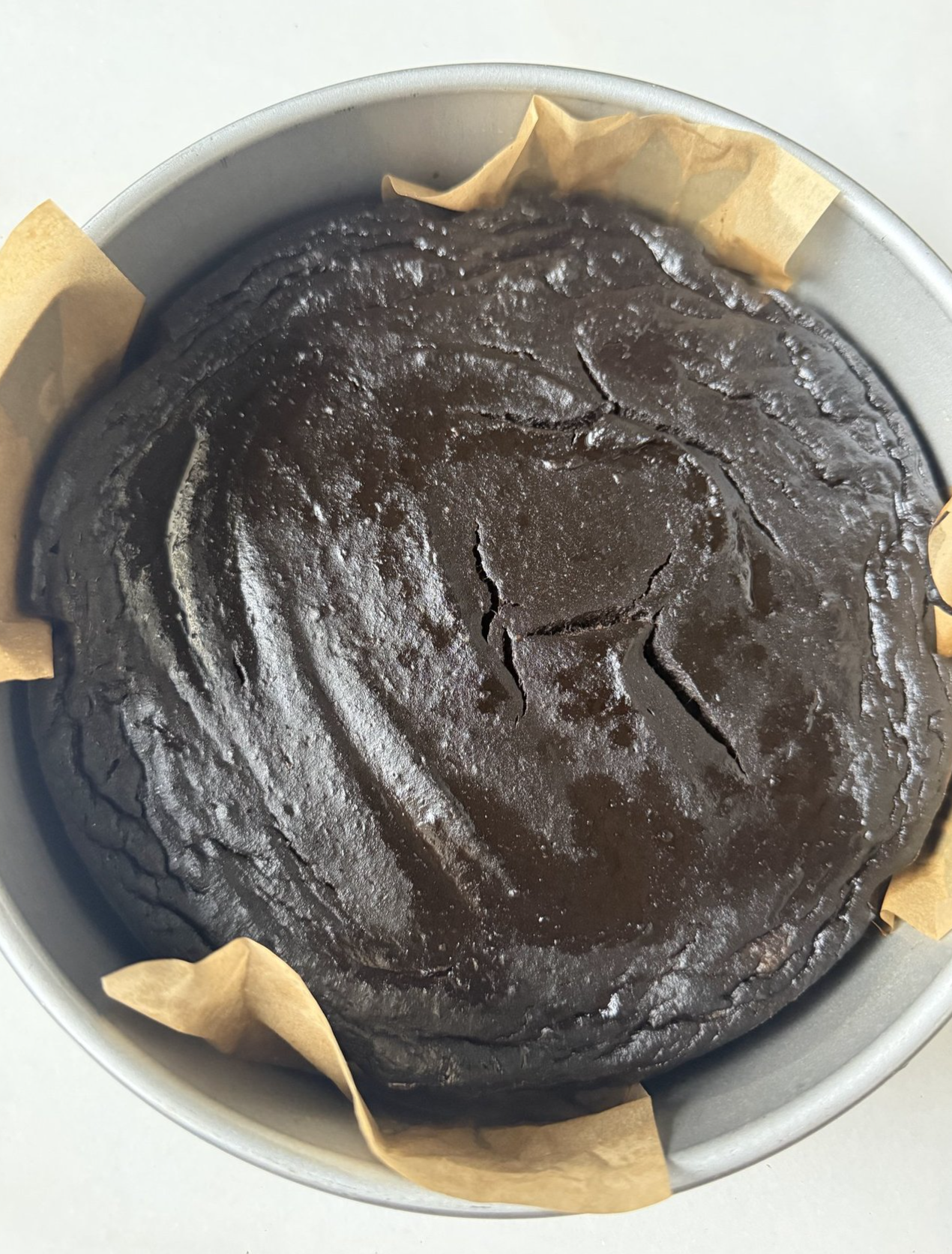
- Baking Phase (60-65 minutes): The cake is baked until the center is set. Monitoring is crucial, as overbaking can lead to the evaporation of the moisture required to maintain the "fudgy" texture.
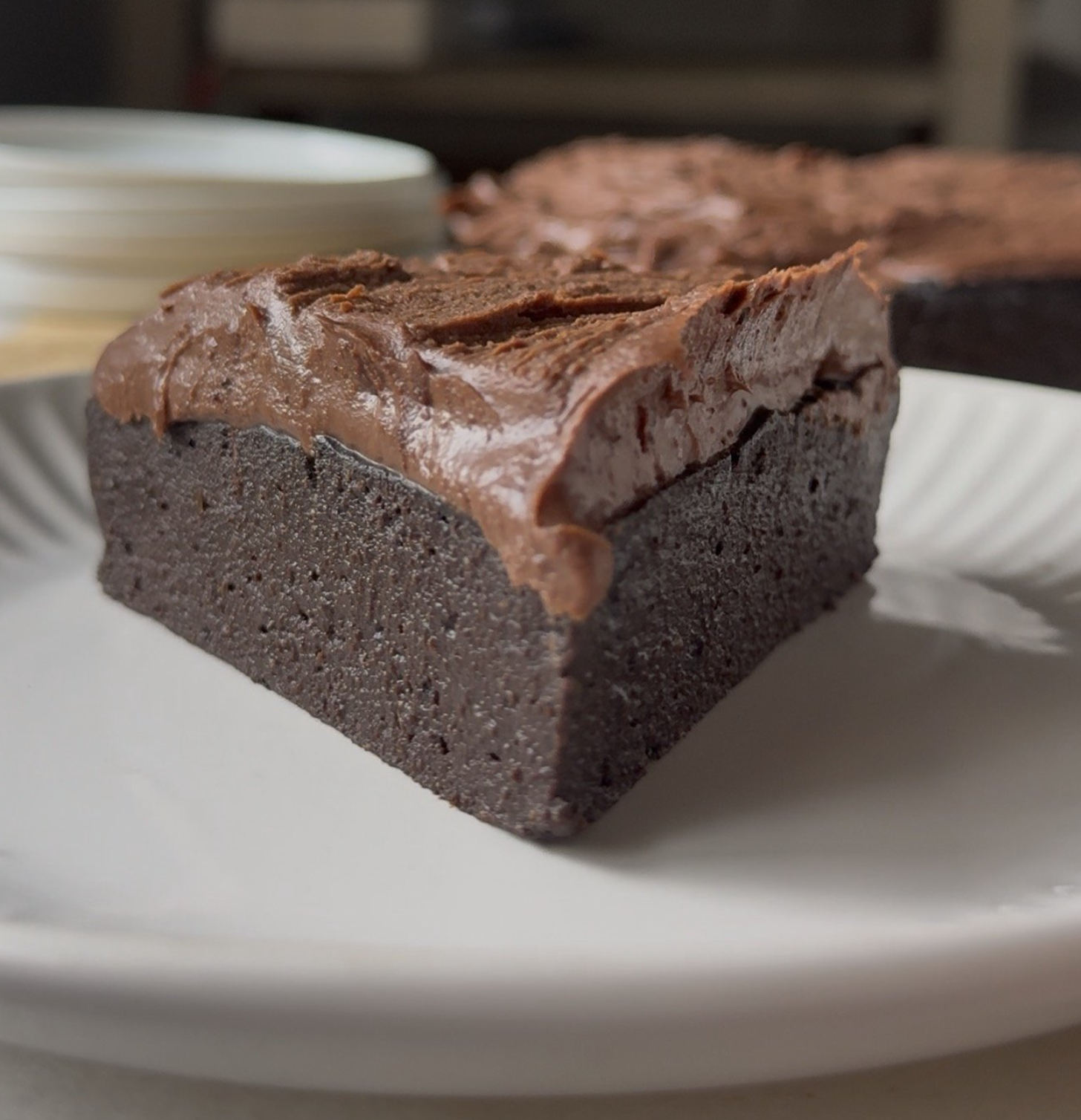
- Stabilization Phase (4-6 hours): The cake must be cooled, ideally including two hours in a refrigerated environment. This is when the protein coagulation completes, transitioning the dessert from a liquid-like state to a sliceable, firm, and decadent texture.
Analytical Perspectives on Culinary Adaptability
Culinary experts note that the success of this recipe lies in the dominance of dark cocoa powder. With three-quarters of a cup of high-quality cocoa, the flavor profile is sufficiently robust to mask the earthy notes of the pumpkin, ensuring the final product remains distinctly "chocolatey."
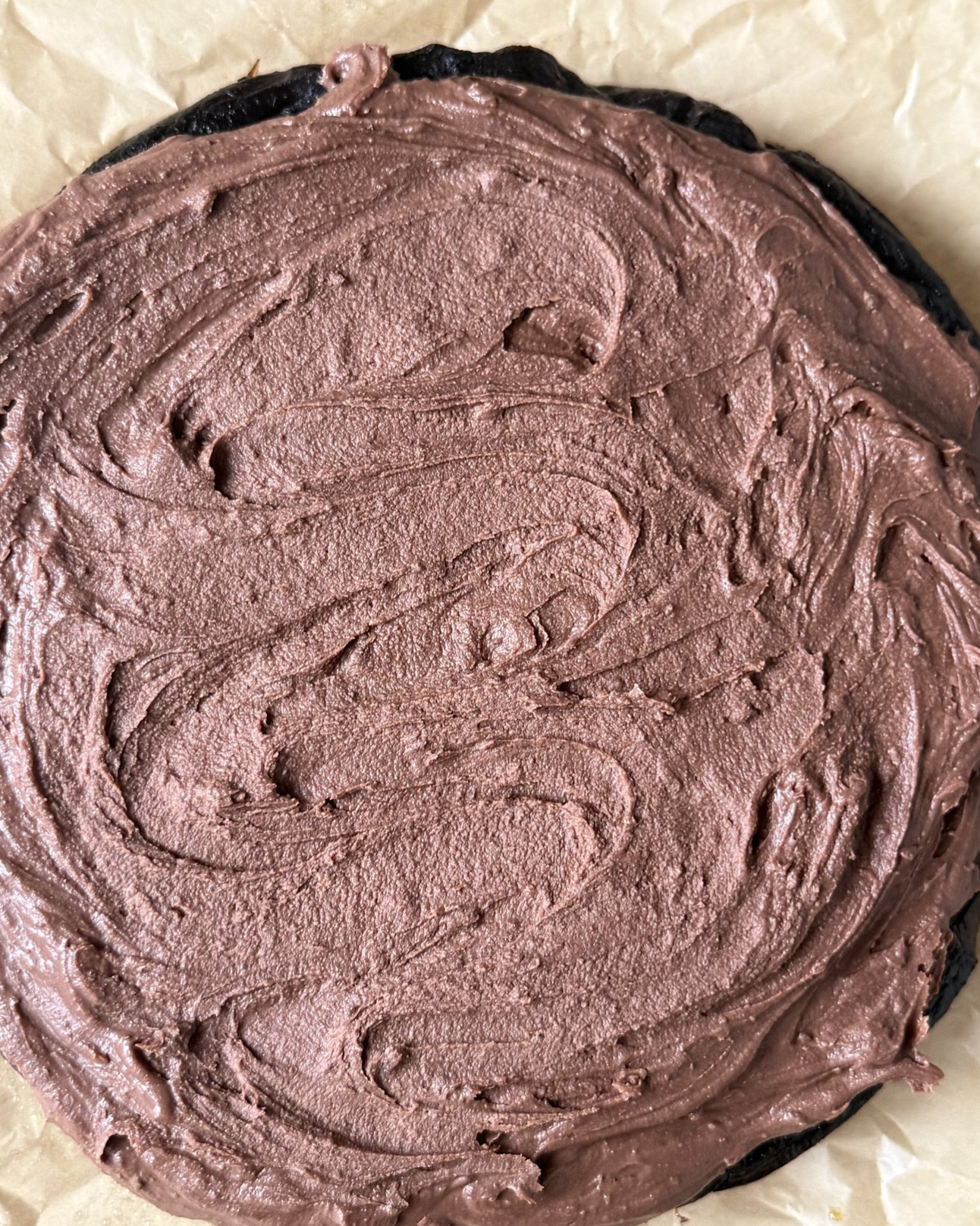
This adaptability extends to dietary restrictions. For instance, the use of heavy whipping cream in the two-ingredient ganache can be swapped for full-fat canned coconut cream to facilitate a dairy-free requirement. Such substitutions have been tested by professional kitchens to ensure the emulsion of fat and chocolate remains stable, highlighting the versatility of this base recipe for diverse consumer needs.
The Broader Impact on Home Baking
The proliferation of recipes like this suggests a shift in the domestic culinary landscape. Home bakers are increasingly moving away from specialty "gluten-free" flours, which are often expensive and highly processed, and toward whole-food alternatives. This trend is supported by supply chain analysis, which indicates a steady rise in the retail sales of canned pumpkin purée outside of the traditional autumn holiday season.
Furthermore, the economic implications are notable. By utilizing five core ingredients—pumpkin, eggs, maple syrup, cocoa powder, and dark chocolate—this recipe reduces the "pantry bloat" often associated with complicated baking projects. It offers a streamlined, cost-effective solution for households managing multiple dietary sensitivities, including celiac disease and lactose intolerance.
Quality Control and Troubleshooting
A common issue in flourless baking is the moisture content of the base ingredient. If the pumpkin purée is too watery, the cake will fail to set, regardless of the baking time. Professional bakers recommend the "blotting" technique: utilizing a paper towel to remove excess surface moisture from the purée before it is measured. This ensures that the water-to-protein ratio remains consistent with the structural requirements of the recipe.
Additionally, the choice of pan is vital. A springform pan, which allows the sides to be removed, eliminates the need for inverting the cake, which is a major point of failure for flourless recipes. If a standard pan is used, the use of parchment paper extending above the rim is necessary to serve the cake directly from the vessel.
Conclusion and Future Outlook
The rise of the healthy, flourless chocolate cake is a testament to the sophistication of modern home cooking. By prioritizing the structural properties of whole foods, bakers can create indulgent, high-quality desserts that satisfy the demand for both health and flavor. As consumer awareness continues to evolve, it is likely that such recipes will become staples in the modern kitchen, serving as a template for further experimentation with nutrient-dense, unprocessed ingredients. Whether for the holiday table or a standard weeknight, the ability to produce a rich, fudgy, and allergy-conscious cake using only a handful of ingredients marks a significant improvement in the accessibility of nutritious home baking.