The arrival of autumn reliably shifts culinary focus toward seasonal produce, with Cucurbita—commonly known as pumpkin—taking center stage in kitchens across North America. While traditional preparations typically center on classic holiday desserts such as pumpkin pie, contemporary home cooking has increasingly embraced the squash for its nutritional density and versatility across the entire menu. Food and nutrition experts note that canned pumpkin puree, a staple of modern pantries, allows for year-round culinary experimentation, though consumption peaks sharply between September and November. Culinary historians trace the integration of pumpkin into North American diets back to indigenous agriculture, where it served as a vital caloric source before European settlers adapted it into baked goods and stews. In recent years, public health initiatives focusing on whole foods and nutrient-dense eating have driven a surge in demand for recipes that incorporate pumpkin into breakfast items, savory dinners, and alternative snacks, shifting the vegetable’s reputation from a holiday-only novelty to an everyday pantry essential.
Nutritional Profile and Dietary Implications of Pumpkin
From a dietary standpoint, pumpkin offers a robust matrix of vitamins, minerals, and dietary fiber that aligns with current nutritional guidelines recommended by organizations such as the American Heart Association and the Academy of Nutrition and Dietetics. A single cup of cooked or canned pumpkin provides more than double the recommended daily intake of Vitamin A in the form of beta-carotene, an antioxidant crucial for ocular health, immune function, and cellular integrity. Furthermore, pumpkin is low in calories and sodium while supplying a moderate amount of potassium and iron.
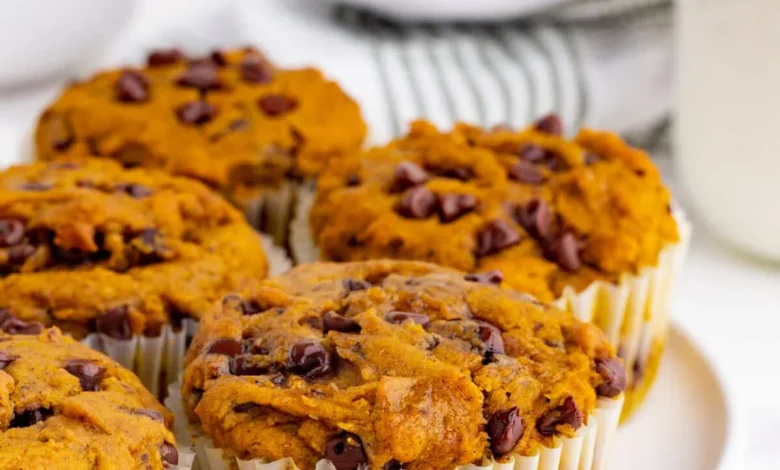
Dietary analysts emphasize that substituting fat or refined flour with pumpkin puree in baked goods can significantly reduce overall caloric density while enhancing moisture content. This functional attribute has made pumpkin a favorite among culinary developers seeking to design recipes tailored to families managing dietary restrictions or seeking to increase their children’s vegetable consumption. Public health advocates often highlight that introducing vegetables through familiar formats—such as pancakes, muffins, or savory pasta dishes—helps overcome childhood neophobia regarding new foods. Consequently, recipe developers have expanded their repertoires beyond confections to include high-protein options, fiber-rich soups, and complex carbohydrate-based mains like quinoa-infused chilis and whole-grain breads.
Breakfast and Morning Innovations

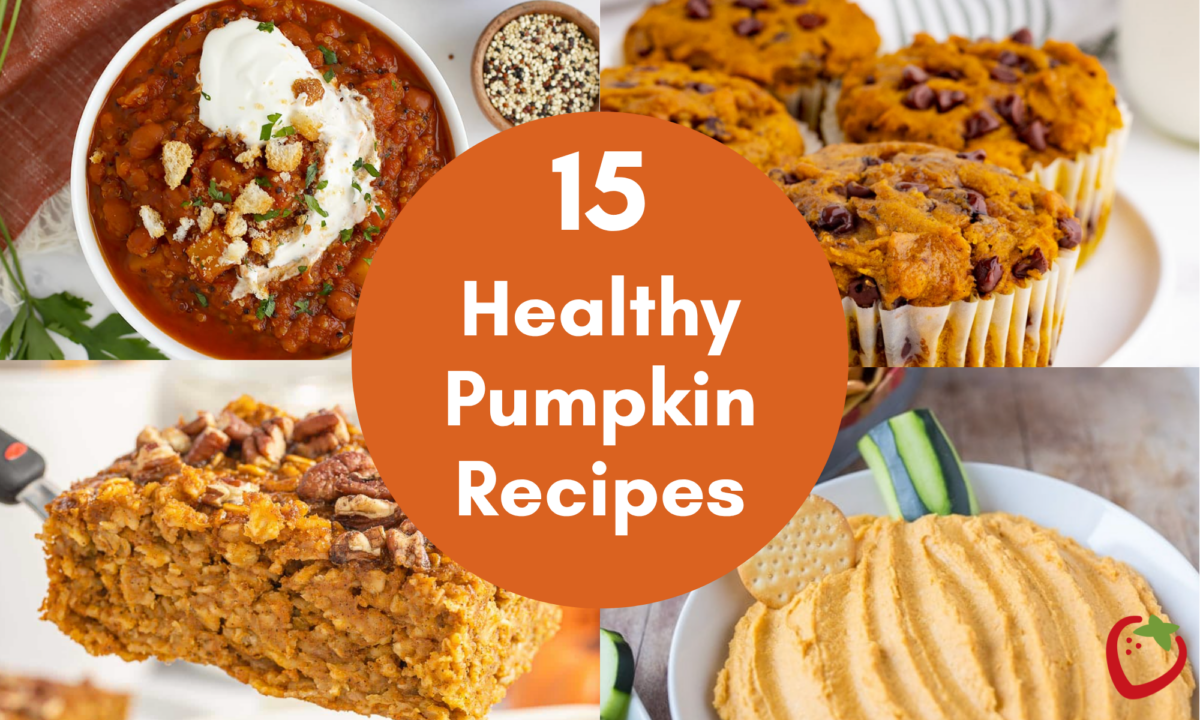
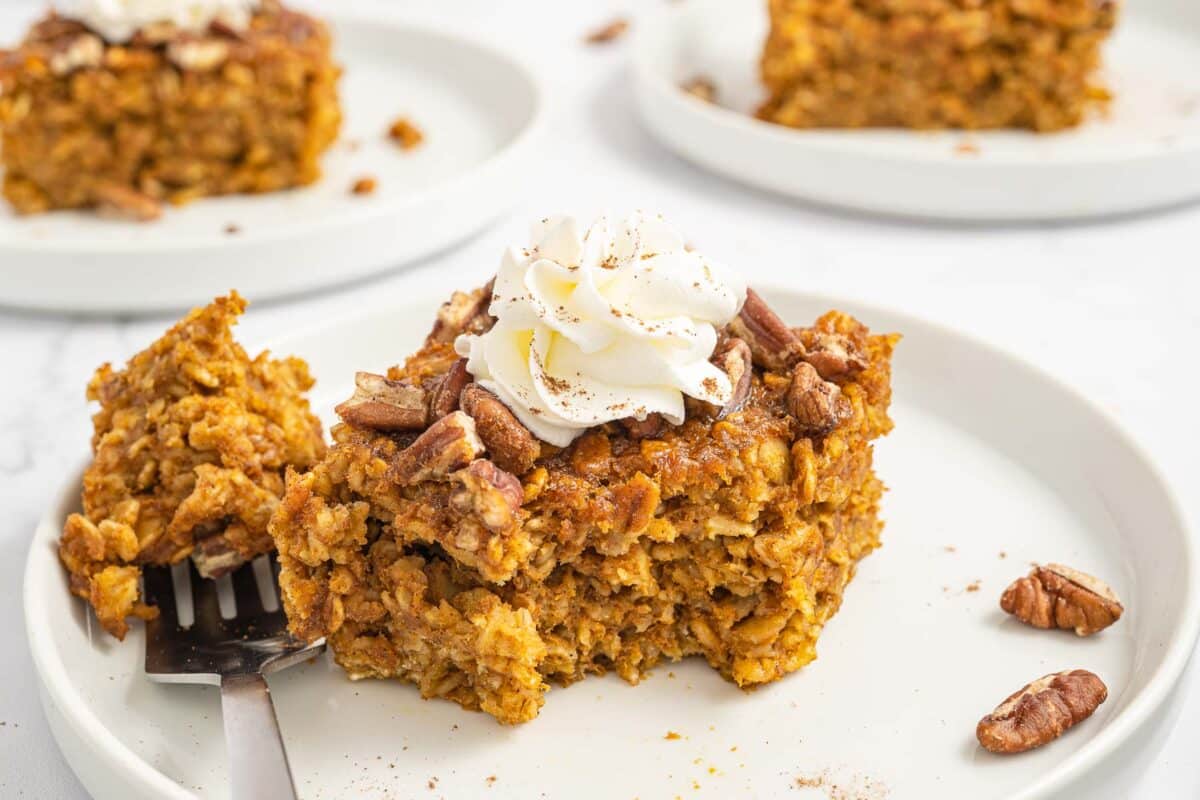
The morning meal represents one of the most popular avenues for incorporating pumpkin into the daily diet. Traditional breakfast staples have been successfully reformulated to feature pumpkin puree alongside nutrient-dense ingredients like Greek yogurt, whole wheat flour, and rolled oats. High-protein pumpkin pancakes, for instance, utilize dairy-based proteins to balance the carbohydrate load, providing sustained energy for school-aged children and working adults alike. Similarly, baked pumpkin oatmeal and pumpkin streusel oat muffins offer meal-prep efficiencies, addressing the time constraints faced by modern households during busy weekday mornings.
Nutritional scientists point out that pairing pumpkin with complex carbohydrates and healthy fats—such as those found in pecans, almond butter, or coconut oil—enhances the bioavailability of fat-soluble vitamins like Vitamin A. Culinary tests demonstrate that warm autumn spices frequently paired with pumpkin, including cinnamon, ginger, and nutmeg, not only impart characteristic flavor profiles but also contain antioxidant and anti-inflammatory properties that complement the health benefits of the squash itself.

Savory Applications and Dinner Integration
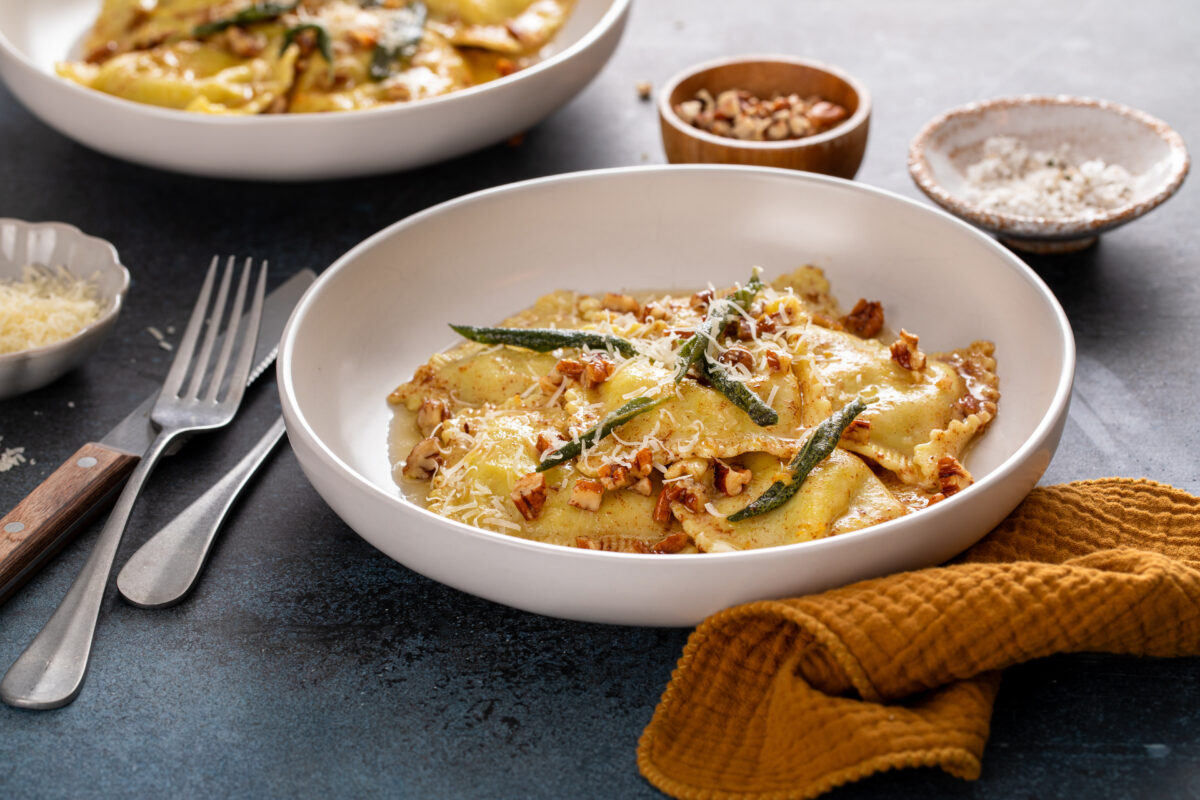
While sweet applications dominate public awareness, the culinary versatility of pumpkin extends seamlessly into savory lunch and dinner entrees. Food scientists and chefs attribute this adaptability to pumpkin’s naturally mild, slightly earthy flavor profile, which readily absorbs both savory herbs and bold spices. Dishes such as pumpkin ravioli served with brown butter and sage, baked pumpkin macaroni and cheese, and creamy pumpkin soup demonstrate how the vegetable can substitute for heavy creams and processed fats while maintaining a rich, velvety texture.

In the realm of plant-based dining, pumpkin chili has emerged as a popular option for incorporating legumes and ancient grains. By combining pumpkin puree with black beans, kidney beans, quinoa, and tomatoes, home cooks can create a fiber-rich, nutrient-dense meal that appeals to vegetarian and flexitarian diets. Culinary experts note that the natural starches in pumpkin act as a thickening agent, reducing the need for excessive amounts of added butter or oil in soups and stews. Furthermore, incorporating pumpkin into savory items provides an indirect method of boosting vegetable intake across demographic groups that typically fall short of recommended daily produce consumption targets.
Snacks, Dips, and Alternative Uses
Snack preparation constitutes another major category for pumpkin utilization, bridging the gap between indulgence and nutritional compliance. Recipes such as protein pumpkin spice dip, which combines pumpkin puree with chickpeas, almond butter, and honey, offer a balanced macronutrient profile suitable for mid-day consumption. Similarly, pumpkin hummus introduces savory middle-eastern flavors to the vegetable, pairing well with raw vegetables and whole-grain pita bread.
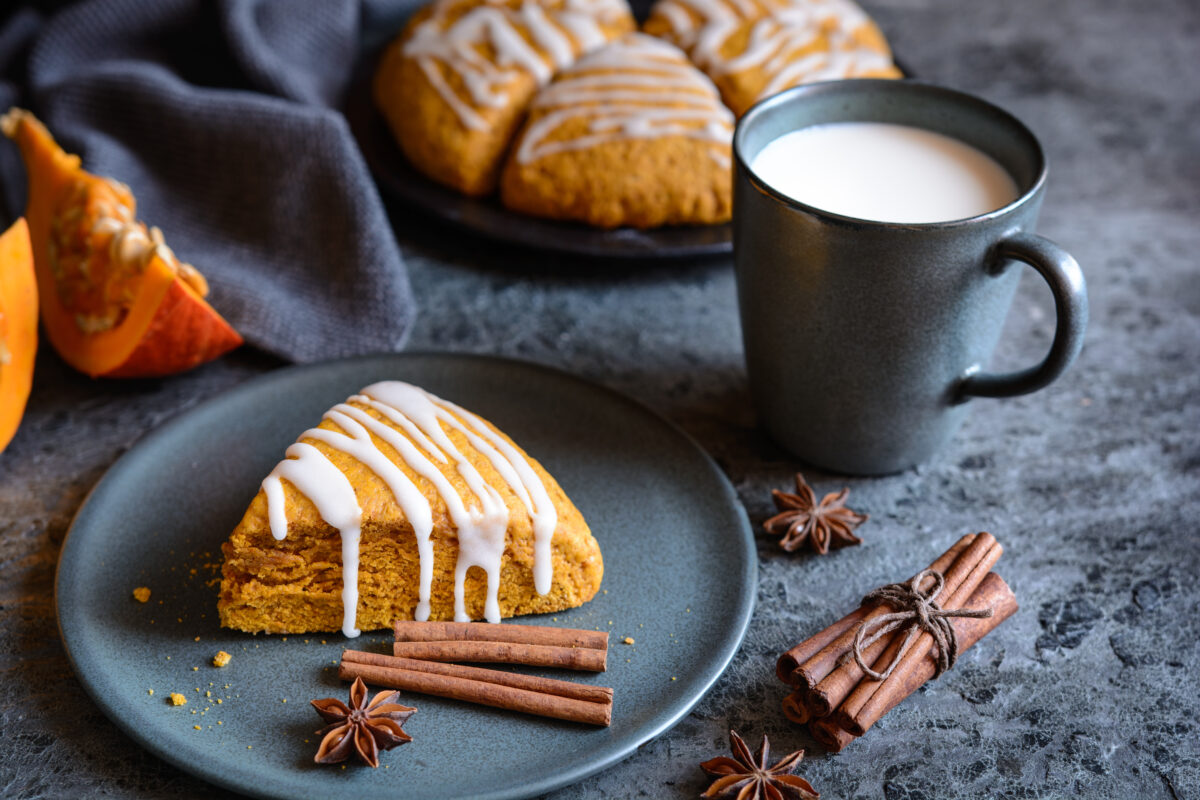
Baking enthusiasts have also adapted snack items such as cookies and scones to maximize the moisture-retaining properties of pumpkin. These formulations often reduce refined sugars by leveraging the natural sweetness of maple syrup and the moisture of the puree, allowing for lower fat usage without compromising texture. Food safety specialists recommend that any leftover canned pumpkin be stored properly in airtight containers or frozen in portioned trays—such as ice cube molds—to minimize food waste, noting that opened canned goods should be transferred from metal containers immediately upon opening.

Industry Trends and Consumer Education
The commercial market for pumpkin products experiences predictable seasonal fluctuations, with grocery retailers reporting significant spikes in canned pumpkin sales beginning in October. Agricultural economists indicate that the vast majority of commercial pumpkin puree consumed in North America is derived from specific varieties of Dickinson squash, which are cultivated for their smooth texture, deep color, and high sugar content compared to traditional carving pumpkins. Consumer advocacy groups consistently emphasize the importance of label reading, distinguishing between 100% pure pumpkin puree and pre-mixed pumpkin pie filling, which contains added sugars and spices that can disrupt the balance of savory or specialized health recipes.
As consumer interest in functional foods continues to grow, culinary trends suggest that pumpkin will remain a staple of autumn and winter meal planning. Nutritional researchers anticipate ongoing interest in developing standardized recipes that maximize the vegetable’s micronutrient retention while meeting the practical demands of modern family schedules. By balancing traditional flavor expectations with contemporary nutritional science, home cooks and professional chefs alike continue to expand the boundaries of how pumpkin is utilized in everyday gastronomy.
Related posts: