The 15-Minute Caramelized Apple Slices Recipe That Is Taking Home Kitchens by Storm

In the landscape of modern home cooking, culinary trends frequently swing between hyper-elaborate multi-step preparations and ultra-minimalist assembly. However, a quiet resurgence is taking place in kitchens nationwide centered around a deceptively simple comfort food: 15-minute caramelized apple slices. Combining crisp seasonal fruit, unrefined sweeteners, and aromatic spices, this streamlined stovetop preparation has captured the attention of busy parents, home bakers, and wellness-focused consumers alike. Far from a mere nostalgic treat, this revival reflects a broader cultural shift toward fast, nutrient-dense home cooking that bridges the gap between everyday practicality and gourmet indulgence.
The Anatomy of a Modern Culinary Trend
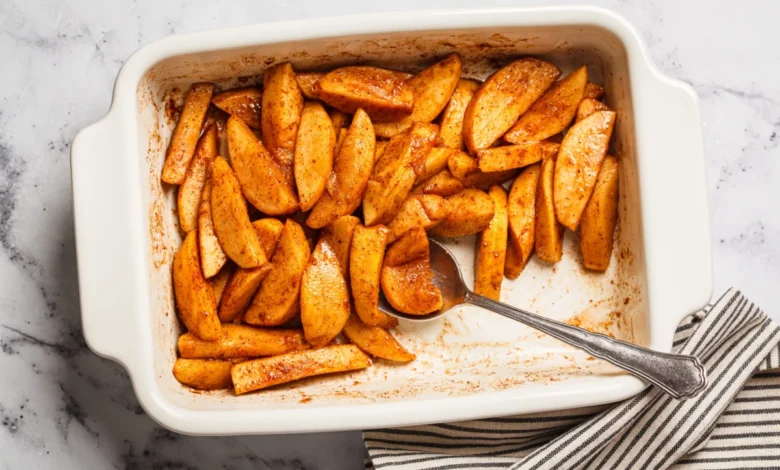
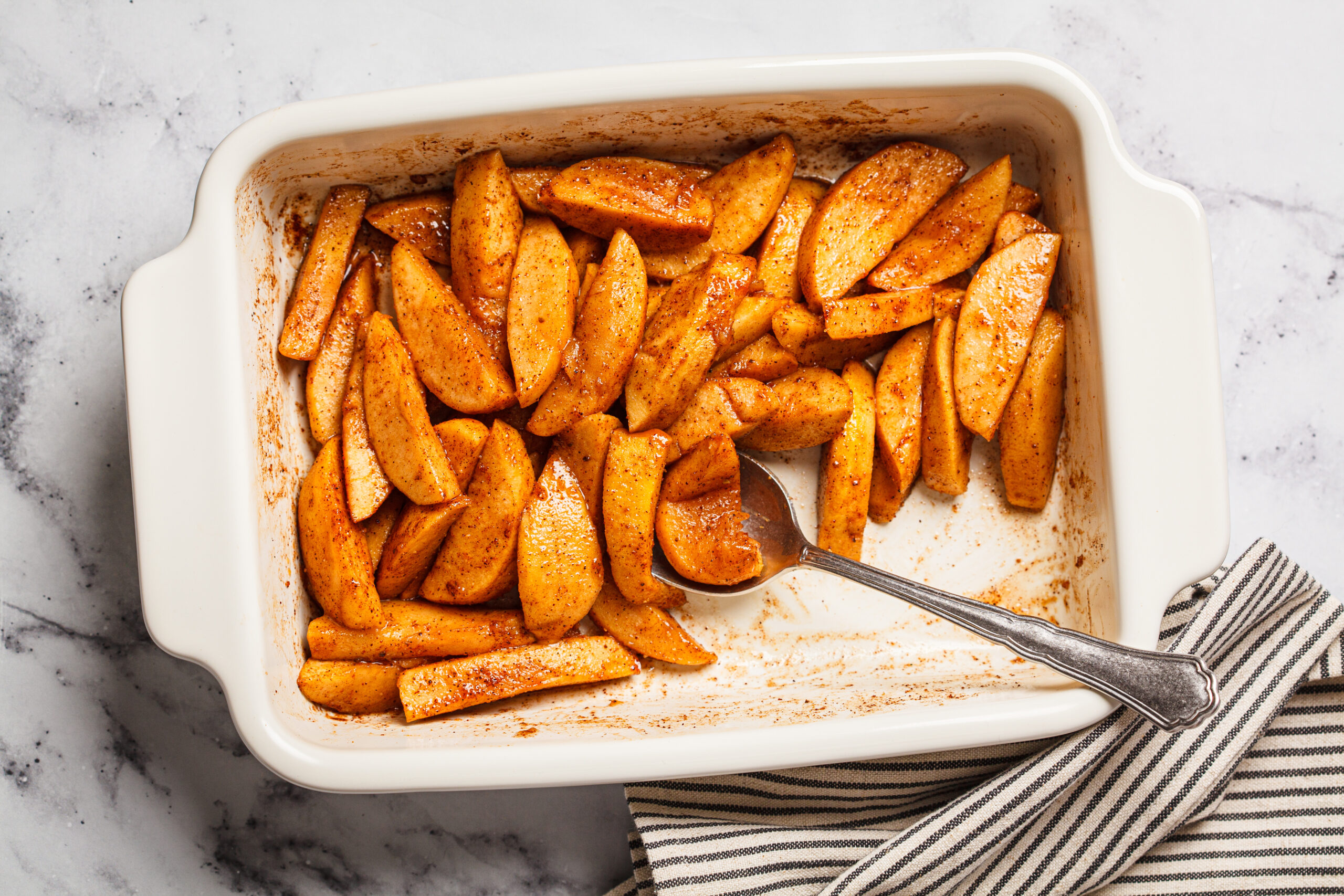
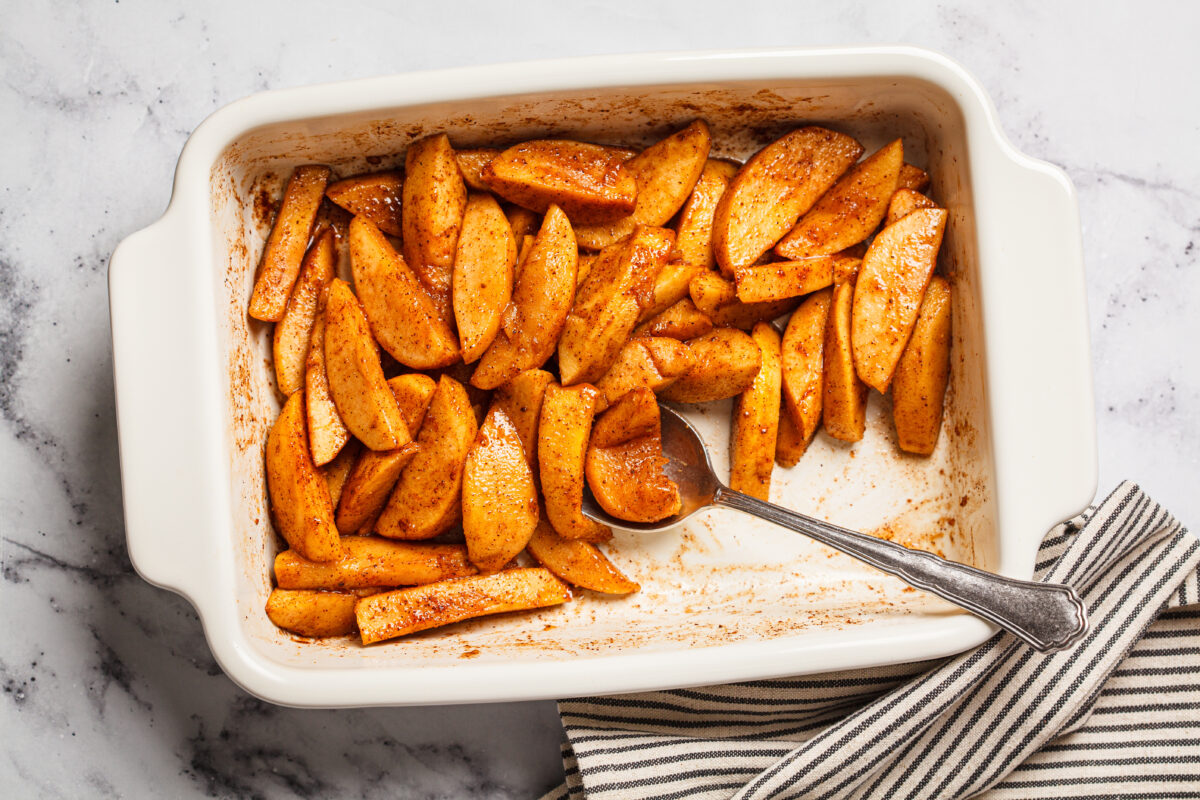
At its core, the recipe relies on standard pantry staples: fresh apples, pure maple syrup, a touch of butter or oil, and ground cinnamon. Despite its humble ingredient list, the technique achieves a complex, dessert-like depth of flavor through precise caramelization. When gently heated in a skillet over medium temperature, the natural sugars within the fruit undergo a Maillard reaction and caramelization, mingling with the botanical sweetness of the maple syrup and the warming properties of the spice.
Culinary experts note that the success of the dish hinges on avoiding overcooking. Slicing the apples to a uniform thickness of approximately one-quarter of an inch ensures they soften adequately while maintaining their structural integrity, preventing them from deteriorating into applesauce. This balance of tenderness and bite has made the preparation remarkably adaptable, transitioning effortlessly from a breakfast condiment to an evening dessert component.
A Brief Chronology of Stovetop Fruit Preparation
The practice of cooking apples with sweet spices is deeply rooted in culinary history, spanning centuries across European, North American, and Asian traditions. Historically, stewing or baking fruits served primarily as a preservation method or a means to soften older, bruised harvests for winter consumption.
In the late 19th and early 20th centuries, apple desserts largely took the form of labor-intensive pies, crisps, and traditional baked apples requiring significant oven times. As domestic lifestyles accelerated through the mid-to-late 20th century, convenience products such as canned pie fillings and microwave-ready apple compotes dominated the market, often at the expense of nutritional value and fresh flavor profiles.
The modern resurgence of the 15-minute skillet method represents a synthesis of traditional flavors and contemporary time constraints. Gaining widespread traction across digital recipe platforms and family wellness sites through the mid-2020s, this approach rejects heavily processed artificial flavorings and excessive refined white sugars in favor of whole-food ingredients. The timeline of its current popularity aligns with a post-pandemic surge in home cooking, where consumers increasingly demand scratch-made meals that require minimal cleanup—typically utilizing just a single skillet—and fit tightly within busy weekday schedules.
Nutritional Analysis and Dietary Implications
From a nutritional standpoint, incorporating fruit preparations lightly sweetened with unrefined alternatives like pure maple syrup offers distinct advantages over traditional high-sugar desserts. Apples are naturally rich in dietary fiber, particularly pectin, which supports digestive health and helps regulate blood sugar levels. They also provide significant quantities of vitamin C and various antioxidant compounds, including quercetin and catechin, which help combat oxidative stress in the body.
Nutritional scientists point out that utilizing maple syrup instead of refined cane sugar introduces trace minerals such as zinc and manganese, alongside antioxidants. However, dietitians emphasize portion moderation, particularly when the fruit is paired with calorie-dense accompaniments like full-fat ice cream or rich cheeses.
To further elevate the nutritional profile of the dish, many home cooks incorporate nutrient-dense mix-ins. For example, adding raw or lightly toasted pecans introduces healthy monounsaturated fats and plant-based protein, while dried cranberries offer a boost of dietary fiber and polyphenols. These customizable additions allow the dish to cater to various dietary preferences, including vegetarian, gluten-free, and clean-eating regimens.
Versatility and Application in Daily Meal Planning
The enduring appeal of caramelized apple slices lies largely in their exceptional versatility. Rather than serving a single culinary purpose, a single skillet of these spiced apples can anchor multiple meals throughout the week.
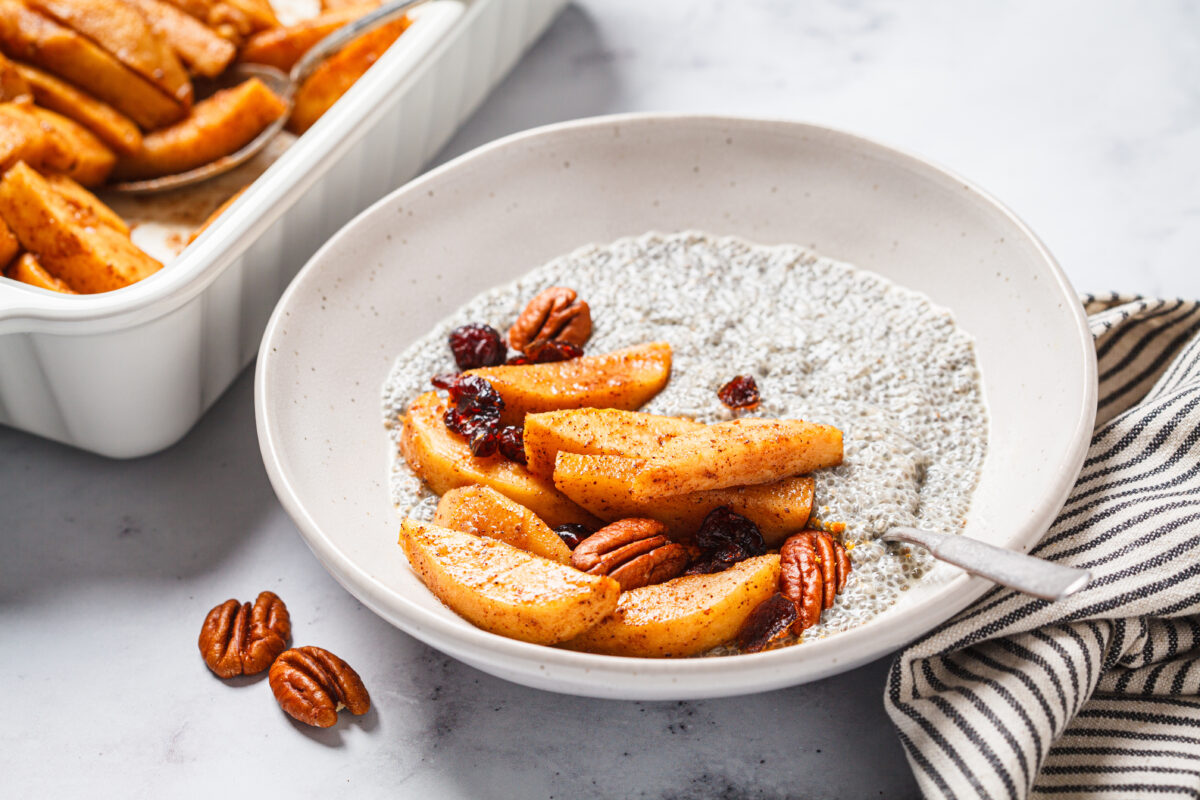
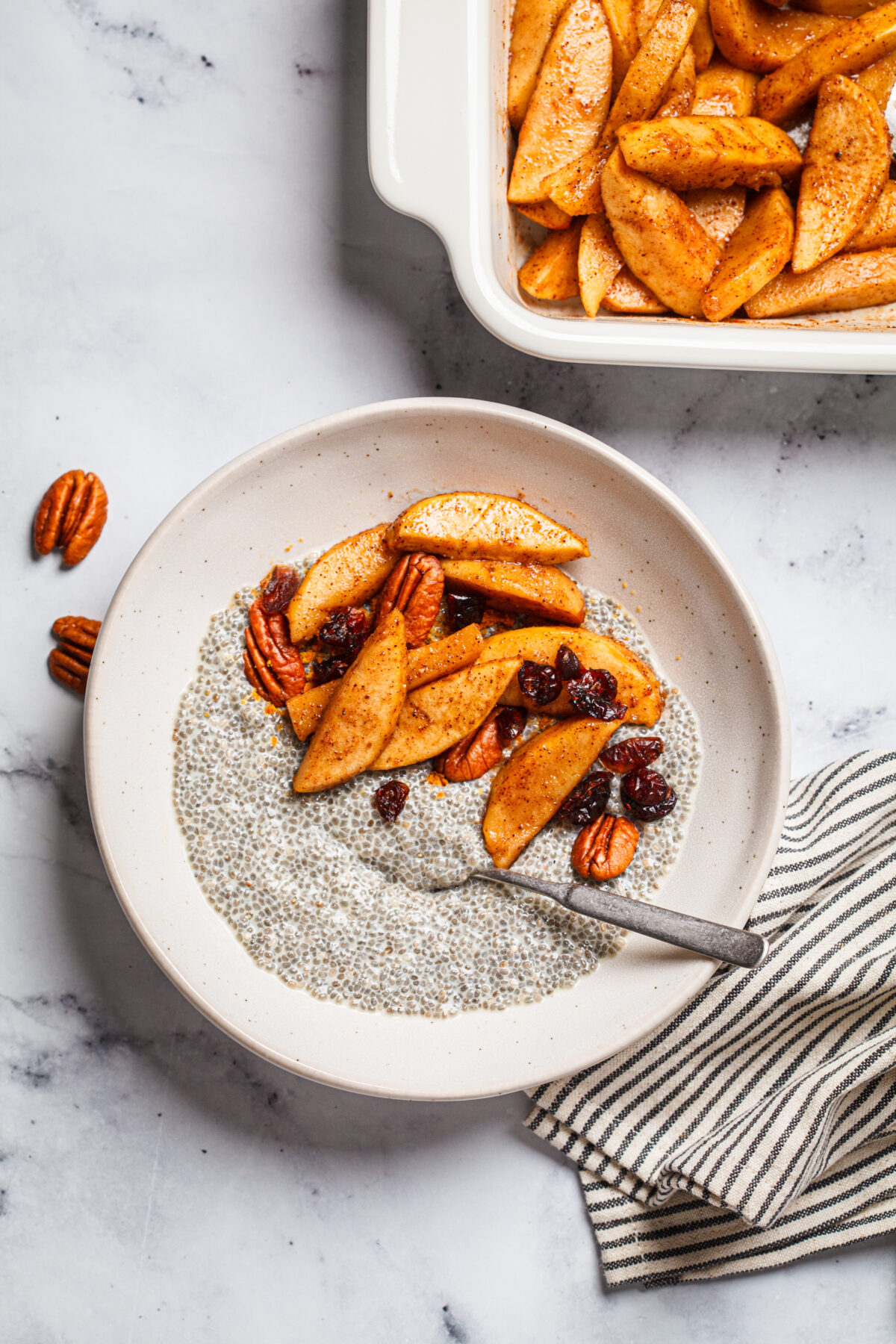
In morning meal planning, the warm slices function as a natural topping for Greek yogurt, overnight oats, chia seed puddings, or traditional buttermilk pancakes, providing a burst of seasonal flavor without the need for artificial syrups. During midday routines, they can be layered into upscale yogurt parfaits combined with homemade granola and toasted nuts. As evening approaches, the same batch transitions effortlessly into a comforting dessert when served warm over a scoop of vanilla bean ice cream or paired with pound cake.
Furthermore, the preparation accommodates diverse palate preferences within households. Parents frequently utilize the base recipe as a neutral, mild fruit side for younger children, while adults can easily customize their individual portions by folding in toasted walnuts, pumpkin seeds, shredded coconut, or a dash of nutmeg.
Storage, Preservation, and Food Safety Protocols
Practicality remains a defining characteristic of the 15-minute caramelized apple recipe. Because modern households frequently meal-prep to save time, understanding proper storage and reheating protocols is essential.
According to standard food safety guidelines, cooked fruit dishes should be allowed to cool completely at room temperature before being transferred to an airtight container. When stored promptly in the refrigerator at or below 40 degrees Fahrenheit, the caramelized apple slices maintain their texture and flavor profile for up to four days.
Reheating can be accomplished efficiently on the stovetop over low heat with a splash of water or apple cider to restore moisture, or in a microwave-safe dish in short intervals. Notably, the chilled apples also retain a pleasant taste profile when consumed cold, making them a convenient grab-and-go addition to cold breakfast bowls or lunchboxes.
Broader Economic and Agricultural Impact
The popularity of quick-cooking apple recipes also intersects with agricultural trends and food waste reduction initiatives. Apples remain one of the most widely cultivated and economically significant fruit crops globally, with peak harvest seasons occurring throughout the autumn months.
Agricultural economists note that home-use recipes providing creative solutions for surplus or slightly overripe fruit play a meaningful role in reducing household food waste. By transforming bruised or soft apples—which might otherwise be discarded—into a gourmet-quality side dish or topping, consumers maximize their grocery investments while supporting local agricultural supply chains.
Looking Forward: The Future of Fast, Whole-Food Desserts
As consumer preferences continue to trend away from ultra-processed convenience foods toward transparent, nutrient-conscious alternatives, preparation methods that emphasize simplicity and speed will likely remain dominant in domestic kitchens. The 15-minute caramelized apple recipe exemplifies this evolution, proving that exceptional culinary experiences do not require extensive hours of labor or complicated equipment.
By marrying timeless flavor combinations with modern efficiency, this unassuming skillet dish has secured its place as a staple of contemporary home cooking, offering a reliable blueprint for turning everyday ingredients into moments of comfort.
Related posts: