The Rise of the Fall-Inspired Apple Cinnamon Monkey Bread: A Modern Baking Phenomenon

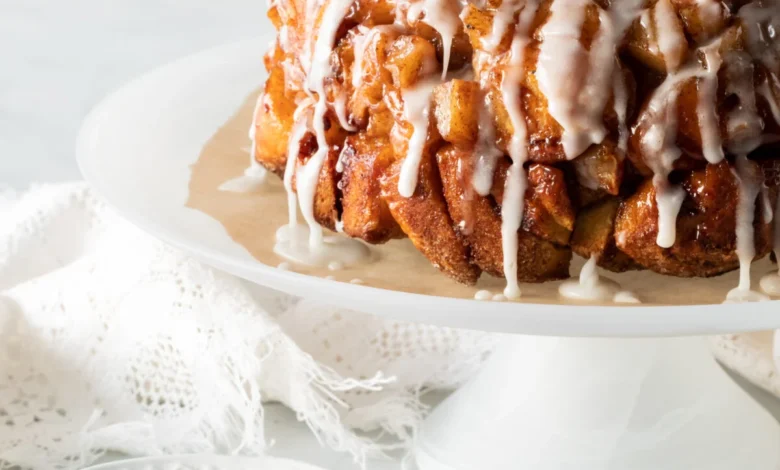
As the culinary world pivots toward autumnal comfort foods, home bakers and specialty food blogs are increasingly embracing hybrid baked goods that combine convenience with traditional flavors. Among the seasonal favorites gaining widespread traction this year is the Apple Cinnamon Monkey Bread, a pull-apart pastry that merges the gooey, caramel-coated nature of classic monkey bread with the crisp, tart profile of fresh orchard apples. Originally rooted in mid-20th-century American domestic baking, monkey bread has evolved significantly over the decades. Today, culinary experts and food publishers are utilizing time-saving commercial ingredients—most notably refrigerated biscuit dough—to democratize the baking process, allowing families to produce complex, multi-textured pastries without the traditional multi-hour yeast-rise timeline.
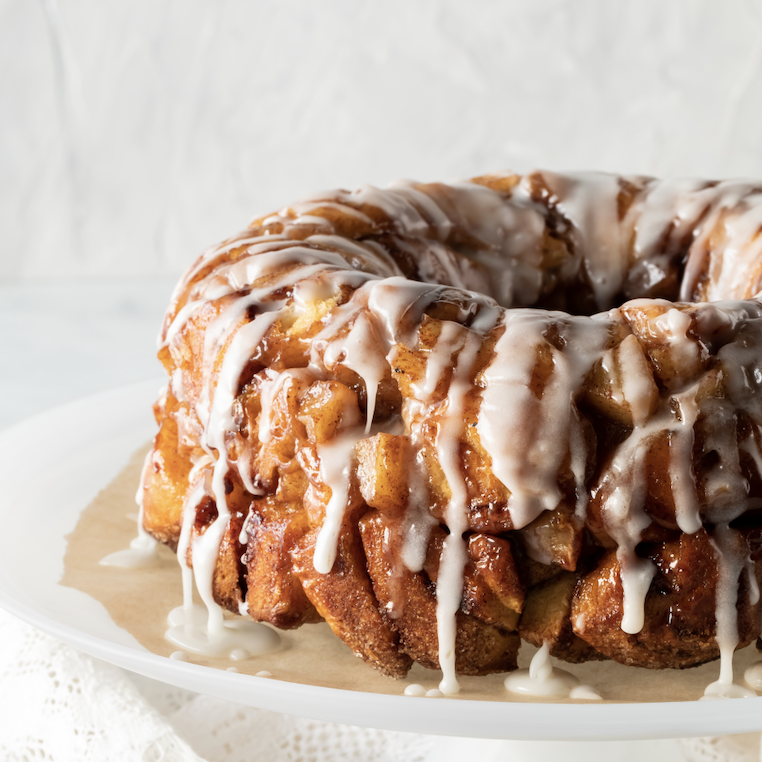
The historical trajectory of monkey bread in American cuisine dates back to the mid-1900s, with recipes appearing under various names such as "Hungarian coffee cake" and "pinch-pull bread." The treat gained national prominence in the 1950s when recipes began circulating widely in women’s magazines and community cookbooks. Traditionally, the dish required preparing a rich yeast dough from scratch, kneading it, allowing it to rise twice, cutting it into fragments, and rolling each piece in butter and sugar before baking it in a specialized bundt or tube pan.
In recent years, however, consumer preferences have shifted toward efficiency without sacrificing sensory appeal. The modern iteration of the Apple Cinnamon Monkey Bread leverages refrigerated biscuit dough, a convenience product that revolutionized home baking in the latter half of the 20th century. By substituting scratch-made yeast dough with canned biscuits, home cooks have reduced total preparation time to roughly twenty minutes, transforming a laborious weekend project into an accessible weekday or holiday morning option. Culinary data from food networks and recipe publishers indicate that searches for autumn-themed breakfast breads spike by upwards of 140% between September and November, highlighting a sustained consumer demand for high-comfort, shareable morning meals.
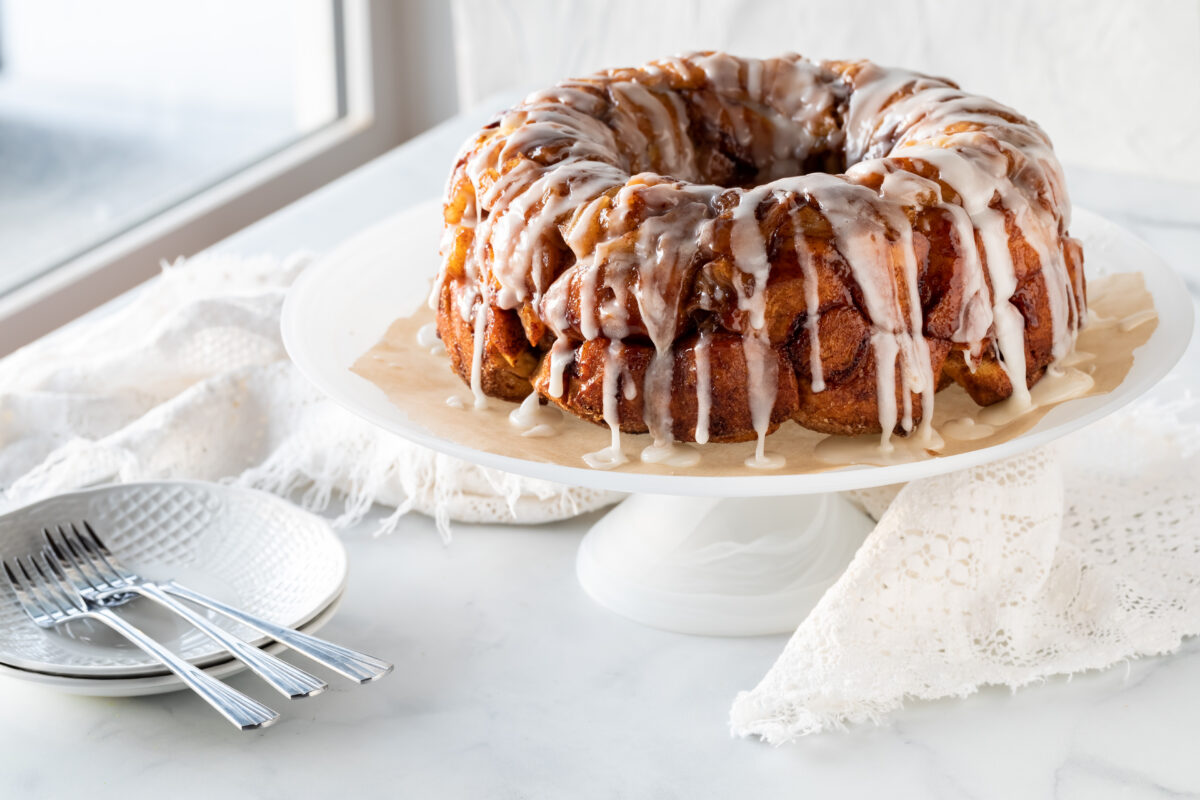
Achieving the ideal balance of texture and flavor in apple cinnamon monkey bread requires precise ingredient selection and technique. According to culinary specialists, the choice of apple is paramount. Varieties that maintain their structural integrity under high oven temperatures—such as Honeycrisp, Granny Smith, Braeburn, and Jonathan—are strongly recommended over softer varieties like McIntosh, which tend to disintegrate and release excess moisture. Excess liquid from the fruit can interfere with the dough’s ability to bake evenly, occasionally resulting in a soggy interior. To mitigate this, recipe developers advise dicing the fruit into uniform one-quarter-inch pieces and patting them dry before layering them within the dough.
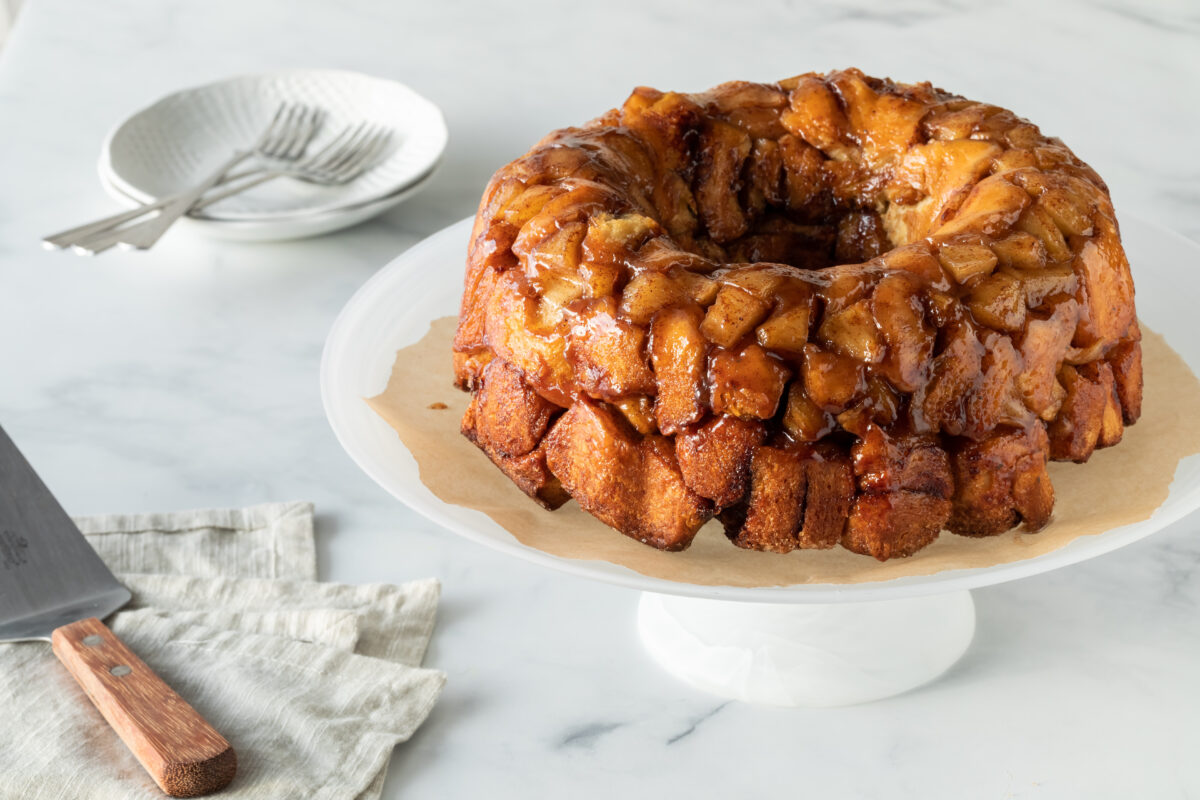
Furthermore, the chemical interaction between brown sugar, melted butter, and the heat of the oven creates a localized caramelization process. As the sugar and butter mixture bubbles down the sides of the bundt pan, it coats the exterior of the biscuit and apple layers, forming a rich, sticky glaze that hardens slightly upon cooling. Culinary analysts note that this interactive, pull-apart design inherently encourages communal dining, making the pastry a popular centerpiece for holiday brunches, family gatherings, and community events.
Nutritional and culinary analyses of modern convenience-based baked goods reveal shifting consumer habits regarding home cooking. While traditional pastries often require advanced culinary skills, the reliance on pre-made doughs lowers the barrier to entry for novice cooks and families with children. Nutritionists and food economists observe that baking acts as a significant therapeutic and social outlet, particularly during transitional weather seasons. The sensory experience of baking—specifically the aromatic profile of heated cinnamon, brown sugar, and baking dough—is frequently cited in consumer surveys as a primary driver of seasonal food preparation.
Despite its accessibility, professional bakers emphasize that certain technical pitfalls can compromise the final product. Common issues include underbaked centers, where the exterior browns rapidly while the innermost dough remains dense, and structural failures during the inversion process, where the caramelized sugar adheres to the pan. Experts recommend utilizing a thoroughly greased bundt or tube pan, allowing the baked bread to rest for precisely ten minutes to let the caramel set without hardening permanently, and testing the center for doneness prior to removal. For those seeking dietary modifications, the base recipe accommodates various inclusions, ranging from chopped pecans and walnuts to cream cheese pockets and alternative spice blends like apple pie or pumpkin spice.
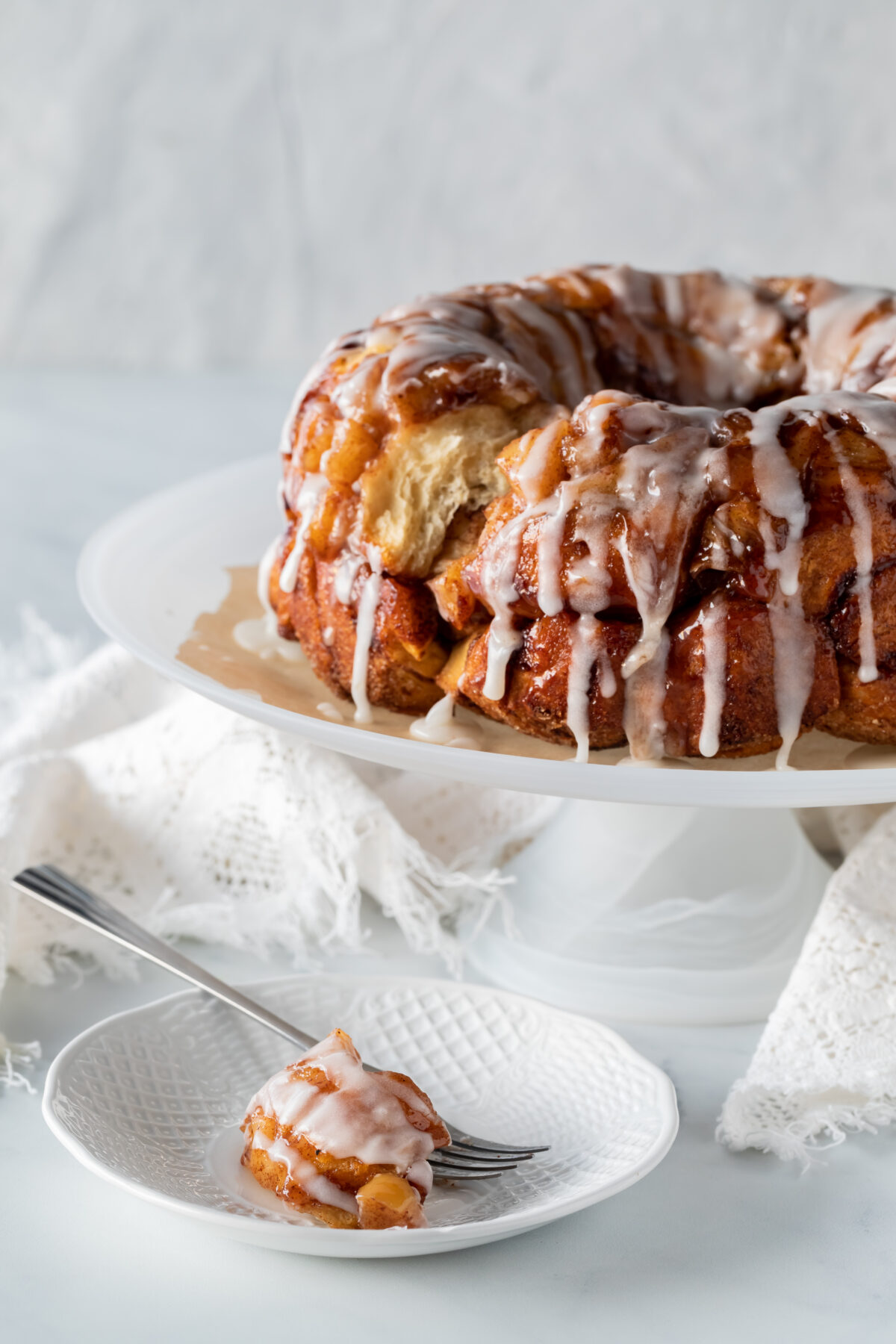
As the culinary landscape continues to value both nostalgia and time-saving innovations, dishes like the Apple Cinnamon Monkey Bread illustrate how traditional comfort foods are successfully adapted for contemporary lifestyles. By bridging the gap between scratch-baked quality and modern convenience, this seasonal pastry remains a fixture of autumn baking culture, reflecting broader trends in home economics, consumer psychology, and seasonal gastronomy.