The Ultimate One-Pot Creamy Taco Pasta for Modern Weeknight Dining

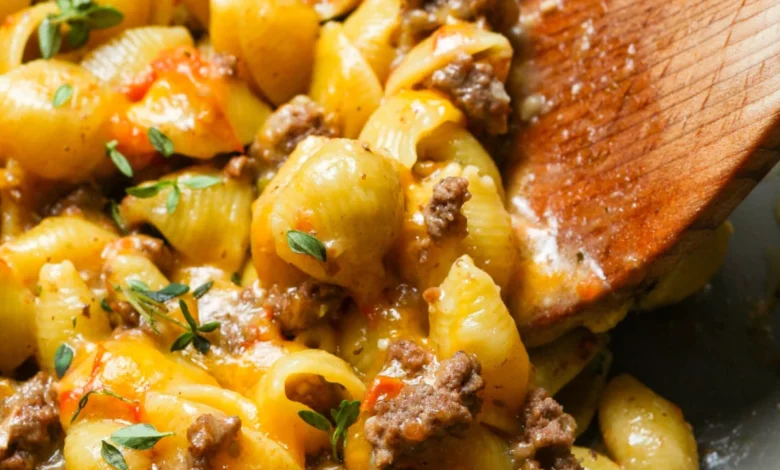
The culinary landscape of the modern household is undergoing a significant shift toward efficiency and minimalism, driven by the increasing demand for "one-pot" meal solutions that balance nutritional integrity with rapid preparation times. As busy schedules become the norm for families across the United States, the development of dishes that utilize a single vessel for cooking has transitioned from a convenience trend to a staple of contemporary meal planning. Among these innovations, the one-pot taco pasta has emerged as a quintessential example of how traditional flavor profiles—specifically those rooted in Tex-Mex cuisine—can be adapted into streamlined, time-saving formats.
This dish represents the convergence of two distinct culinary categories: the slow-cooked complexity of taco fillings and the rapid, starch-based reliability of pasta. By integrating seasoned ground beef, savory aromatic bases, and a dairy-forward cheese sauce, the recipe provides a high-protein, energy-dense meal that addresses the logistical pressures of weeknight dinner preparation.

Chronology of the One-Pot Cooking Methodology
The rise of one-pot pasta recipes can be traced back to the early 2010s, when food technology and culinary blogging began to emphasize the "dump-and-cook" technique. Unlike traditional pasta preparation, which requires boiling water in one pot and creating a sauce in a separate skillet, the one-pot method utilizes the starch released by the pasta during the cooking process to naturally thicken the liquid. This eliminates the need for draining, thereby retaining essential nutrients and enhancing the flavor profile of the sauce.
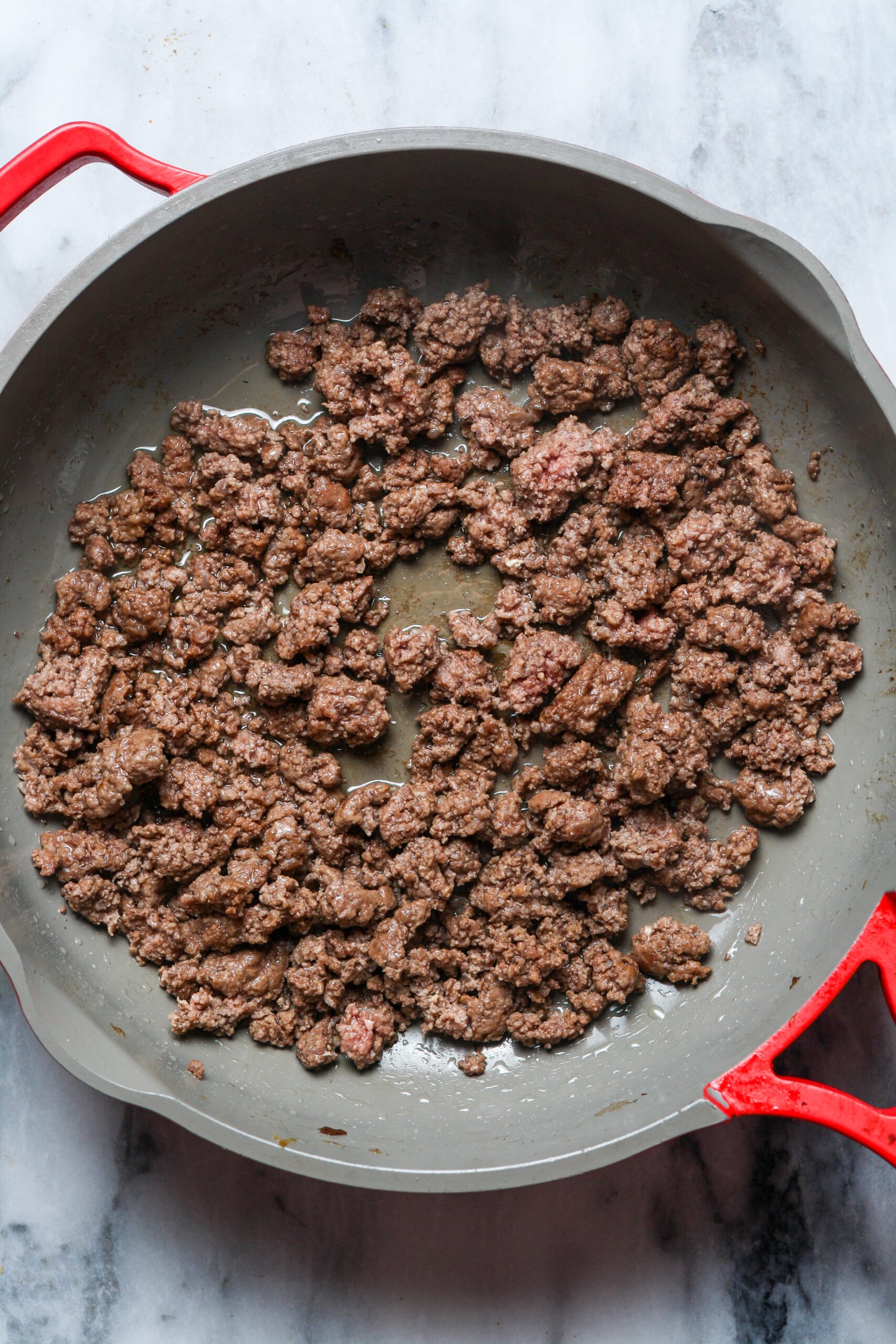
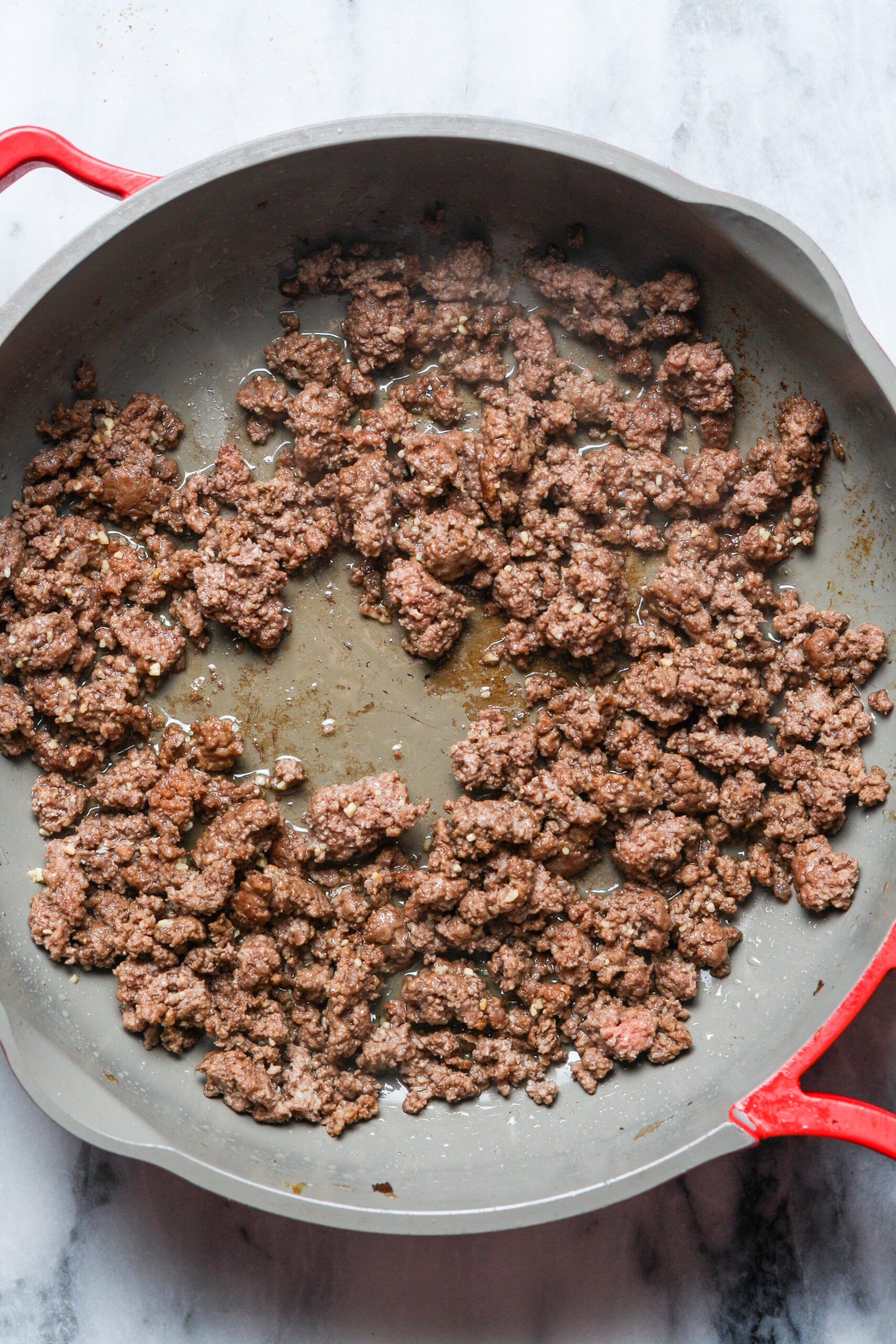
In recent years, the evolution of this method has seen the integration of complex protein-based sauces. The taco-inspired version of this dish typically follows a rigid chronological sequence: the browning of the protein, the sautéing of aromatics, the integration of liquids and seasonings, and the final incorporation of the pasta and cheese. This structured approach ensures that the heat distribution remains uniform throughout the vessel, preventing the pasta from becoming overcooked while ensuring the meat remains tender.
Nutritional and Ingredient Analysis
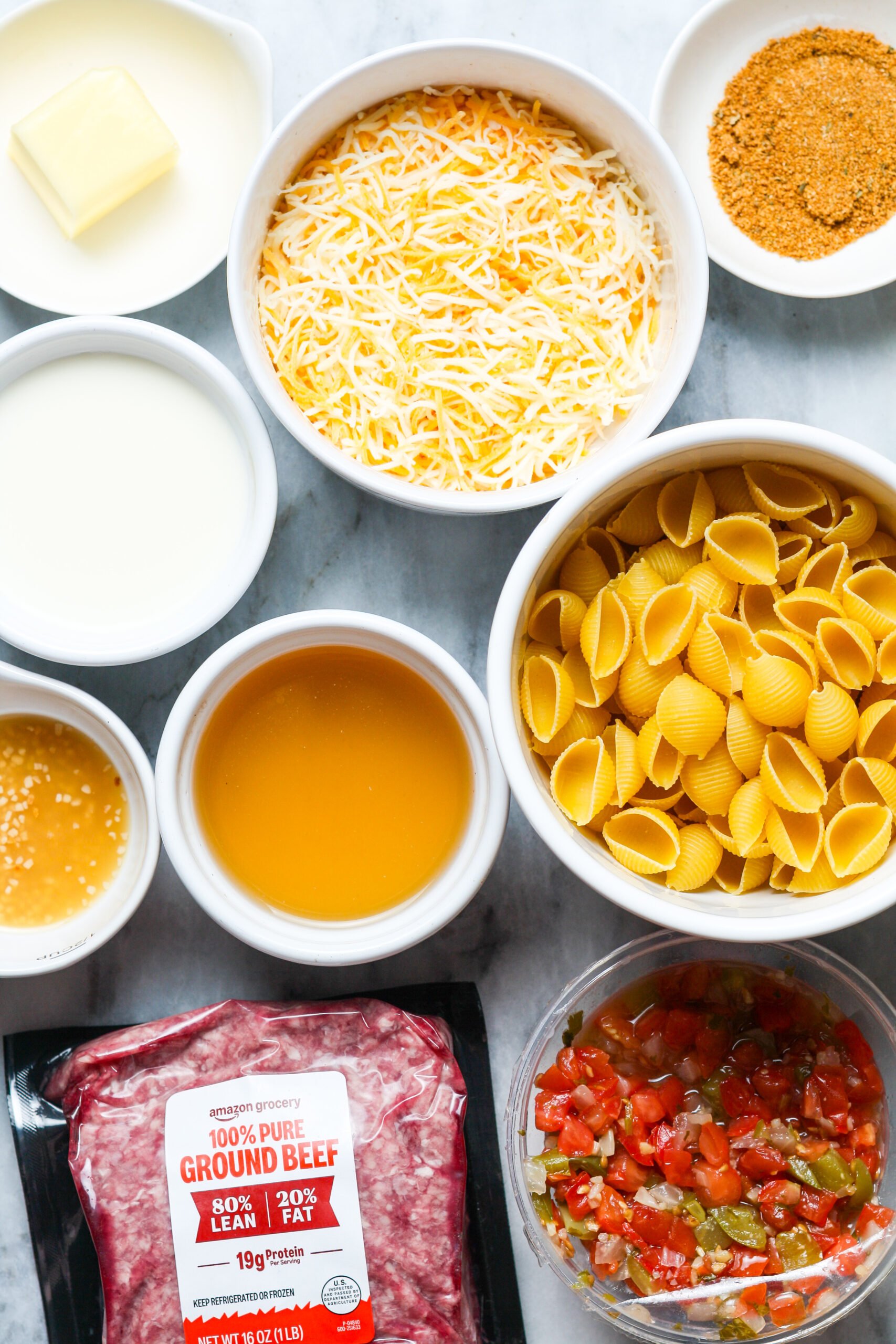
The foundational components of a high-quality taco pasta include a balanced ratio of proteins, carbohydrates, and fats. Nutritionists often highlight the importance of sourcing ground beef with a lower fat-to-lean ratio or substituting it with leaner alternatives such as ground turkey or chicken to improve the macronutrient profile.
The role of the sauce is critical to the dish’s success. The combination of chicken broth and whole milk or half-and-half serves as the hydration vehicle. During the boiling phase, the pasta absorbs the seasoned broth, while the dairy and shredded cheese—typically a blend of cheddar, Monterey Jack, or mozzarella—provide the emulsification necessary for a velvety texture.
For those adhering to specific dietary requirements, the versatility of the recipe is notable. Gluten-free pasta variants have been tested extensively in these one-pot configurations, showing that while they may require minor adjustments in cooking time to avoid excessive starch release, they maintain the integrity of the final dish. Furthermore, the exclusion of added sugars in store-bought taco seasonings is a growing priority for health-conscious consumers, leading to an increase in the market share of brands that prioritize natural, spice-based ingredients over artificial fillers.
Economic and Practical Implications
From an economic perspective, one-pot pasta meals are highly cost-effective. By reducing the number of pots and pans utilized, households see a decrease in water usage and dishwashing labor. Additionally, the ability to stretch a single pound of protein across a large volume of pasta allows for larger portion sizes at a lower cost per serving compared to traditional steak or seafood dinners.
Market research into consumer behavior indicates that the "weeknight dinner" segment is the most volatile area of the grocery industry. Families are increasingly moving away from pre-packaged, highly processed boxed meals in favor of recipes that use fresh, whole-food ingredients but retain the convenience of a 30-minute prep time. The taco pasta fits this demographic perfectly, as it utilizes staples found in most pantries: canned tomatoes, broth, cheese, and dried pasta.
Expert Culinary Perspectives
Professional chefs and home economics experts often note that the "kick" in taco pasta is derived from the balance of capsaicin and acidity. The inclusion of Rotel tomatoes or similar canned chilies provides a moderate level of heat, while the acidity cuts through the heaviness of the cheese sauce. This balance is essential to prevent the dish from becoming overly cloying.
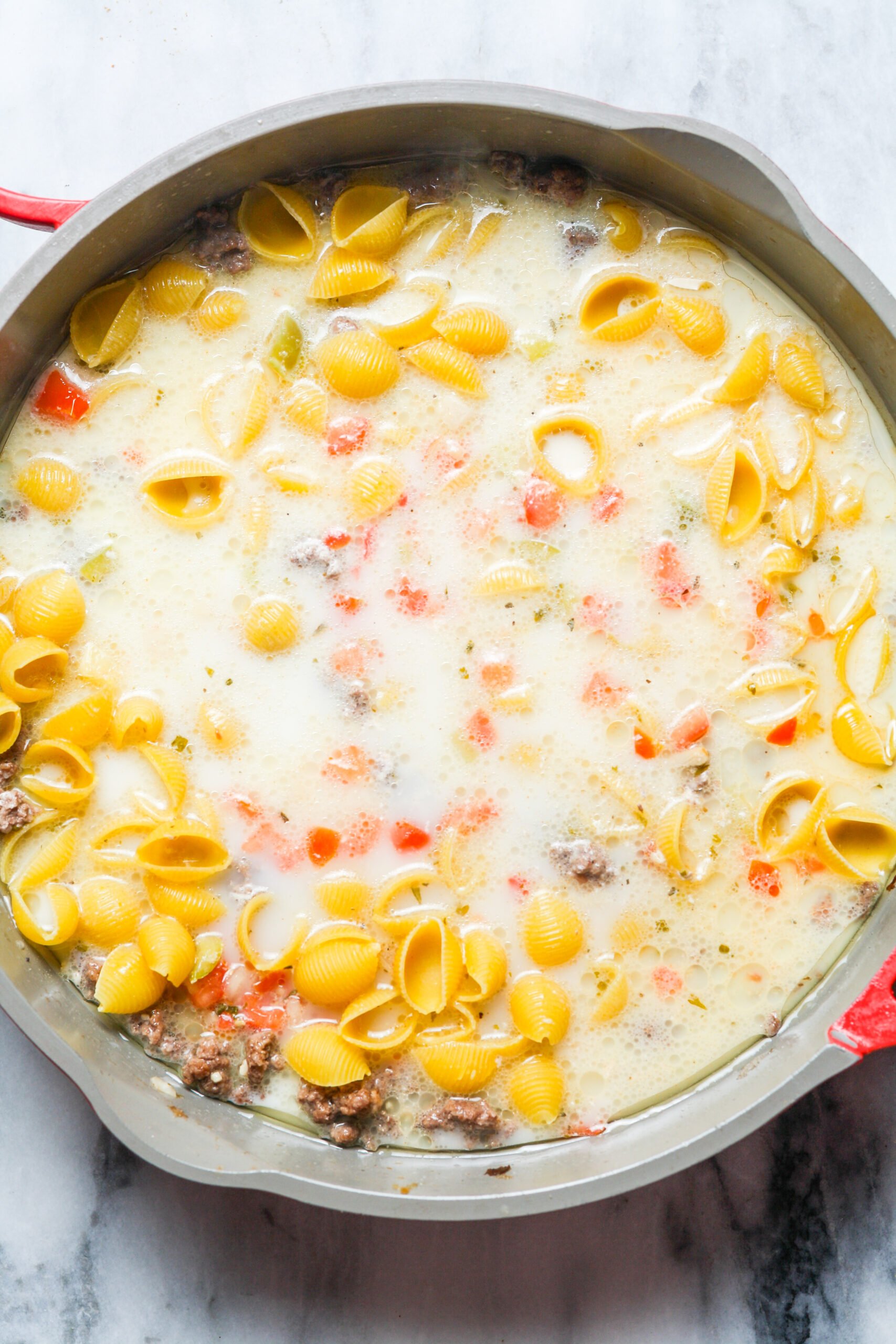
When queried about the best practices for success, culinary consultants emphasize the importance of heat management. "The most common failure in one-pot pasta is rushing the heat," one expert noted. "If the liquid reaches a boil too quickly before the pasta is properly hydrated, the bottom layer of the dish can scorch, while the center remains undercooked. Maintaining a steady, moderate boil allows the starch to gelatinize correctly, which is the secret to that signature restaurant-style sauce."
Strategies for Customization and Dietary Flexibility
The adaptability of the taco pasta recipe allows for significant customization based on individual dietary preferences. For households looking to increase their fiber intake, the inclusion of black beans or pinto beans is a common modification. These ingredients do not require long cooking times and can be added during the final stages of the process.
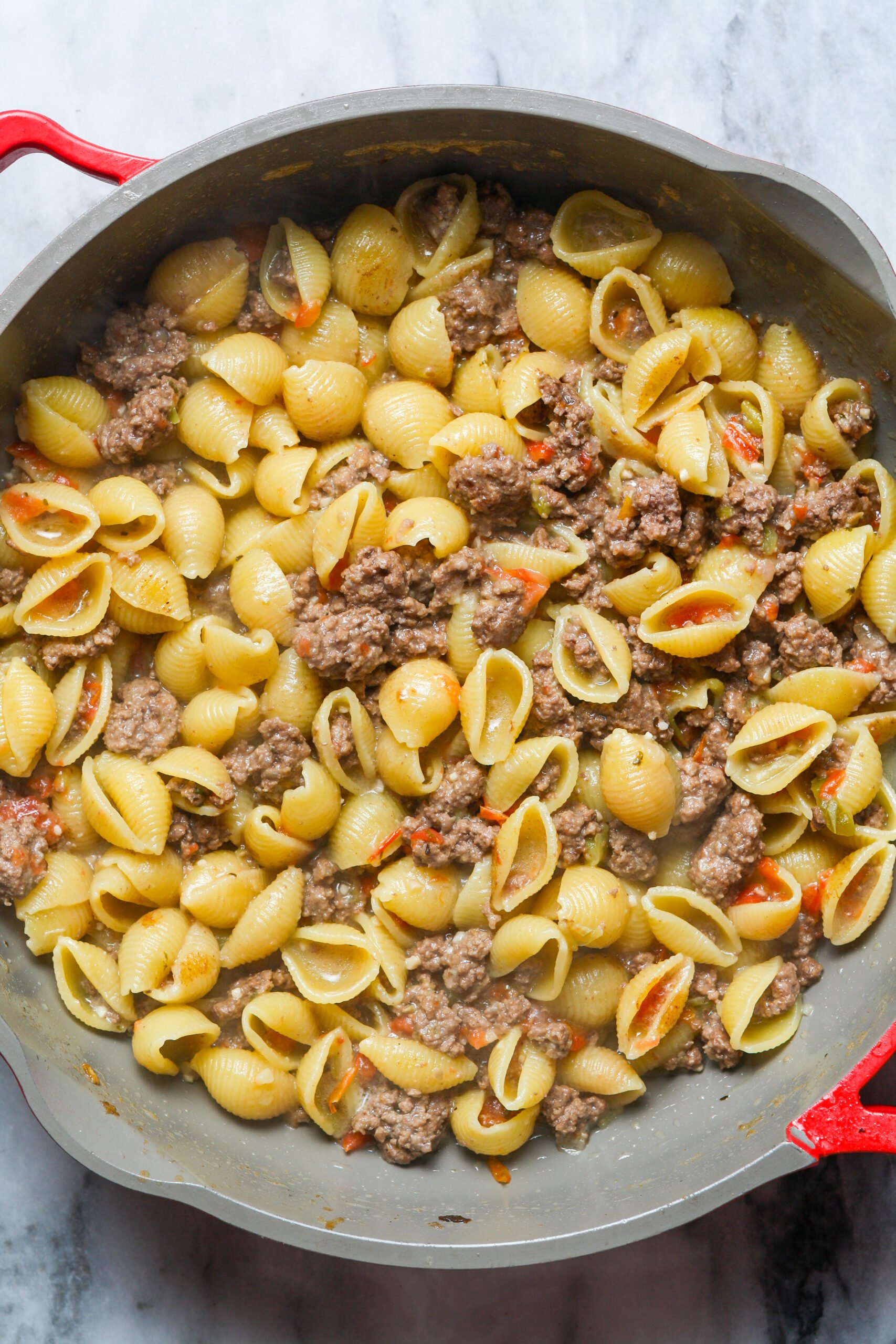
Vegetable integration is another area where this recipe excels. Finely diced bell peppers, onions, and even corn can be sautéed with the garlic and butter during the initial step. This not only enhances the nutritional density of the meal but also provides a textural contrast to the soft pasta shells.
For those sensitive to lactose, alternative dairy-free shreds and plant-based milks have been successfully utilized in trials. While the chemical composition of plant-based cheese differs from dairy, modern versions have improved in their melting capabilities, making them viable substitutes for those with dietary restrictions.
Broader Impact on Family Mealtime Dynamics
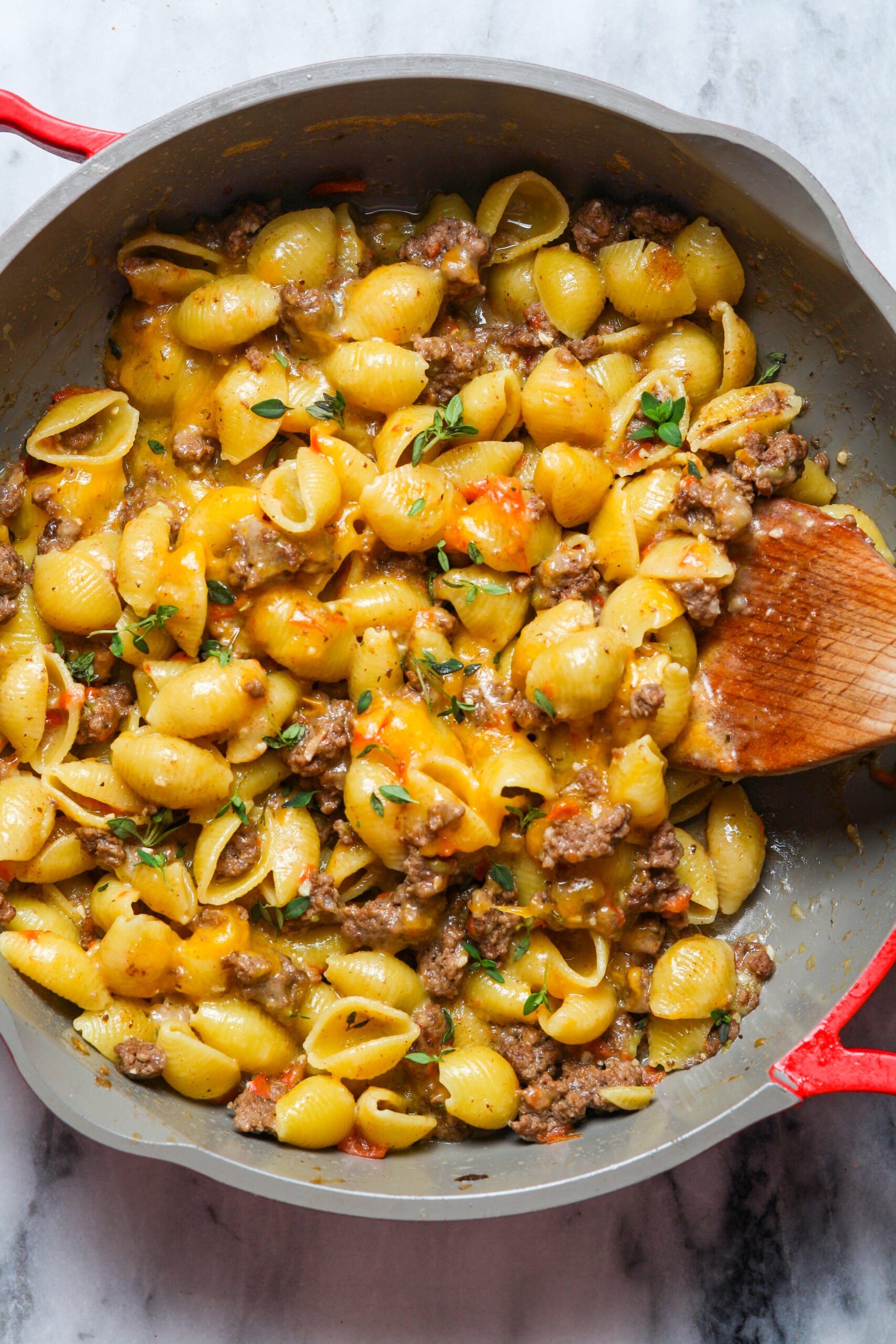
Sociologists studying family dining trends have observed that the return to "home-cooked" meals, facilitated by simple recipes, has a positive impact on family cohesion. When dinner preparation becomes less of a chore and more of a streamlined activity, parents report lower levels of stress and a higher frequency of shared meals. The taco pasta, specifically, has been identified as a "crowd-pleaser" because it appeals to the palates of younger children while remaining sophisticated enough for adult consumption.
The role of the recipe in the digital age is also noteworthy. With the proliferation of social media platforms and recipe-sharing websites, dishes like the one-pot taco pasta have become viral staples. This connectivity allows for a feedback loop where home cooks can share their modifications, such as using different spice levels or types of pasta shapes, further expanding the life cycle of the base recipe.
Sustainability and Future Trends

Looking forward, the trend toward one-pot cooking is expected to align with broader sustainability goals. By reducing the energy consumption associated with boiling multiple pots of water and utilizing more efficient cooking techniques, families can lower their carbon footprint in the kitchen. Moreover, the emphasis on reducing food waste—as this recipe is excellent for using up leftover produce or open containers of broth—supports the growing movement toward sustainable, zero-waste kitchen practices.
In conclusion, the one-pot taco pasta is more than just a convenient dinner; it is a manifestation of the modern culinary evolution. By synthesizing global flavor profiles with practical, space-saving, and time-efficient techniques, it serves the needs of the contemporary household while maintaining the comfort and satiety that families seek. As kitchen technology continues to advance and dietary preferences shift toward cleaner, more transparent ingredient lists, it is highly probable that the one-pot methodology will continue to dominate the culinary zeitgeist for the foreseeable future. Through careful attention to ingredient quality and cooking technique, home cooks can ensure that this classic dish remains a staple for years to come.