The Rise of One-Pot Culinary Solutions: A Comprehensive Analysis of the Taco Pasta Phenomenon

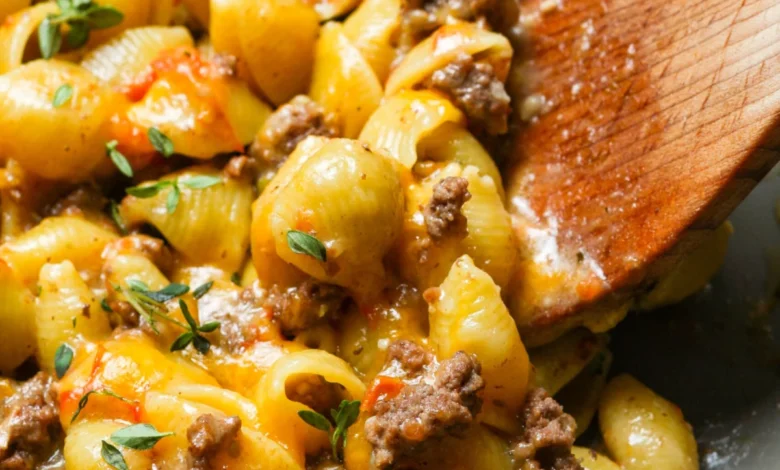
The evolution of home cooking in the 21st century has been defined by a persistent demand for efficiency, nutritional integrity, and time management. Among the most successful developments in this space is the emergence of the one-pot meal, a preparation method that prioritizes both culinary output and logistical simplicity. The taco pasta dish, which integrates the flavor profile of traditional Mexican-inspired taco fillings with the convenience of Italian pasta, has transitioned from a niche social media trend to a staple in modern household meal planning. This report explores the mechanics, popularity, and broader culinary implications of this streamlined dinner solution.
The Mechanics of Single-Vessel Cooking
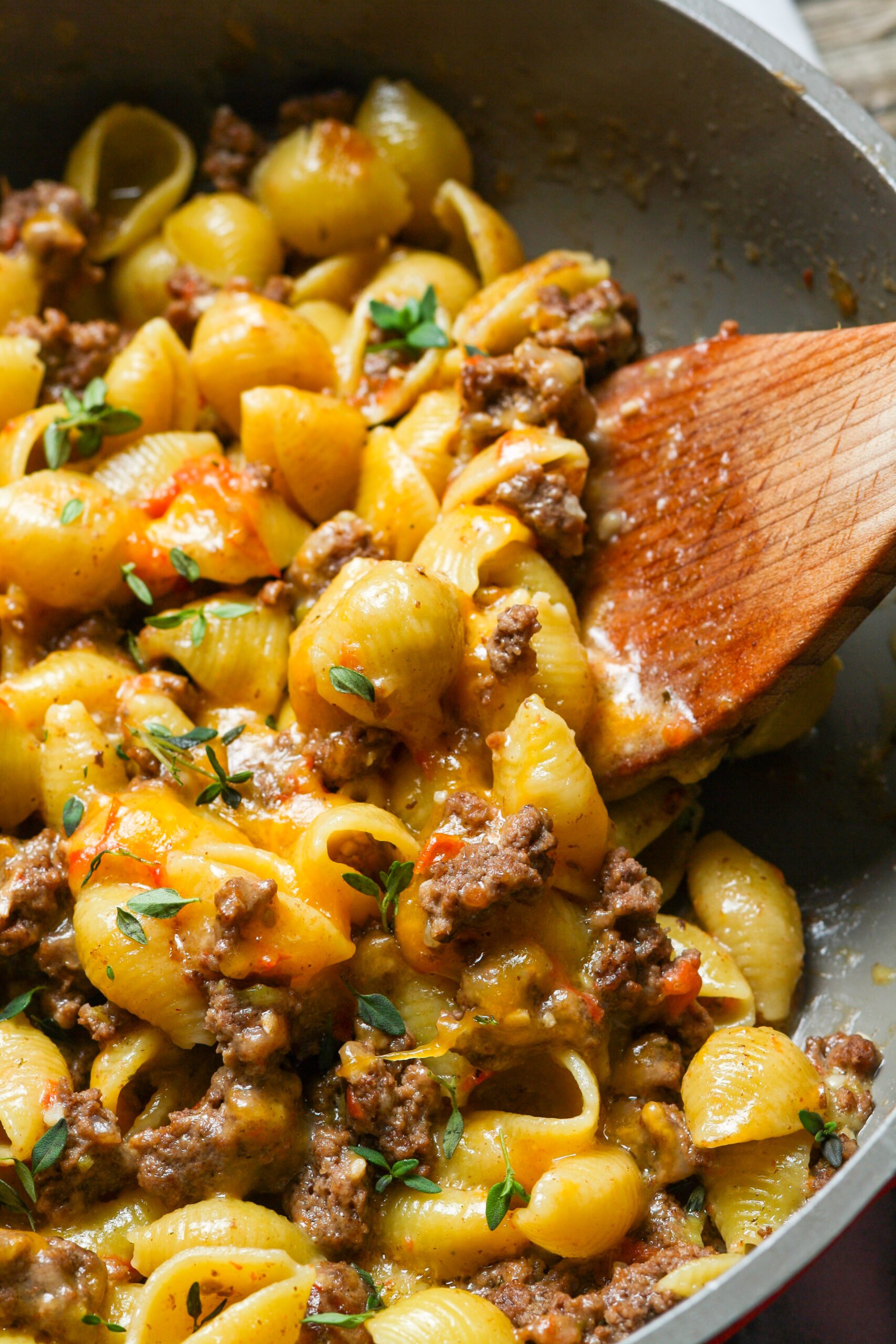
The primary appeal of the one-pot taco pasta lies in its reduction of the "cleanup cycle." In traditional cooking, pasta is prepared in a separate boiling vessel, while proteins and sauces are sautéed in a skillet. By contrast, the one-pot approach utilizes a single deep-sided skillet to perform multiple culinary functions simultaneously.
Data from food industry analysts suggests that the average home cook spends approximately 20 to 30 minutes on post-meal cleanup. By consolidating the cooking process, this time requirement can be reduced by nearly 50%. The scientific principle behind this is the controlled absorption of moisture. By simmering the pasta directly in a seasoned broth and milk-based sauce, the starch released by the pasta during the cooking process serves as a natural thickening agent. This eliminates the need for separate roux or heavy cream reductions, resulting in a more integrated, emulsified sauce that coats the noodles more effectively than traditional methods.
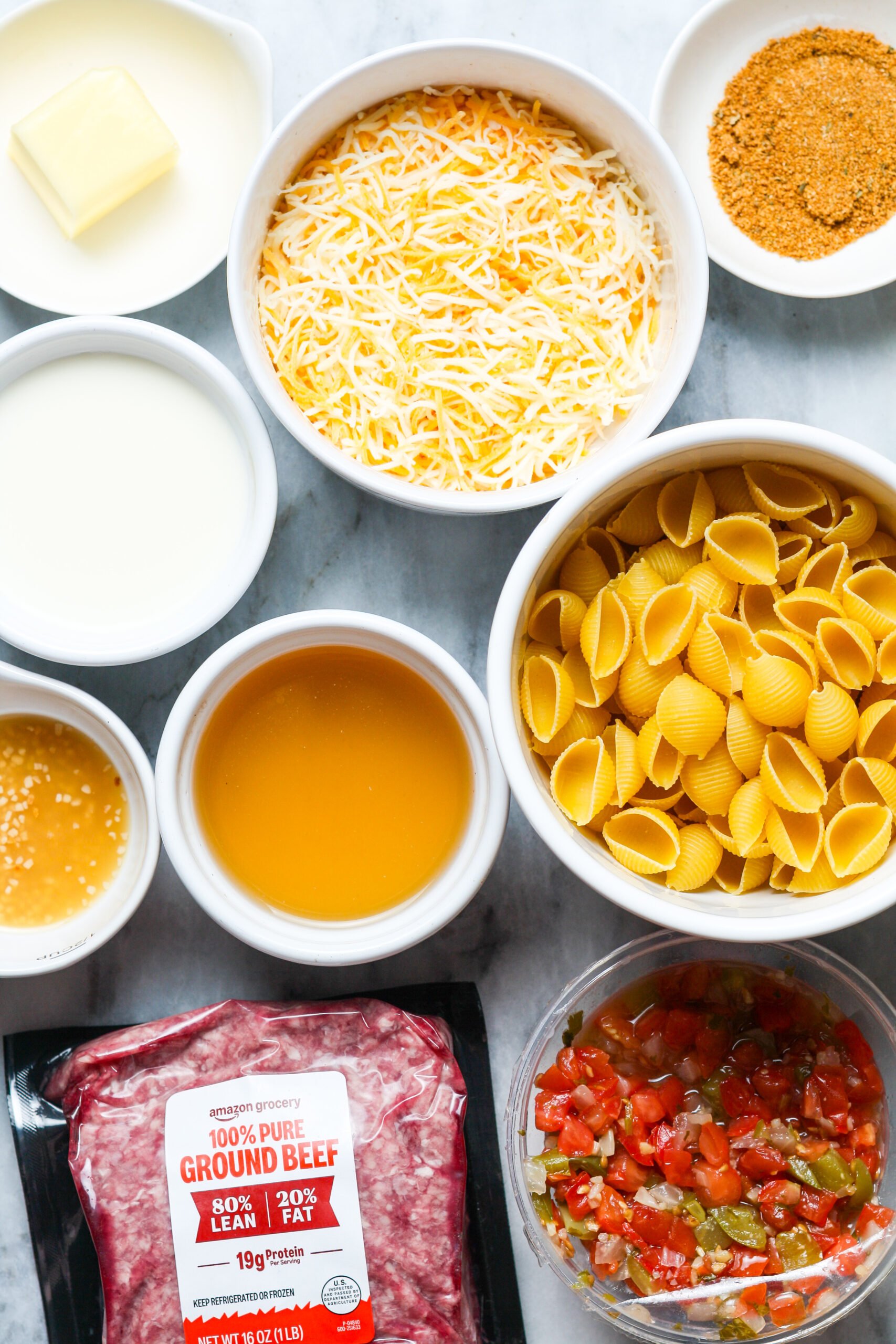
Nutritional Context and Ingredient Selection
Modern consumer trends indicate a significant shift toward ingredient transparency. When preparing taco pasta, nutritionists and food safety experts often recommend a focus on high-quality proteins and complex carbohydrates.
The standard iteration of this dish relies on ground beef, though nutritional flexibility is a key driver of its widespread adoption. Households increasingly opt for ground turkey or chicken to manage saturated fat intake, while whole-wheat pasta shells are frequently substituted for refined white flour products to increase fiber content. The inclusion of Rotel tomatoes—a blend of diced tomatoes and green chilies—provides a low-calorie method to introduce flavor without relying heavily on artificial additives or high-sodium pre-packaged taco seasoning packets. By selecting seasonings that exclude added sugars, home cooks can align this comfort meal with broader health goals, such as blood sugar management and the avoidance of ultra-processed ingredients.
Historical Evolution of the One-Pot Movement
The concept of the "one-pot meal" is not new, drawing lineage from historic dishes like stews, gumbos, and casseroles. However, the application of this method to pasta specifically gained mainstream momentum in the mid-2010s. This shift coincided with the rise of the "time-poor" demographic—working professionals and parents who faced increasing pressure to provide home-cooked meals despite shrinking windows of available time.
The 2020s marked a further pivot, as inflation and rising grocery costs forced consumers to look for ways to maximize the utility of their pantry staples. The taco pasta serves as an ideal case study in economic efficiency. By combining two distinct cultural food groups—Mexican and Italian—into a single dish, the recipe utilizes versatile ingredients like dry pasta, canned tomatoes, and shelf-stable spices, which are generally more affordable and longer-lasting than fresh produce or specialized cuts of meat.
Step-by-Step Methodology and Culinary Technique
The preparation of this dish follows a strict, time-sensitive chronology that ensures both the meat is browned properly and the pasta reaches an "al dente" consistency without becoming mushy.
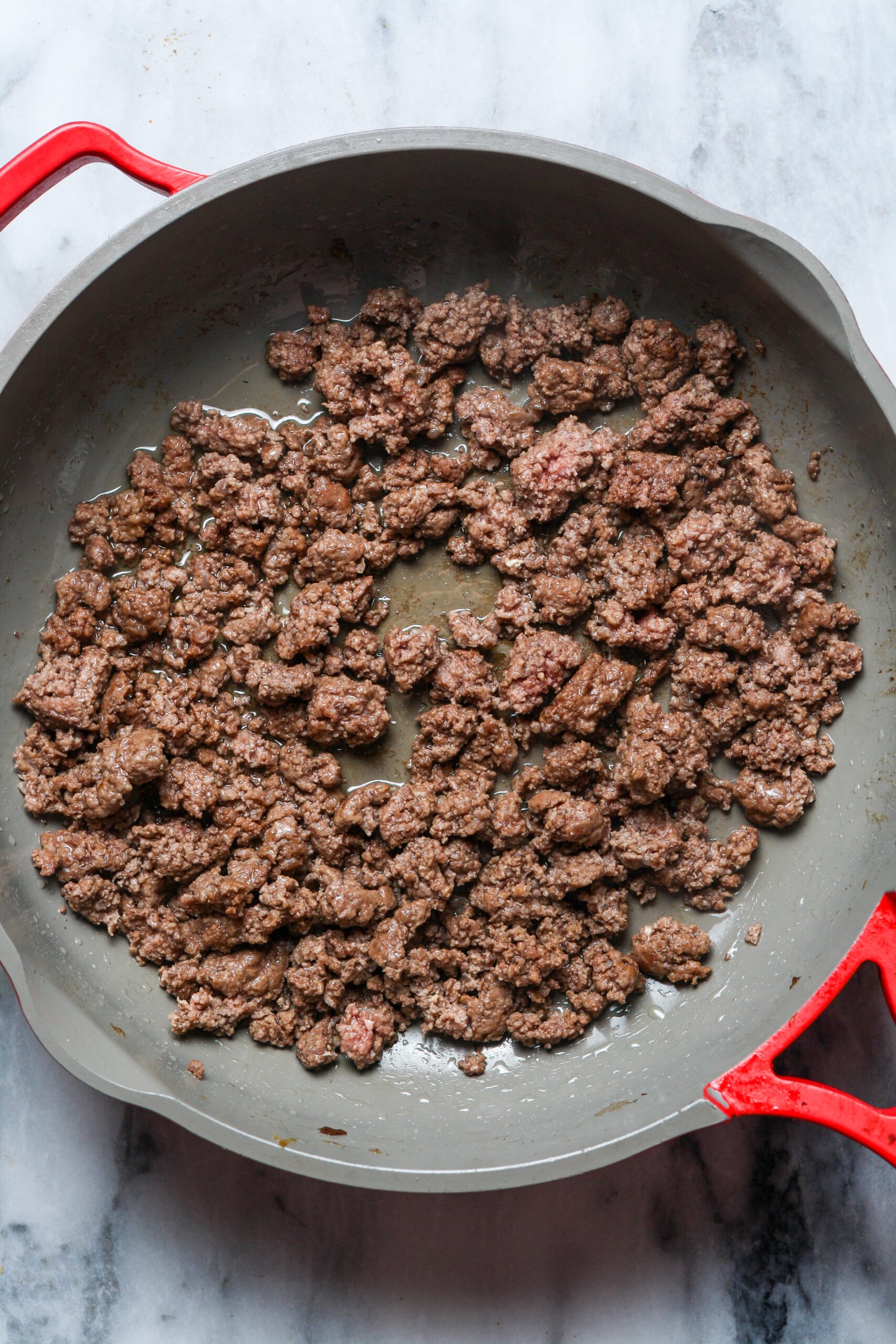
- Protein Sautéing: The process begins by browning the protein of choice in a large skillet. This stage is critical for the Maillard reaction, where the amino acids and reducing sugars in the meat react to create complex flavor compounds.
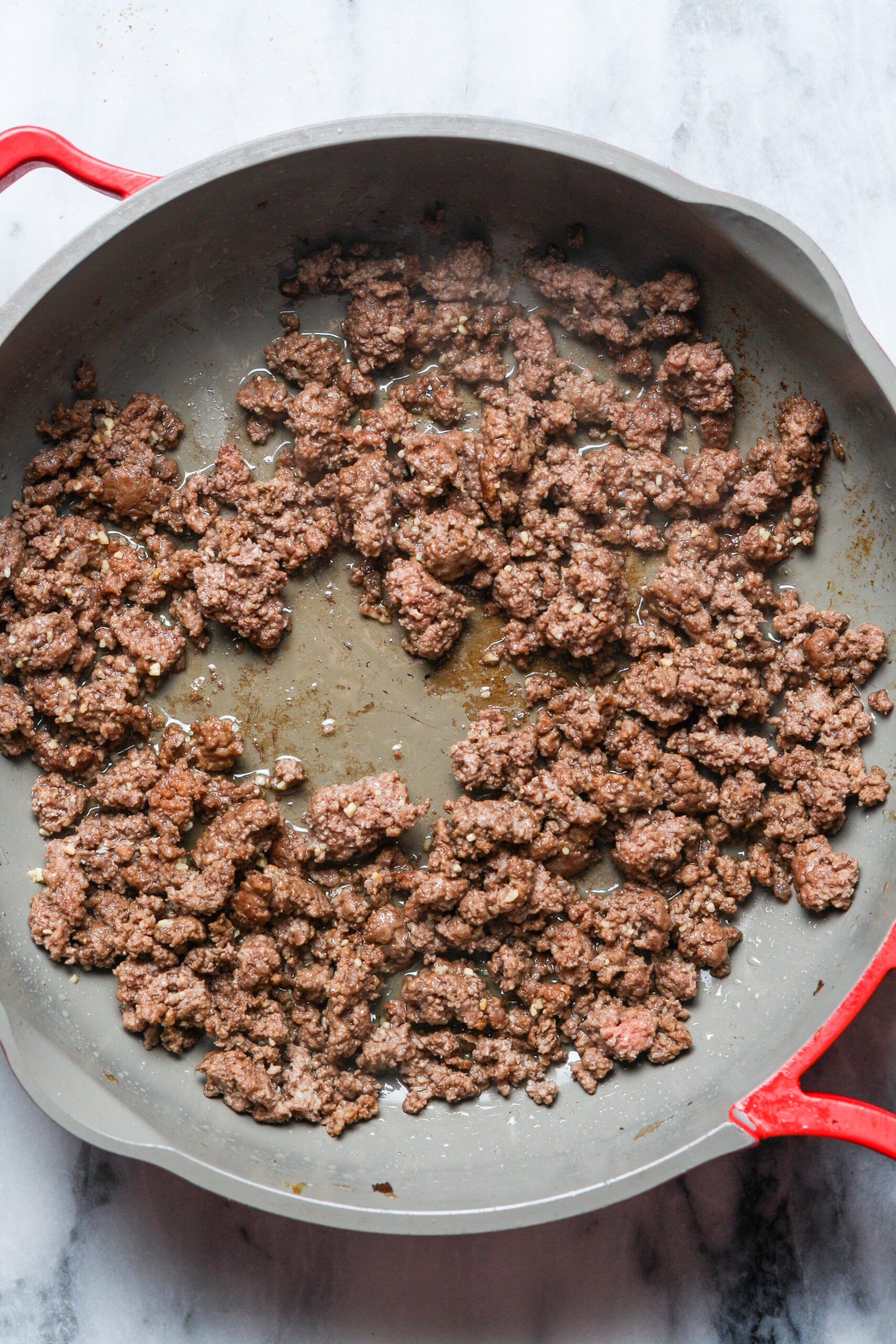
- Aromatic Infusion: Garlic and, occasionally, diced onions are introduced after the protein has been drained of excess fat. This prevents the garlic from burning while allowing its essential oils to perfume the fat, creating a savory base.
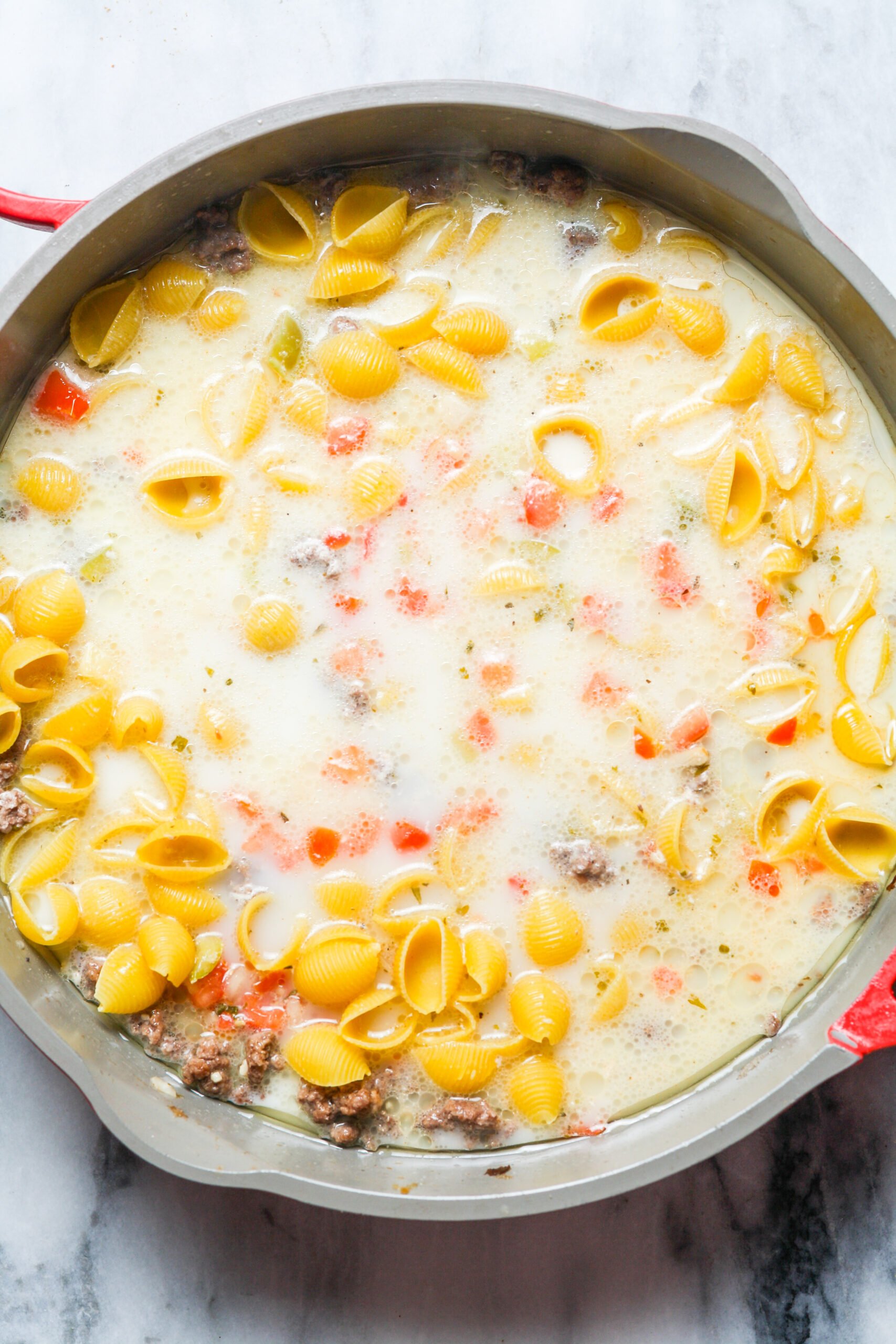
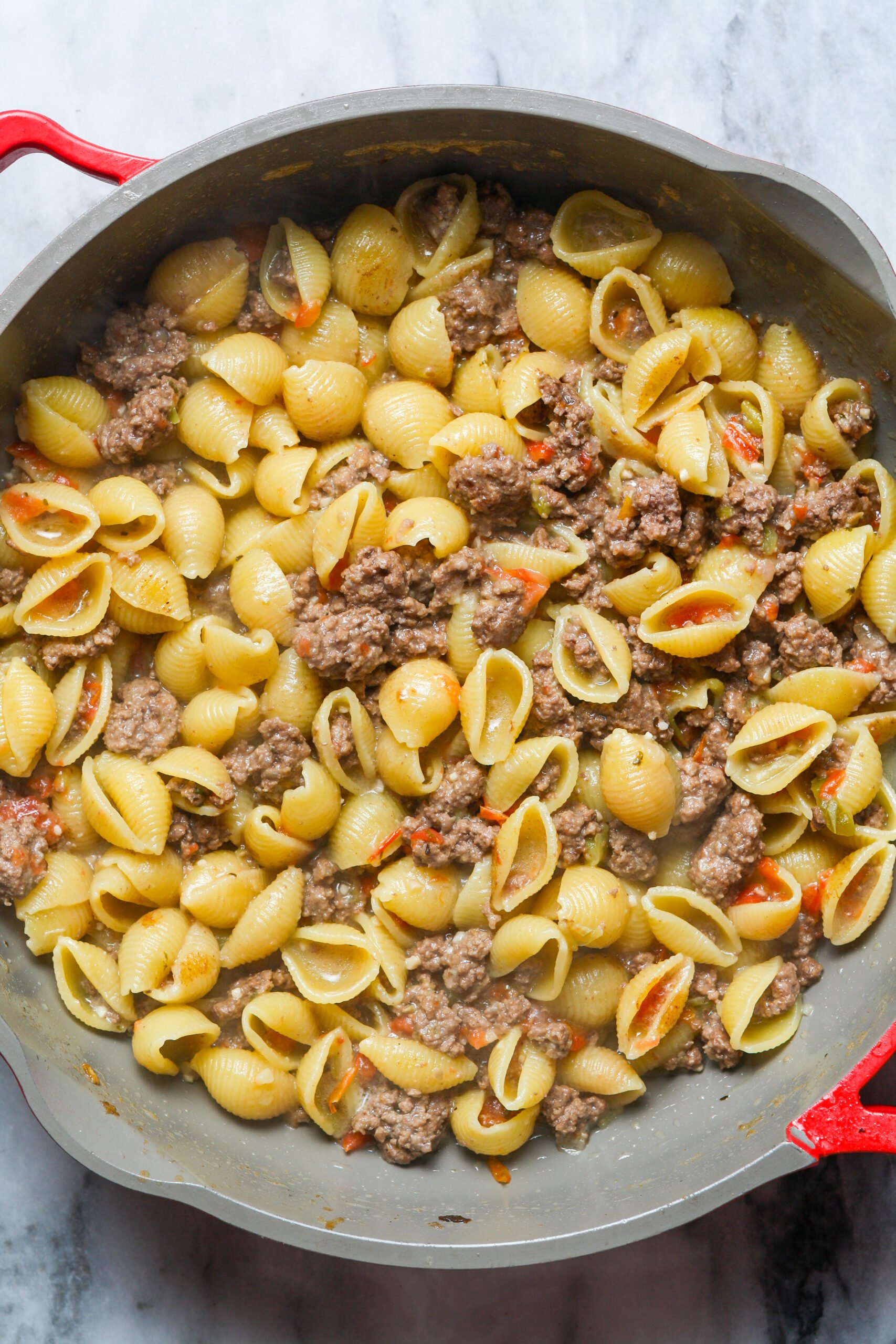
- The Braising Phase: The addition of chicken broth, milk, and taco seasoning creates the braising liquid. The mixture is brought to a boil to ensure the temperature is sufficient to hydrate the dry pasta.
- Simmering: The pasta is added to the liquid. The timing is vital here; typically, 7 to 8 minutes of consistent heat is required. During this stage, the starches begin to bind the sauce to the protein.
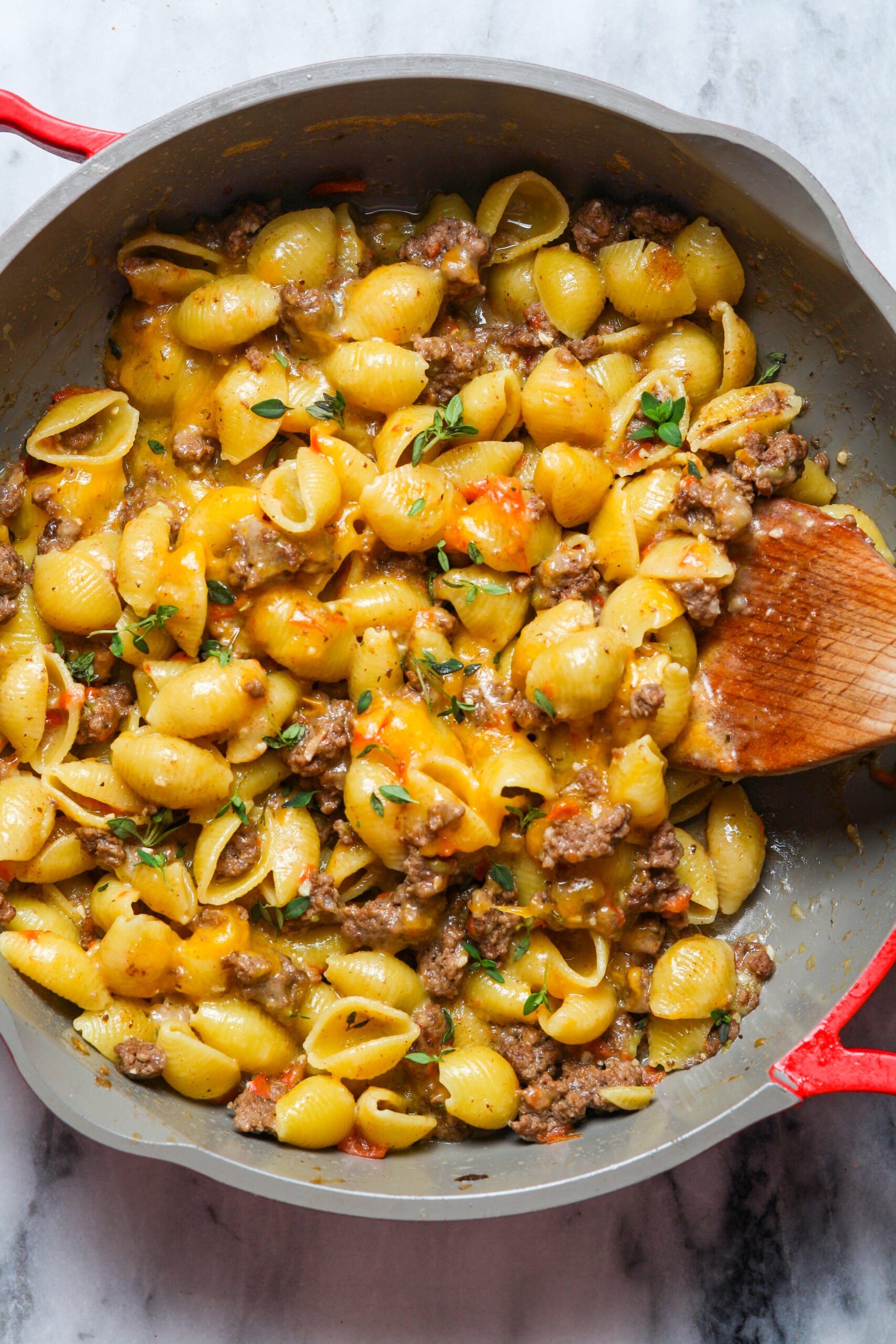
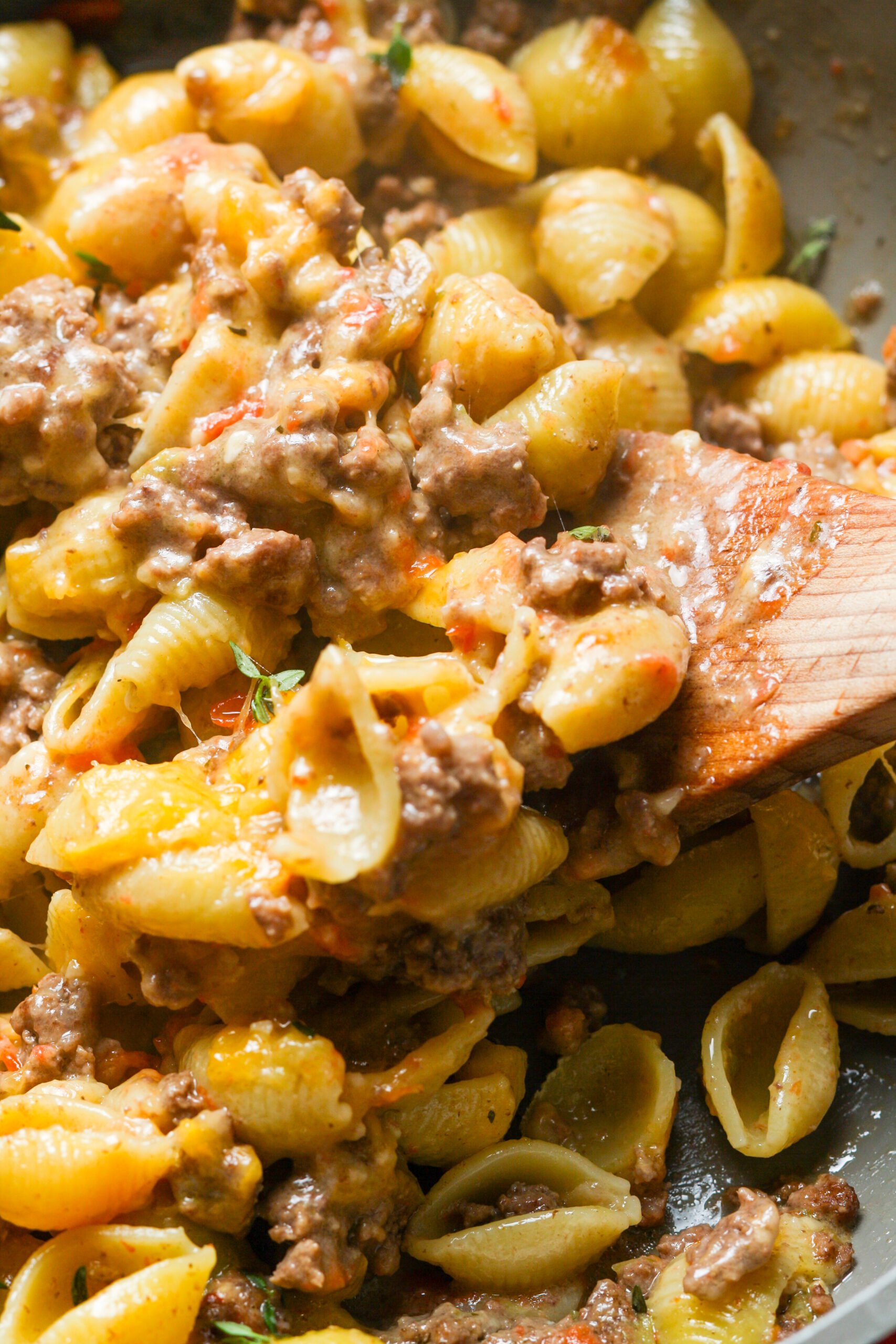
- Final Emulsification: The heat is reduced to a low level before the cheese is folded in. This prevents the cheese from breaking or separating, which would result in an oily, unappetizing texture. The result is a cohesive, creamy sauce that holds the entire dish together.
The Role of Customization in Modern Dietetics
One of the most significant factors in the continued popularity of the taco pasta is its inherent versatility. Culinary experts categorize the dish as a "template recipe," meaning it is designed to accommodate various dietary restrictions.
For gluten-sensitive individuals, the swap to corn-based or legume-based pasta does not fundamentally alter the flavor profile of the dish. Similarly, the "veggie-forward" movement has seen many households stir in black beans, frozen corn, or sautéed bell peppers to increase the micronutrient density of the meal. This flexibility allows the dish to remain relevant in a diverse culinary landscape where individual dietary needs are increasingly personalized.
Economic and Logistical Implications
From a household management perspective, the taco pasta represents a success in "batch cooking." Because the dish remains shelf-stable in the refrigerator for up to four days, it is frequently used by meal-prep enthusiasts to cover multiple work-week lunches.
Financial analysts note that the cost-per-serving of a home-cooked taco pasta meal is significantly lower than equivalent restaurant or delivery options. With the cost of dining out rising, the ability to replicate restaurant-style flavors using pantry staples is a primary driver for the increase in search interest for such recipes. This trend has also forced food brands to reconsider their packaging, with more companies now focusing on "clean label" seasoning blends and versatile, high-protein pasta options that cater specifically to this type of home cooking.
Expert Perspectives on Meal Sustainability
Public health officials have long advocated for the benefits of home-cooked meals, citing better control over portion sizes and nutrient intake. The taco pasta serves as a bridge for many families, providing a "comfort food" experience that is inherently more nutritious than many frozen or processed alternatives.
Dietitians emphasize that the key to the success of this dish lies in the balance of the components. When paired with a side salad or steamed vegetables, the taco pasta provides a complete nutritional profile, including adequate protein, complex carbohydrates, and essential vitamins from the tomato and chili components. This makes it an effective tool for parents who struggle to incorporate balanced meals into a busy school-night schedule.
Conclusion: The Lasting Impact of the One-Pot Strategy
As the culinary landscape continues to shift toward convenience, the taco pasta stands out as a definitive example of how traditional cooking techniques can be adapted for modern efficiency. By streamlining the preparation process, reducing cleanup, and maintaining a high level of ingredient flexibility, it has secured its place in the rotation of millions of households.
The success of this dish is not merely a result of its flavor profile, but of its alignment with the fundamental requirements of the modern lifestyle: speed, affordability, and nutritional value. As technology in the kitchen continues to evolve, the principles established by the one-pot movement—prioritizing efficiency without sacrificing quality—will likely continue to shape how families approach their daily nutrition for years to come. Whether through the use of different proteins, the addition of fresh vegetables, or the experimentation with various cheese blends, the taco pasta remains a resilient and adaptable solution for the challenges of 21st-century meal preparation.