Accelerating the Path to a Cure: How Breakthrough T1D and the NIDDK Are Revolutionizing Islet Cell Therapies for Type 1 Diabetes

The landscape of type 1 diabetes (T1D) research is undergoing a profound transformation, driven by breakthroughs in regenerative medicine and cell-based therapeutics. In ongoing clinical trials, individuals living with T1D are achieving healthy blood sugar regulation and, in many cases, eliminating their reliance on external insulin altogether. Behind these remarkable medical milestones lies a massive collaborative effort spanning laboratories, manufacturing plants, regulatory agencies, and clinical centers. To capitalize on this unprecedented scientific momentum, organizations across the medical sector are increasingly prioritizing the development of scalable, next-generation manufactured islet cell therapies. The ultimate objective of this global scientific push is ambitious yet clear: to transition islet cell replacement from a highly restricted procedure for a select few into a widely accessible, functional cure available to anyone with T1D who desires it.
Understanding the Evolution: First- Versus Next-Generation Therapies
To fully grasp the magnitude of current clinical advancements, it is essential to examine the evolution of islet cell transplantation. First-generation islet cell therapies—including those currently being evaluated in advanced clinical trials—have delivered life-changing results for patients, but their application remains severely restricted. Under current medical guidelines and regulatory approvals, these therapies are largely limited to individuals suffering from severe hypoglycemic events and hypoglycemia unawareness, a dangerous condition where patients lose the physiological warning signs of plummeting blood sugar.
These first-generation protocols rely heavily on donor pancreases, creating a severe bottleneck due to tissue scarcity. Furthermore, the procedures require intensive post-transplant immunosuppressive regimens to prevent graft rejection, which introduces significant long-term health risks. Consequently, these treatments are typically reserved for the most severe, life-threatening cases of T1D.
Next-generation islet cell therapies, however, aim to dismantle these limitations entirely. By utilizing manufactured, lab-grown beta cells capable of being produced at scale, researchers hope to eliminate the reliance on human organ donors. Furthermore, next-generation advancements focus heavily on immune-evasive technologies and advanced biomaterials designed to protect transplanted cells from immune system attacks without the need for systemic, long-term immunosuppression. If successful, these manufactured therapies will dramatically expand the eligible patient population, moving the medical paradigm from chronic disease management to broad, scalable cellular restoration.
A Collaborative Milestone: The Breakthrough T1D and NIDDK Workshop
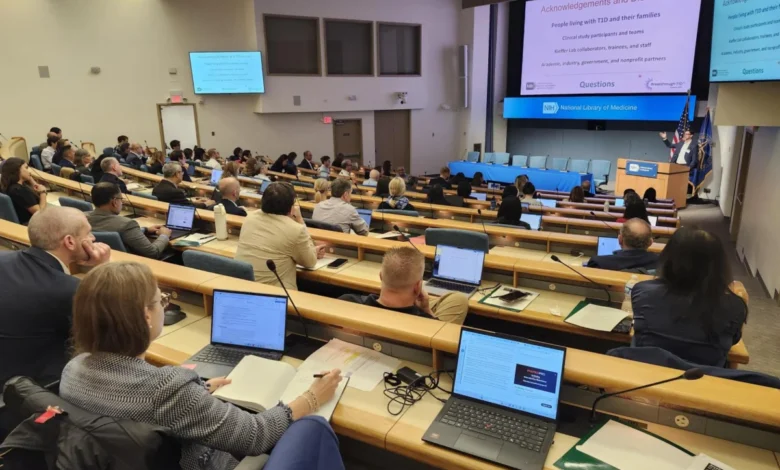
Recognizing that realizing this future requires unprecedented coordination across disciplines, Breakthrough T1D—formerly known as JDRF—co-hosted a landmark public workshop alongside the National Institute of Diabetes and Digestive and Kidney Diseases (NIDDK), a division of the National Institutes of Health (NIH). Entitled "Accelerating the Translation of Cell Therapy for Type 1 Diabetes," the event served as a critical forum for uniting key stakeholders from across the biomedical ecosystem.
The workshop convened a diverse array of experts, including academic researchers, clinical endocrinologists, biotechnology industry leaders, regulatory officers from the U.S. Food and Drug Administration (FDA), and, crucially, individuals with lived experience of type 1 diabetes. The primary agenda focused on identifying best practices, addressing technical and regulatory roadblocks, and formulating comprehensive recommendations to accelerate the clinical translation and eventual commercialization of next-generation islet cell products.
The planning committee, featuring prominent staff members from Breakthrough T1D, structured the multi-day event to tackle the entire lifecycle of a therapeutic product—from fundamental bench science and scalable biomanufacturing to clinical trial design, artificial intelligence integration, and patient-centered care.
Bridging the Gap: From Laboratory Discoveries to Human Trials
The dialogue during the workshop was categorized into several core domains vital to the progression of cell therapies. Chief among these was the optimization of nonclinical studies. Before any experimental therapy can transition into human trials, extensive preclinical research must establish a robust safety and efficacy profile. Presenters at the workshop emphasized that selecting the correct experimental design is paramount for generating accurate, reliable, and reproducible data. This involves identifying appropriate T1D animal models and standardizing data collection methodologies to answer specific biological questions regarding islet source material, cellular survival post-transplantation, and preliminary immune protection strategies.
Simultaneously, the conversation shifted toward the monumental challenge of large-scale manufacturing. For manufactured islet cell therapies to become a reality for millions of patients, production processes must scale exponentially without compromising product quality, purity, or potency. Navigating FDA manufacturing requirements for scalable cell therapies represents one of the most complex hurdles in modern biotechnology. Regulatory standards evolve significantly as a project transitions from small-scale preclinical studies to first-in-human clinical trials.
During the workshop, industry and academic leaders compared notes on establishing optimal production pipelines. While academic settings excel at innovation and early-stage protocol development, industrial settings are required to standardize, automate, and scale manufacturing lots. Striking the right balance between these sectors is essential to ensure that consistent, high-quality batches of functional islet cells can be reliably produced on an industrial scale.
Redefining Clinical Trial Architecture and Regulatory Pathways
As scientific evidence mounts, confirming that islet cell transplants can significantly reduce or entirely eliminate the need for exogenous insulin injections, clinical trial design must also evolve. Historical data indicates that for many individuals burdened by the daily rigors of T1D management, the substantial benefits of achieving euglycemia outweigh the risks associated with long-term immunosuppressive therapies.
Consequently, experts at the workshop debated how future clinical trials should be structured. Discussions centered on expanding patient inclusion criteria, defining meaningful primary and secondary clinical endpoints that reflect real-world patient benefits, and educating both the broader healthcare community and the T1D population to enhance trial recruitment, referral pathways, and participant retention. Researchers must work hand-in-hand with regulatory bodies like the FDA from the earliest stages of trial design to ensure that safety and efficacy data clear a definitive path toward eventual regulatory approval.
The Role of Artificial Intelligence in Next-Generation Therapeutics
One of the most forward-looking themes of the workshop was the integration of artificial intelligence (AI) and machine learning into the islet cell therapy workflow. Researchers are increasingly leveraging AI algorithms to predict clinical outcomes, such as individually forecasting patient blood sugar responses one year post-transplant. These predictive models provide clinicians and patients with actionable insights to guide post-transplant medical management and therapeutic decision-making.
Furthermore, AI is being deployed to optimize the complex biomanufacturing process itself. Machine learning models can predict how fragile islet cells will behave under varying environmental stressors during production, allowing automated systems to analyze real-time data and modify manufacturing parameters dynamically. Beyond production, advanced computational biology and AI are helping researchers design novel, engineered therapies at the cellular level. This includes the conceptualization of "smart" islet cells equipped with genetic or biological mechanisms designed to autonomously sense immune system attacks and deploy targeted, localized immune-protective measures without suppressing the patient’s entire immune system.
Centering the Patient Voice in Therapeutic Development
Perhaps the most resonant aspect of the workshop was the inclusion of lived experiences from members of the T1D community. Patient panelists shared profound personal narratives detailing the daily psychological and physical burdens of managing the condition. Some participants had lived with T1D for decades and were watching their own children navigate the same diagnosis, while others reflected on their personal journeys undergoing successful or unsuccessful islet cell transplants.
These discussions covered a wide range of practical topics, including the impact of continuous glucose monitors and automated insulin delivery systems, experiences with immunosuppressive medications, and the life-altering psychological relief provided by a successful transplant. Notably, one panelist remarked that even if a transplant leaves a patient requiring a single daily insulin injection—a dramatic reduction from their pre-transplant regimen—the outcome remains overwhelmingly positive in terms of glycemic stability and quality of life.
Organizers emphasized that incorporating the perspectives of the T1D community into research and clinical design is not merely optional, but a fundamental requirement for ethical, person-centered science. Initiatives like Breakthrough T1D’s Participant Advisory Council exemplify how patient voices are actively guiding clinical trial design, ensuring that future therapies align with the true priorities and risk-tolerance levels of the people they are designed to help.
Implications and the Road Ahead
The science of islet cell therapy is advancing simultaneously across three critical frontiers: fundamental nonclinical research in the laboratory, rigorous clinical evaluations in human trials, and industrial-scale manufacturing development. While scientists, clinicians, and biopharmaceutical developers work tirelessly to push these boundaries forward, organizations like Breakthrough T1D play an indispensable role in maintaining open channels of communication across the medical sector. By fostering collaborative networks, engaging proactively with regulatory authorities, and keeping patient advocacy at the forefront of the scientific enterprise, the global diabetes community is systematically dismantling the barriers that have historically delayed therapeutic translation.
The joint workshop hosted by Breakthrough T1D and the NIDDK marks a defining moment in this trajectory. By bringing together multidisciplinary experts to address the complex hurdles of manufacturing, AI integration, trial design, and patient safety, the event laid a robust foundation for the next era of diabetes treatment. As research transitions from bench to bedside, the collaborative momentum generated by these initiatives brings the medical community closer than ever to fulfilling a singular promise: delivering safe, scalable, and permanent cures for type 1 diabetes.