The 10 Simple Feeding Habits That Transformed Our Family’s Mealtime Experience


When the journey into motherhood began, armed with a nutrition degree and a stack of parenting books, the expectation was that feeding children would be a straightforward endeavor, akin to preparing a simple, wholesome meal. However, the reality proved far more complex. The internet, rather than offering solace, often amplified anxieties with a barrage of rules, food-related fears, and dire warnings about the long-term consequences of any perceived misstep. This challenging landscape, navigated over many years, ultimately led to the development of practical, effective strategies for fostering healthier eating habits in children. Now, with sons approaching ages 18 and 22, the initial anxieties surrounding toddler dinner strikes, uneaten lunchboxes, picky eating phases, and growth concerns have largely subsided. While each child has their preferences and foods they may not have embraced, they have generally developed into individuals with a varied diet, a positive relationship with food, and what can be categorized as "successful eaters" – those who are open to trying new foods over time and can adapt to less favored options when necessary. The key to this transformation was not in achieving Instagram-worthy meals or adhering to rigid food mandates, but rather in implementing a consistent set of unassuming habits that quietly fostered structure, trust, and balance around food, allowing children to learn to eat well without undue pressure. These strategies aim to alleviate the feeling that every meal is a high-stakes event, encouraging a more relaxed and sustainable approach to family nutrition.
Establishing a Predictable Eating Schedule
One of the foundational habits that significantly improved our family’s mealtime dynamic was the establishment of a regular, albeit not rigidly scheduled, pattern of meals and snacks. This predictability is crucial for children, as it alleviates the constant worry about when their next opportunity to eat will arise. When children understand that meals and snacks are offered at consistent intervals, they are less inclined to graze throughout the day. This habit encourages them to attune to their natural hunger and fullness cues, rather than eating out of boredom or anxiety.
The benefits of this approach extend beyond managing hunger. It signals to children that their caregivers trust them to regulate their intake within designated eating periods. Allowing a natural build-up of hunger between meals and snacks is not detrimental; rather, it is a key factor in helping children arrive at the table ready to eat and, potentially, more open to trying new foods, even during picky phases. For parents, this predictable rhythm reduces the pressure of constantly monitoring intake or demanding specific portion sizes. The underlying assurance is simple: another opportunity to eat will be available soon. This consistent structure provides a framework that supports the development of healthy eating behaviors without the need for constant oversight or coercion.
Integrating Fruits and Vegetables Consistently
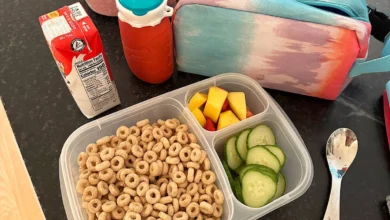
A persistent challenge in childhood nutrition is ensuring adequate intake of fruits and vegetables, which are often underconsumed. The strategy employed to address this was to focus on consistent exposure rather than perfection at every single meal or snack. By incorporating some form of fruit and/or vegetable into the majority of meals and snacks, the overall likelihood of meeting nutritional needs increases. This approach acknowledges that the responsibility for fruit and vegetable consumption should not rest solely on dinner or packed lunches.

The emphasis is on quantity and consistency over time. A few slices of banana at breakfast or a single cucumber slice with a meal contribute to the cumulative intake of these vital food groups. Small, frequent exposures are more impactful than infrequent, large servings. When there’s a perceived deficit in fruit and vegetable consumption, a simple tactic of placing readily available options, such as sliced apples, washed berries, or carrots with a dip, on the kitchen island has proven effective, often leading to spontaneous consumption. This method promotes a casual and accessible way for children to engage with produce, normalizing their presence in the daily diet.
Prioritizing Milk and Water as Primary Beverages
Children, by nature, have an innate preference for sweet tastes, which often extends to sweetened beverages. However, the consumption of sugary drinks poses a significant challenge to children’s health, being the leading source of added sugar in their diets. Research indicates that beverage choices made from infancy through early childhood can have a lasting impact on long-term health and can shape flavor preferences. When children become accustomed to the taste of sweet drinks early on, they are more likely to continue seeking them out as they grow older, making plain water and other unsweetened options less appealing.
The approach taken was not to eliminate juice or occasional sweet beverages entirely, but to establish milk and water as the predominant drinks consumed on a regular basis. This strategy focuses on what is consumed most frequently, recognizing that occasional treats are part of a balanced approach. By prioritizing these healthier alternatives, parents can guide children toward developing a palate that appreciates less intensely sweet flavors, thereby fostering a more balanced and sustainable relationship with hydration and taste preferences.
Maintaining a Supply of Treats
The practice of keeping treats readily available within the home environment, rather than making them rare or forbidden, emerged as a surprisingly effective strategy. Growing up with a mother who regularly baked cookies and other homemade treats, the author replicated this tradition, integrating desserts as a normal component of family life. This approach demystifies sweets, removing the element of novelty and the potential for intense craving.
Evidence suggests that for some children, the prohibition of treats can paradoxically increase their desire and lead to overconsumption when access is eventually granted. This is particularly relevant as children mature and gain more independence, encountering a wide array of tempting treats in the outside world. A flexible approach, where treats are not scarce, empowers children to learn self-regulation over time. By experiencing sweets as a regular, rather than a restricted, part of their diet, they are better equipped to manage their intake when faced with them in less controlled environments. This fosters a more balanced psychological relationship with desserts and lessens the likelihood of them becoming a source of anxiety or overindulgence.

Cultivating a Casual Attitude Towards Sweets
The perception of dessert as the ultimate reward, often presented after the consumption of less desirable foods, can inadvertently elevate its status and create a dynamic where it becomes a bargaining tool. The strategy of "being blasé" about dessert involves demystifying its role and reducing its perceived importance. When dessert is not positioned as the grand finale or a prize for compliance, its power diminishes, and it becomes simply another food item.
A critical step in this shift is to cease using dessert as a bribe or withholding it as a punishment for not eating a predetermined amount of food. While this transition may feel counterintuitive initially, it is an approach supported by leading health organizations and feeding experts. This de-escalation of dessert’s significance allows it to be integrated into the meal structure more equitably, preventing it from becoming an object of excessive focus or desire. By removing the dramatic tension surrounding sweets, children can begin to view them more objectively, contributing to a healthier overall relationship with food.
The Principle of Preparing a Single Family Meal
The concept of preparing a single meal for the entire family, rather than catering to individual preferences as a short-order cook, is a cornerstone of fostering a balanced eating environment. The underlying principle is that "every meal can’t be your favorite," a valuable life lesson that extends far beyond the dining table. This approach acknowledges the impracticality of preparing multiple meals and, more importantly, removes the incentive for children to reject offered foods when they know a preferred alternative is guaranteed.
This strategy is not about forcing children to consume foods they dislike. Instead, it focuses on maintaining reasonable expectations for all family members. The practical application involves ensuring that at least one or two items on the table are foods the child reliably enjoys, whether it’s a favorite vegetable or a basket of dinner rolls. This provides a safety net without undermining the overall meal. Recognizing that some nights will be more challenging than others is part of this realistic approach, promoting resilience and adaptability within the family’s dining routine.
Engaging Children in Food Preparation
Involving children in the process of food preparation is widely recognized for its positive impact on their willingness to eat and enjoy meals. Beyond fostering a sense of investment, it cultivates essential life skills. While the author initially struggled to generate enthusiasm for cooking and baking among her children, the long-term benefits became evident as they matured. The goal is not necessarily a passion for cooking from an early age, but the development of competence and a foundational understanding of food preparation.

The scope of involvement can be broad, encompassing activities such as choosing a recipe weekly, selecting a side dish, assisting with grocery shopping, or helping to plate food. These contributions, even if seemingly small, empower children and foster a greater connection to the food they consume. The realization that children don’t need to be passionate about every aspect of cooking for the lessons to resonate highlights the enduring value of this habit. Competence, rather than fervent enthusiasm, is the ultimate aim, leading to greater independence and confidence in the kitchen.
The Importance of Communal Dining
Research consistently underscores the benefits of families eating together, highlighting improvements in nutrient intake and social-emotional well-being for children. When children dine with their caregivers, they learn through observation, absorbing lessons on trying new foods, recognizing hunger and fullness signals, engaging in conversation, and practicing polite table manners. The act of sharing a meal provides a valuable opportunity for connection and modeling healthy behaviors.
While nightly family dinners may not be feasible for all families due to demanding schedules, any opportunity for shared dining is meaningful. This can include weekend breakfasts, after-school snacks, or even informal meals like takeout sandwiches. The focus remains on the shared experience, irrespective of the menu or formality. Even meals that are chaotic, short, or interrupted, particularly with young children, hold value. These shared moments, despite their imperfections, contribute to a stronger family bond and a more positive association with mealtimes.
Strategic Management of Pre-Dinner Snacks
A subtle yet profoundly impactful habit involves controlling pre-dinner snacks to avoid undermining the main meal. Children who are satiated from snacks before dinner often appear pickier than they truly are, not out of defiance, but simply because they are full. Introducing less familiar foods to a child who is not genuinely hungry is an uphill battle. The pre-dinner snack period can feel like a no-win situation, with a "yes" leading to a lack of appetite at dinner and a "no" resulting in crankiness.
Through experimentation, a system of offering vegetables in the hour preceding dinner proved effective. This approach helps to curb initial hunger without filling children up to the extent that they forgo their meal. The casual, optional nature of these pre-dinner vegetables can also enhance acceptance. Children may be more inclined to nibble on carrots or cucumbers while dinner is being prepared when it feels like a low-pressure offering rather than a mandatory consumption. This strategic use of snacks supports, rather than sabotages, the family meal.

Embracing the "Let It Go" Philosophy
Ultimately, the overarching principle that underpins a healthy relationship with food is the understanding that a child’s overall eating patterns, rather than any single meal or day, are what truly matter. Relinquishing control at the dinner table led to a more positive environment for all. The practice of ceasing to count bites or express anxiety about limited intake, even if internal worries persisted, was crucial.
Micromanaging a child’s eating habits is not only unenjoyable for everyone involved but also demonstrably ineffective. Research indicates that pressuring children to eat can often backfire, leading to increased resistance. Furthermore, evidence suggests that forcing children to consume specific foods can foster long-term aversions. Prioritizing a happy and relaxed atmosphere at the table, where children feel accepted rather than scolded or pressured, transforms mealtime into a desirable experience. This shift in focus from control to contentment is paramount in fostering a sustainable and positive relationship with food throughout childhood and beyond.