Building a Foundation for Lifelong Success: Essential Strategies for Early Literacy Intervention in a Post-Pandemic Landscape

Literacy development is a critical developmental milestone that begins long before a child sits at a school desk, yet recent educational data suggests that the window for intervention is closing for millions of students. With national reading scores experiencing a decade of stagnation followed by a sharp, pandemic-induced decline, educators and policymakers are increasingly viewing early childhood literacy as a national imperative. The intersection of Developmentally Appropriate Practice (DAP) and the Science of Reading (SOR) has become the focal point of a new, evidence-based approach to teaching, one that recognizes that a child’s capacity for language, social-emotional health, and academic success are inextricably linked.

The Declining State of Early Literacy: A Historical Context
To understand the urgency of current interventions, one must look at the timeline of literacy performance over the last fifteen years. Following the 2008 economic recession, educational funding across the United States saw significant volatility. By 2015, the National Assessment of Educational Progress (NAEP), often referred to as the "Nation’s Report Card," began to signal a plateau in reading proficiency among fourth-grade students. This stagnation continued until 2020, when the onset of the COVID-19 pandemic caused a seismic shift in the educational landscape.
The transition to remote learning and the subsequent disruption of early childhood education programs led to what many researchers call a "learning gap" that has yet to be fully closed. Data from 2022 and 2023 assessments revealed the largest decline in average reading scores for nine-year-olds since the inception of long-term trend assessments in the 1970s. This decline was particularly pronounced among students from historically underserved communities, who lacked access to the high-quality, in-person instruction and language-rich environments necessary to develop foundational literacy skills.
The Science of Reading and Developmentally Appropriate Practice
The current movement to address these deficits relies on a dual-pronged strategy: integrating the cognitive rigor of the Science of Reading with the sensitivity of Developmentally Appropriate Practice. The Science of Reading refers to a vast body of research that identifies how the human brain learns to read—specifically emphasizing phonemic awareness, phonics, vocabulary, and comprehension. When applied to children aged two to five, this approach shifts away from passive learning and toward intentional, structured, yet playful interactions.
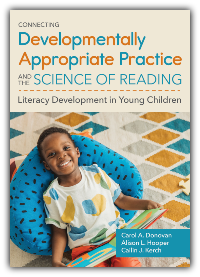
Modern instructional resources are now being designed to bridge this gap. For instance, academic guides like "Literacy Development in Young Children" by Dr. Carol A. Donovan, Dr. Alison L. Hooper, and Dr. Cailin J. Kerch serve as a roadmap for educators to implement SOR-aligned strategies without abandoning the play-based nature of early childhood settings. By providing teachers with video demonstrations of instructional moves, reflection questions, and self-assessments, these resources ensure that pedagogical theories are translated into actionable, high-impact classroom strategies.
The Role of Oral Language and Social Interaction
Literacy is not merely the ability to decode text; it is the culmination of years of oral language development. Experts emphasize that the "language gap"—the discrepancy in vocabulary and conversational complexity between children from different socioeconomic backgrounds—can be mitigated through "rich talk."
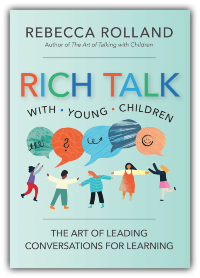
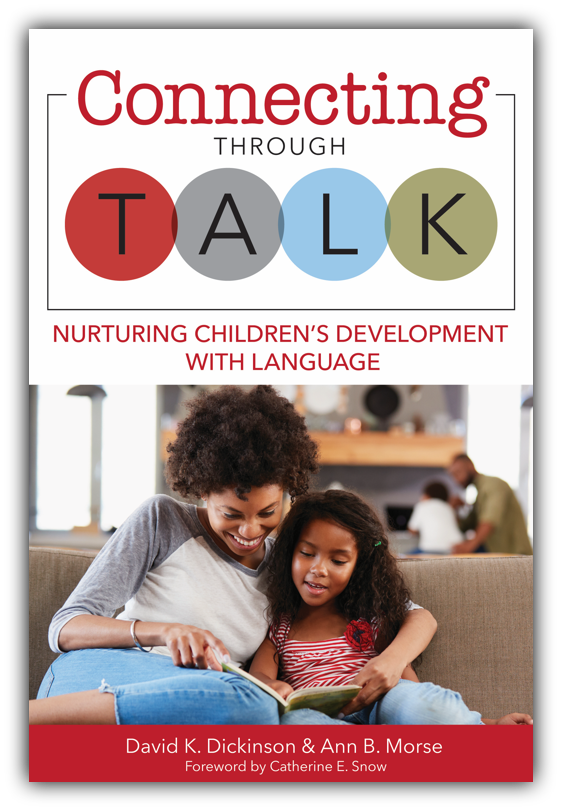
Research, such as that detailed by Dr. Rebecca Rolland in "Rich Talk With Young Children," suggests that the quality of interaction between adults and children aged two to eight is a primary predictor of future reading comprehension. The mechanism is straightforward: when adults engage in intentional, back-and-forth conversations, they provide children with the scaffolding required to develop complex thought structures. This is further supported by the work of Dr. David K. Dickinson and Ann B. Morse in "Connecting Through Talk," which posits that language development acts as a bridge between social-emotional regulation and academic literacy. Their research highlights that regular, high-quality dialogue acts as a "web of competencies," where the child’s ability to understand their own emotions and the world around them directly fuels their ability to comprehend narratives and eventually, written text.
Intervention Programs: Tier 2 Support for Struggling Learners
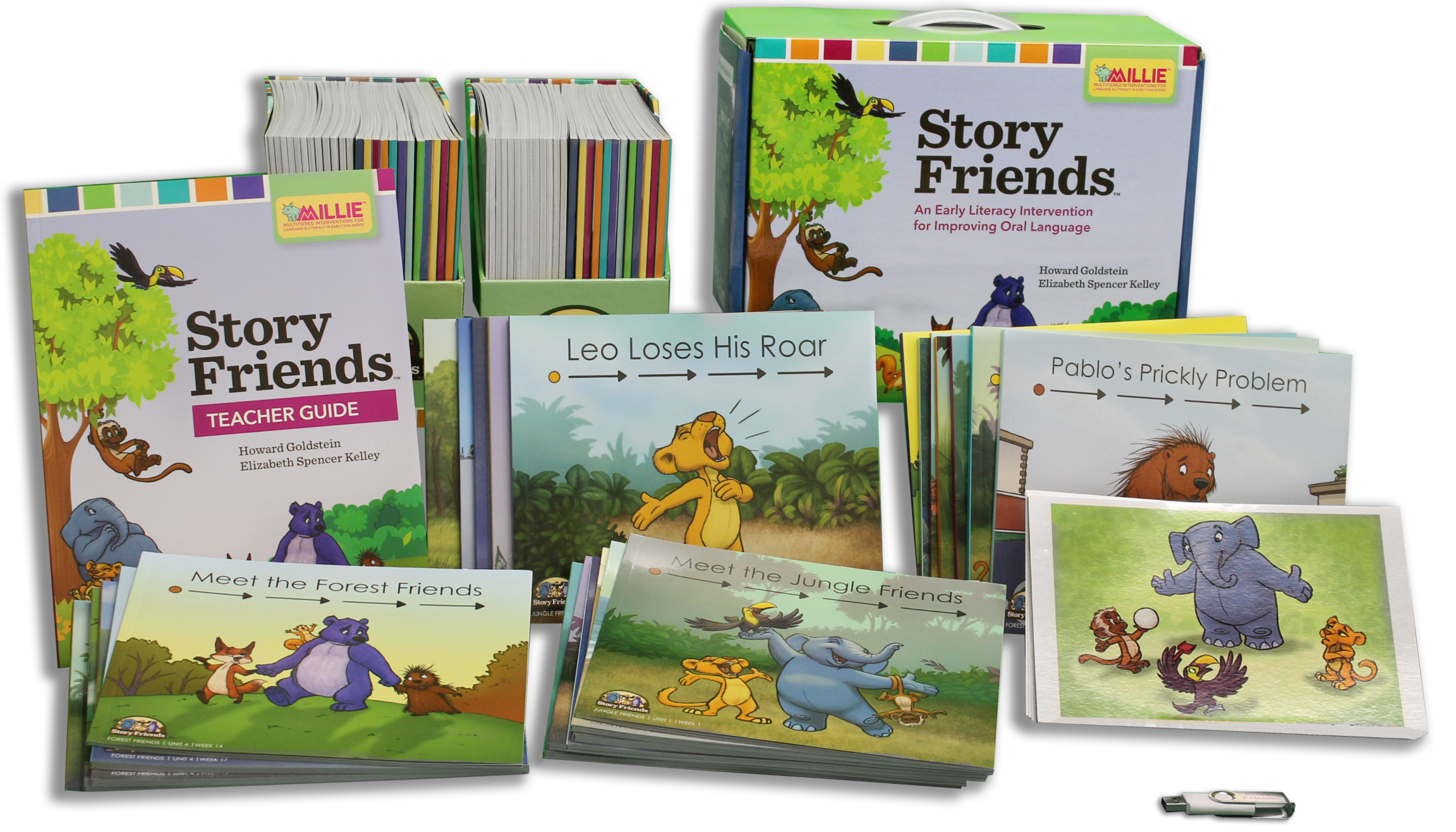
While universal instruction is vital, the diversity of learning speeds necessitates targeted Tier 2 interventions. Programs such as "Story Friends," an evidence-based initiative developed by Dr. Howard Goldstein and Dr. Elizabeth Spencer Kelley, have emerged as gold standards for children aged four to six who demonstrate early signs of falling behind.
The effectiveness of such programs is rooted in their evidence-based design. "Story Friends," for instance, utilizes animal-themed storybooks and audio recordings to foster oral language and vocabulary growth in a manner that is engaging rather than punitive. Similarly, "PAth to Literacy," another initiative from the MILLIE family of resources, focuses on phonological awareness and alphabet knowledge. These supplemental curricula are designed to be integrated into existing classroom structures, allowing for quick, daily bursts of high-intensity instruction that can prevent the need for more intensive special education services later in a student’s career.
Clinical Assessment and Diagnostic Tools
A significant challenge in early literacy is the ability to distinguish between typical developmental delays and actual learning disabilities. Tools like the "Bilingual English-Spanish Assessment" (BESA) are critical in this regard. As the demographic makeup of the American classroom shifts, the ability for speech-language pathologists and educators to differentiate between language acquisition challenges in bilingual students and true language disorders has become a matter of educational equity.
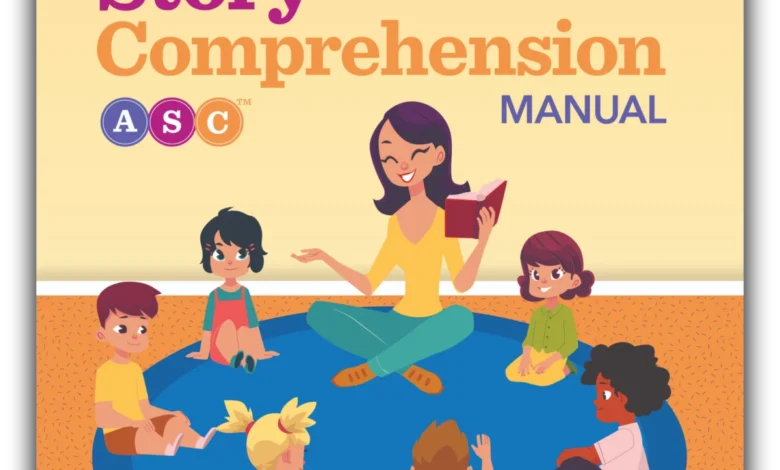
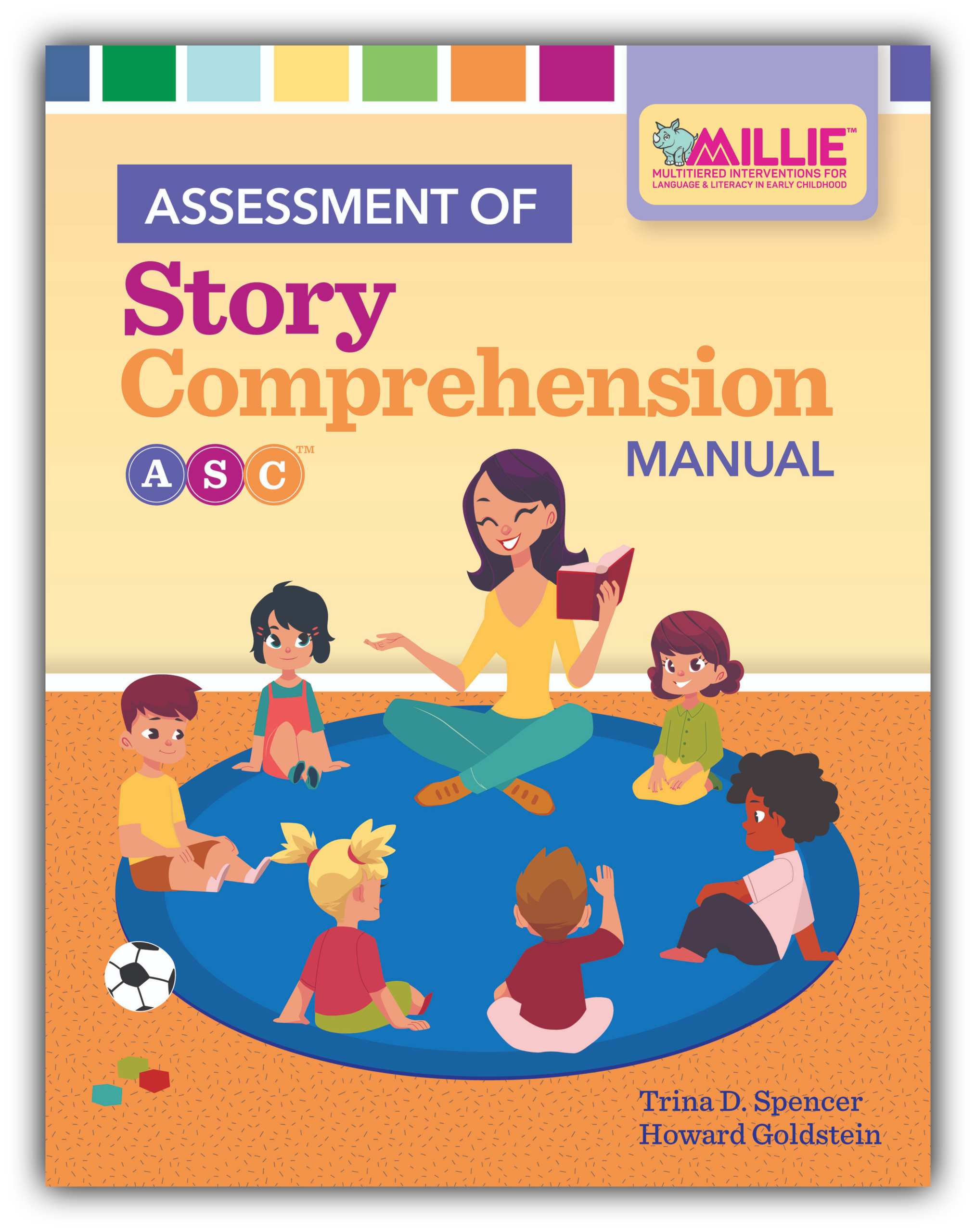
Furthermore, rapid assessment tools, such as the "Assessment of Story Comprehension" (ASC), have revolutionized how teachers monitor progress. A three-minute assessment can now provide educators with data on a child’s comprehension trajectory, allowing for real-time adjustments to instructional strategies. This shift toward data-driven, rapid-cycle assessment ensures that interventions are not "one-size-fits-all" but are instead tailored to the specific needs of the individual child.
Implications for Policy and Future Practice
The evidence is clear: the most effective literacy interventions are those that begin in the early years and focus on a synthesis of phonemic awareness, vocabulary development, and oral communication. As policymakers and K-12 leaders look toward the future, there is a growing consensus that the traditional divide between "preschool" and "elementary education" must be bridged.
The long-term implications of these interventions are substantial. Literacy is the foundation upon which all other academic subjects are built. A child who achieves grade-level reading proficiency by the end of third grade is significantly more likely to graduate from high school and pursue post-secondary education. Conversely, the "reading cliff"—where students who cannot read proficiently by age nine struggle to keep up with curriculum demands in higher grades—remains a major driver of dropout rates and socioeconomic inequality.
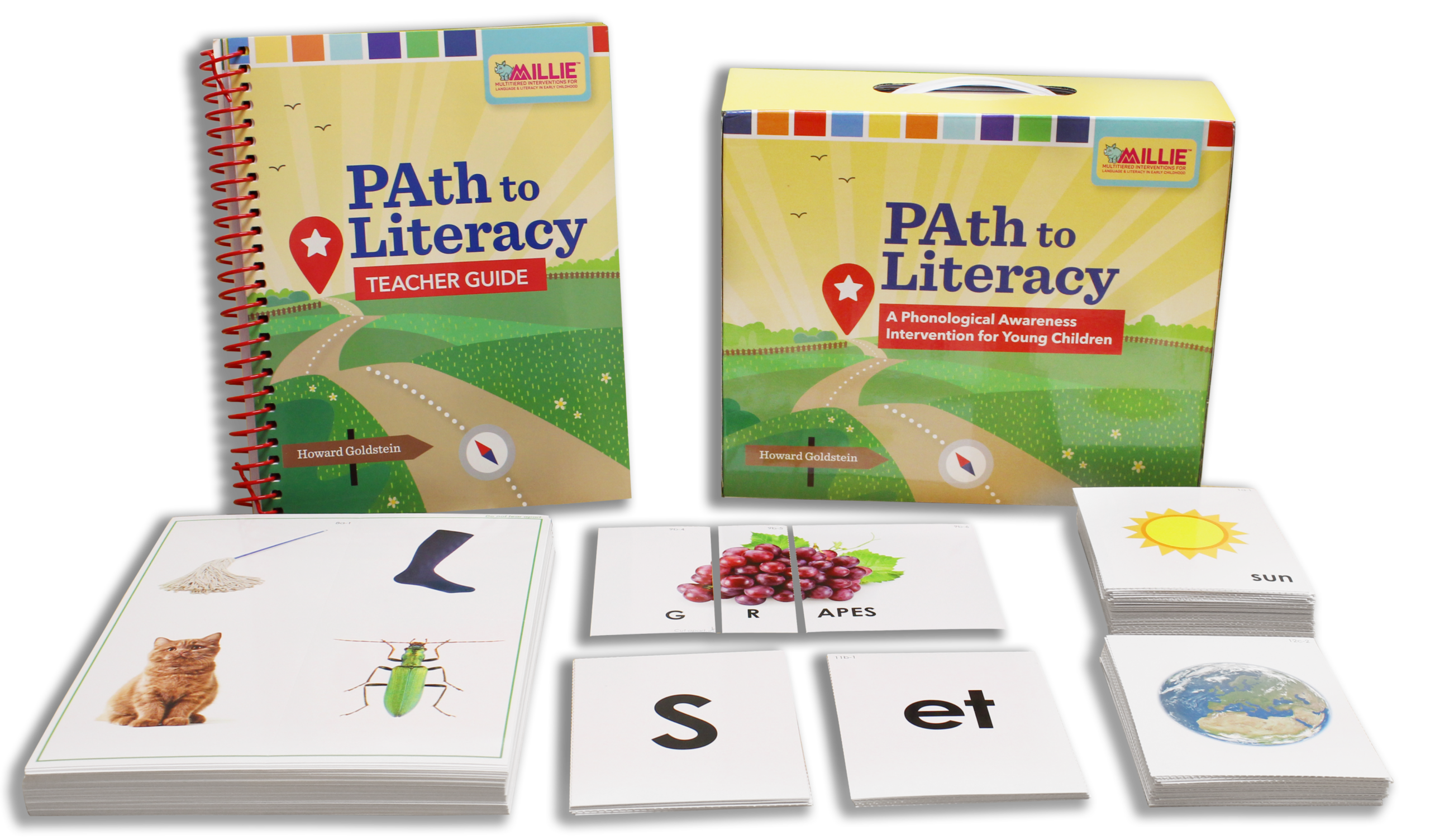
By investing in resources that provide teachers with structured, proven curricula, schools can create a safety net that catches students before they fall behind. The use of phonemic awareness programs, such as those pioneered by Dr. Marilyn Jager Adams, demonstrates that even brief, daily instructional sessions (15–20 minutes) can have profound, measurable impacts on a child’s ability to decode and comprehend language.
Conclusion
The path to restoring national literacy rates is not found in a single program, but in the consistent application of research-based practices across the early childhood spectrum. Whether through the implementation of structured alphabet foundations like "ABC Foundations in Young Children" or the adoption of diagnostic tools that respect linguistic diversity, the goal remains the same: to provide every child with the tools required to decode the world around them.
As we move toward the middle of the decade, the integration of these tools into standard practice will be essential for reversing the trends of the past decade. For educators, administrators, and policymakers, the mandate is clear: prioritize the earliest years, support the teachers who work on the front lines of development, and maintain a commitment to evidence-based instruction that honors the science of how the human brain learns to read. By doing so, the current generation of young learners can overcome the setbacks of the pandemic and build the essential skills required for long-term academic and personal success.
Related posts: