Curating Inclusive Early Childhood Classrooms: The Vital Role of Black History Month Literature in Preschool Education

Early childhood educators across the nation are increasingly recognizing their fundamental responsibility to introduce young learners to perspectives that extend far beyond their immediate neighborhoods. While children residing in densely populated metropolitan areas may encounter diverse cultures organically during their daily routines, students in rural or homogenous communities often lack this vital exposure. To bridge this gap, educators are turning to thoughtfully curated literature that highlights the rich contributions, lived experiences, and distinct voices of Black Americans. This deliberate approach to classroom library development fosters a comprehensive understanding of the broader world and lays the groundwork for inclusive educational environments.
The Imperative of Representation in Early Childhood Education
Research in child development consistently emphasizes the profound psychological impact of representation during formative years. When young children encounter characters who physically and culturally reflect their own identities, it reinforces the intrinsic value of their personal narratives, bolstering self-confidence and a deep sense of belonging. Conversely, when children engage with literature depicting lives and experiences distinct from their own, they cultivate foundational capacities for empathy, perspective-taking, and cross-cultural respect.

According to literacy experts and child psychologists, an inclusive library is not merely an auxiliary resource but an essential component of a well-rounded curriculum. Educational institutions that incorporate diverse texts observe significant improvements in social-emotional learning metrics. Children who see diverse communities portrayed authentically are better equipped to navigate an increasingly interconnected society. By normalizing diversity in everyday storytelling, educators dismantle implicit biases before they become entrenched, thereby cultivating a classroom culture rooted in mutual respect and shared humanity.
Chronology and Historical Context of Black History Month in Schools

The tradition of observing Black History in educational settings traces its origins back to 1926, when historian Carter G. Woodson established Negro History Week. Selected to coincide with the birthdays of Abraham Lincoln and Frederick Douglass, the observance expanded into Black History Month by 1976, gaining official federal recognition from President Gerald Ford. Over the decades, the pedagogical approach to this commemorative month has evolved substantially.
Initially focused primarily on secondary and higher education, the integration of Black history has gradually filtered down to primary and preschool classrooms. Early childhood educators now recognize that abstract historical concepts must be translated into developmentally appropriate frameworks. Rather than presenting history as a series of isolated dates, contemporary preschool curricula utilize narrative-driven nonfiction to introduce foundational civic virtues such as courage, perseverance, justice, and community responsibility.

Nonfiction Picture Books: Translating History for Young Learners
Introducing historical figures and true stories to preschool-aged children requires careful selection of texts that distill complex historical events into accessible, relatable concepts. Educators rely on nonfiction picture books that center on universal themes of fairness and determination, utilizing engaging illustrations and interactive dialogue to maintain young children’s attention.

Among the prominent nonfiction titles utilized in modern classrooms is Stand Up!, authored by Brittney Cooper. This text profiles ten transformative figures who fought for civil rights, weaving together accounts of historical icons such as Ruby Bridges and Rosa Parks with contemporary advocates like Bree Newsome. By connecting past and present activism, the book illustrates the enduring power of civic engagement.
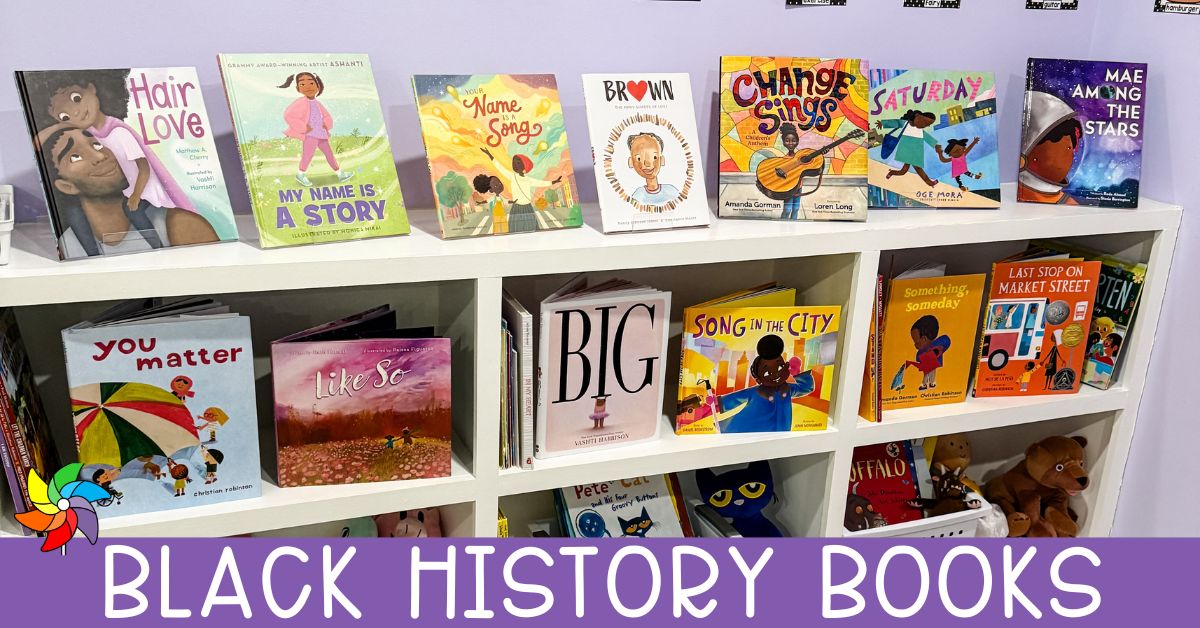
Similarly, Roda Ahmed’s Mae Among the Stars chronicles the childhood of Mae Jemison, who overcame systemic barriers to become the first African American woman to travel into space. The narrative emphasizes parental support, resilience, and the importance of ambition, offering young readers a tangible example of scientific achievement.

Further expanding the historical scope, Monica Clark-Robinson’s Let the Children Touch History—widely known through Let the Children March—explores the 1963 Birmingham Children’s Crusade. By focusing on the youth who volunteered to protest segregation, the book provides a developmentally appropriate entry point for discussing the Civil Rights Movement, demonstrating that individuals of any age possess the capacity to effect positive social change.
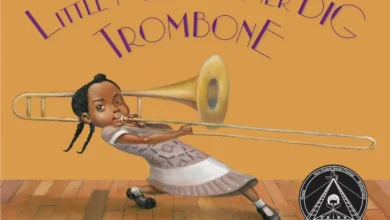
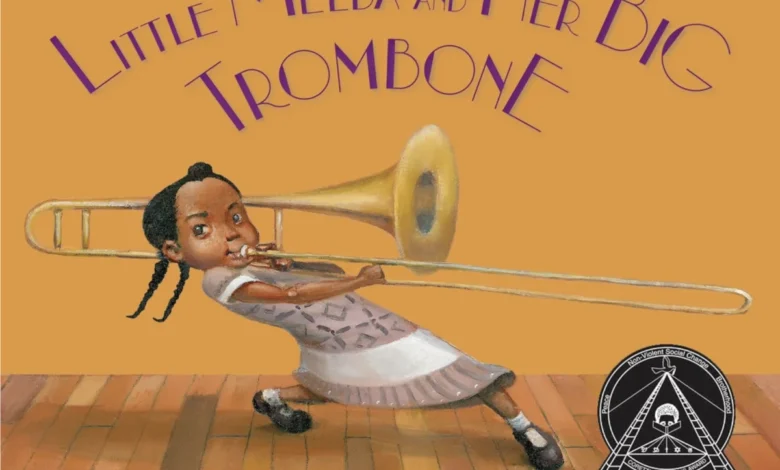
Additional biographical works, such as Katheryn Russell-Brown’s Little Melba and Her Big Trombone and Rita Lorraine Hubbard’s The Oldest Student—illustrating the life of Mary Walker, who learned to read at age 116—further enrich the preschool curriculum. These texts underscore lifelong learning, artistic expression, and extraordinary personal resilience across American history.

Everyday Joy and Fiction: Expanding the Narrative Beyond Struggle
While historical nonfiction remains a critical educational tool, experts emphasize that representation must extend beyond narratives of struggle and triumph against adversity. To foster a complete and authentic understanding of Black communities, preschool classrooms must also feature fiction and slice-of-life literature that celebrates everyday joy, familial warmth, and routine childhood experiences.

Books capturing ordinary moments—such as playing in the snow, navigating family dynamics, or riding public transit—allow children to recognize that joy and creativity are universal human experiences. Vashti Harrison’s award-winning work Big offers a tender exploration of self-acceptance and emotional growth, while Kaija Langley’s When Langston Dances explores identity and artistic expression through a young boy’s discovery of ballet after attending a performance by the Alvin Ailey American Dance Theater.
Other notable titles include Angela Joy’s Black is a Rainbow Color, which weaves poetry and heritage together, and Matthew A. Cherry’s Hair Love, a celebratory look at family bonding and self-expression. By integrating these texts alongside works like Oge Mora’s Saturday and Matt de la Peña’s Last Stop on Market Street, educators provide a balanced literary diet that honors both extraordinary historical milestones and the quiet beauty of daily life.

Professional Insights and Institutional Guidance
Educational bodies and child advocacy organizations have increasingly formalized their support for inclusive literacy practices. The National Association for the Education of Young Children (NAEYC) has published extensive guidelines encouraging educators to proactively address themes of identity, race, and equity within early learning environments. According to NAEYC position statements, anti-bias education is a vital framework that supports the optimal development of all children, enabling them to thrive in a diverse society.

Literacy specialists emphasize that the inclusion of diverse texts yields measurable cognitive and emotional benefits. Data compiled by children’s literature researchers indicates that exposure to diverse protagonists correlates with enhanced empathetic reasoning and improved reading comprehension among preschool students. When children engage with characters from varied backgrounds, their capacity for imaginative problem-solving and social perspective-taking expands correspondingly.
Broader Implications and Long-Term Societal Impact

The deliberate integration of Black History Month literature and diverse reading materials in preschool settings carries significant long-term implications for societal cohesion. Early childhood represents a critical window of neurological development during which children rapidly categorize social information and form implicit attitudes toward themselves and others.
By intentionally populating classroom libraries with literature that accurately reflects the multicultural fabric of society, educators actively counter prejudice and narrow worldview formations. This pedagogical strategy ensures that minority children see their lived realities validated within institutional spaces, while non-minority children learn to view diversity as a standard, enriching aspect of human existence. Ultimately, these foundational literacy practices contribute to the cultivation of empathetic, critical-thinking citizens prepared to navigate and contribute to an increasingly pluralistic global community.