The Rise of One-Pot Convenience: How Modern Culinary Trends Are Reshaping Home Cooking Habits

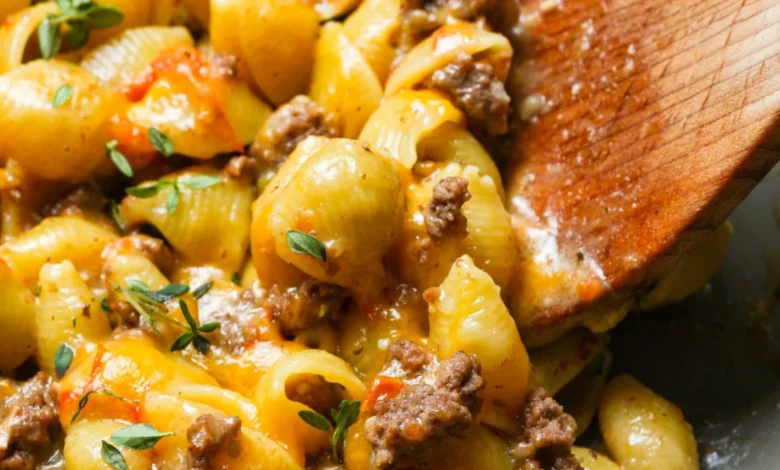
In the evolving landscape of domestic culinary practices, the "one-pot meal" has emerged as a dominant trend, fundamentally altering how modern households approach weeknight meal preparation. Among the most popular iterations of this movement is the one-pot taco pasta, a dish that bridges the gap between traditional Mexican-inspired flavors and standard pasta preparations. As consumers prioritize time-efficiency and minimal cleanup, this hybrid recipe has become a staple in suburban kitchens, reflecting a broader shift toward streamlined cooking processes that do not sacrifice flavor for convenience.

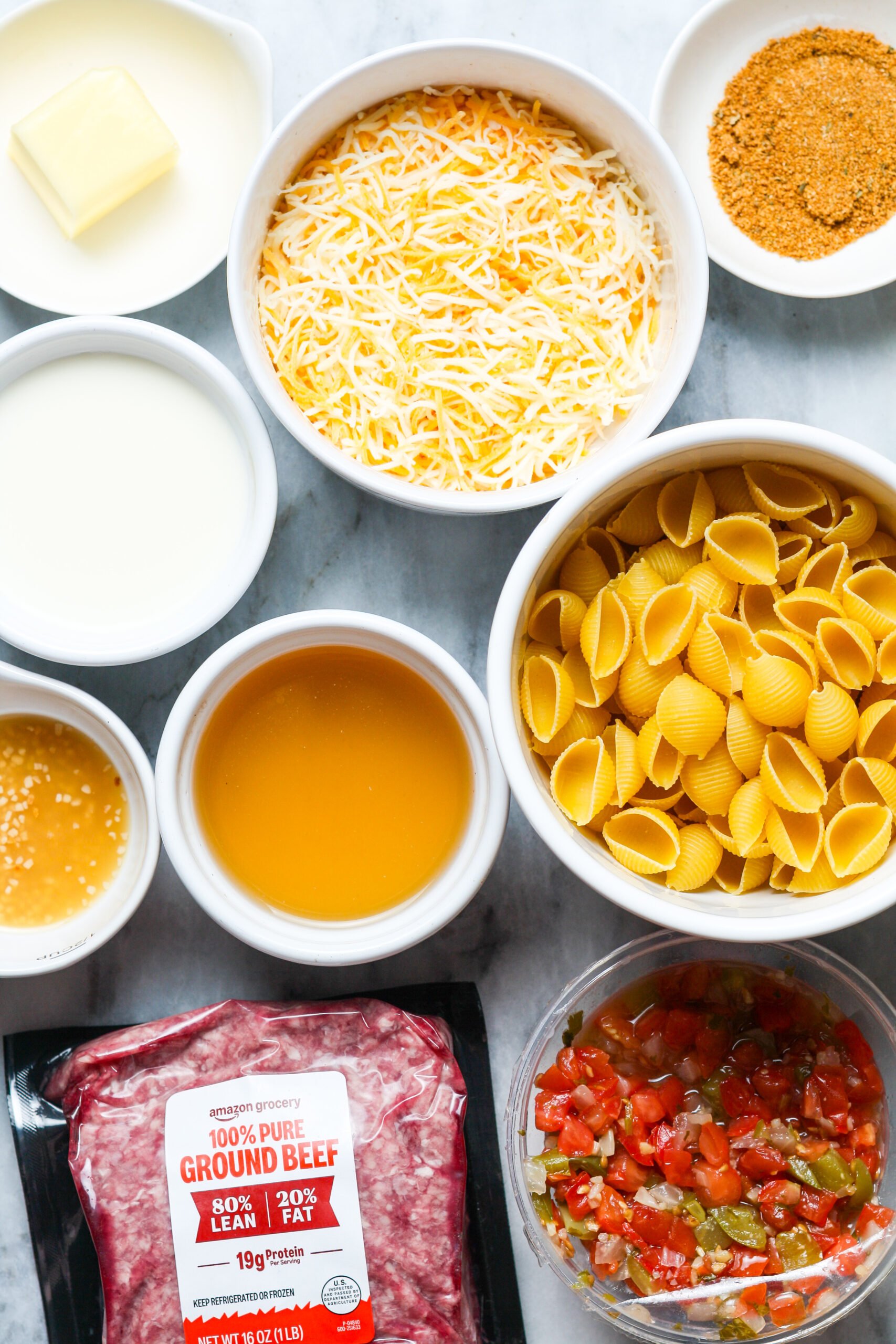
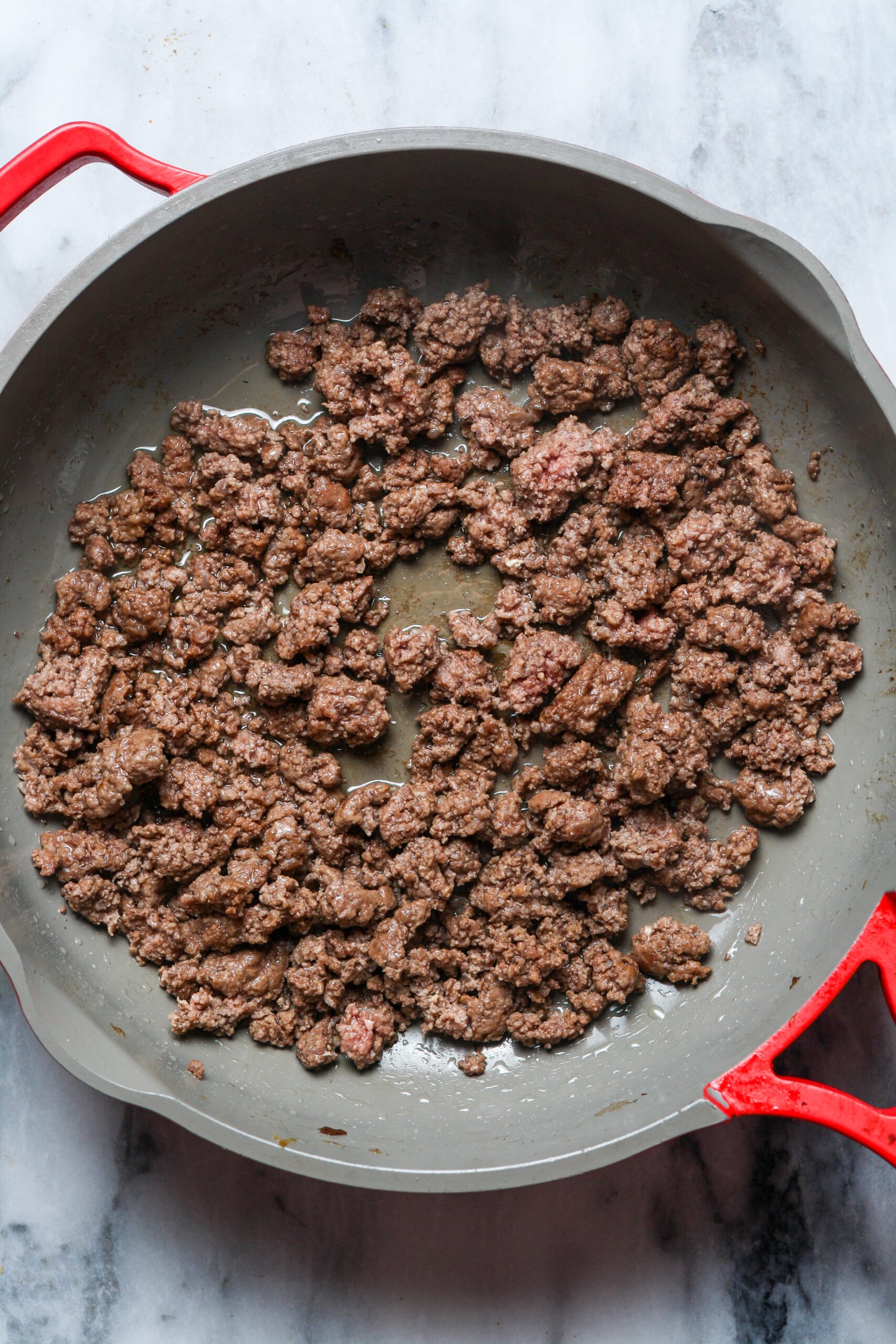
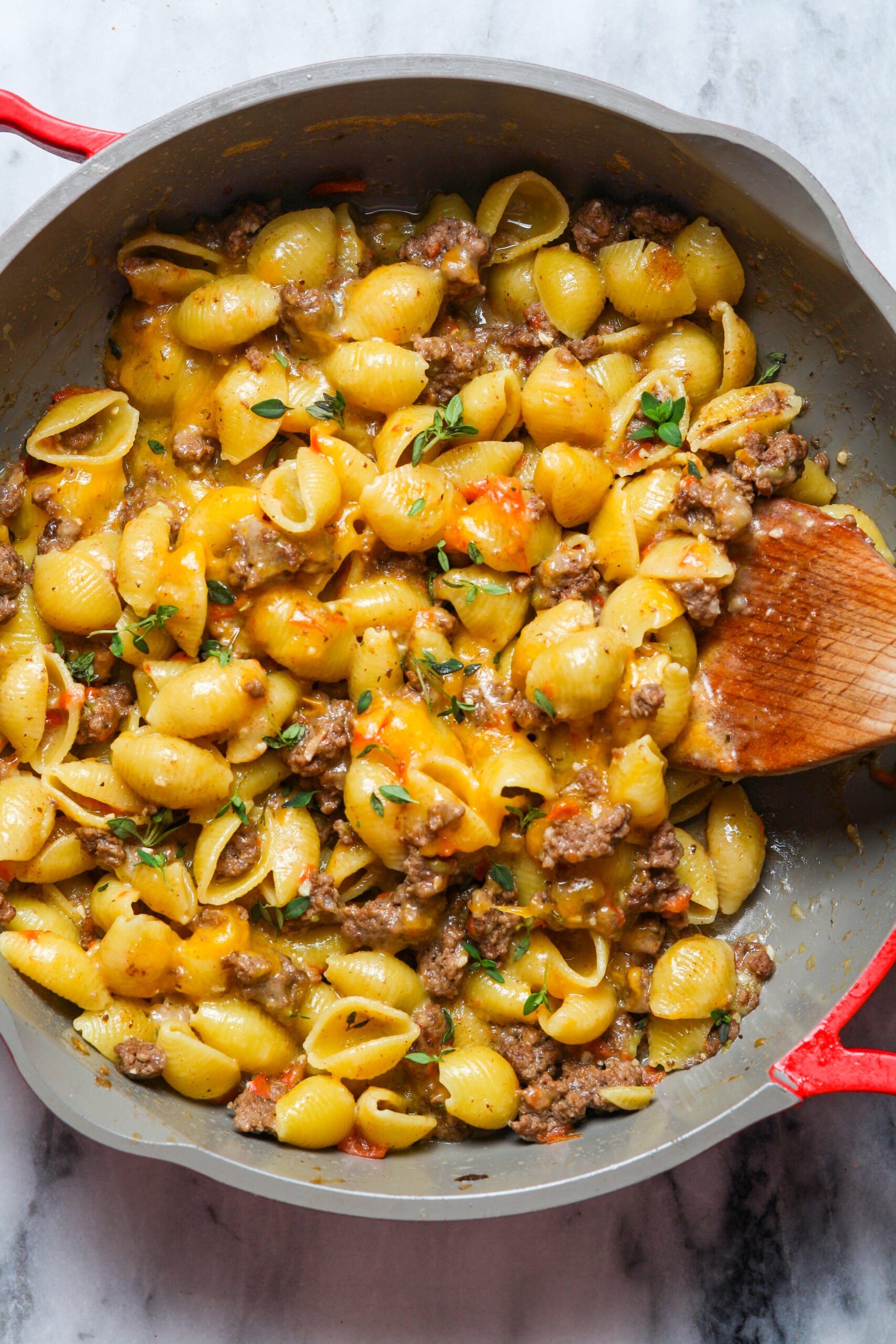
Market analysts and food sociologists have noted that the post-pandemic era has significantly influenced consumer behavior regarding dinner routines. With a renewed focus on home-cooked meals, families are increasingly looking for recipes that minimize the cognitive load associated with meal planning and the physical labor of kitchen maintenance. The one-pot taco pasta, which combines seasoned ground beef, pasta shells, and a cheese-based sauce into a single cooking vessel, serves as a quintessential example of this demand-driven innovation in home cooking.
The Evolution of the One-Pot Cooking Method
The concept of the one-pot meal is not historically novel; it has roots in traditional stews, braises, and risottos. However, the current iteration—specifically the fusion of pasta with complex flavor profiles like taco seasoning—represents a departure from traditional culinary techniques. Historically, pasta was almost exclusively boiled in salted water before being combined with a separately prepared sauce. The contemporary method of cooking pasta directly in the sauce base, which acts as a cooking liquid, is a technique that has gained massive traction due to its efficiency.
Data from recent home cooking surveys indicates that "cleanup time" is the primary barrier to entry for cooking dinner at home on weeknights. By eliminating the need for a separate colander, boiling pot, and sauce pan, the one-pot approach can reduce the post-meal cleanup duration by an estimated 30 to 40 percent. This efficiency gain has been a significant driver for the adoption of such recipes in households with dual-income parents or those managing busy extracurricular schedules.
Nutritional and Dietary Considerations
While convenience is the primary driver, the nutritional profile of such meals remains a subject of discussion among culinary experts. The standard recipe for this taco-pasta hybrid typically incorporates lean ground proteins, such as beef, turkey, or chicken, combined with complex carbohydrates like whole wheat pasta. The addition of dairy—usually milk or half-and-half—provides calcium and protein, though it also increases the saturated fat content of the dish.
Health-conscious home cooks are increasingly opting for modifications that align with modern dietary standards. For instance, the use of low-sodium chicken broth and sugar-free spice blends has become more prevalent. The integration of "clean label" ingredients—those that avoid artificial preservatives and added sugars—is a direct response to the growing consumer demand for transparency in food preparation. The inclusion of vegetables, such as diced tomatoes with green chilies, further adds a layer of micronutrients that are often absent in traditional, starch-heavy pasta dishes.
Culinary Techniques: The Science of the Sauce
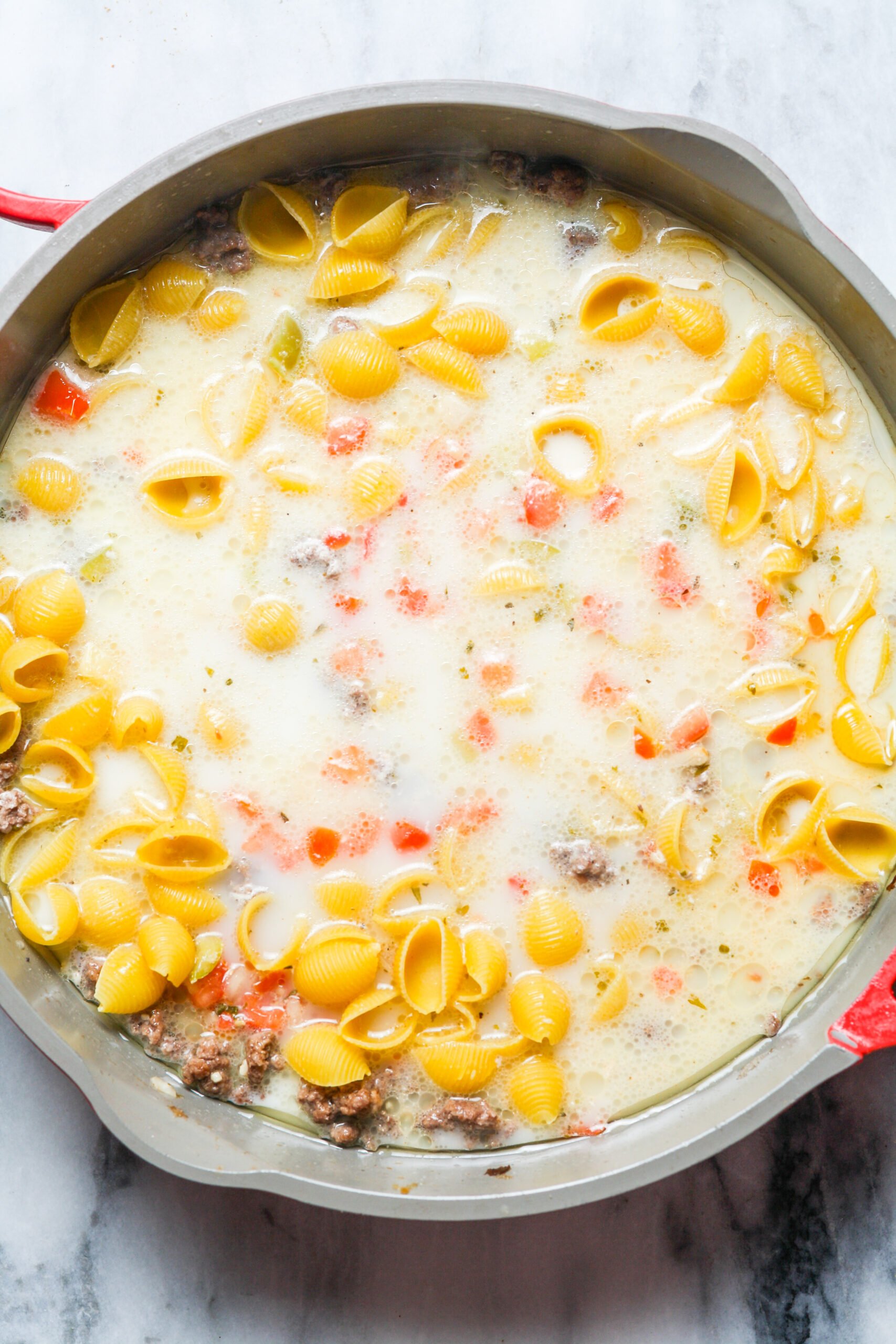
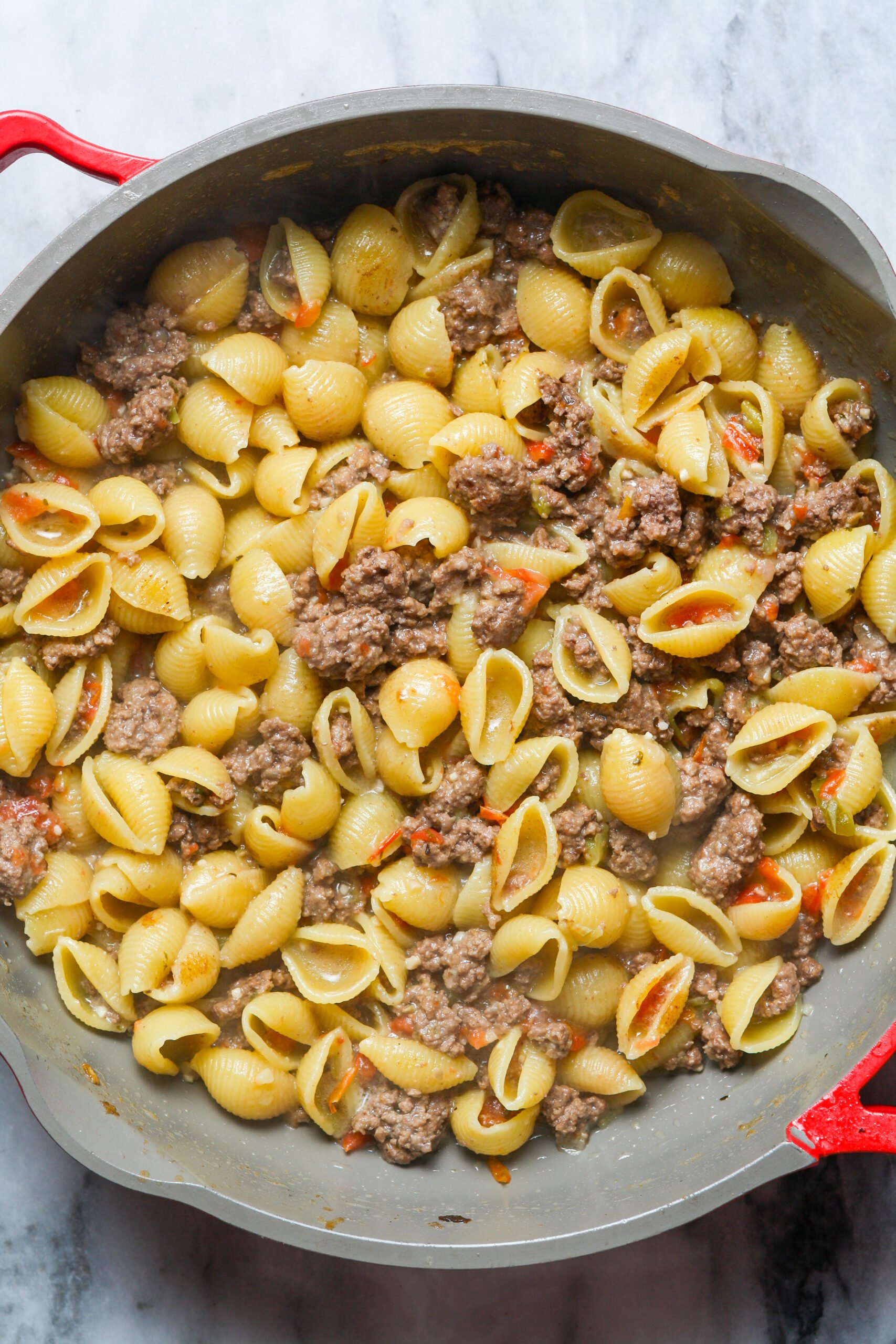
The success of a one-pot pasta dish hinges on the starch release from the noodles. When pasta is cooked directly in the sauce, the starch released into the liquid acts as a natural thickening agent, creating a creamy emulsion that would otherwise require the addition of heavy cream or flour-based roux. This scientific reaction is why the consistency of one-pot dishes often feels more cohesive than traditional pasta preparations.
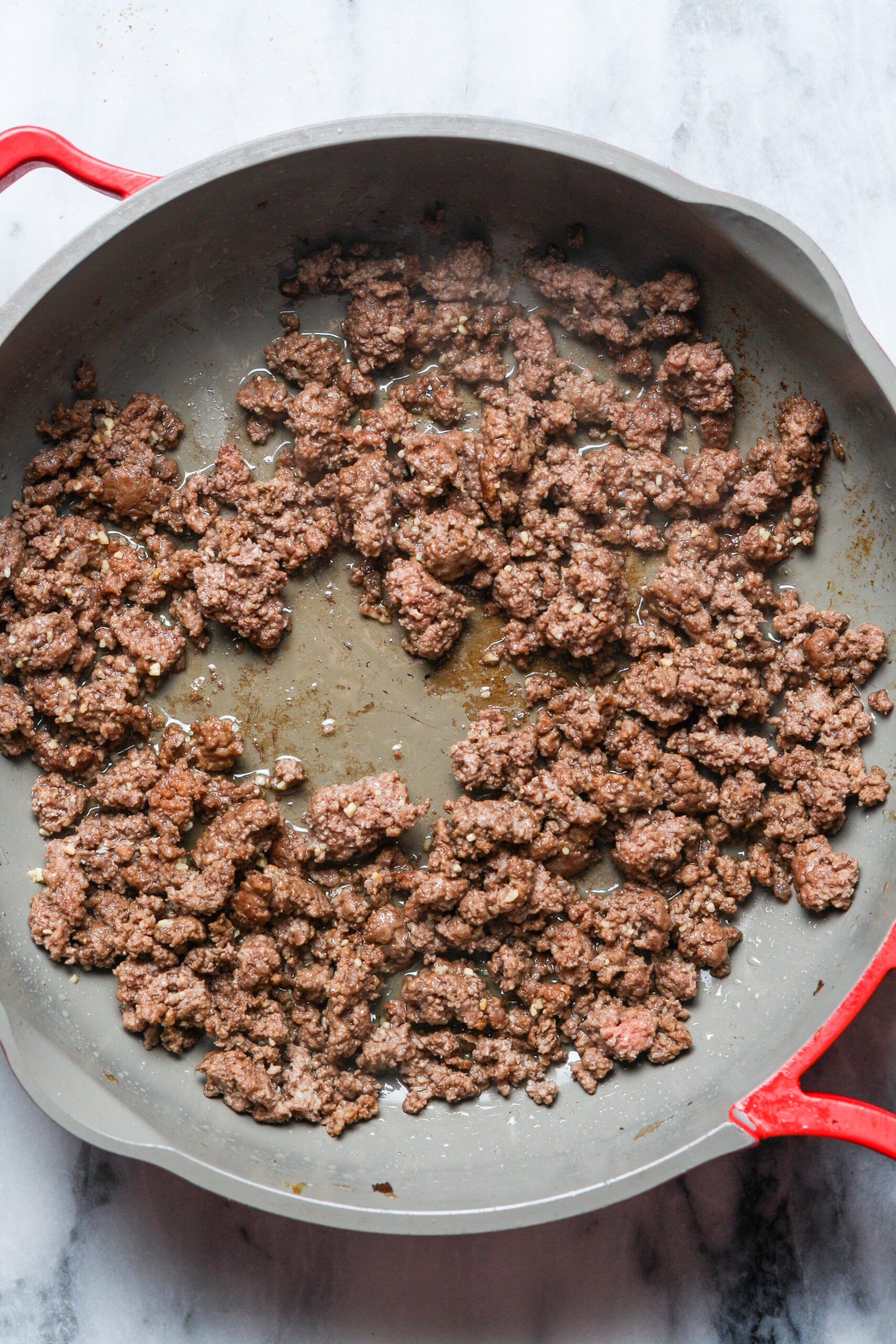
Professional chefs have noted that the timing of the cooking process is critical. If the liquid-to-pasta ratio is incorrect, the dish can quickly transition from a creamy, cohesive meal to an overcooked, mushy mixture. This has led to the proliferation of standardized "recipe testing" blogs and digital platforms that provide precise metrics, ensuring that home cooks achieve professional-grade textures without the need for culinary training.
Socio-Economic Impact and Household Dynamics
The popularity of such recipes has had a measurable impact on how supermarkets stock their shelves. The growth of the "taco-flavored" segment in the pasta aisle is reflective of this trend. Retailers are increasingly bundling ingredients—placing pasta shells, taco seasoning packets, and canned chilies in contiguous displays—to cater to the consumer’s desire for an effortless shopping experience.
Furthermore, the "family-friendly" aspect of this dish cannot be overstated. By combining familiar elements that children find palatable (pasta and cheese) with more complex, adventurous flavors (taco spices and chilies), parents can effectively introduce a wider range of flavor profiles to their families. This reduction in "picky eating" friction contributes to lower stress levels during family mealtimes, reinforcing the popularity of these recipes in academic and parenting forums.
Adapting for Future Dietary Needs
As the demographic landscape shifts, the versatility of the one-pot taco pasta has allowed it to adapt to various dietary restrictions. The rise in gluten-sensitivity, for example, has seen the successful integration of gluten-free pasta varieties into this specific preparation. Because the sauce is emulsified through the starch of the pasta, gluten-free variations—which often use rice or corn-based flours—require slight adjustments to the liquid ratios, demonstrating the need for ongoing education and recipe iteration within the home-cooking community.
Moreover, the shift toward plant-based proteins has seen the emergence of meat-alternative crumbles being substituted for ground beef. This flexibility ensures that the recipe remains relevant even as consumer preferences move away from traditional animal-based proteins. The ability to pivot the recipe based on individual health needs or ethical concerns highlights the longevity of the one-pot model as a foundational cooking method.
Conclusion and Future Outlook
The one-pot taco pasta is more than just a culinary fad; it is a manifestation of the modern prioritization of efficiency and simplicity in the home kitchen. By leveraging the science of starch-based thickening and the convenience of single-vessel preparation, this dish satisfies the fundamental human need for nourishment while accommodating the constraints of a fast-paced lifestyle.
Looking ahead, it is likely that the "one-pot" philosophy will continue to influence recipe development across all categories of home cooking. As technology improves and consumers become more adept at identifying high-quality, pre-portioned ingredients, the home-cooked dinner will continue to evolve. Whether through the integration of smart-kitchen appliances or the development of more sophisticated flavor-fusion profiles, the core values of this trend—speed, ease, and family-centered dining—will remain at the forefront of the culinary landscape for years to come. The continued success of such dishes serves as a reminder that the best culinary solutions are often those that provide the most significant utility to the user, allowing for a better balance between the labor of cooking and the enjoyment of the meal.